

 Daryl Perreau
 4
Daryl Perreau
4
4
Daryl Perreau
4
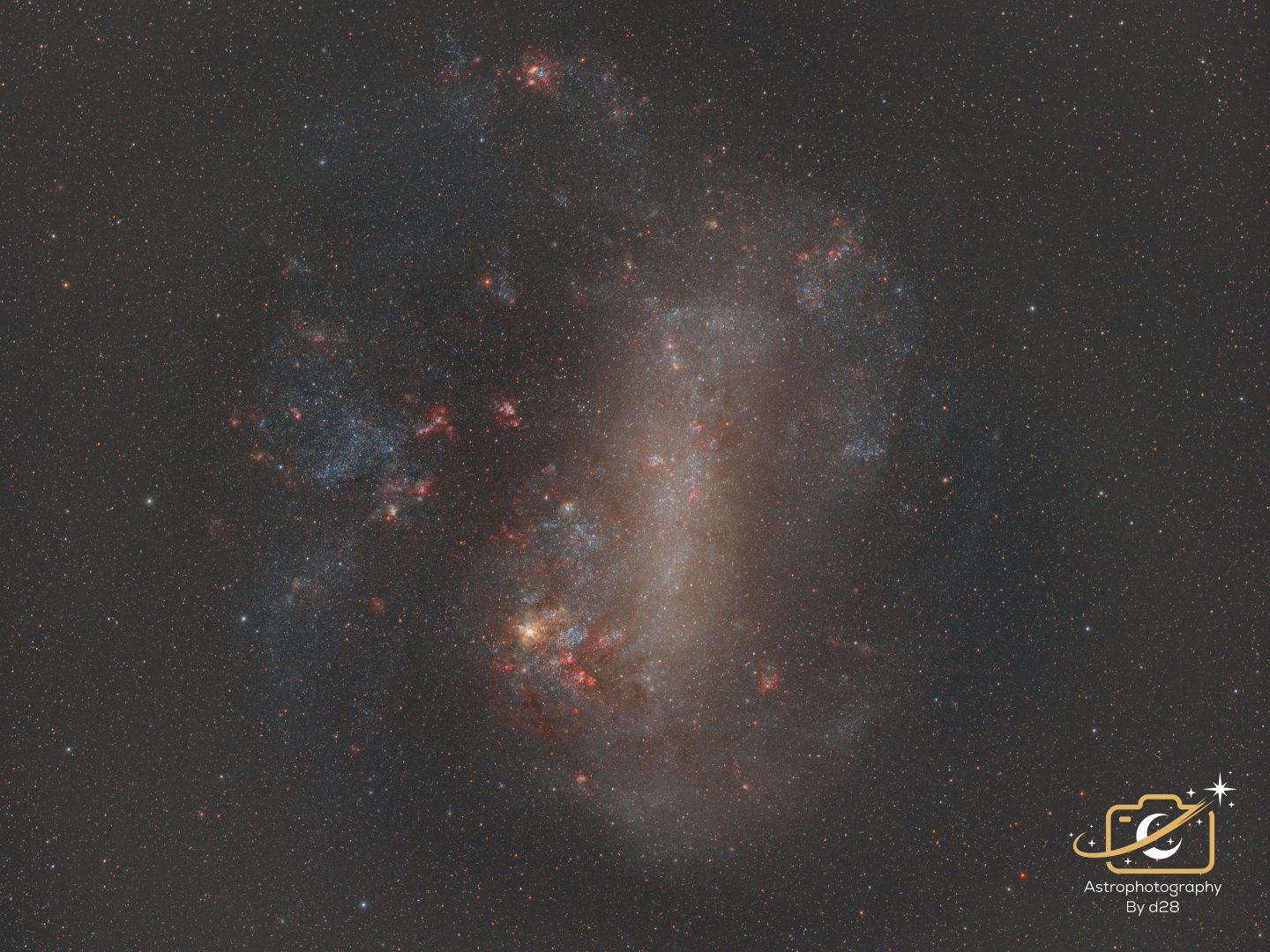
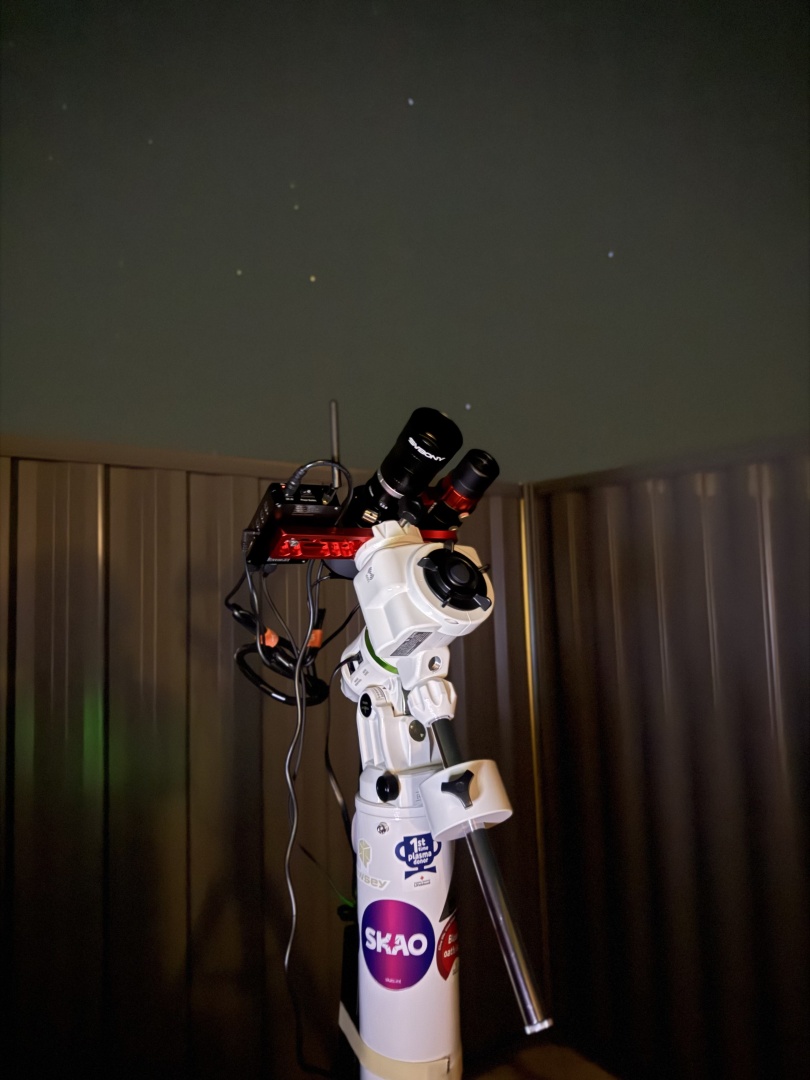
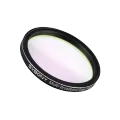
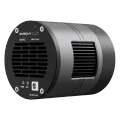
Captured from my backyard in Aveley, Western Australia, using the SVBONY SV535, a compact 105mm f/2.8 Petzval astrograph paired with the SC571CC camera. Its fast optical design allows efficient light collection across a wide field, making it ideal for capturing the expansive Large Magellanic Cloud. A total of 160 × 90-second broadband exposures (4 hours) were collected through the SV260 filter at Gain 100 and Offset 50, using the Sky-Watcher EQ-AL55i mount, G3M678 guide camera and SV165 guide scope. Imaging was controlled through StellaVita, with stacking performed in Siril and final processing completed in Photoshop. Despite thin clouds limiting the session, the resulting image reveals the LMC's rich stellar populations, dust structures and prominent emission regions, including the Tarantula Nebula.
Captured from my backyard in Aveley, Western Australia, using the tiny but mighty SVBONY SV535. At just 105mm focal length and a fast f/2.8 aperture, this little scope gathers light incredibly efficiently, making it perfect for wide-field astrophotography. Thin clouds cut my session short, but 4 hours of broadband data was enough to reveal the LMC’s beautiful star fields, colourful nebulae and intricate structure.

 Google
 Amazon
No data Yet