

 @AstroBassDee
 32
@AstroBassDee
32
32
@AstroBassDee
32

March 2026
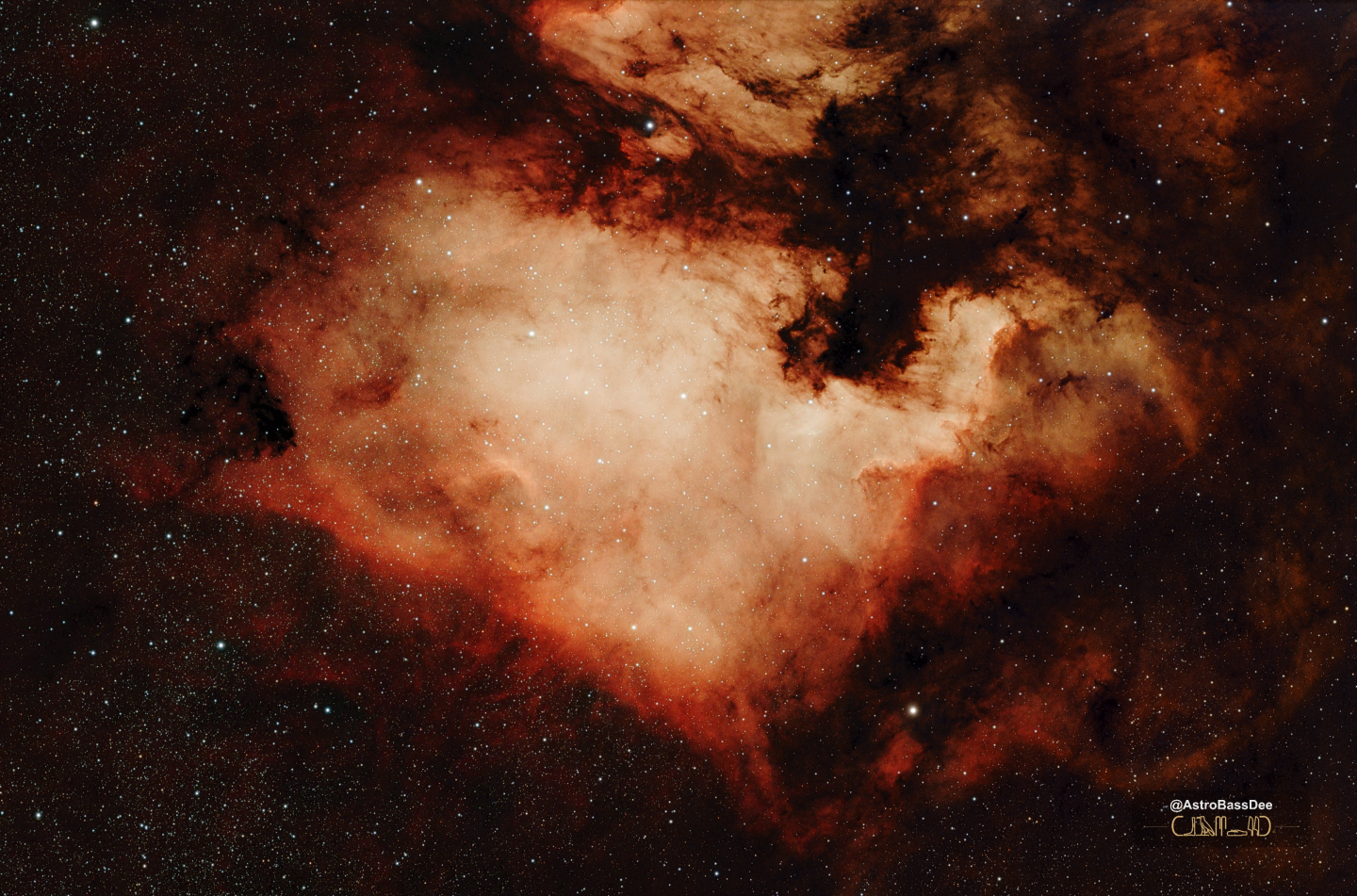
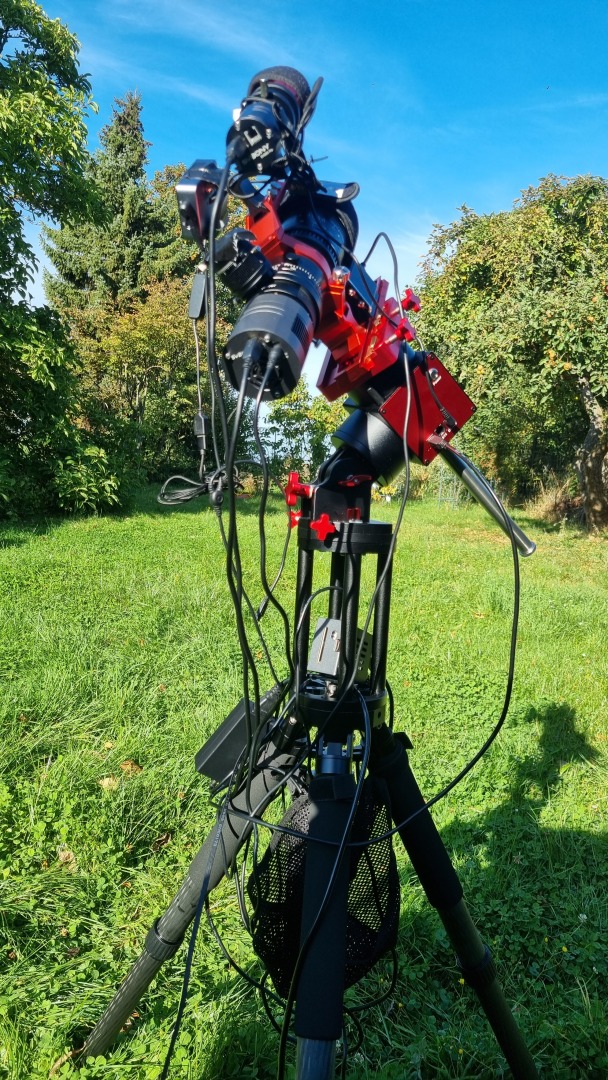
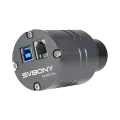
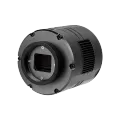
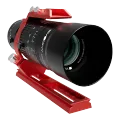
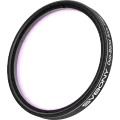
NGC 7000: Longer Nights, a New Mount, and North America in One Frame The nights are finally getting longer again, and this time I could fit the entire project into a single night. For my NGC 7000 run, I paired the SVBONY SV555 with the SV220 3 nm Ha/OIII dual-band filter and collected 83 five-minute exposures. That adds up to 6 hours and 55 minutes on the North America Nebula, with darks, flats, and dark flats for calibration. The SV555 turned out to be a great match for this target. It captured the whole North America Nebula in a single frame, with sharp stars right into the corners. Having enough room for the full nebula while keeping the stars clean across the field made this a particularly satisfying setup to work with. The biggest change this time, though, was underneath the telescope. My EXOS-2 has been replaced by a TESeek HM-17P, and the difference in guiding was immediately noticeable. The guiding error stayed consistently below 1 arcsecond throughout the run, making those 300-second exposures a much more relaxed affair. Almost seven hours of data in one night felt like a good way to start this next chapter with the new mount. Not every part of the upgrade went quite as smoothly. I also tried to get an off-axis guider working, but none of the cameras I tried would cooperate. That included my SV305C Pro. I suspect the issue may be the sensor position and whether I can reach focus relative to the prism, but I have not pinned it down yet. A SV905C is on the way, so that experiment will continue on another clear night. For this run, the off-axis guider remained unfinished business, but the imaging itself came together nicely: a full nebula in one frame, sharp stars across the field, and steady guiding through the night. After the short summer nights, it feels good to have enough darkness again to collect a substantial dataset without spreading it across several sessions. This time, North America only took one night. Acquisition: Telescope: SVBONY SV555 Filter: SVBONY SV220 3 nm Ha/OIII dual-band Mount: TESeek HM-17P Lights: 83 × 300 seconds Total integration: 6 hours 55 minutes Calibration: Darks, flats, and dark flats IG: @AstroBassDee
My name is Sebastian, and online I go by @AstroBassDee. I've been doing deep-sky astrophotography for about a year now, imaging from Lower Saxony in Germany. I started out with a DSLR and a cheap achromat and have since moved to a cooled, narrowband setup built around SVBONY gear.
 Google
 Amazon
No data Yet