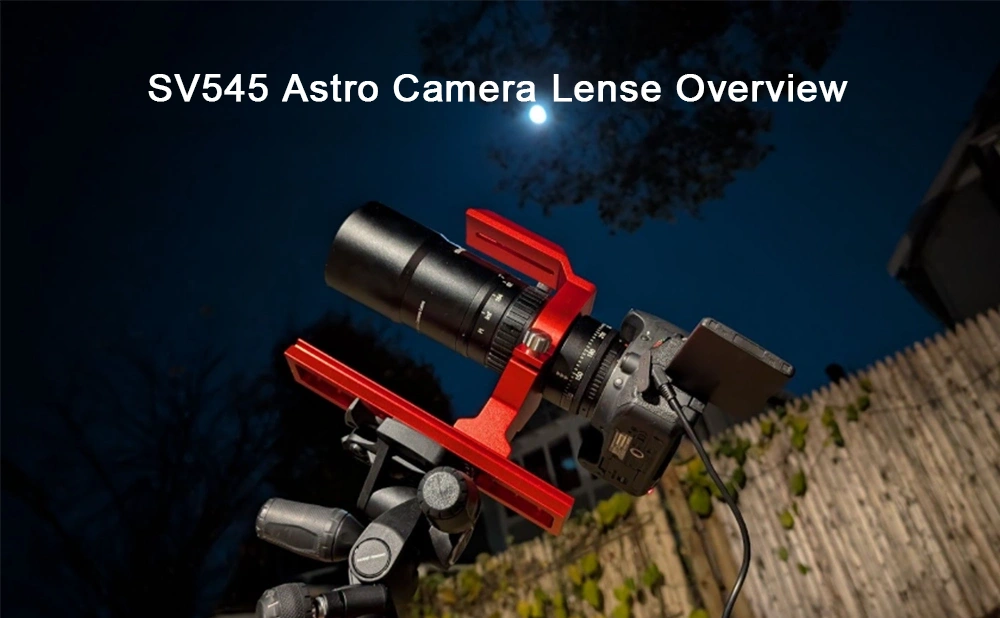
Building on the enthusiastic reception of our flagship SV555, the Svbony team officially launches the latest addition to the series - the SV545 Petzval APO astrograph lens.
We also invited Nazmus Nasir to provide professional support and in-depth testing for this product. His valuable insights have given us a more comprehensive understanding of the product's performance in real-world usage scenarios:
I had the pleasure of testing the Svbony SV545 for a couple of months. It’s the smaller brother to the very popular SV555. Although I had not used the latter, I’ve seen the excitement around the product.
The SV545 is listed as a Camera Lens but it’s a bit more versatile It’s also a Petzval Apochromatic refractor. The Petzval design means that the image is fully flat, making it perfectly ready for astrophotography. And since it’s marketed as a camera lens, it works really well as an actual camera lens.
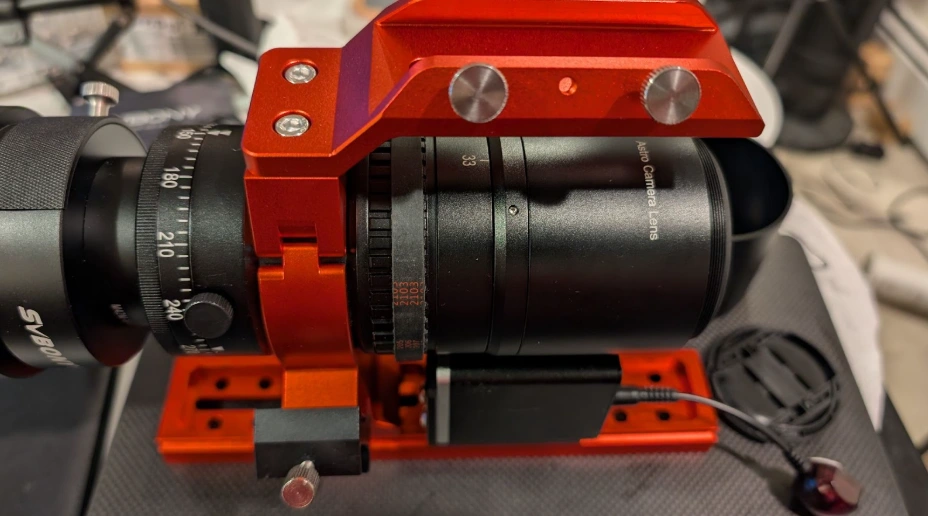
Some facts about this Lens/Refractor:
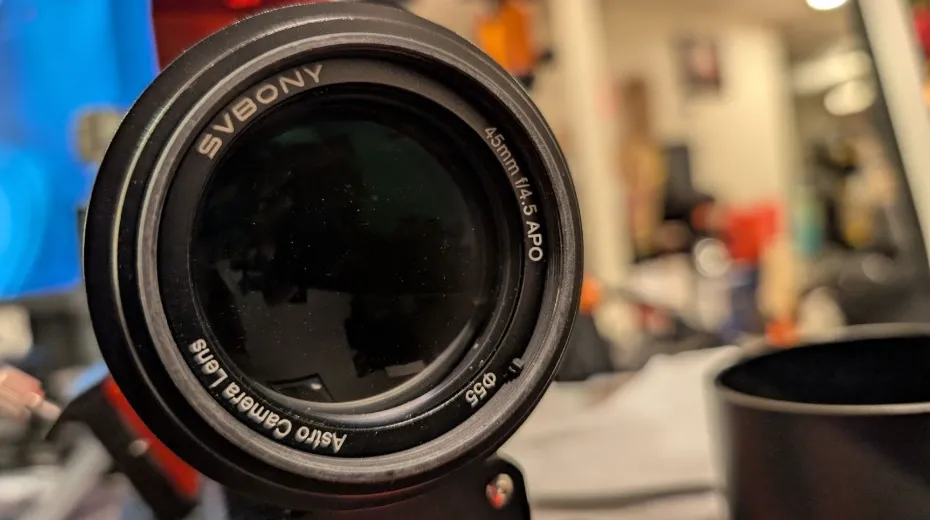
- 45mm Aperture
- f/4.5 - making it a 202.5mm focal length
- 3-group, 5-element Petzval APO
- Full Frame Support (I do not own a full frame camera to test this)
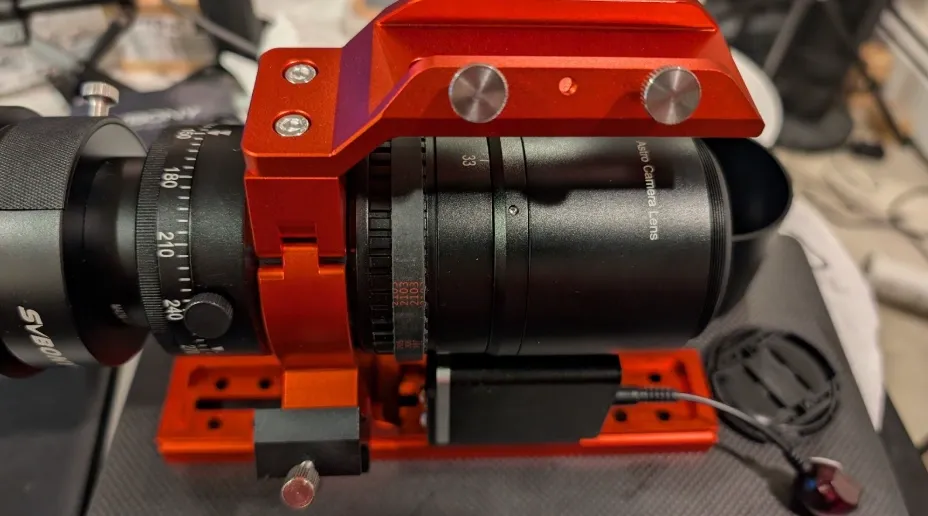
- Helical focuser with included EAF Mounting Kit
- Built-in camera angle rotator
- Removable Dew Shield
- Accessories include:
- Ring
- Dovetail Plate
- Riser
- Handlebar
- Padded case for OTA
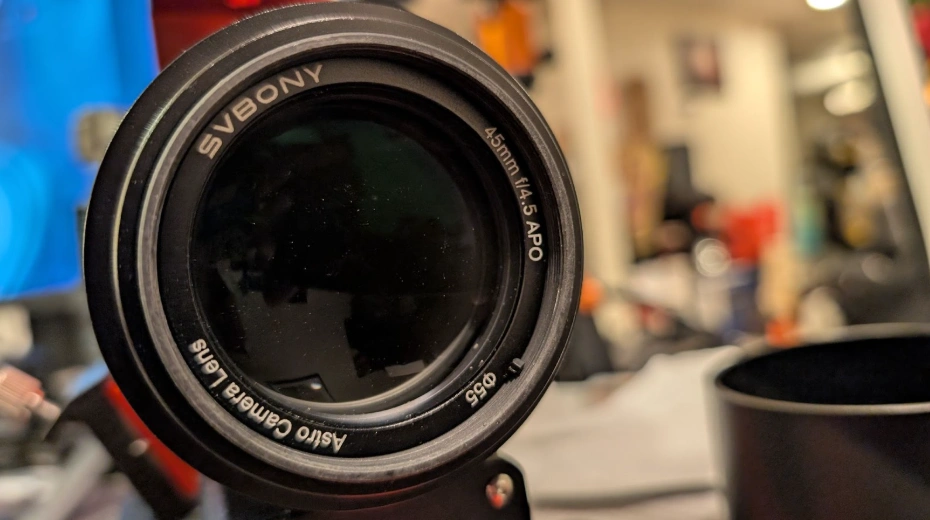
I used the telescope with both a DSLR and a couple of Astrocams (all crop sensor cameras). The moon and the sun looked incredible. They looked crispy, I saw no noticeable chromatic aberrations, and it was easy to focus by hand. Although I wish there was a standard focuser with a 10:1 slow focusing knob, the helical focuser is pretty smooth and it comes with a locking screw which is incredibly handy.
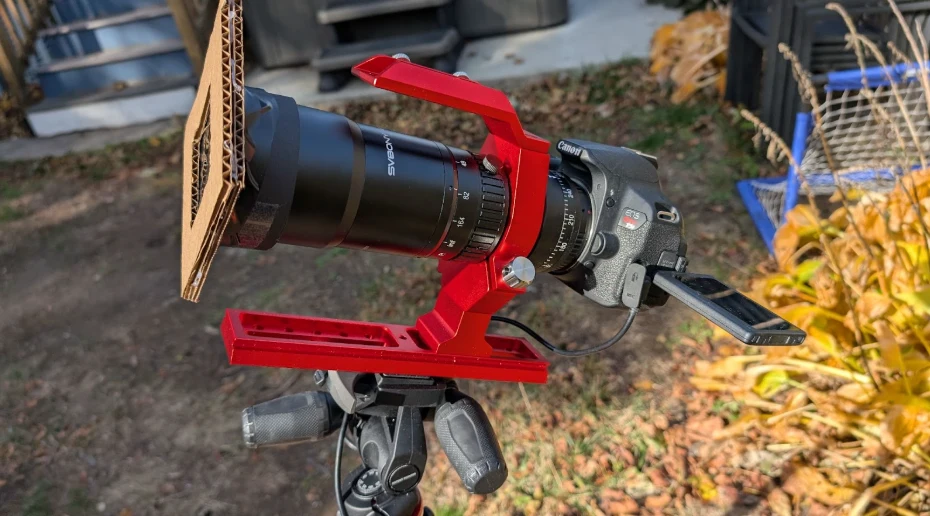
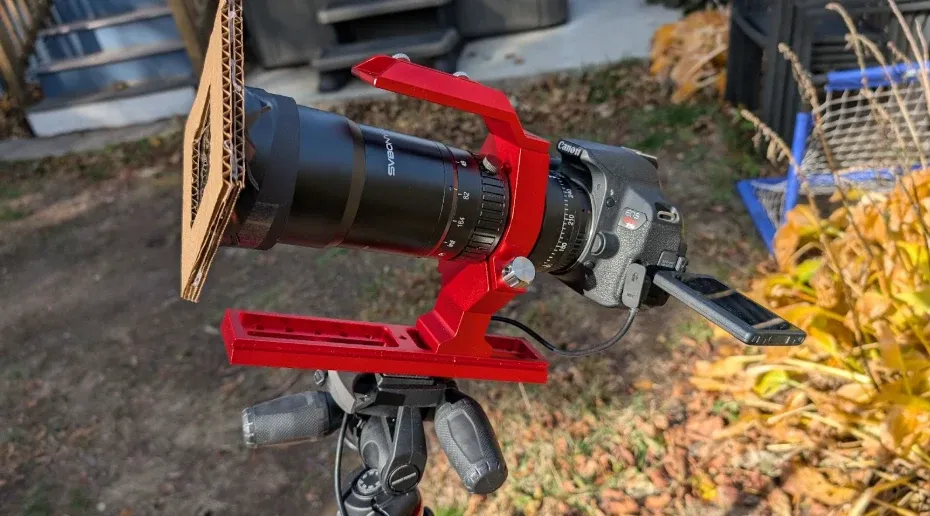
The back of the SV545 has 48mm male threads which is perfect for my EOS to M48 T-ring for my Canon DSLR. Everything screwed right on.
I used a homemade solar filter to take pictures of the sun. I installed the telescope on a standard tripod using the standard ¼” threads that are provided at the bottom of the dovetail plate.
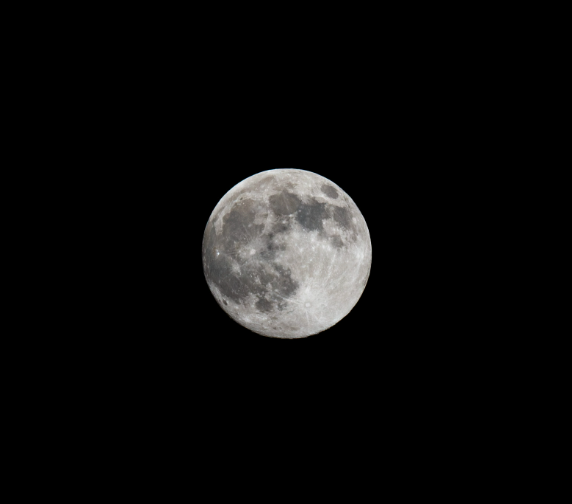
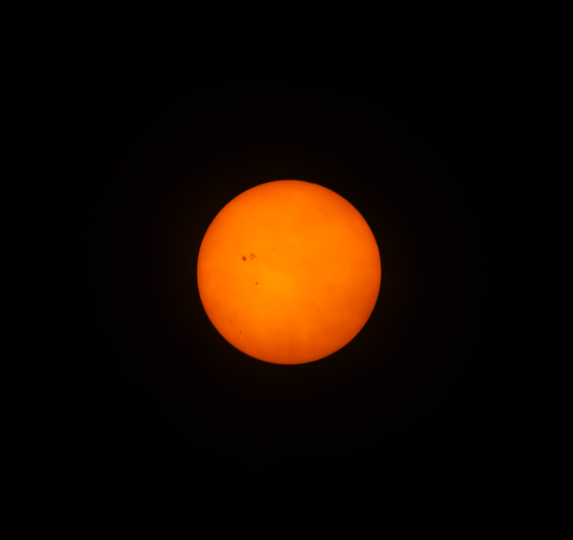 Both sunspots and lunar craters looked amazing through a DSLR.
I also pointed this towards the north and took a bunch of long exposure images for a star trails shot. The stars looked great, even from my Bortle 8 backyard. Since I wasn’t used to shooting at f/4.5, I forgot to adjust my exposure so the background sky is brighter than I’m used to.
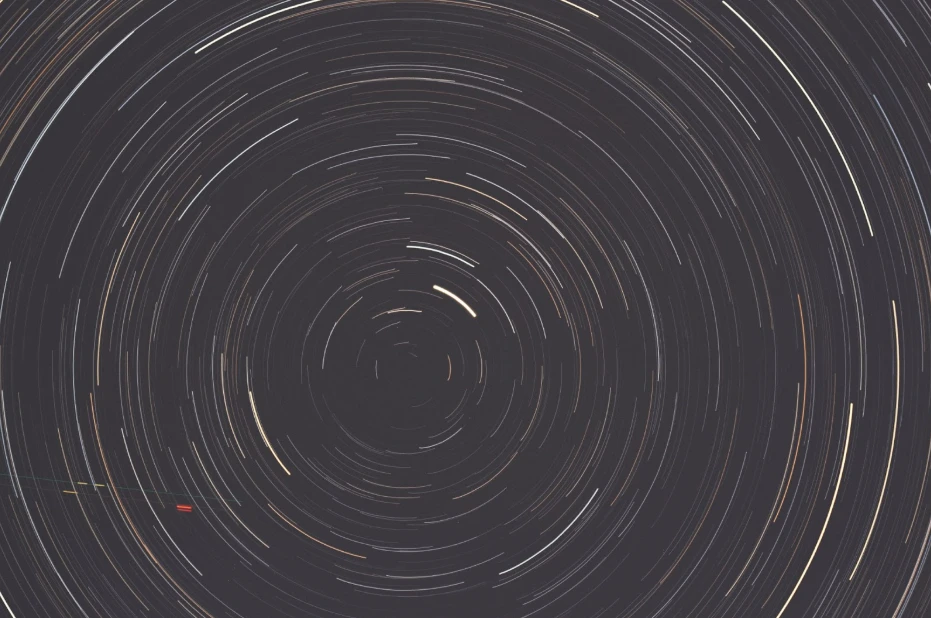
Through a DSLR, the stars looked great, the star colors looked great, and it was easy to focus.
But what about an astrocam? And an electronic focuser?
I’ll answer the EAF question first. The SV545 came with an EAF kit which included a belt and mounting gear so I was able to install my Gemini EAF onto the dovetail plate with ease. My normal EAF is the iOptron iEAF, unfortunately, the placement of the shaft didn’t work with the mounting gear but luckily, the Gemini EAF fit perfectly.
My only other negative (besides not being universally compatible) with the kit is that the belt is a tiny bit loose when fully installed. I wish there was a way to tighten it but since it comes with teeth and the focuser on the SV545 comes with grooves, it all just fits really well, it’s just not perfect. NINA had a perfectly easy time achieving focus and I had sharp stars to the edges.
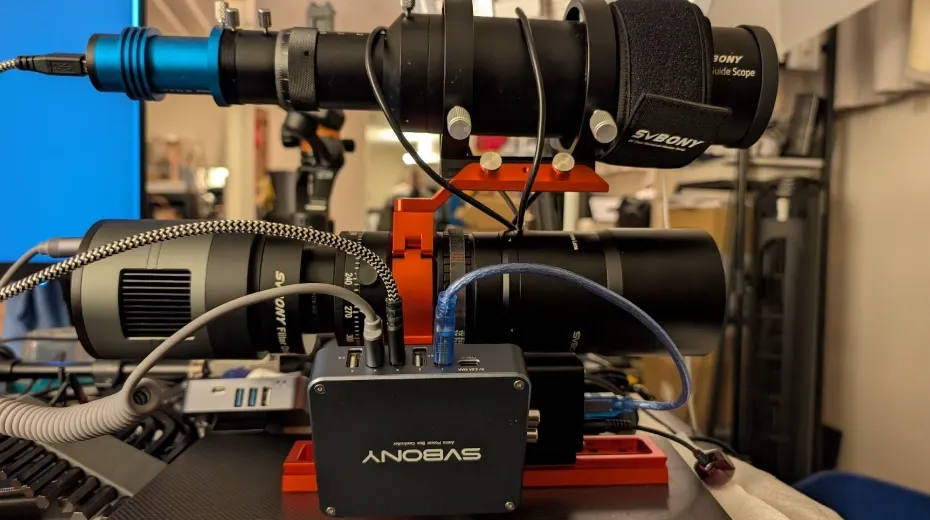
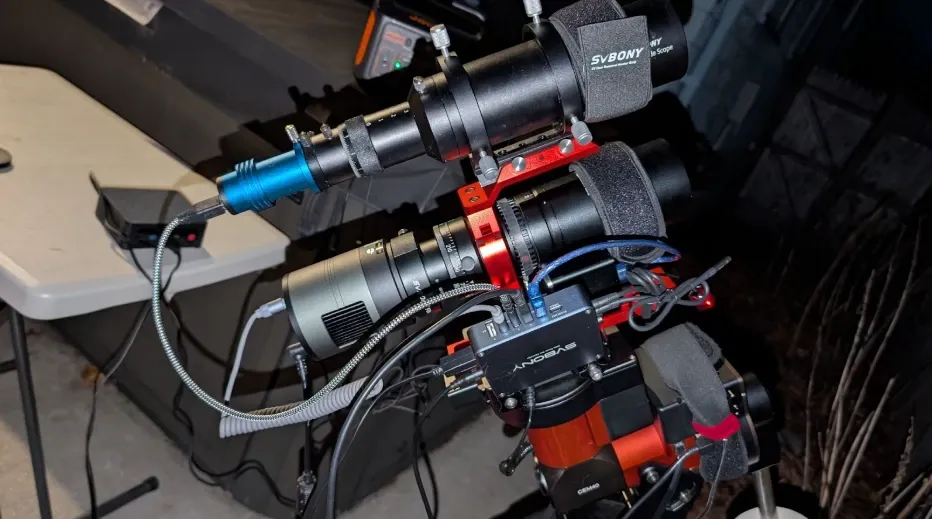
This is what my imaging rig looked like:
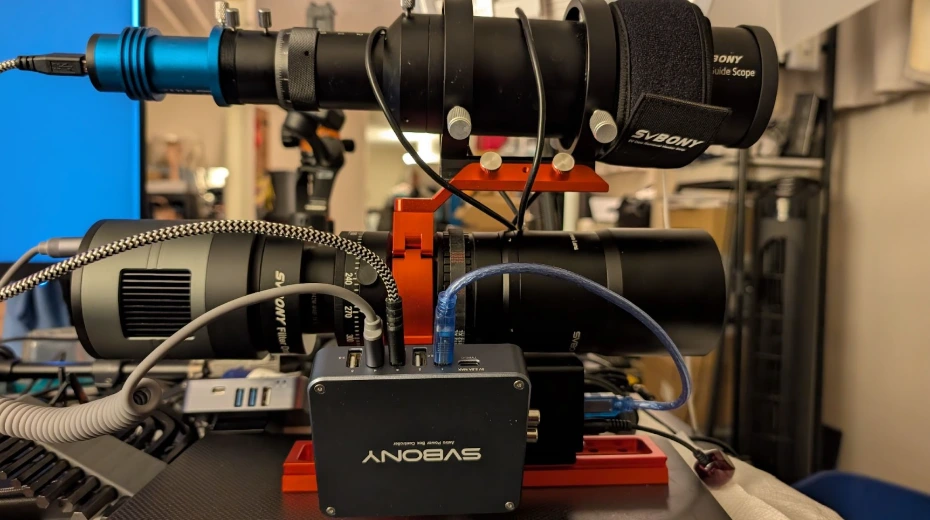
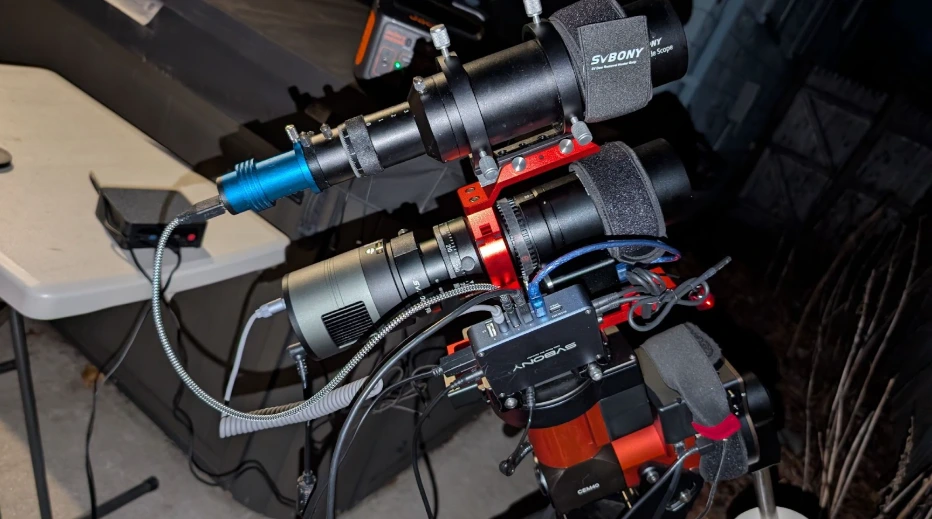
Everything but the Guide Cam, Focuser, and Mount are Svbony products! Including an unreleased Svbony astrocam.
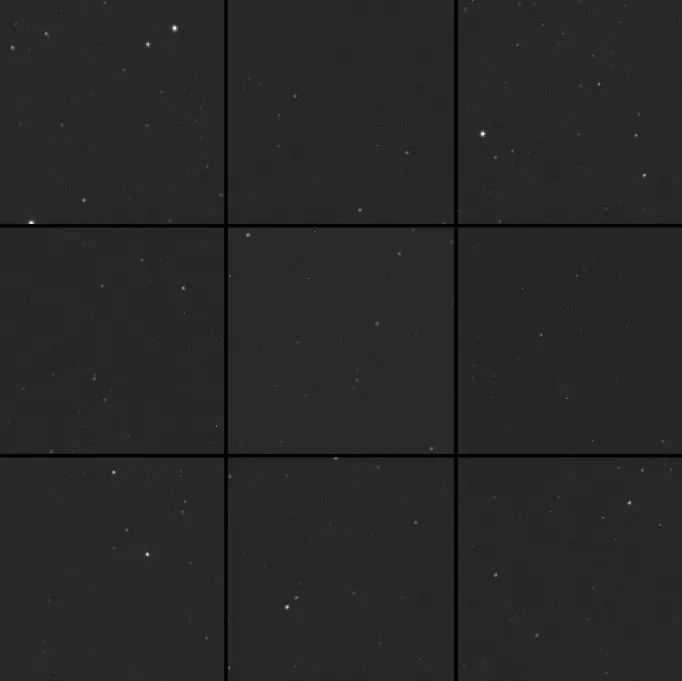
This set up gave me perfect stars corner to corner. Here’s a look at the aberration view:
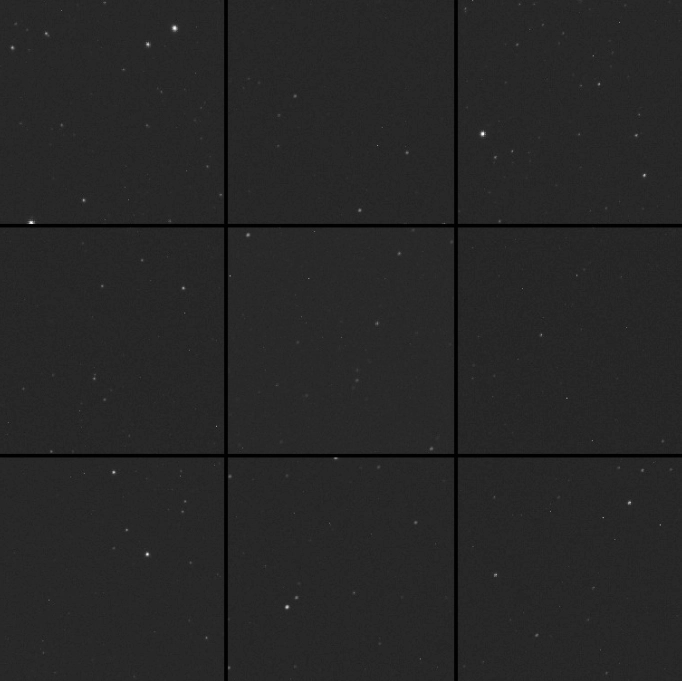
Since it’s such a wide field, the focuser didn’t even have to shift when I switched from the Svbony UV/IR cut filter to the Svbony SV220 7nm filter. The change was only about 30 steps and NINA decided it wasn’t a big enough difference. Next time I’ll use a bigger step size for focusing but it was pretty cool to see. And the stars stayed sharp all the way through.
What do the final images look like? Here they are:
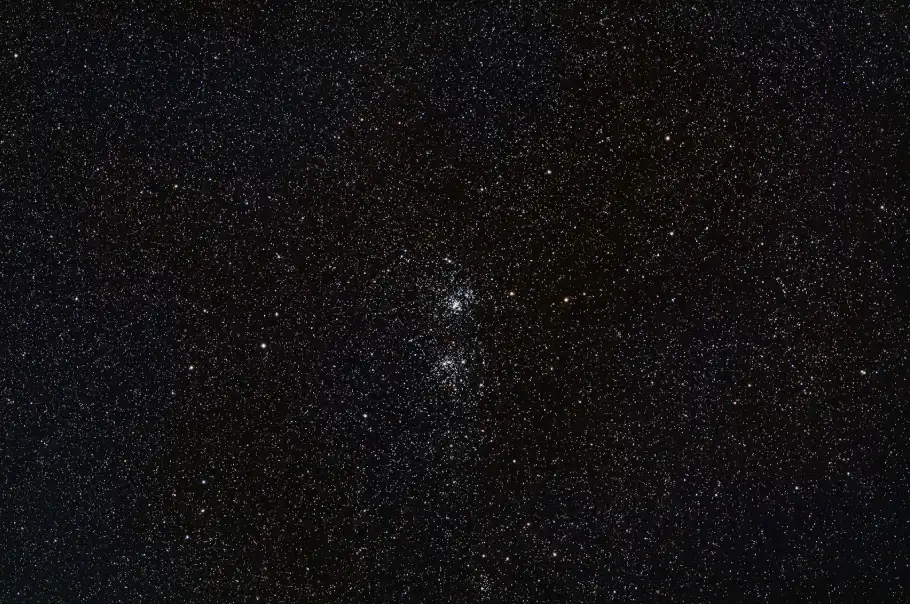
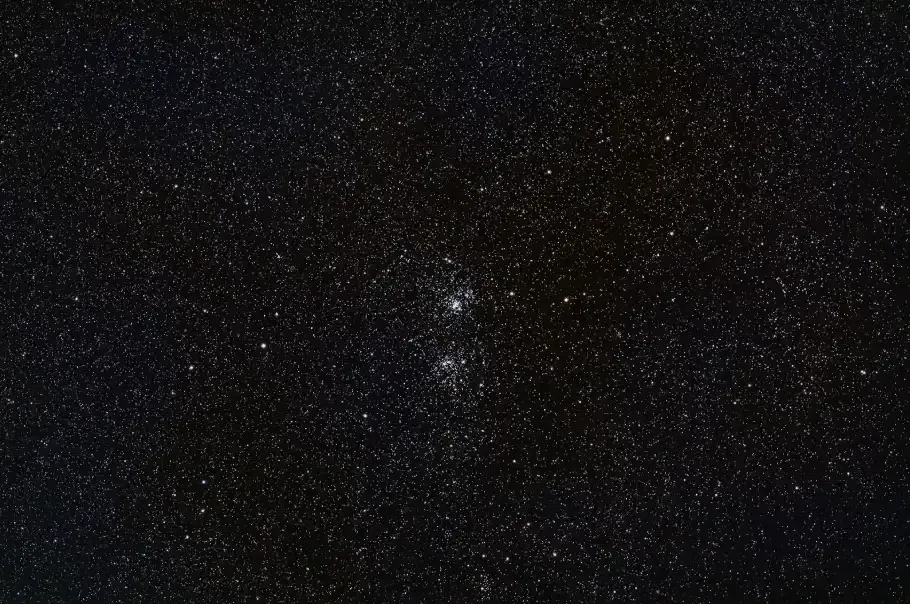
This is the Double Cluster in Perseus, one of my favorites to both observe and image. NGC 869 and NGC 884. This is my go-to for testing and this is one of the widest field images I’ve taken. The stars look great in both shape and color. Of course, a small 202.5mm focal length refractor with 3.76 micron pixels will be undersampled but it still produces great images. A camera with smaller pixels would yield even better results.
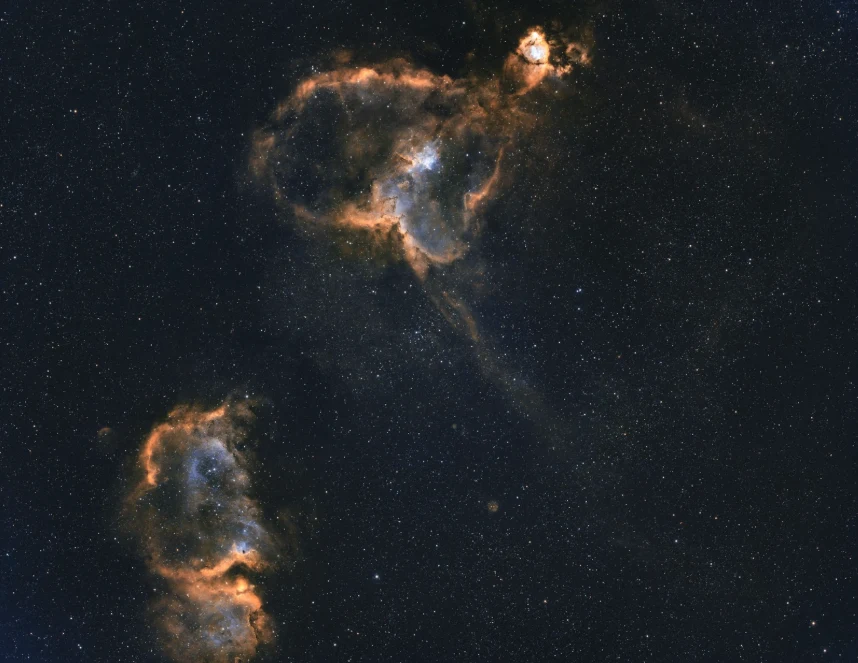
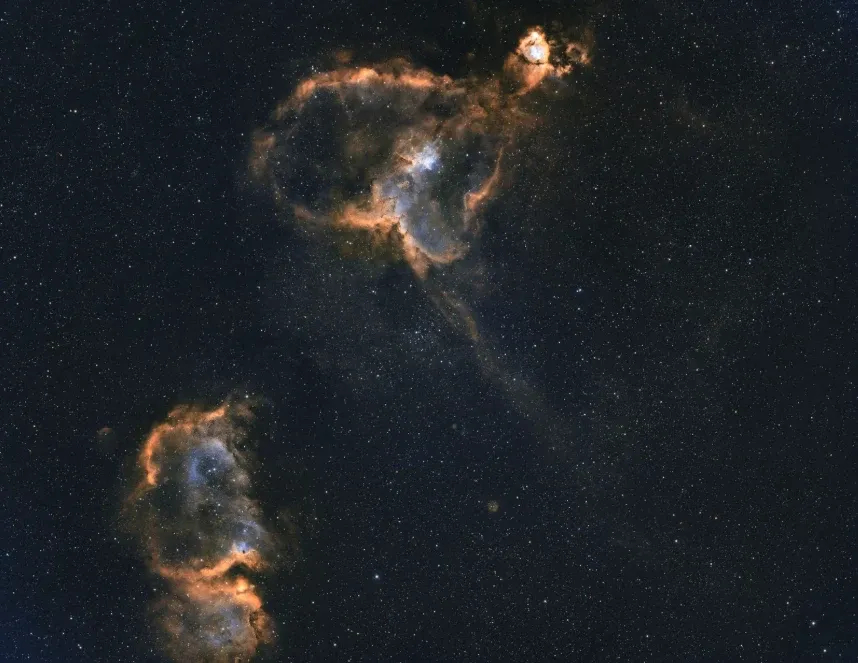
This is the Heart and Soul Nebulae in Cassiopeia. This is actually my first time getting both in frame. I could have framed them a little bit better since the SV545 does come with a camera angle rotator but I didn’t have as much time on this object as I wanted.
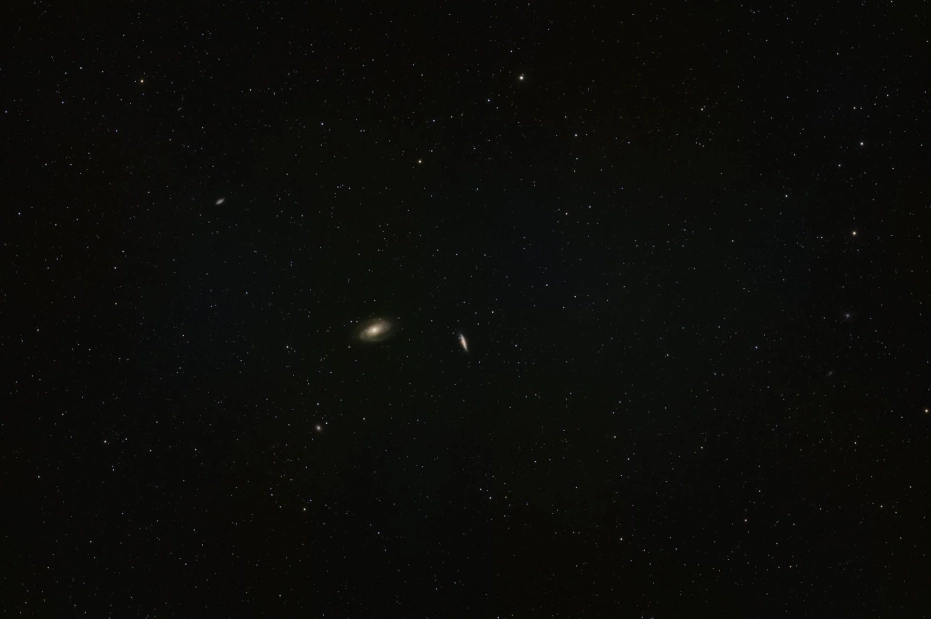
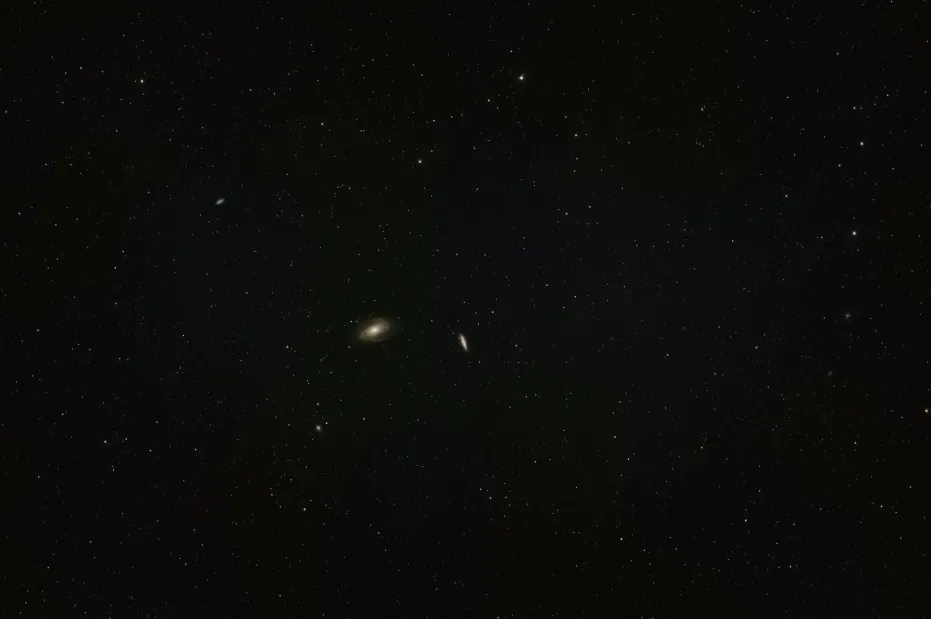
These cute galaxies are M81 and M82. This telescope is not great to get detail on tiny objects but I thought this was a good experiment. There’s actually a ton of faraway galaxies in this image, they’re just hard to see unless you zoom in. But when you do zoom in, the galaxies look pretty good. Galaxies like M31 and M33 will look AMAZING with this scope.

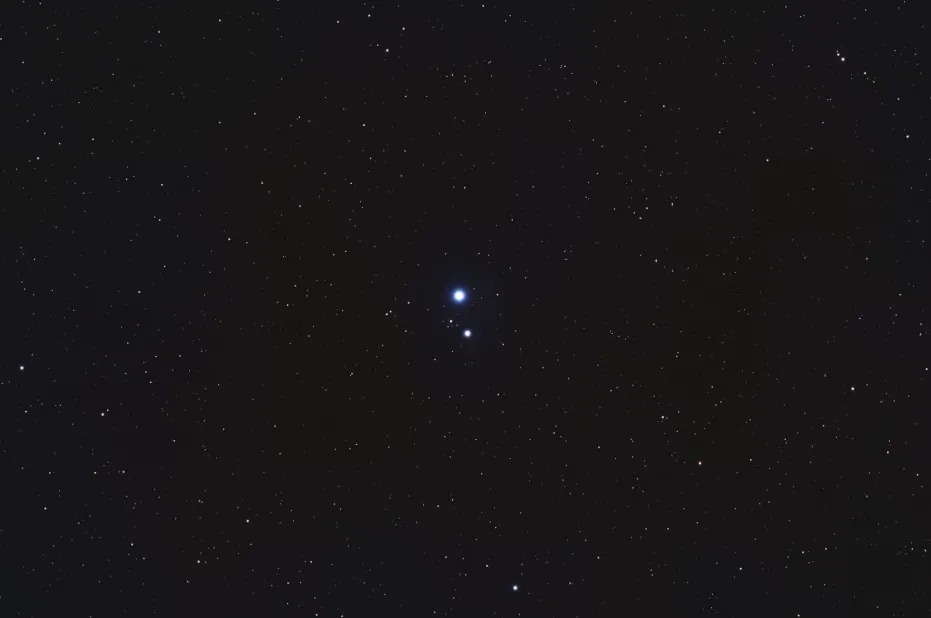
And last but not least, this is Mizar and Alcor. My goto double star system in Ursa Major. The stars looked great and the colors looked great. I was basically looking to see if the SV545 could separate the stars and it could.
All in all, I really like this tiny telescope/camera lens. I can see myself packing this and using it quite often. It has every accessory you need to get started and I think it would make an excellent solar eclipse lens!
In practical testing, the SV545 demonstrated impressive optical performance. Whether capturing the intricate details of sunspots and lunar craters, or conducting wide-field imaging of deep-sky objects such as the Double Cluster and the Heart Nebula, it consistently exhibited excellent field flatness and superior chromatic aberration control. The included EAF modification kit seamlessly integrates with mainstream control software like NINA, enabling precise and reliable autofocus performance.
We firmly believe that truly professional equipment should lower the barrier to entry rather than raise it. As such, the SV545 astro camera lense is designed to accommodate both rigorous deep-sky astrophotography and effortless adaptation for everyday use as a telephoto camera lens. This product not only represents our continued advancement in optical technology but also embodies our deep understanding of the diverse creative needs of our users.
Once again, we extend our sincere gratitude to Nazmus Nasir and all the astrophotography enthusiasts who participated in the testing. Your professional feedback has been invaluable in driving our continuous improvement. Explore without limits, see without boundaries. Svbony journeys with you.



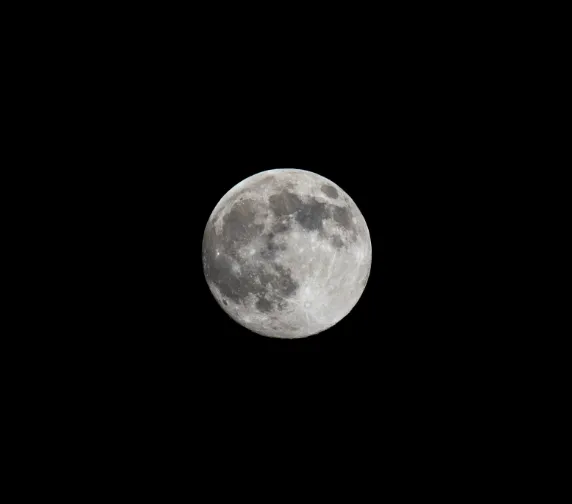
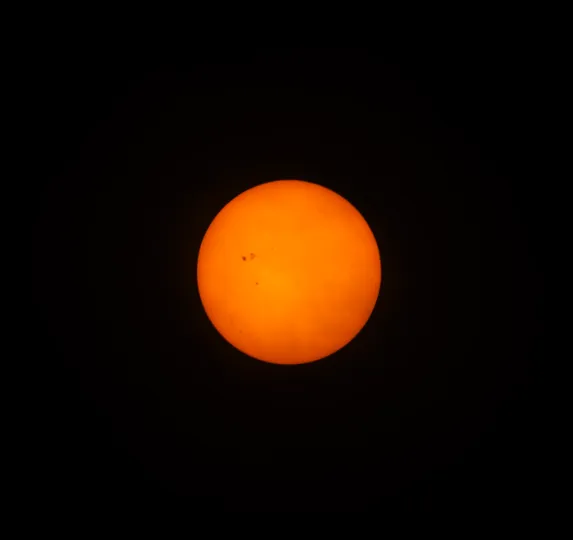 Both sunspots and lunar craters looked amazing through a DSLR.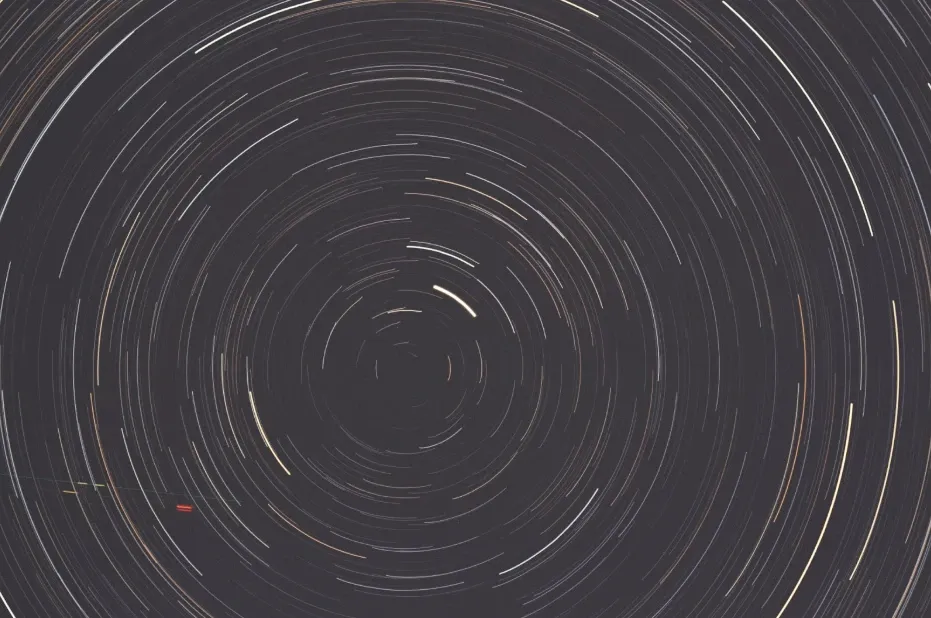
 Google
 Amazon
There are no customer reviews yet . Leave a Reply !