

 @AstroBassDee
 20
@AstroBassDee
20
20
@AstroBassDee
20
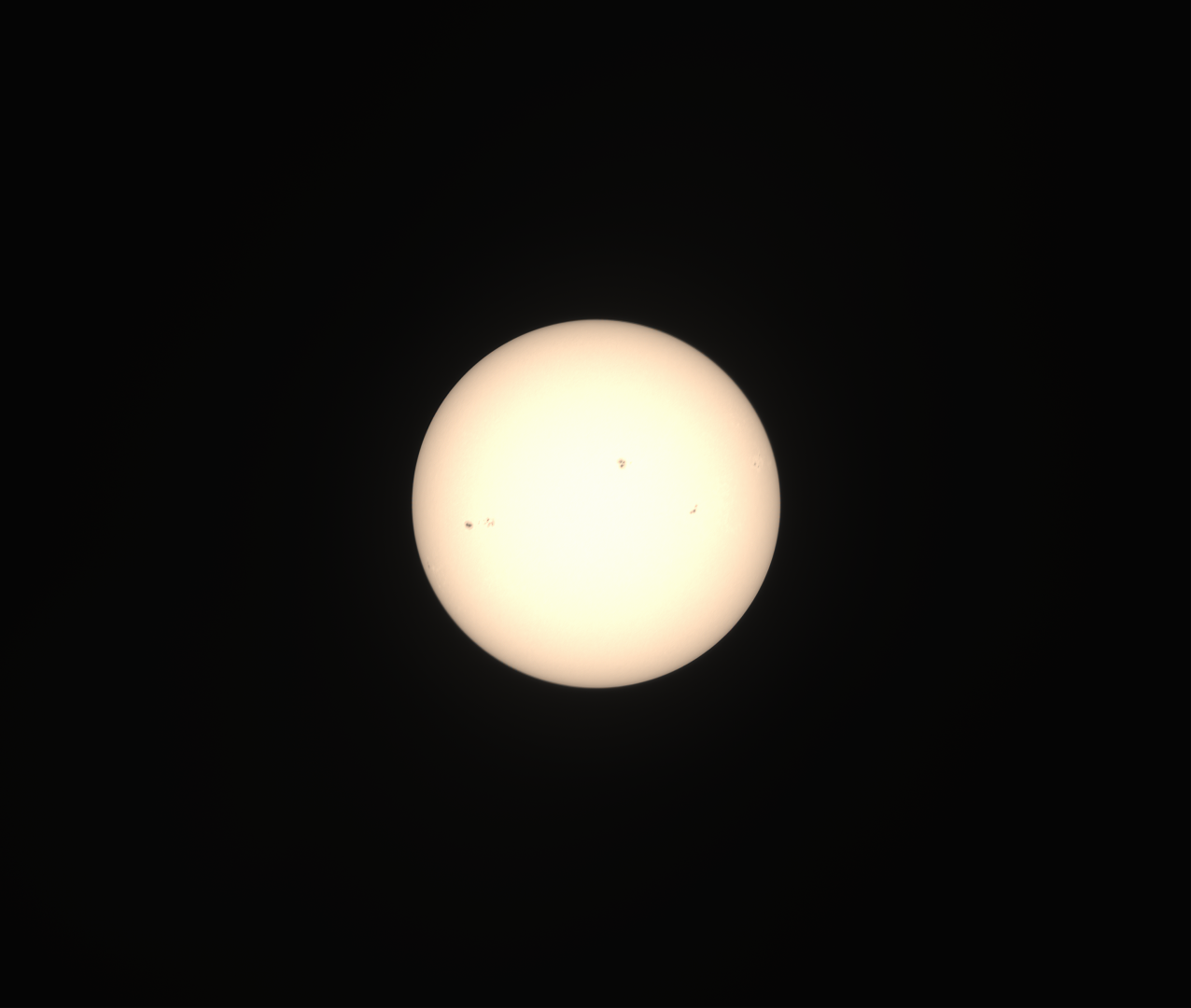
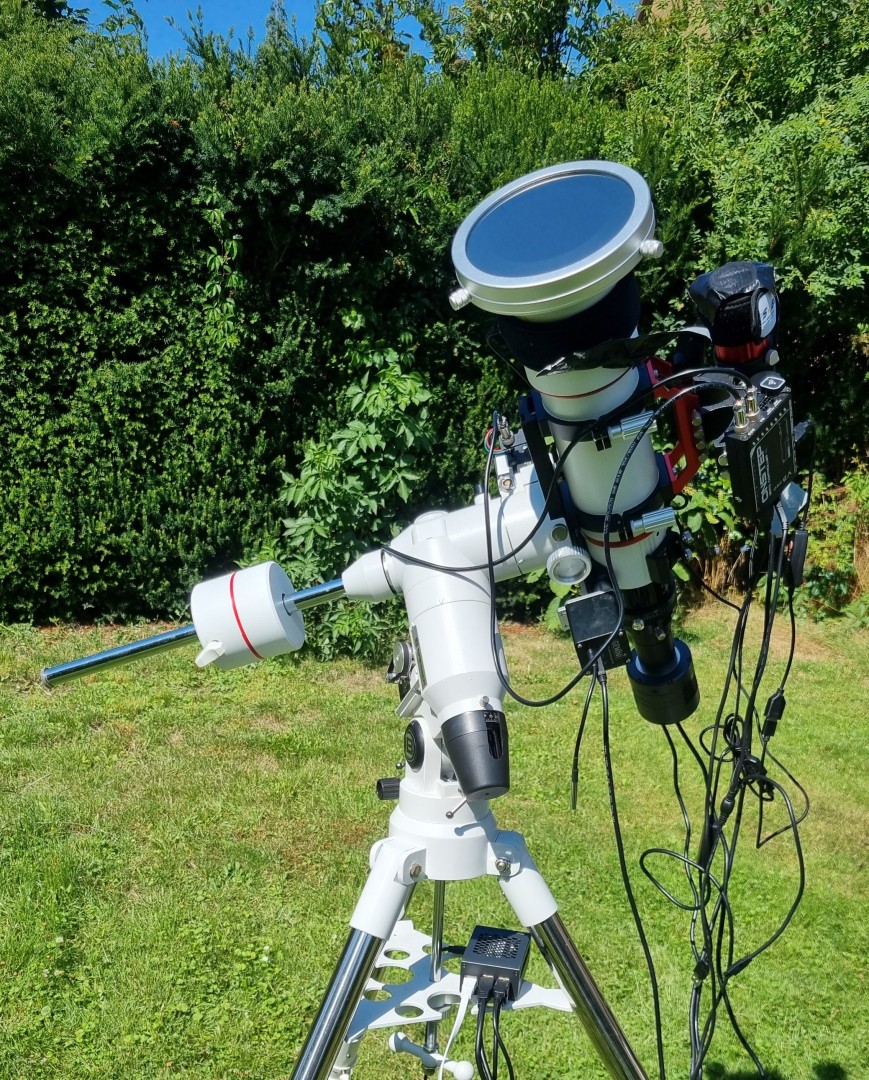
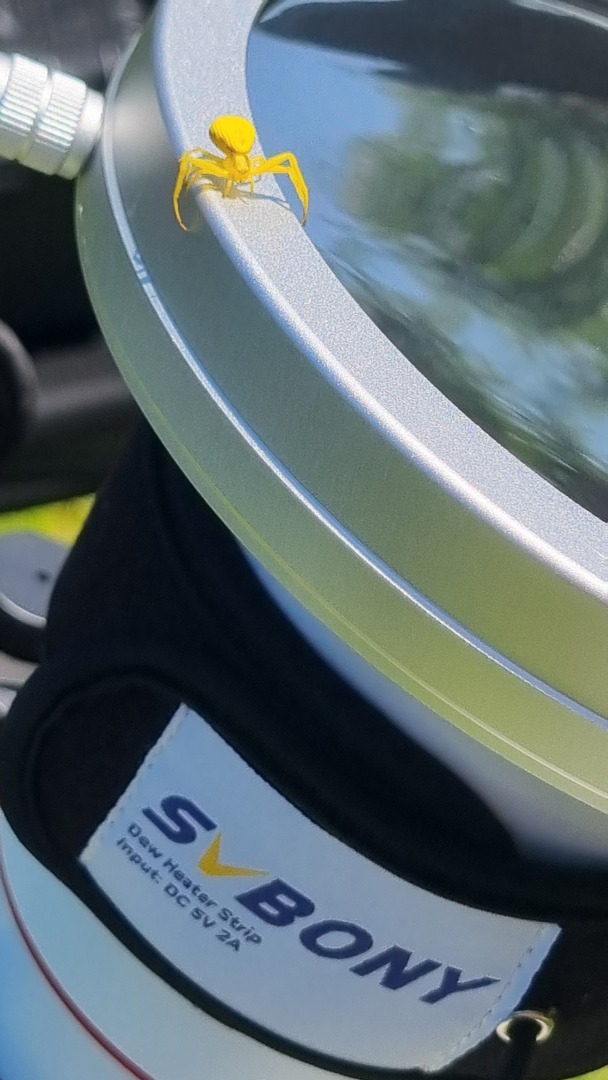
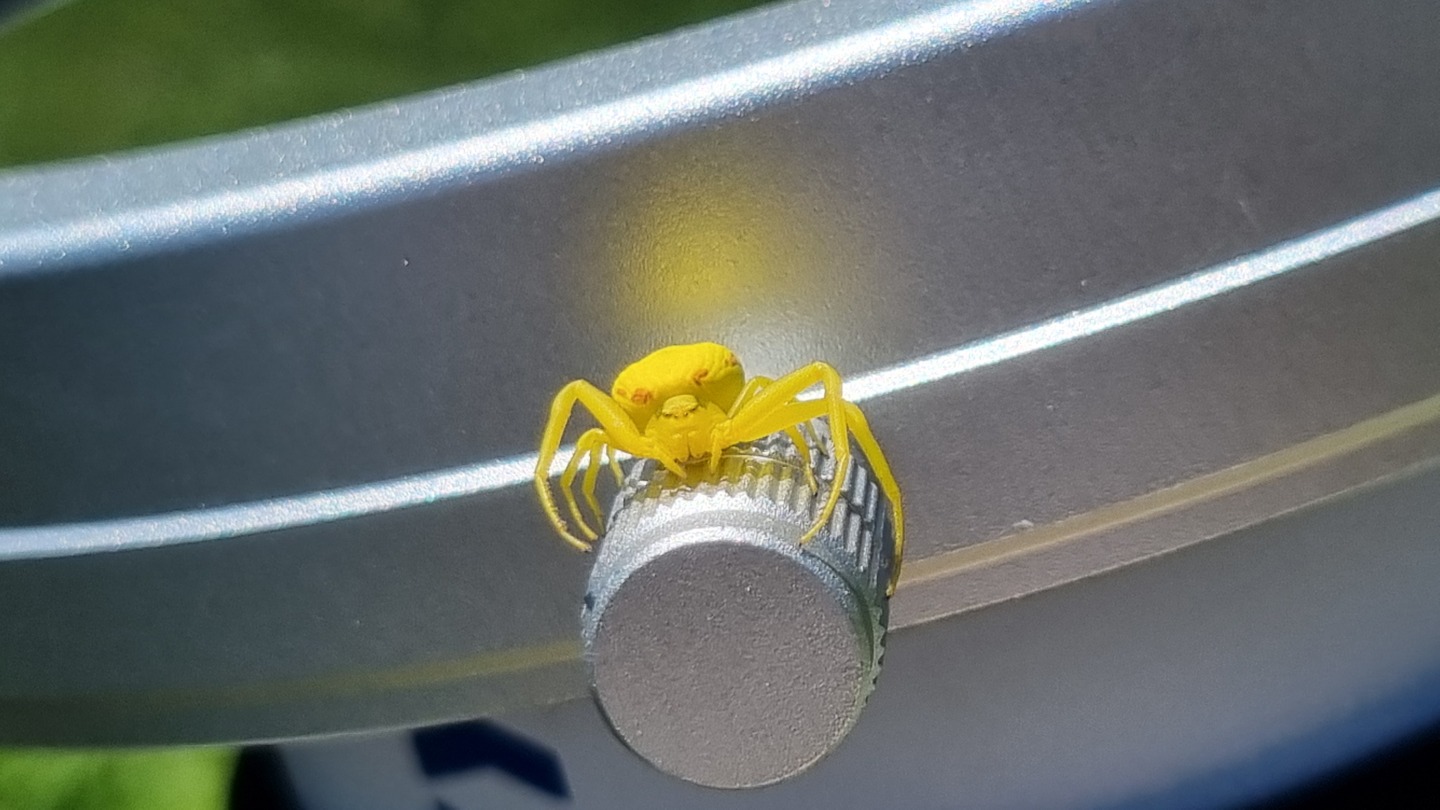
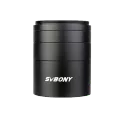
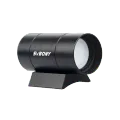
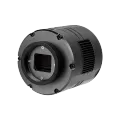
Getting Ready for the Partial Solar Eclipse of 12 August 2026 On the 12th of August, Germany gets a deep partial solar eclipse. Depending on where you are, the Moon covers between 84 and 92 percent of the Sun. Here in Lower Saxony it will be around 85 percent. What makes it special is the timing, because the whole event falls into the evening twilight. The eclipsed Sun will sit low in the west-northwest, only a handful of degrees above the horizon, close to sunset. That low altitude changes a lot, so I wanted to test the whole imaging chain in daylight first, well before the day itself. My setup Telescope: SVBONY SV550 80ED (80/480 apo triplet, f/6) Camera: SVBONY SV405CC (Sony IMX294 OSC), cooled Solar Filter: SVBONY SV229 Solar Finder: SVBONY Solar Finder Scope Mount: Bresser EXOS-2 with OnStep kit Focuser: Gemini autofocuser Control: Raspberry Pi 5 running EKOS / KStars The test run For white-light solar work the approach is completely different from my usual deep-sky sessions. Instead of long exposures I went for short ones and a lot of frames, the lucky imaging way. I recorded a FITS series of 60 frames at 0.01 seconds exposure, gain 0 and offset 20, with the sensor cooled to 0 °C. The trick with the Sun is to keep the exposure low enough that the disk is bright but not clipped, so there is still detail in the sunspots. Watching the histogram rather than the live view is the safer guide here. From there the frames went into AutoStakkert with Surface Stabilization, aligning on the solar surface with alignment points spread across the disk, stacking the best frames. Then a careful pass in RegiStax over the first few wavelet layers to bring out the structure. Restraint pays off, because pushing the wavelets too far gives you bright halos around the spots and a grainy surface. The final image shows several sunspot groups with clearly separated umbra and penumbra, along with the natural limb darkening of the disk. What the test taught me for eclipse day A few things came out of this run that will matter on the 12th. The exposure I used for the high midday Sun will not carry over to the low evening Sun, because at five to ten degrees altitude the light passes through far more atmosphere and gets dimmed and reddened. I will have to re-adjust the exposure as the Sun sinks, and even out the differences later in processing. On the mount I switched from the sidereal to the solar tracking rate. The Sun moves slightly differently against the stars than a fixed point does, and over the minutes of a session the disk would slowly drift out of frame otherwise. Guiding is not needed here at all. In daylight there are no guide stars to lock onto, and the solar tracking rate holds the disk steady enough on its own, so the guide scope stays in the case. The SVBONY Solar Finder Scope turned out to be a real help. Aiming a telescope at the Sun is otherwise a guessing game, because you obviously do not want to sight along the tube or look through a finder pointed at it. The solar finder projects the Sun onto a small screen, so lining up is quick and safe. One important note that always bears repeating. Never look at or image the Sun without a proper solar filter. The filter goes in front of the aperture and has to sit firmly, so it cannot slip or be knocked loose. The SV229 fits over the front of the tube, and I make a point of checking it before every session and after every slew. An unexpected guest One of the photos of the rig caught a beautiful visitor. A bright yellow crab spider had settled on the gear, a goldenrod crab spider (Misumena vatia). This species can slowly change its color between white and yellow over a few days to match the flower it hunts on, waiting motionless for its prey. A nice little bit of nature to find while setting up for an astronomical event. Looking ahead Now it comes down to the weather. With the Sun this low, a clear view toward the west-northwest is everything, and a single bank of cloud on the horizon could take the whole thing away. I have the imaging chain working, the filter secured and the tracking sorted, so the rest is up to the sky. Fingers crossed for clear conditions on the 12th, and I will report back with the result.IG: @AstroBassDee
My name is Sebastian, and online I go by @AstroBassDee. I've been doing deep-sky astrophotography for about a year now, imaging from Lower Saxony in Germany. My setup is a cooled SVBONY rig built around the SV550 80ED and the SV405CC. This time I moved away from the deep sky for a bit, because there's a deep partial solar eclipse coming up over Germany on the 12th of August, and I wanted to have my solar setup dialed in well before the day.

 Google
 Amazon
No data Yet