

Table of Contents
2026 Astronomical Events
Want to know what’s happening in the night sky in 2026? Here is a month-by-month astronomical guide covering all the noteworthy celestial events - from close encounters between the Moon and planets to solar eclipses, lunar eclipses, and major meteor showers.
Astronomical Events in January 2026
January 3:Full Moon, Supermoon
At that time, the Moon will be located on the side of the Earth opposite the Sun, with its near side fully illuminated. This phenomenon occurs at 10:04 UTC. Early Native American tribes called this full moon the "Wolf Moon" because at this time of year, hungry wolf packs would howl outside their camps. This full moon is also known as the "Old Moon" or the "Moon After the Winter Solstice." It is also the first of three supermoons in 2026. At that time, the Moon will be near its closest point to Earth and may therefore appear slightly larger and brighter than usual.
January 3rd-4th:Quadrantid Meteor Shower
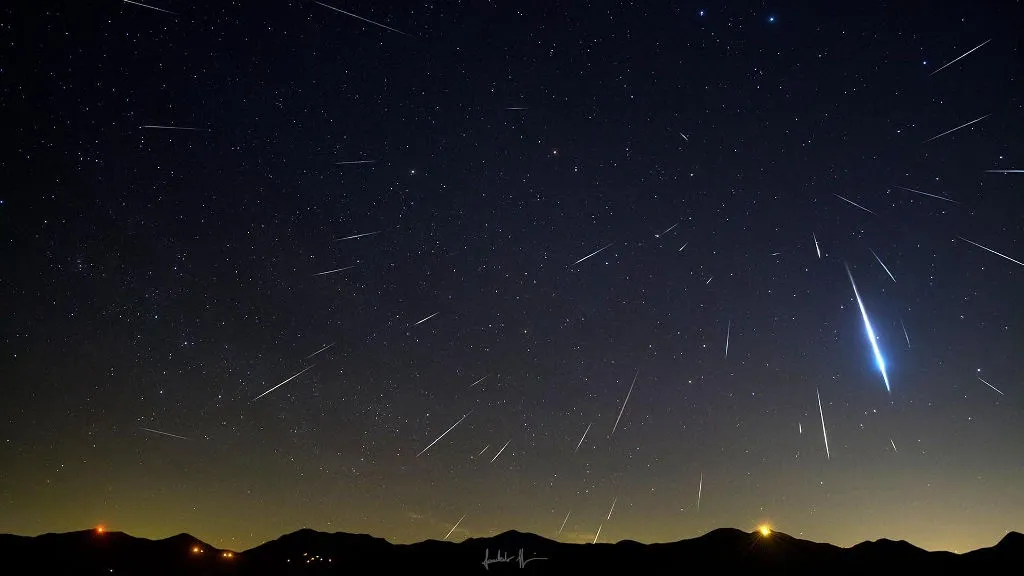
The first major meteor shower of the year is the spectacular Quadrantid Meteor Shower, which will peak during the night of January 3rd to 4th. Under ideal observing conditions, the Quadrantids can produce dozens of meteors per hour. Unfortunately, this year's viewing conditions are less than ideal, as the peak coincides with a full moon. However, if you are patient enough, you may still have a chance to spot some of the brighter meteors.
January 10th:Jupiter at Opposition
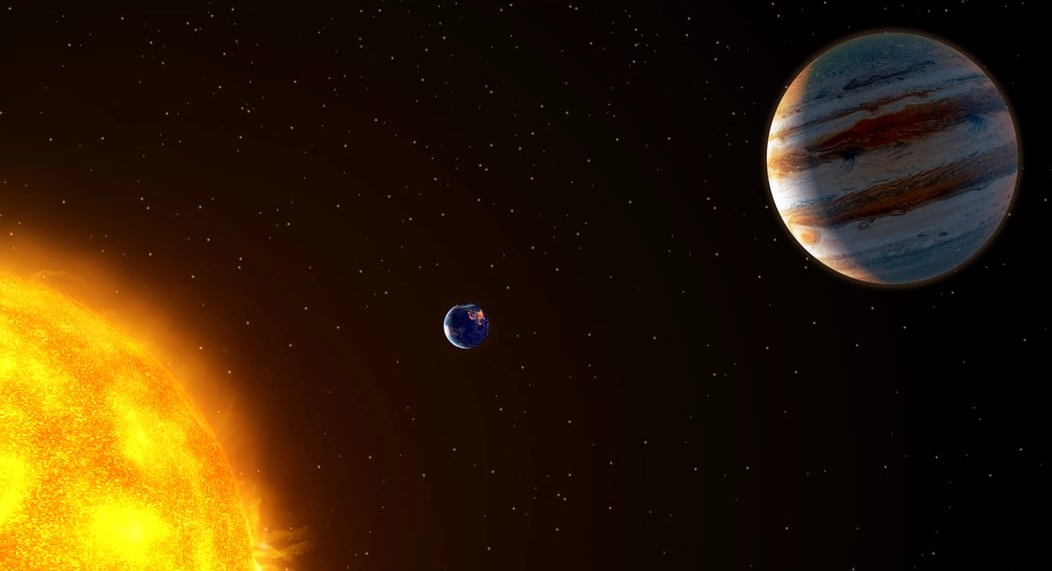
The giant planet will reach its closest approach to Earth, with its sun-facing side fully illuminated. Jupiter will appear brighter at this time than at any other point in the year and will be visible throughout the night. This is the best opportunity to observe and photograph Jupiter and its moons. A astronomical telescope should allow you to observe some details of Jupiter's cloud bands. A good pair of binoculars should enable you to see Jupiter's four largest moons, which will appear as bright dots on either side of the planet.
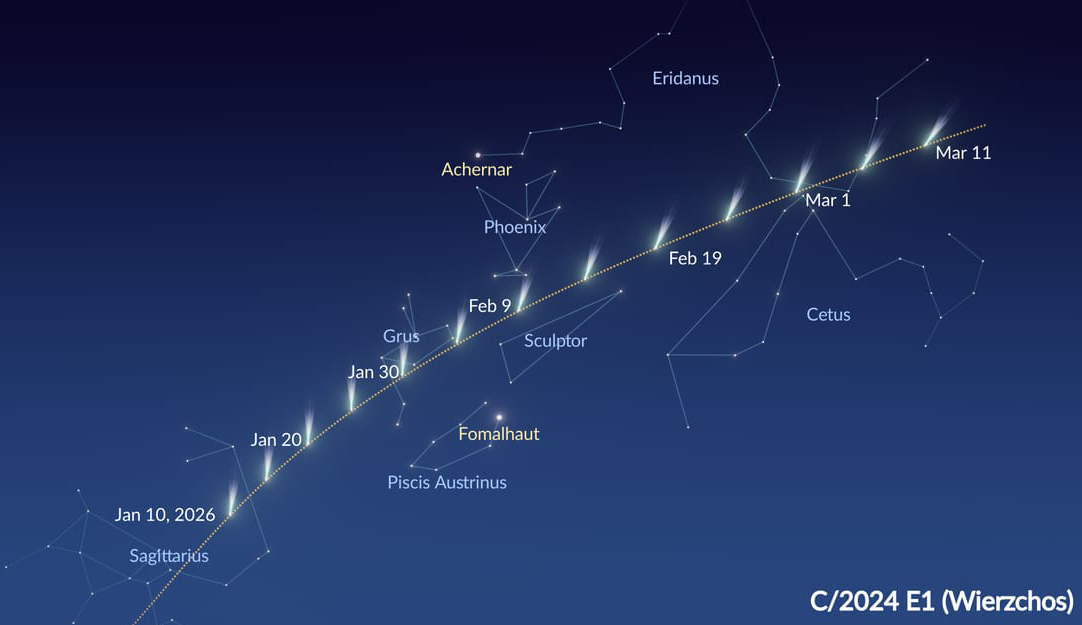
 January 20:C/2024 E1 (Wierzchos) Reaches Perihelion
On January 20, Comet C/2024 E1 (Wierzchos) will reach its perihelion. Observers in the Southern Hemisphere are expected to be able to view it with binoculars. Under the most optimistic estimates, its brightness may reach around magnitude 5, making it easily observable even with small binoculars.
 All Events:
- January 1: The waxing gibbous Moon (in the zodiac constellation Taurus) approaches the bright star Aldebaran, best observed in the evening.
- January 3: The year's first full Moon (a supermoon) rises in Gemini, also known as the "Wolf Moon."
- January 3: The waxing gibbous Moon (nearly full) approaches bright Jupiter in Gemini.
- January 3-4: The Quadrantid meteor shower peaks at night, with some bright meteors visible despite interference from the full Moon.
- January 4: The waxing gibbous Moon (nearly full) is close to the twin star Castor in Gemini, with Jupiter also visible nearby.
- January 4: Comet 24P/Schaumasse reaches its closest approach to Earth, with an estimated brightness of magnitude 7.8, requiring a telescope for observation.
- January 5: The waxing gibbous Moon approaches the Beehive Cluster in Cancer.
- January 6: The waning gibbous Moon passes close to the bright star Regulus in Leo, with a lunar occultation visible in some regions.
- January 8: Comet 24P/Schaumasse reaches perihelion, with an expected brightness of magnitude 7.7.
- January 10: Jupiter is at opposition, visible all night at its brightest for the year, located in Gemini.
- January 10: The first quarter Moon approaches the bright star Spica in Virgo.
- January 14: The waning crescent Moon passes very close to the red star Antares in Scorpius, with a lunar occultation visible in Australia.
- January 20: Comet C/2024 E1 (Wierzchos) reaches perihelion, potentially visible with binoculars from the Southern Hemisphere.
- January 23: The waxing crescent Moon approaches Saturn in Pisces and later Neptune (optical aid required for Neptune).
- January 27: The waxing gibbous Moon approaches the Pleiades star cluster in Taurus, with a lunar occultation visible in parts of Europe, Africa, the Middle East, and West Asia.
- January 27: On the same day, the Moon also approaches Uranus (telescope required for observation).
- January 28: The waxing gibbous Moon approaches Aldebaran in Taurus again, prominent in the evening twilight.
- January 31: The waxing gibbous Moon approaches Jupiter and the star Castor again in Gemini.
Astronomical Events in February 2026
February 1:Full Moon
At this time, the Moon is located on the opposite side of the Earth from the Sun, and its front side will be fully illuminated. This moment occurs at 20:11 Coordinated Universal Time. Early Native American tribes referred to this full moon as the "Snow Moon."
February 17: Annular Solar Eclipse
When the Moon is too far from Earth to completely cover the Sun, an annular solar eclipse occurs. This creates a ring of light around the obscured Moon. Unfortunately, this annular eclipse will only be visible in Antarctica and the southern Indian Ocean. A partial solar eclipse will be visible in southern Argentina and Chile, as well as most of southern Africa.
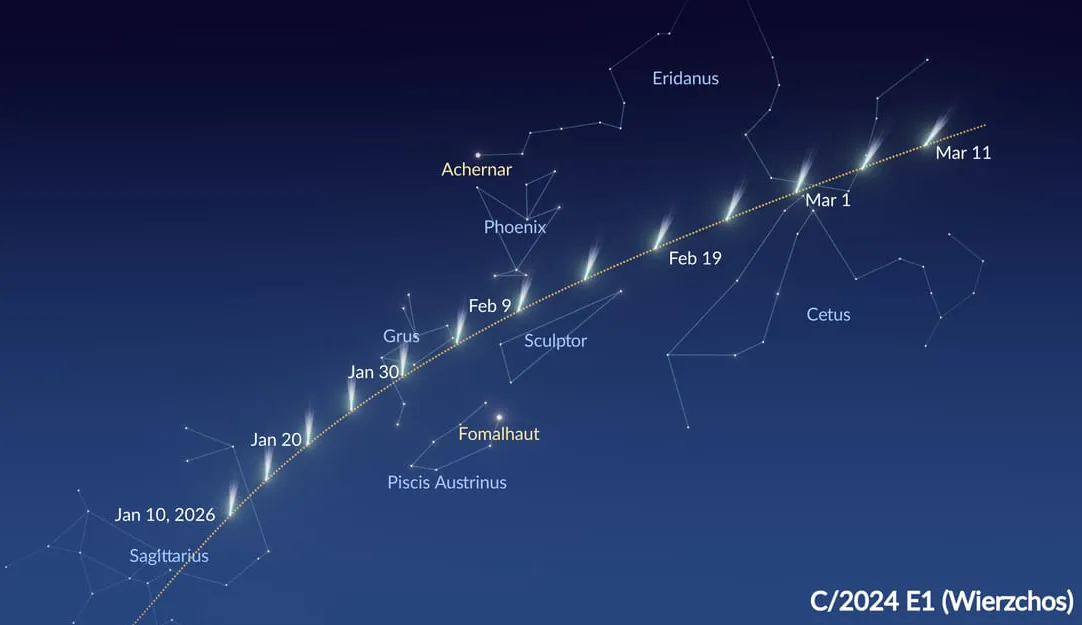
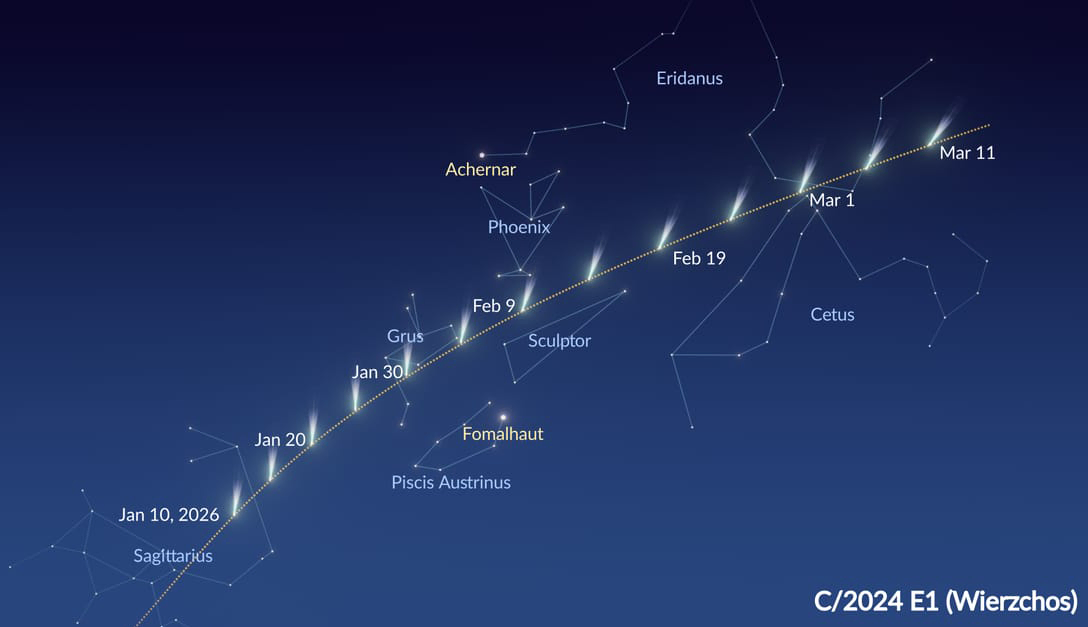
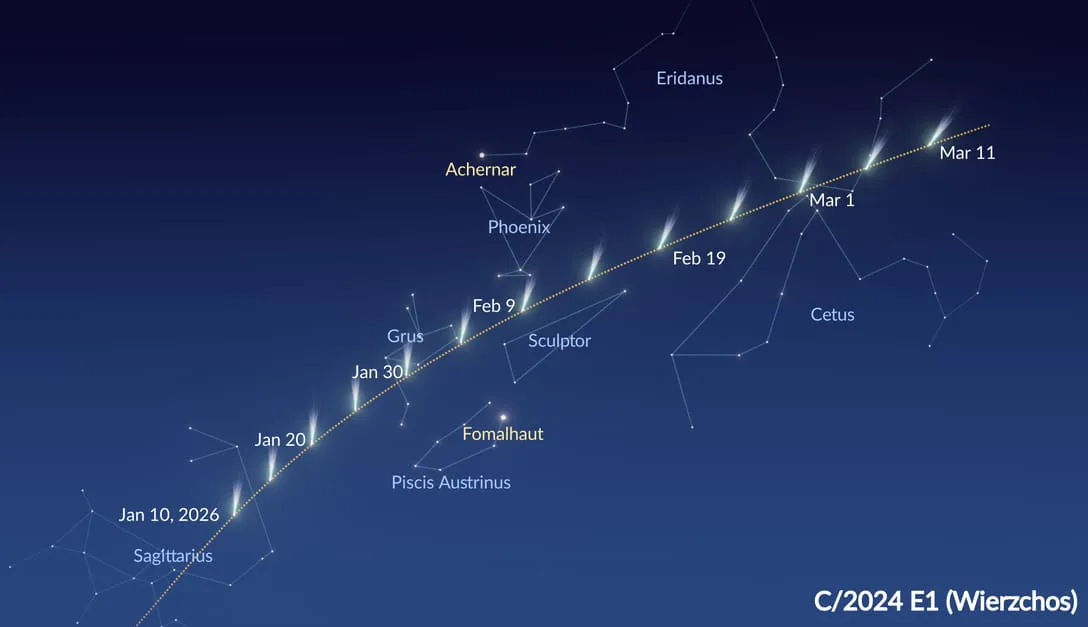
February 17: C/2024 E1 (Wierzchos) gets closest to Earth
On February 17, Comet C/2024 E1 (Wierzchos) will make its closest approach to Earth. Around this date, the comet will become visible to observers in the Northern Hemisphere. It will have a magnitude of about 8 and will appear very low above the southwestern horizon about an hour after sunset. Use powerful binoculars or a small telescope for observation.
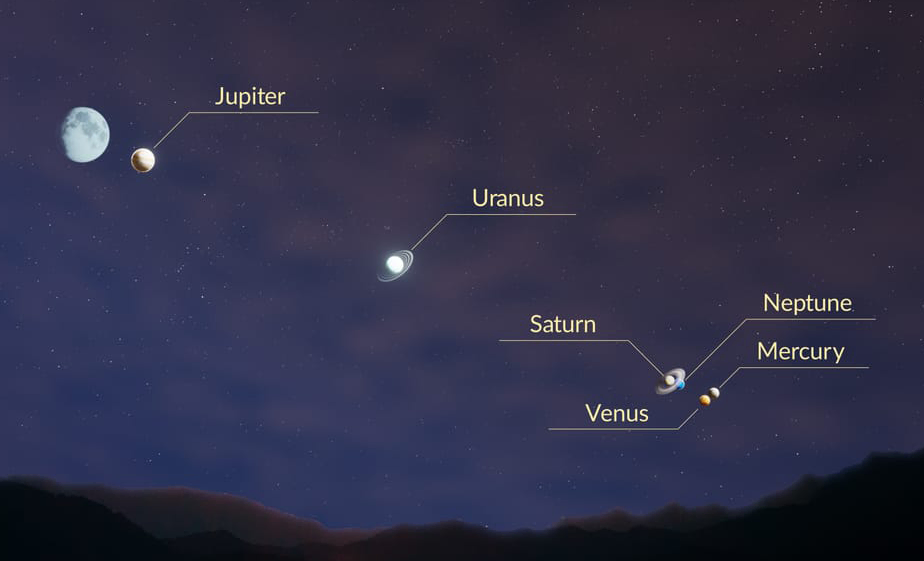
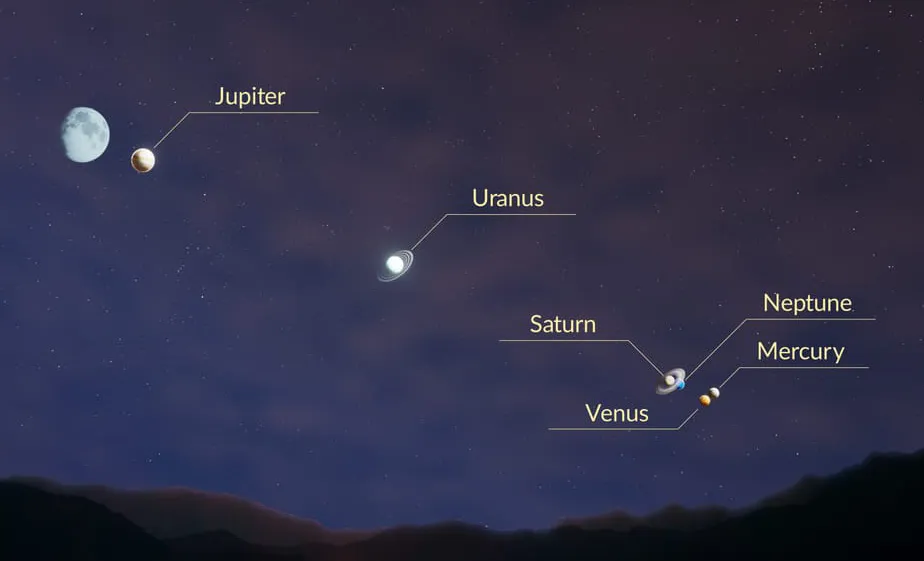
 February 28: Six-planet alignment
Around February 28, six planets - Jupiter, Uranus, Saturn, Neptune, Venus, and Mercury - will line up in a rare planetary alignment. You can see the planets about an hour after sunset on the western horizon. Jupiter, Saturn, Venus, and Mercury will be bright enough to spot with the naked eye, while binoculars or a small telescope can help you find Uranus and Neptune.
 All Events:
- February 1: The full Moon (traditionally called the Snow Moon) is in Cancer, near the Beehive Cluster.
- February 3: The nearly full Moon passes extremely close to the bright star Regulus in Leo, with an occultation visible across much of North America and parts of West Africa.
- February 7: The waxing gibbous Moon approaches the bright star Spica in Virgo.
- February 11: The waning crescent Moon passes close to the red star Antares in Scorpius, with an occultation visible from parts of Antarctica and several southern islands.
- February 17: An annular solar eclipse occurs, with the "ring of fire" visible only from Antarctica and partial phases from parts of South America and southern Africa.
- February 17: Comet C/2024 E1 (Wierzchos) makes its closest approach to Earth, becoming visible in the Northern Hemisphere with optical aid.
- February 18: A very thin crescent Moon passes extremely close to Mercury in Aquarius, with an occultation visible from parts of the Americas, Australia, and New Zealand.
- February 19: Mercury reaches its greatest eastern elongation, making it well placed for evening observation in Aquarius.
- February 19: The young crescent Moon passes near Saturn and Neptune in Pisces (Neptune requires optical aid).
- February 23: The waxing crescent Moon approaches Uranus in Taurus (telescope recommended).
- February 24: The waxing crescent Moon passes near the Pleiades star cluster in Taurus.
- February 27: The waxing gibbous Moon approaches Jupiter and the star Castor in Gemini.
- February 28: The waxing gibbous Moon passes near the Beehive Cluster in Cancer.
- February 28: Six-Planet Alignment - Jupiter, Uranus, Saturn, Neptune, Venus, and Mercury will form a rare line in the sky.
Astronomical Events in March 2026
March 3: Full Moon
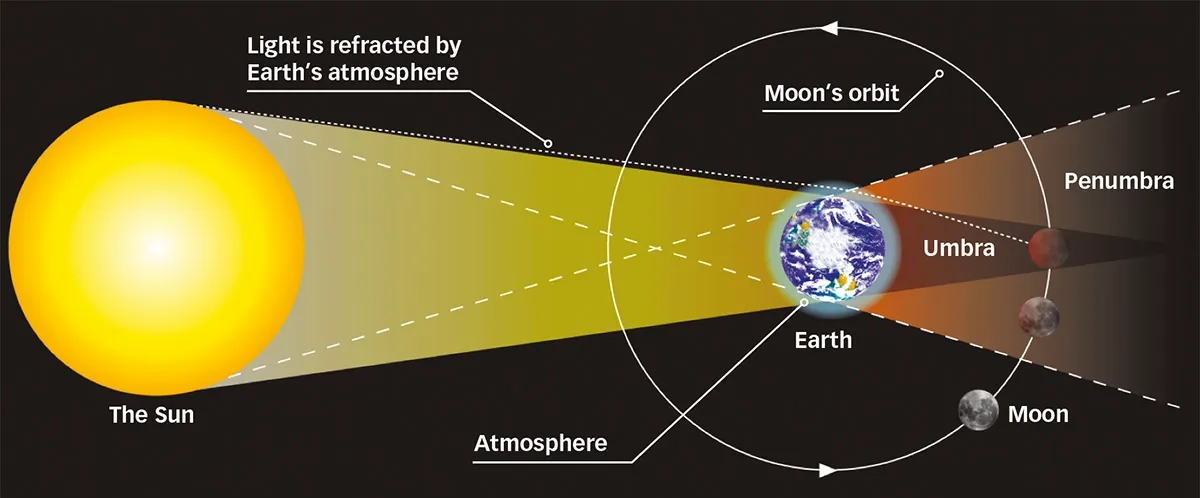
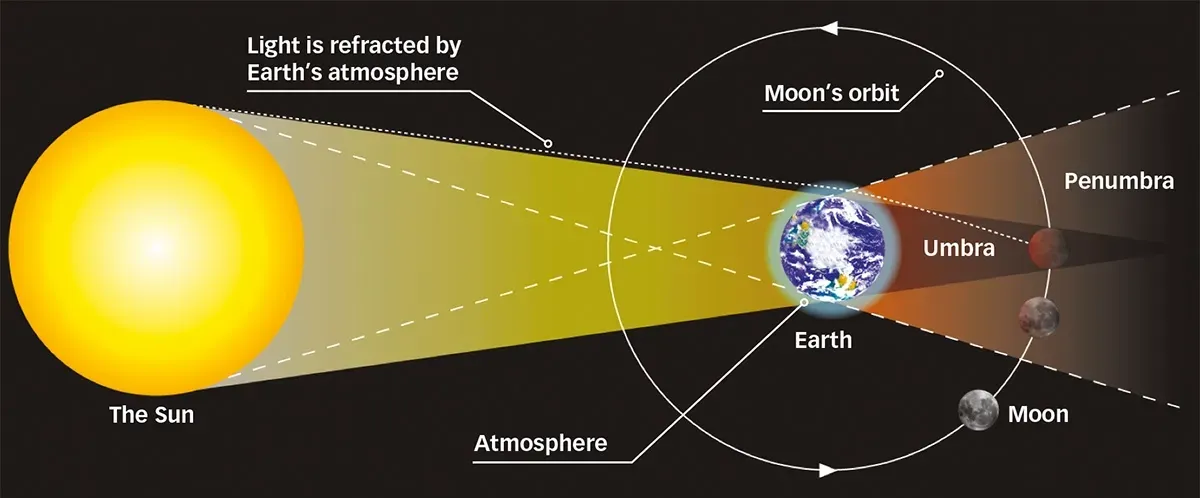
The March Full Moon is traditionally called the Worm Moon. This year, it coincides with a total lunar eclipse, so it can be nicknamed the “Blood Worm Moon”. At the moment of full phase, the Moon will lie in the constellation Leo.
March 3:Total Lunar Eclipse
On March 3, the Moon will turn red in the night sky as a total lunar eclipse occurs. This eclipse will be visible in parts of Europe, Asia, Australia, North America, South America, the Arctic, and Antarctica. No special equipment is needed to view this lunar eclipse, but binoculars can enhance the observation experience.
 March 8: Venus Near Saturn
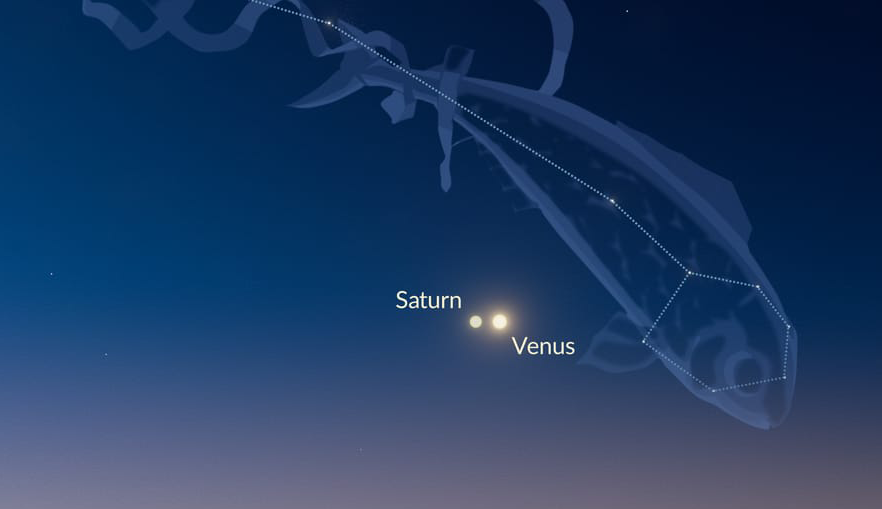
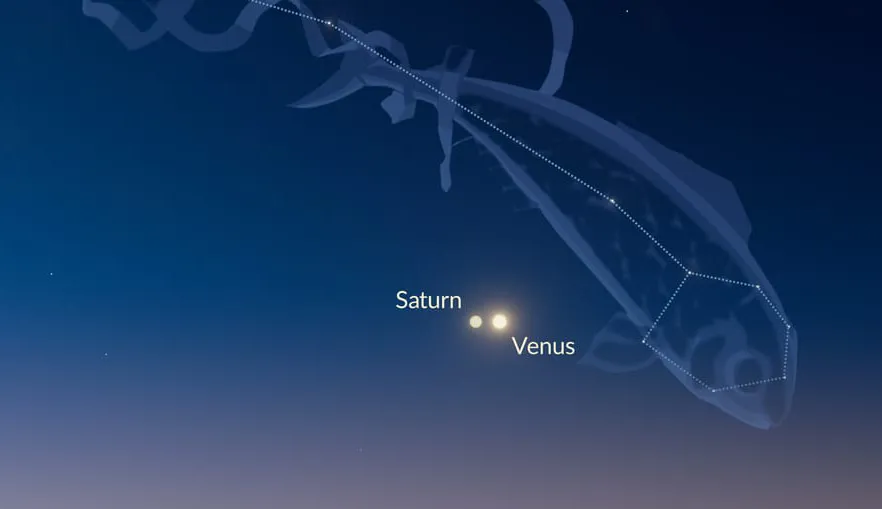
On the evening of March 8, bright Venus (magnitude -3.9) will make a close pass by Saturn (magnitude 1.0) within the constellation Pisces. Look for them low near the western horizon about an hour after sunset.
 March 18: Moon Near Mars and Mercury
On the early morning of March 18, a crescent moon with only 2% illumination will approach Mercury (magnitude 1.6) and Mars (magnitude 1.1) in the constellation Aquarius. Both planets will be visible to the naked eye, and even the slender crescent of the moon can be observed without optical aids under clear skies. To spot these three celestial bodies, simply look toward the eastern horizon - the viewing conditions will be optimal near the equator and in the Southern Hemisphere, as these regions offer a higher planetary position during twilight.
All Events:
- March 2: The nearly full Moon passes very close to the star Regulus in Leo, with an occultation visible in parts of East Asia.
- March 3: The full Moon, traditionally called the Worm Moon, occurs in Leo and coincides with a total lunar eclipse (also called a "Blood Worm Moon").
- March 3: A total lunar eclipse turns the Moon red, visible from Europe, Asia, Australia, the Americas, and polar regions.
- March 6: The waning gibbous Moon approaches the bright star Spica in Virgo.
- March 8: Bright Venus passes close to Saturn in the evening sky within the constellation Pisces.
- March 10: The waning gibbous Moon passes close to the red star Antares in Scorpius, with an occultation visible from parts of the Southern Ocean and islands.
- March 15: Mars passes close to elusive Mercury in the constellation Aquarius.
- March 17: A very thin crescent Moon appears near Mercury in Aquarius in the morning sky.
- March 17: On the same morning, the thin crescent Moon also passes close to Mars in Aquarius.
- March 18: Comet 88P/Howell reaches perihelion, potentially visible with a telescope from the Southern Hemisphere before dawn.
- March 18: The slender crescent Moon gathers with Mercury and Mars in Aquarius before sunrise, best seen near the equator and Southern Hemisphere.
- March 20: A thin crescent Moon appears near brilliant Venus in Pisces after sunset.
- March 20: The March equinox marks the beginning of astronomical spring in the Northern Hemisphere and autumn in the Southern Hemisphere.
- March 23: The waxing crescent Moon approaches Uranus (telescope needed) and the Pleiades star cluster in Taurus.
- March 26: The waxing gibbous Moon approaches Jupiter in Gemini.
- March 27: The waxing gibbous Moon passes near the star Castor in Gemini.
- March 28: The waxing gibbous Moon approaches the Beehive Cluster in Cancer.
- March 29: The waxing gibbous Moon passes very close to Regulus in Leo again, with an occultation visible across parts of Asia, Africa, Europe, and western Russia.
Astronomical Events in April 2026
April 18:Four-Planet Alignment
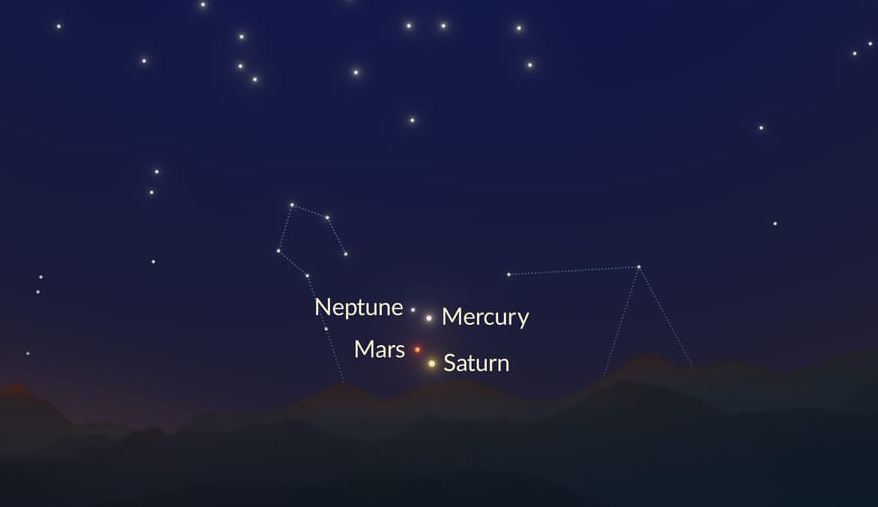
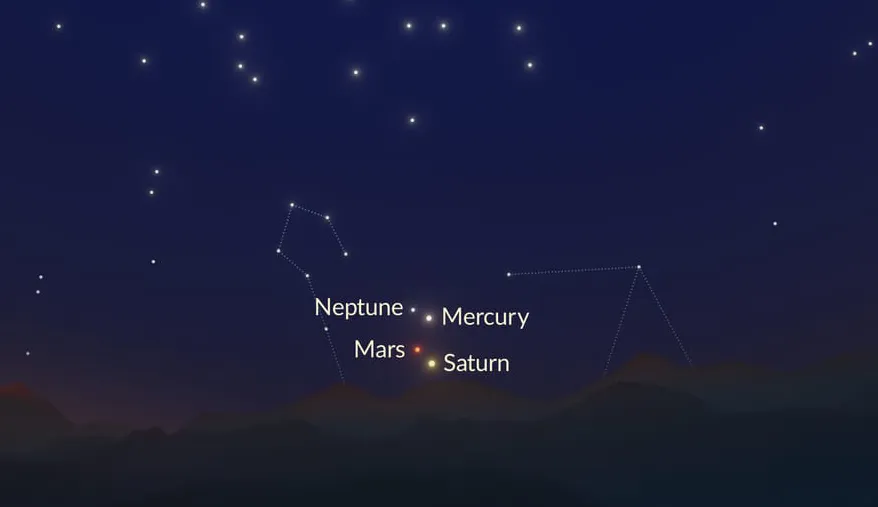
Around April 18, Saturn, Mars, Mercury, and Neptune will gather within an area of the sky spanning only about 4°. Observing them will be challenging due to their proximity to the Sun. The best viewing time is about an hour before sunrise, looking low toward the eastern horizon. Observers in the Southern Hemisphere will have an advantage, as the planets rise a bit higher while the sky is still darker.
Saturn, Mars, and Mercury will be visible to the naked eye. Neptune is typically observable with a small telescope, but it may be too faint to spot even with optical aids in the bright twilight.
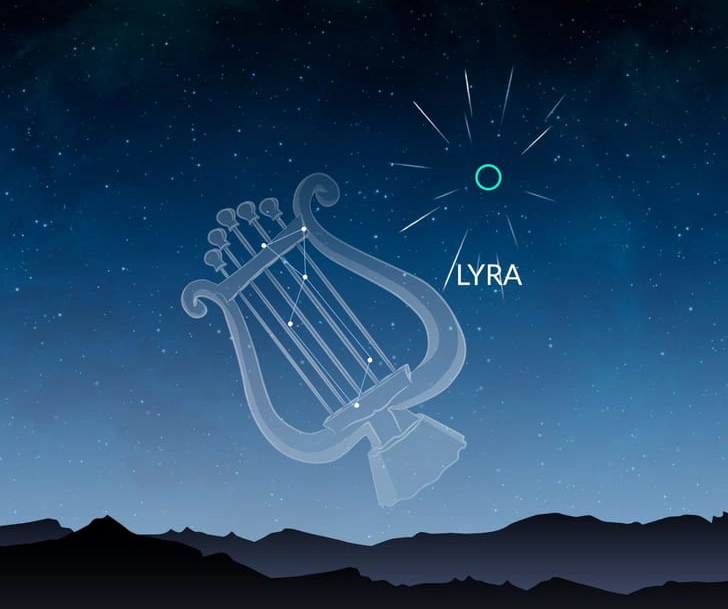
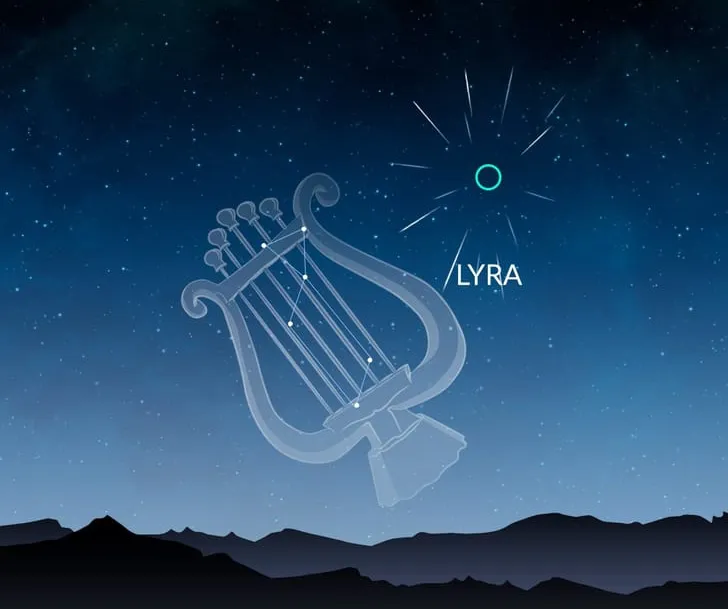
 April 22: Peak of the Lyrid Meteor Shower
On April 22, the Lyrid meteor shower will reach its maximum. The Lyrid meteor shower is a medium-scale meteor shower, typically producing around 20 meteors per hour at its peak.In 2026, the viewing conditions for the Lyrids will be quite favorable, as the first quarter moon will not cause significant interference. For mid-to-high northern latitudes, the best time to start observing is around 10:30 PM local time, while in mid-to-high southern latitudes, it is recommended to begin after midnight.
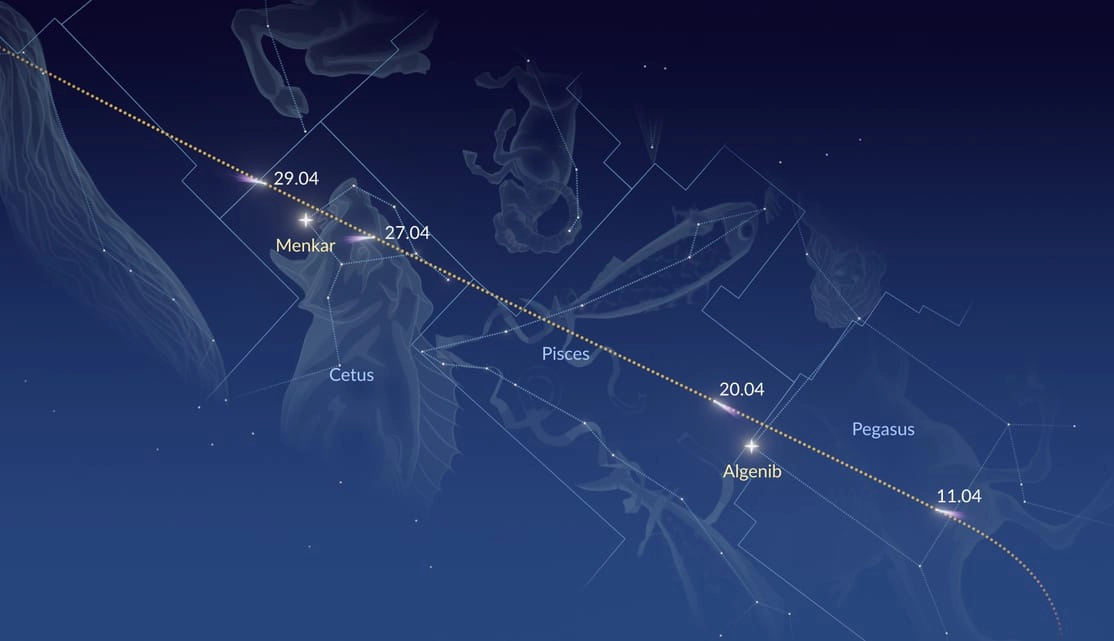
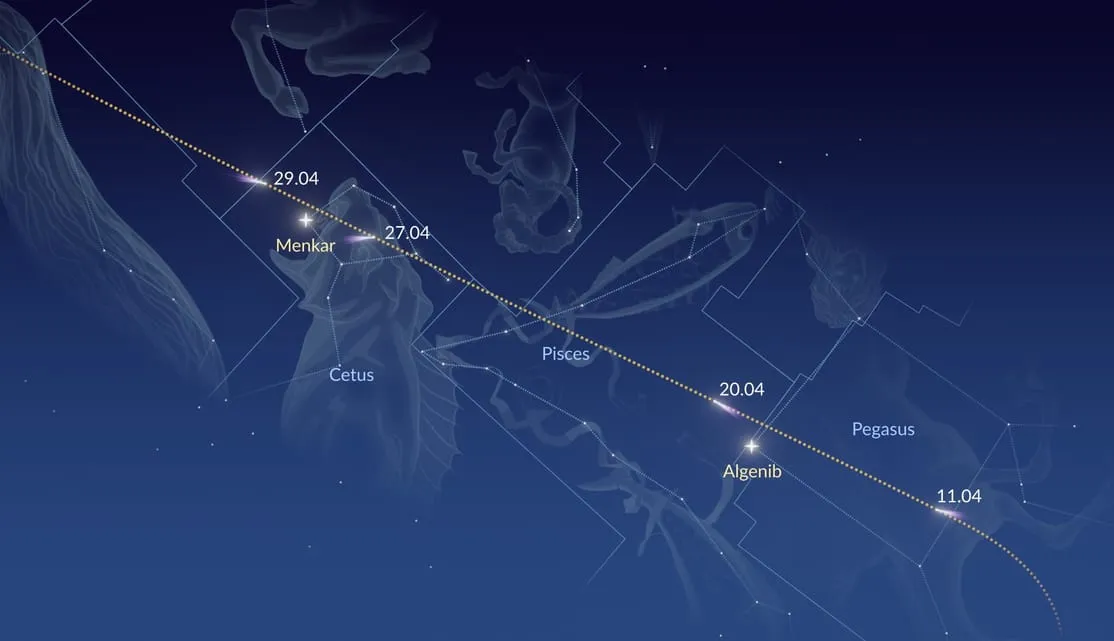
 April 25: C/2025 R3 Reaches Maximum Brightness
Around April 25, Comet C/2025 R3 (PANSTARRS) will reach its peak brightness, estimated to be around magnitude 7.7. This means it will be observable with binoculars at that time. According to some predictions, its brightness might even reach magnitude 3.7, making it visible to the naked eye! Viewing conditions will depend on your location: observers in the Northern Hemisphere may be able to spot it in the early morning hours in late April, while those in the Southern Hemisphere might catch it in the evening sky in early May.
 All Events:
- April 2: The full Pink Moon occurs in Virgo, marking the date of Easter in 2026.
- April 3: The nearly full Moon passes close to the bright star Spica in Virgo.
- April 3: Mercury reaches its greatest western elongation, offering the year's best morning viewing in Aquarius.
- April 6: The waning gibbous Moon passes very close to the red star Antares in Scorpius, with an occultation visible from parts of the southern Indian Ocean.
- April 15: A thin crescent Moon appears near Mercury (naked-eye visible) and Neptune (telescope needed) in Pisces.
- April 15: On the same morning, the crescent Moon also passes close to Mars in Aquarius.
- April 16: The very thin crescent Moon approaches Saturn on the Pisces-Cetus border.
- April 18: A compact planetary conjunction of Saturn, Mars, Mercury, and Neptune occurs within a 4° circle, best seen low in the east before sunrise, especially from the Southern Hemisphere.
- April 19: The young crescent Moon passes near Venus, the Pleiades star cluster, and Uranus, all in the Taurus region.
- April 19: Mars also makes a close approach to Saturn in Cetus on the same date.
- April 20: Mercury passes extremely close to Saturn (0.3°) and also near Mars (1.7°) in Cetus.
- April 22: The Lyrid meteor shower peaks under favorable conditions with minimal moonlight interference.
- April 22: The waxing crescent Moon approaches Jupiter in Gemini.
- April 23: The waxing crescent Moon passes near the star Castor in Gemini.
- April 24: Brilliant Venus passes close to the Pleiades star cluster in Taurus.
- April 24: The waxing crescent Moon passes near the Beehive Cluster in Cancer.
- April 25: Comet C/2025 R3 (PANSTARRS) is predicted to reach peak brightness, potentially becoming binocular- or even naked-eye visible.
- April 26: The waxing gibbous Moon passes very close to Regulus in Leo, with an occultation visible across much of the Americas.
- April 30: The nearly full Moon passes close to Spica in Virgo again.
Astronomical Events in May 2026
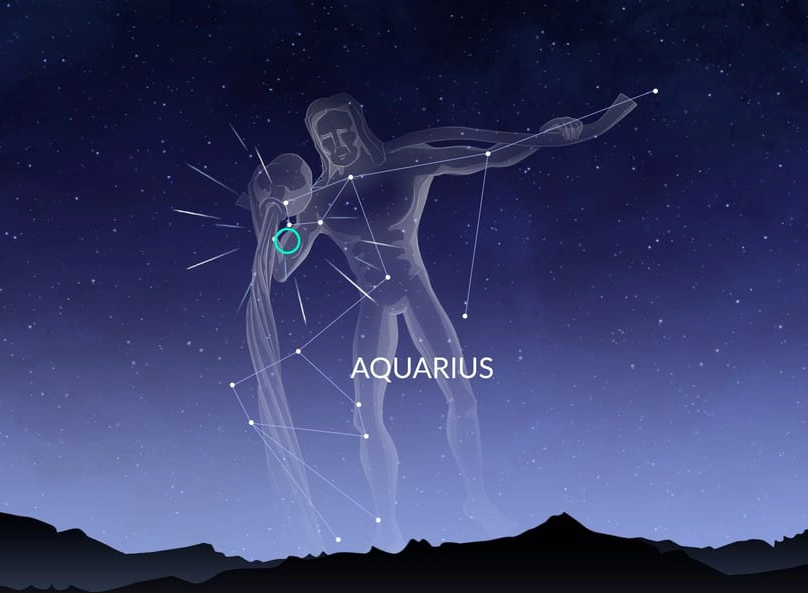
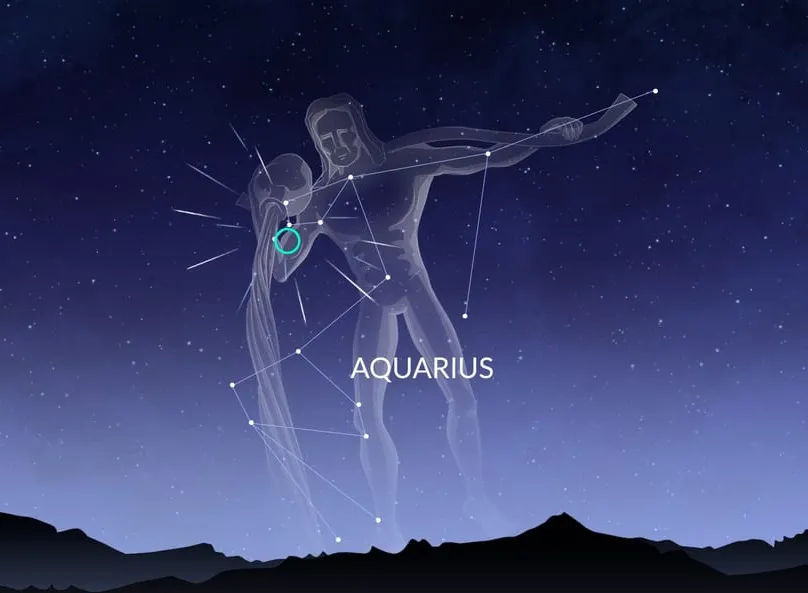
May 5-6: Peak of the Eta Aquariid Meteor Shower
The Eta Aquariid meteor shower will peak on the night of May 5-6. Under clear skies, observers in the Southern Hemisphere can see up to 50 meteors per hour, while those in the Northern Hemisphere may observe around 10 to 30 meteors per hour. However, viewing conditions in 2026 will be challenging: the peak occurs just five days after the full moon, so the bright moonlight will obscure many fainter meteors.
 May 31: Full Moon (Blue Moon)
The second full moon of May 2026, known as a "Blue Moon," will occur at 08:46 UTC. This full moon also coincides closely with the Moon's apogee (its farthest point from Earth), making it the smallest "Micro Moon" of the year. During the full moon, the Moon will be located in the constellation Scorpius.
All Events:
- May 1: The first full Moon of May, the Flower Moon, is a "Micromoon" in Libra.
- May 4: The waning gibbous Moon passes very close to Antares in Scorpius, with an occultation visible in parts of South America and Antarctica.
- May 5-6: The Eta Aquariid meteor shower peaks, though bright moonlight will interfere with visibility.
- May 13: The waxing crescent Moon passes near Neptune and Saturn in Pisces/Cetus (Neptune requires optical aid).
- May 14: A very thin crescent Moon appears near Mars in Pisces in the morning sky.
- May 19: A young crescent Moon passes near brilliant Venus in Taurus in the evening.
- May 20: The waxing crescent Moon passes near Jupiter and the star Castor in Gemini.
- May 21: The waxing crescent Moon passes close to the Beehive Cluster in Cancer.
- May 23: The waxing crescent Moon passes very close to Regulus in Leo, with an occultation visible in parts of Oceania.
- May 27: The waxing gibbous Moon approaches Spica in Virgo.
- May 31: The full Moon (a "Blue Moon" and "Micromoon") in Scorpius passes very close to Antares, with an occultation visible in parts of South America, Australia, and New Zealand.
Astronomical Events in June 2026
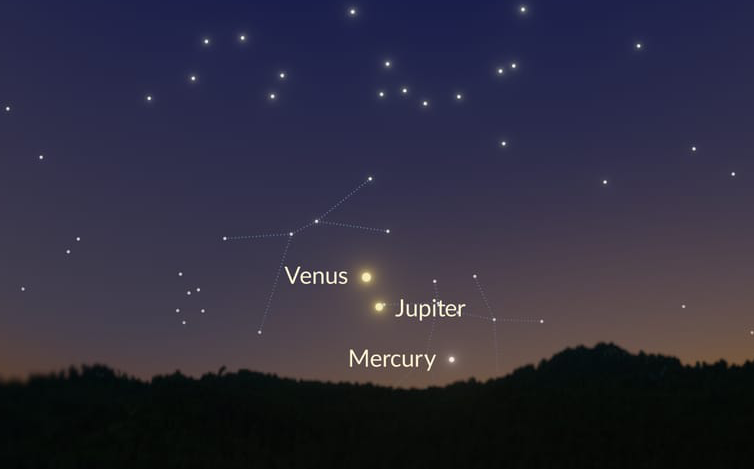
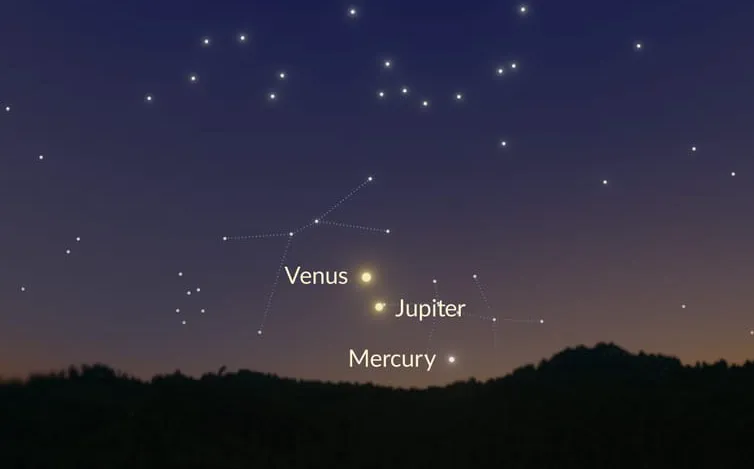
June 12: Three-Planet Alignment
Around June 12, a three-planet alignment will light up the night sky. About an hour after sunset, look toward the western horizon, and you will see Mercury, Jupiter, and Venus aligned in a neat diagonal line. All three planets are clearly visible, clustered within an area of about 10° in the sky. Starting around June 16, a slender crescent moon will also join this gathering.
 June 17: The Moon Near Venus
On June 17, the 11%-illuminated Moon will pass very close to Venus (mag -4.0) in the constellation Cancer. Both dazzling Venus and the Moon’s thin crescent will be visible to the naked eye. Also, a lunar occultation will occur - the Moon will cover Venus for observers in the contiguous United States, Canada, Brazil, and Venezuela. The occultation will happen during daytime but may still be observable, as both objects are bright enough!
All Events:
- June 7: Venus passes close to the star Castor in Gemini.
- June 9: Venus and Jupiter have a close conjunction in Gemini in the evening sky.
- June 9: The waxing crescent Moon passes near Neptune in Pisces (optical aid needed).
- June 10: The waxing crescent Moon passes near Saturn in Pisces.
- June 12: A very thin crescent Moon appears near Mars in Aries before dawn.
- June 12: A triple planetary alignment of Mercury, Jupiter, and Venus becomes visible in the western evening sky.
- June 13: A very thin crescent Moon passes near the Pleiades and Uranus in Taurus in the morning twilight.
- June 15: Mercury reaches greatest eastern elongation, offering good evening visibility in Gemini.
- June 16: A thin crescent Moon appears near Mercury in the evening twilight in Gemini.
- June 17: The young crescent Moon passes near Castor, Jupiter, and then brilliant Venus in the evening sky, with an occultation of Venus visible from parts of the Americas.
- June 18: The waxing crescent Moon passes close to the Beehive Cluster in Cancer.
- June 19: The waxing crescent Moon passes very close to Regulus in Leo, with an occultation visible in parts of southern Africa.
- June 21: The June solstice marks the beginning of astronomical summer in the Northern Hemisphere and winter in the Southern Hemisphere.
- June 23: The waxing gibbous Moon passes near Spica in Virgo.
- June 25: Mercury and Jupiter appear close together in the evening sky on the Gemini-Cancer border.
- June 27: The waning gibbous Moon passes very close to Antares in Scorpius, with an occultation visible from Australia, New Zealand, and Antarctica.
- June 28: Mars passes near the Pleiades star cluster in Taurus.
- June 29: The full Strawberry Moon, also a "Micromoon," occurs in Sagittarius.
Astronomical Events in July 2026
July 11: Moon Near Mars and the Pleiades
Before dawn on July 11, a slender crescent moon (about 15% illuminated), Mars (magnitude 1.4), and the Pleiades star cluster (magnitude 1.2) will meet in the constellation Taurus. All three celestial objects are visible to the naked eye, offering an exciting astronomical spectacle even for beginners. For a better view of the Pleiades, binoculars are recommended, as they will reveal the cluster as a shimmering group of stars.
July 30-31: Peak of the Southern Delta Aquariid Meteor Shower
The Southern Delta Aquariid meteor shower will peak on the night of July 30-31, with up to 25 meteors visible per hour. However, observing conditions in 2026 will be poor: the Moon will be near its full phase, and its bright glare will obscure many fainter meteors. You can try blocking the moonlight by positioning yourself behind buildings, trees, or hills.
All Events:
- July 6: The waxing gibbous Moon passes near Neptune in Pisces.
- July 7: The waxing gibbous Moon passes near Saturn in Pisces.
- July 9: Brilliant Venus passes very close to the star Regulus in Leo.
- July 10: The waxing crescent Moon approaches the Pleiades star cluster in Taurus.
- July 11: The waxing crescent Moon also passes near Uranus in Taurus.
- July 11: In the predawn sky, a slender crescent Moon gathers with Mars and the Pleiades in Taurus.
- July 15: A very thin crescent Moon passes near the Beehive Cluster in Cancer in bright twilight.
- July 17: The young crescent Moon passes close to Regulus (occultation not visible from land) and later brilliant Venus in Leo.
- July 21: The waxing crescent Moon passes near the star Spica in Virgo.
- July 24: The waxing gibbous Moon passes very close to Antares in Scorpius, with an occultation visible from parts of Antarctica and southern islands.
- July 29: The full Buck Moon occurs in Capricornus, appearing unusually low in the Northern Hemisphere and higher than usual in the Southern Hemisphere.
- July 30-31: The Southern Delta Aquariid meteor shower peaks alongside the Alpha Capricornids, but bright moonlight from the nearly full Moon will interfere significantly.
Astronomical Events in August 2026
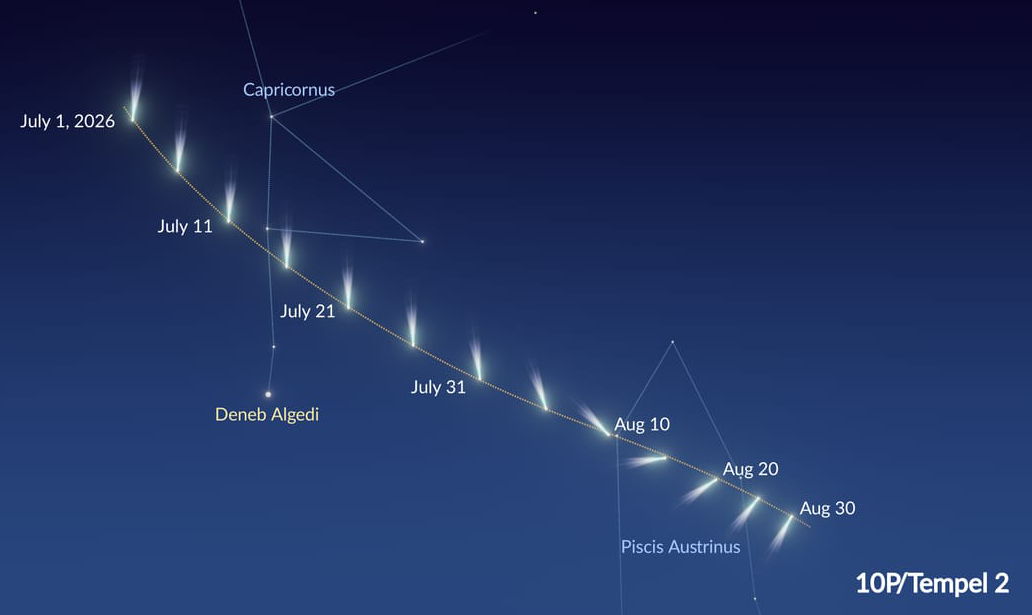
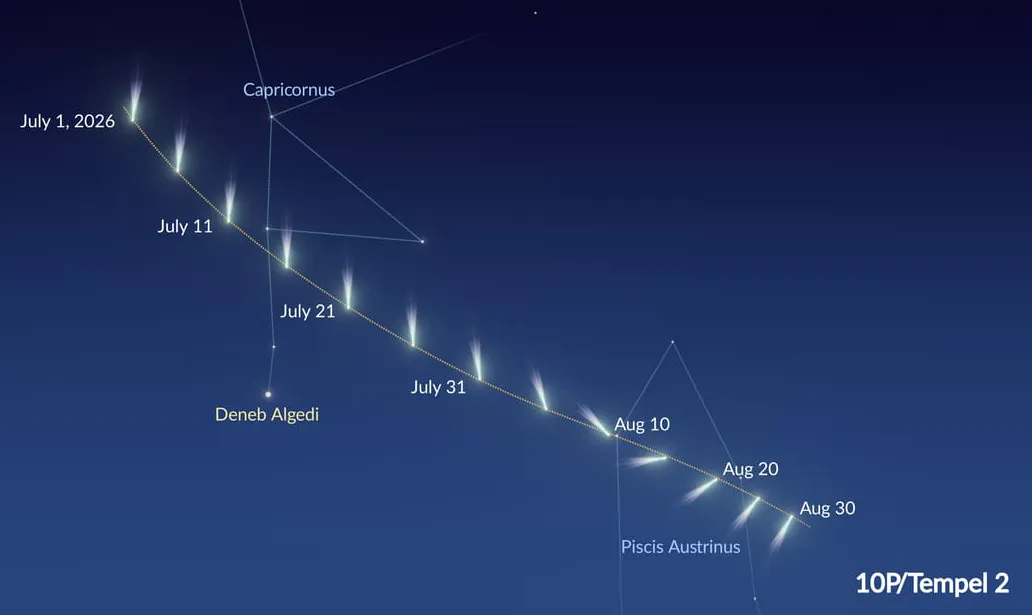
August 2: Comet 10P/Tempel 2 Reaches Perihelion
On August 2, Comet 10P/Tempel 2 will make its closest approach to the Sun, with an expected brightness of around magnitude 8. Under clear skies, it will be easily observable with binoculars or a astronomical telescope. The comet will be visible from both hemispheres, but it will appear higher above the horizon for observers in the Southern Hemisphere. Look for it in the evening sky shortly after sunset.
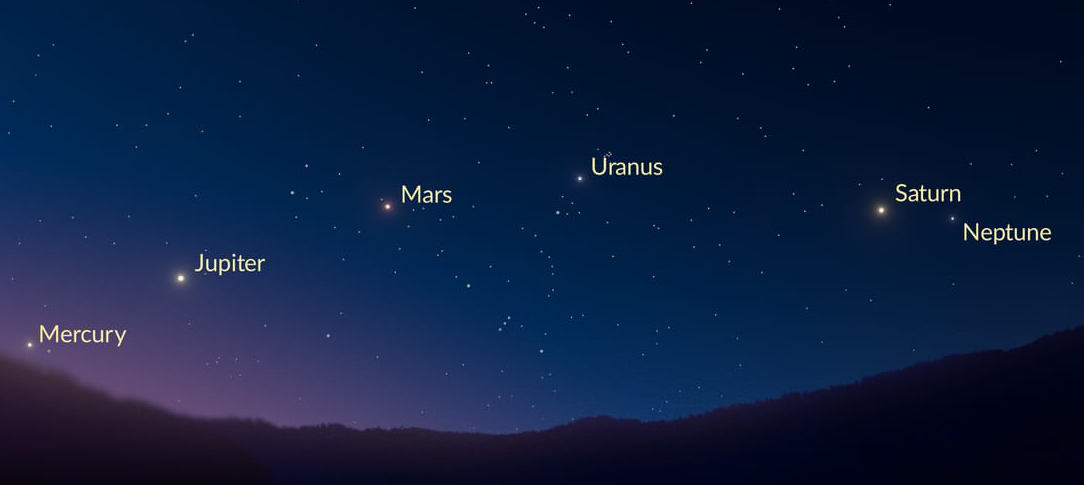
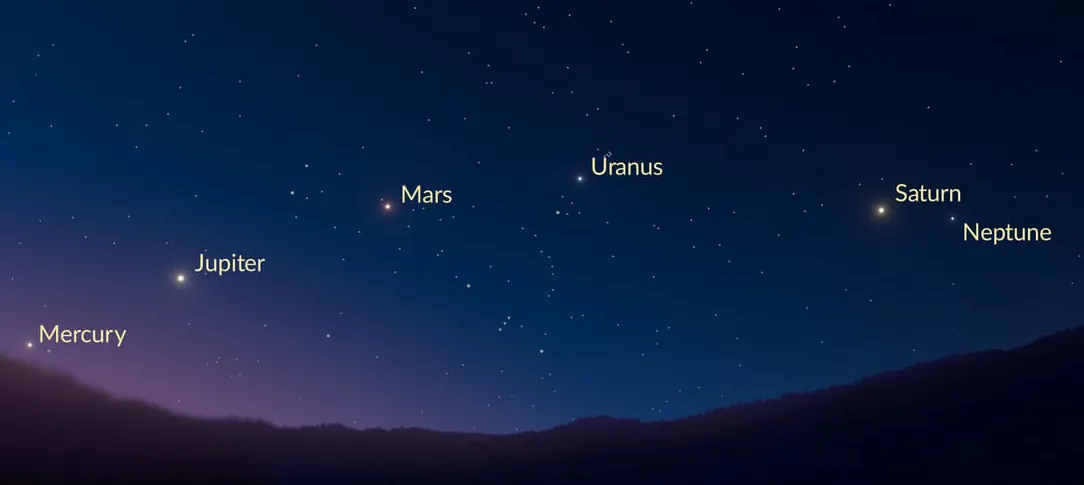
 August 12: Six-Planet Alignment
Around August 12, before sunrise, you can witness a "parade" of six planets: Jupiter, Mercury, Mars, Uranus, Saturn, and Neptune. The brighter planets-Jupiter, Mars, Mercury, and Saturn-will be easily visible to the naked eye, while Uranus and Neptune are best observed with binoculars or a small telescope.
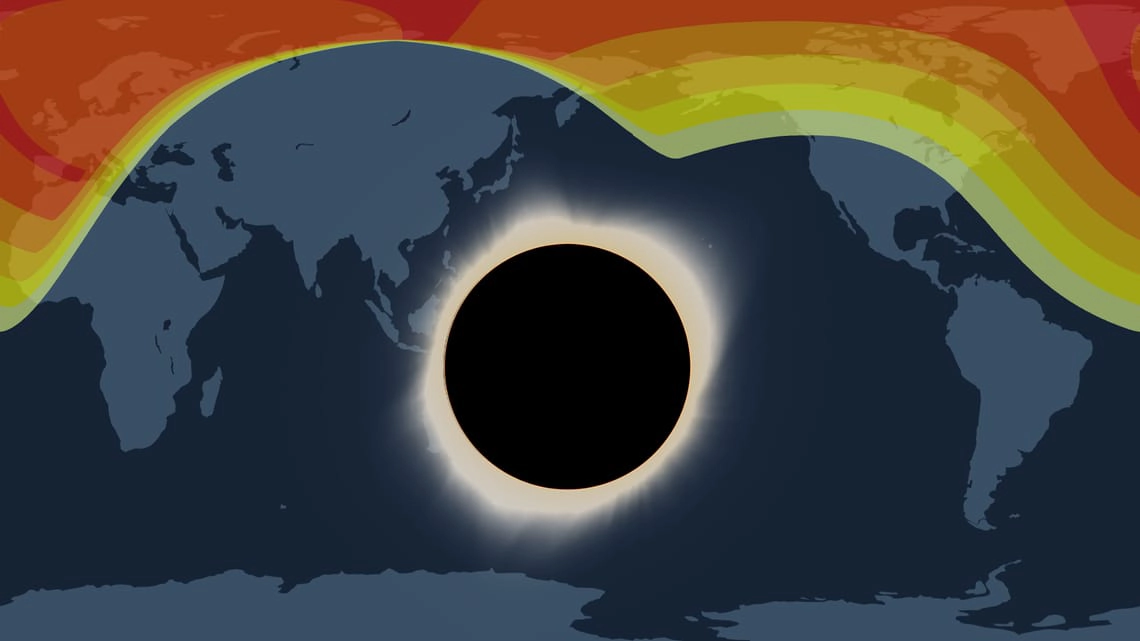
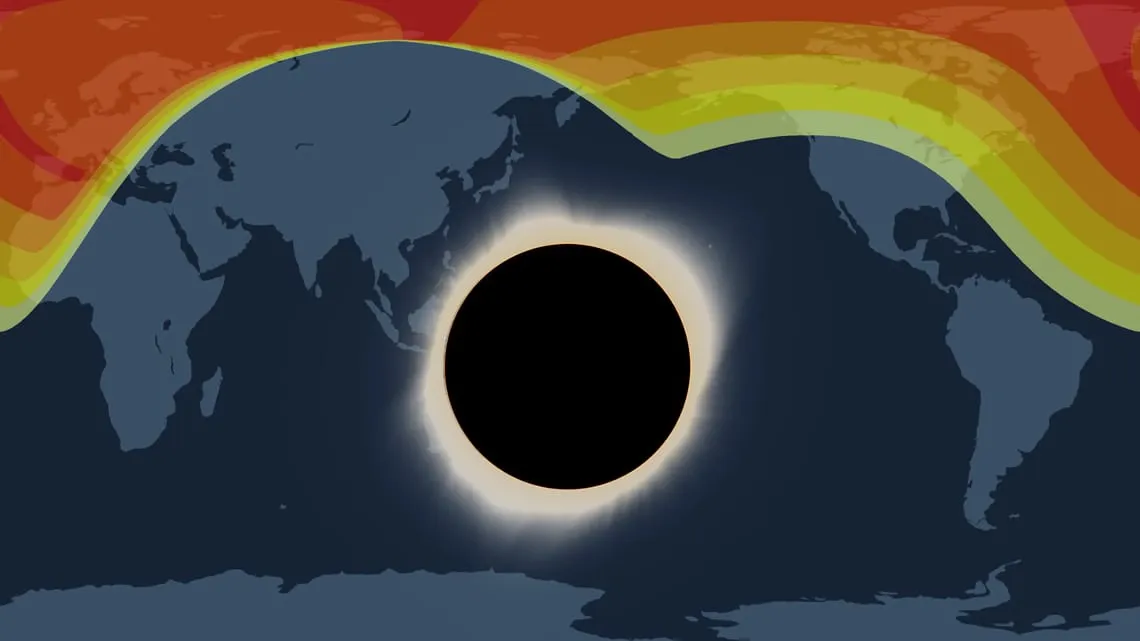
 August 12: Total Solar Eclipse Visible in Europe
On August 12, a total solar eclipse will sweep across Greenland, Iceland, Portugal, and Spain. Observers within the path of totality will witness the Sun completely obscured by the Moon. Across much of Europe, a partial eclipse will be visible, with a large portion of the Sun covered, creating a spectacular sight.
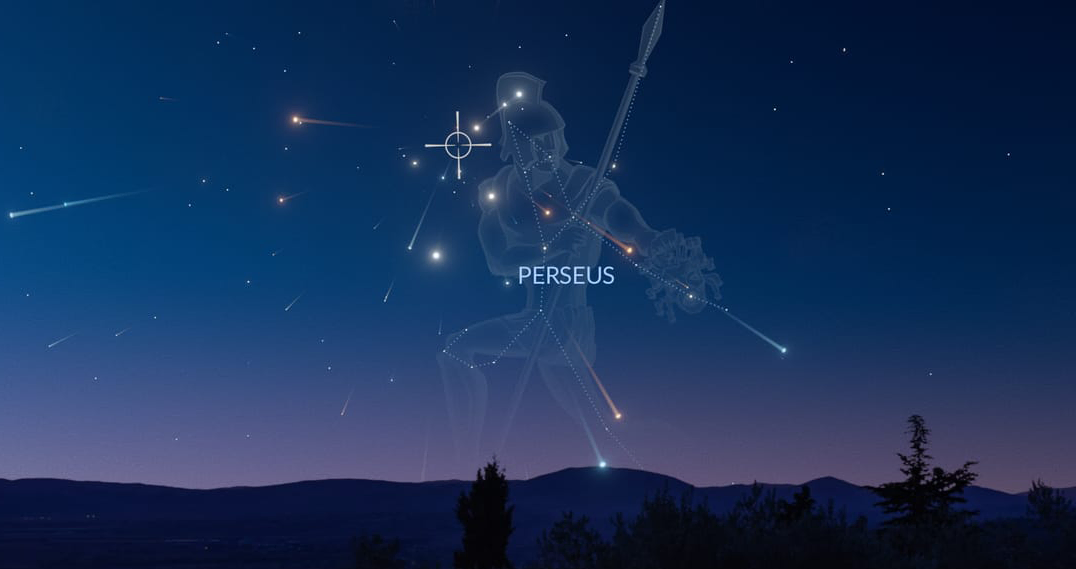
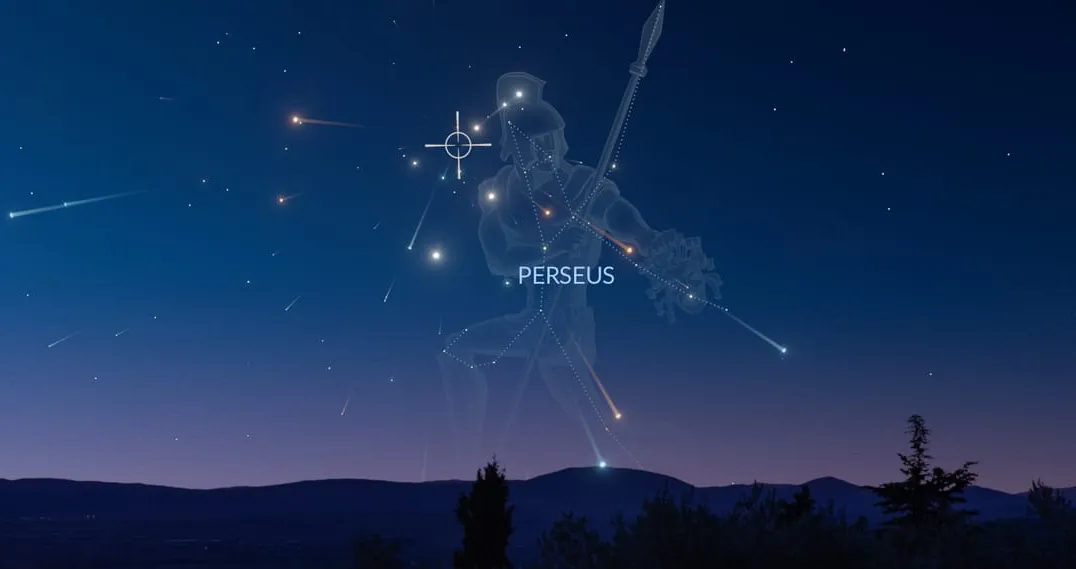
 August 12-13: Peak of the Perseid Meteor Shower
The famous Perseid meteor shower, one of the most popular annual meteor showers, will peak on the night of August 12–13, with up to 100 meteors visible per hour at its maximum. Observing conditions in 2026 will be excellent-the peak coincides with a new Moon, ensuring a completely dark sky. For the best viewing experience, it is recommended to find a dark observation site.
 August 28: Partial Lunar Eclipse Visible in the U.S. and Europe
On August 28, a deep partial lunar eclipse will occur-96% of the Moon will enter Earth’s shadow. The Moon may appear dark orange rather than the classic blood-red hue seen during a total eclipse. This eclipse will be fully visible from North and South America, observable at moonrise in the central Pacific region, and visible at moonset in Africa, Europe, and the Middle East. No special equipment is needed to observe this eclipse, but binoculars can enhance the viewing experience.
All Events:
- August 2: Comet 10P/Tempel 2 reaches perihelion, potentially visible with binoculars from both hemispheres in the evening.
- August 2: Mercury reaches greatest western elongation, offering its best morning visibility in Gemini.
- August 3: The waning gibbous Moon passes near Neptune in Pisces (optical aid required).
- August 7: The waning crescent Moon passes near the Pleiades star cluster and Uranus in Taurus.
- August 9: The thin waning crescent Moon passes near Mars in Taurus in the morning sky.
- August 10: A very thin crescent Moon passes near the star Castor in Gemini at dawn.
- August 11: An extremely thin crescent Moon appears near Mercury in Cancer in morning twilight.
- August 12: Six-planet alignment - before sunrise, you can see a “parade” of six planets: Jupiter, Mercury, Mars, Uranus, Saturn, and Neptune.
- August 12: A total solar eclipse sweeps across Greenland, Iceland, Portugal, and Spain, with a partial eclipse visible across much of Europe.
- August 12-13: The Perseid meteor shower peaks under ideal dark, moonless skies, especially favorable for Northern Hemisphere observers.
- August 15: Venus reaches greatest eastern elongation, shining brilliantly in the evening sky in Virgo.
- August 16: A young crescent Moon passes close to dazzling Venus in the evening sky in Virgo.
- August 17: The waxing crescent Moon passes near the star Spica in Virgo.
- August 21: The waxing gibbous Moon passes close to Antares in Scorpius, with an occultation visible from parts of South America and Antarctica.
- August 28: The full Sturgeon Moon occurs in Aquarius and coincides with a deep partial lunar eclipse.
- August 28: A deep partial lunar eclipse (96% coverage) is visible from the Americas, the Pacific, Europe, Africa, and the Middle East.
- August 30: The waning gibbous Moon passes near Neptune in Pisces again (telescope needed).
Astronomical Events in September 2026
September 22: Venus reaches maximum brightness
On September 22, Venus will reach a magnitude of -4.8, which is its peak brightness for the year. Look for the dazzling planet low above the southwestern horizon just after sunset in the constellation Virgo. Through a telescope, Venus will appear as a thin crescent (only about 22% illuminated).
September 26: Neptune at Opposition
Neptune will reach its closest approach to Earth, appearing directly opposite the Sun from our perspective. Its entire sunlit side will be fully illuminated, making it brighter than at any other time of the year and visible throughout the night. This is the best opportunity to observe and photograph Neptune. Around opposition, Neptune will shine at magnitude 7.8. You can observe it in the constellation Pisces using high-powered binoculars or a telescope.
All Events:
- September 2: Brilliant Venus passes close to the star Spica in Virgo.
- September 3: The waxing gibbous Moon passes near the Pleiades star cluster and Uranus in Taurus.
- September 6-14: The Moon sequentially passes by Mars (Sep 6), Jupiter (Sep 8), Mercury (Sep 12), and Venus (Sep 14) over a series of mornings and evenings.
- September 6: The waning crescent Moon passes near Mars in Gemini in the morning sky.
- September 7: The waning crescent Moon passes near the star Castor in Gemini.
- September 8: A very thin crescent Moon passes extremely close to Jupiter in Cancer, with an occultation visible from North America, Greenland, and Russia.
- September 8: The same slender crescent also passes near the Beehive Cluster in Cancer.
- September 9: An extremely thin crescent Moon passes near Regulus in Leo in bright twilight.
- September 13: A thin crescent Moon appears near Mercury and Spica in Virgo in evening twilight.
- September 14: A young crescent Moon passes very close to brilliant Venus in Virgo, with a daytime occultation visible from parts of the Americas.
- September 17: The waxing crescent Moon passes close to Antares in Scorpius, with an occultation visible from parts of Australia and Antarctica.
- September 22: Venus will reach a magnitude of -4.8, which is its peak brightness for the year.
- September 23: The September equinox marks the start of astronomical autumn in the Northern Hemisphere and spring in the Southern Hemisphere.
- September 26: Neptune at opposition.This is the best time to observe Neptune, as it will be at maximum brightness and visible all night.
- September 26: Mercury passes very close to Spica in Virgo in evening twilight.
- September 26: The full Harvest Moon occurs in Pisces.
- September 30: The waning gibbous Moon passes near the Pleiades star cluster in Taurus.
Astronomical Events in October 2026
October 4: Saturn at Opposition
This ringed planet will reach its closest approach to Earth, with its entire sunlit side fully illuminated. It will appear brighter than at any other time of the year and will be visible throughout the night. This is the best opportunity to observe and photograph Saturn and its moons. Using a medium-sized or larger telescope, you will be able to see Saturn’s rings and several of its brightest satellites.
October 21: Peak of the Orionid Meteor Shower
The Orionid meteor shower is a medium-intensity shower, with up to 20 meteors per hour visible at its peak. This year, the peak will occur on the night of October 21 and early morning of October 22. Observing conditions in 2026 are relatively favorable: a waxing gibbous Moon will set a few hours after midnight, leaving several hours of dark, moonless sky. The best viewing window is from around midnight until dawn, as Orion rises higher and meteor activity increases.
All Events:
- October 4: Saturn is at opposition, offering its best and brightest view of the year in Cetus.
- October 4: The waxing crescent Moon passes near the star Castor in Gemini.
- October 5: The waxing crescent Moon passes very close to Mars and the Beehive Cluster in Cancer, with an occultation of Mars visible from Canada.
- October 6: The waxing crescent Moon passes extremely close to Jupiter in Leo, with an occultation visible across the Americas, Africa, and nearby Atlantic islands.
- October 7: The waxing crescent Moon passes close to the star Regulus in Leo, with an occultation visible from parts of Africa.
- October 12: An extremely thin crescent moon (about 3% illuminated) will glide past brilliant Venus (magnitude -4.4).
- October 12: Mercury reaches its greatest eastern elongation (25°09′ from the Sun), offering its best viewing opportunity of the year.
- October 12: Later the same evening, the crescent moon (about 5% illuminated) will pass near Mercury, with the two separated by about 2°.
- October 14: The waxing crescent Moon passes very close to Antares in Scorpius, with an occultation visible from parts of South America and the South Atlantic.
- October 21: The Orionid meteor shower peaks, with a few hours of dark sky after the Moon sets past midnight.
- October 23: The waning gibbous Moon passes near Neptune in Pisces.
- October 26: The full Hunter's Moon occurs in Aries.
- October 28: The waning gibbous Moon passes near Uranus and the Pleiades star cluster in Taurus.
- October 31: The waning gibbous Moon passes near the star Castor in Gemini.
Astronomical Events in November 2026
November 4-5: Peak of the Southern Taurid Meteor Shower
The Southern Taurid meteor shower is a long-lasting, low-activity shower famous for its slow and bright fireballs. In 2026, the main peak of this shower coincides with a waning crescent Moon, providing excellent observing conditions.
November 11-12: Peak of the Northern Taurid Meteor Shower
The Northern Taurid meteor shower peaks around November 12. Although it produces fewer meteors than the Southern Taurids, it is also known for its slow-moving and exceptionally bright meteors. Observing conditions in 2026 will be superb: the peak occurs near a first-quarter Moon, and the New Moon on November 9 offers exceptionally dark skies for several nights before and after the maximum.
November 14: Four-Planet Alignment
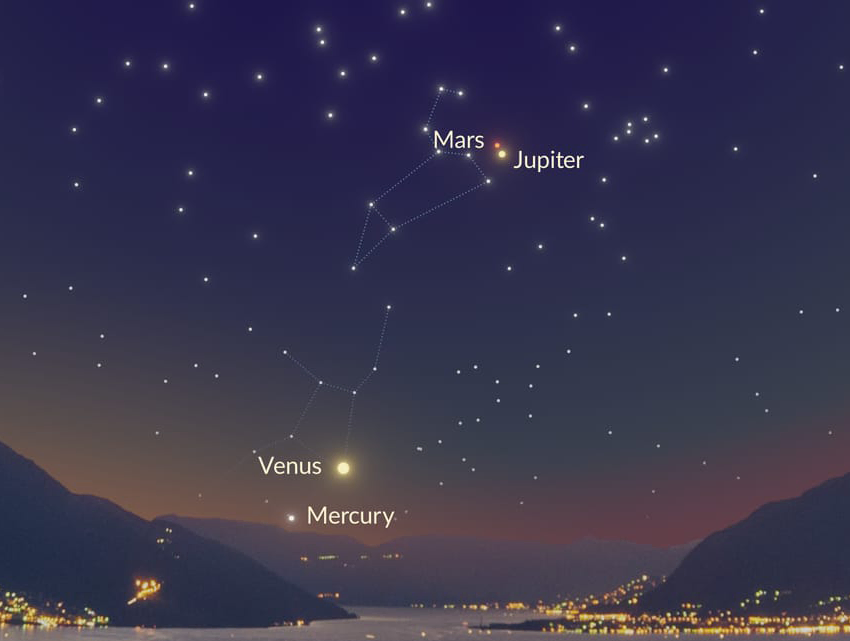
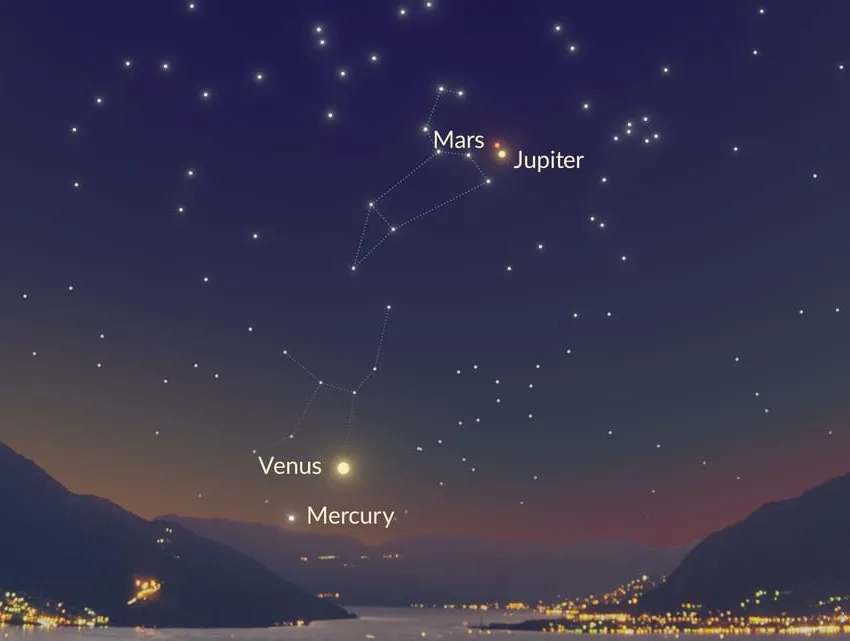
Around November 14, Mercury, Venus, Mars, and Jupiter will gather in the night sky. In the Northern Hemisphere, look for these planets in the southeastern sky; in the Southern Hemisphere, look to the northeast. Venus and Mercury will appear low near the horizon, while Mars and Jupiter will shine higher up, appearing relatively close to each other. All four planets are visible to the naked eye.
 November 17-18: Peak of the Leonid Meteor Shower
The Leonid meteor shower is a medium-intensity shower, with up to 15 meteors per hour at its peak. In 2026, the peak of the Leonids coincides with a first-quarter Moon, meaning moonlight may obscure many fainter meteors. However, the Moon sets around 11 PM, leaving the rest of the night for observation.
November 24: Full Moon (Supermoon)
The November Full Moon is traditionally known as the Beaver Moon. In 2026, it will also be a supermoon! At the time of the Full Moon, our natural satellite will be located in the constellation Taurus.
November 25: Uranus at Opposition
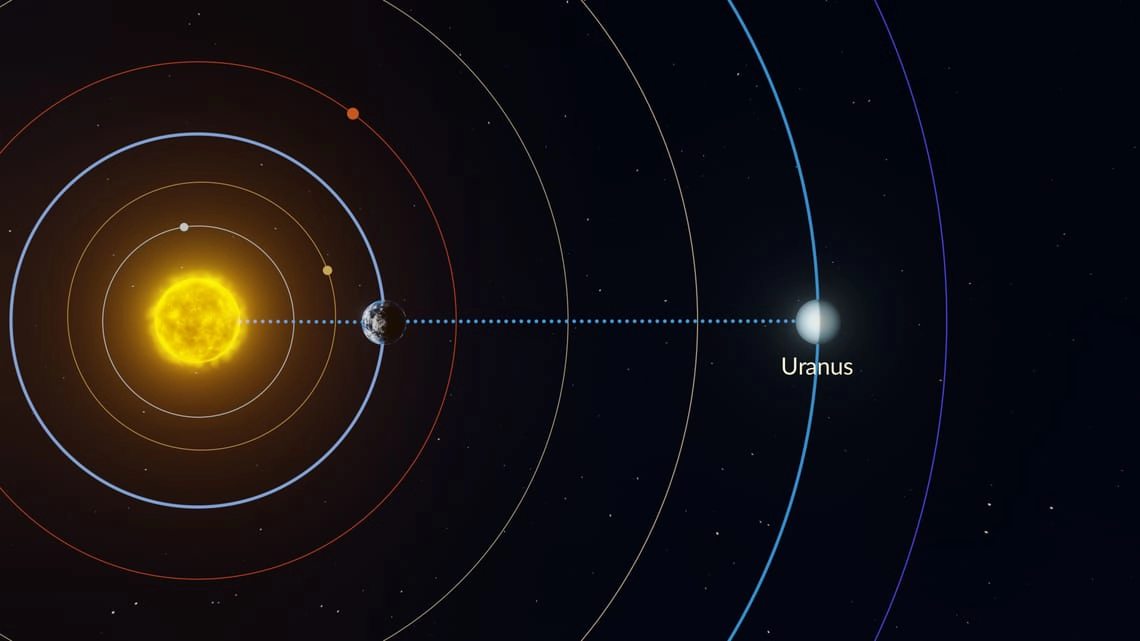
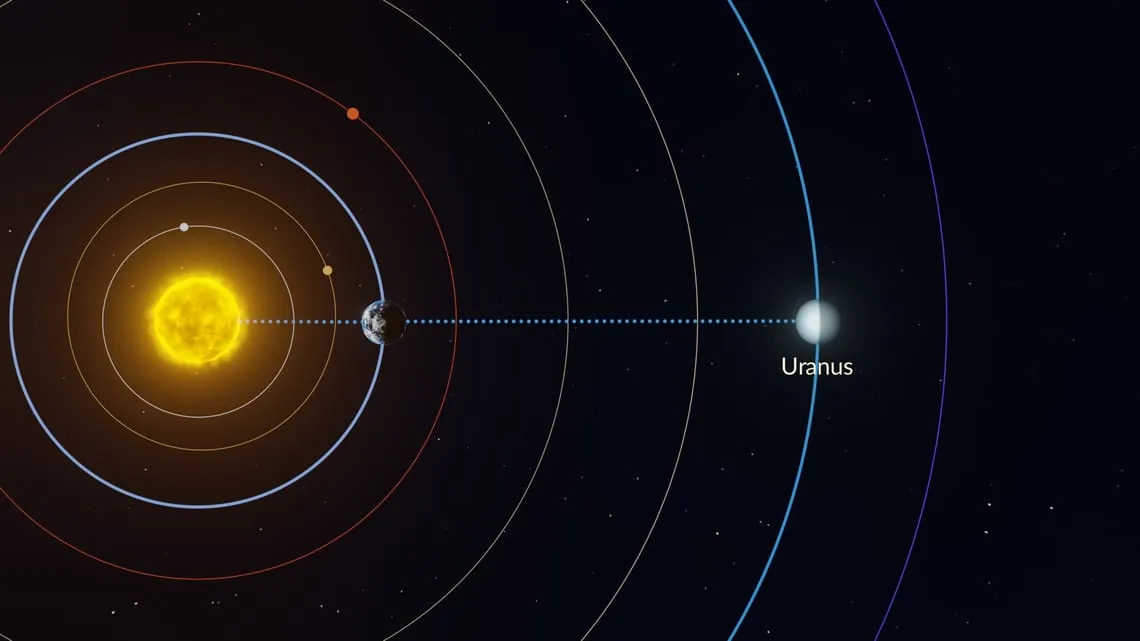
On November 25, Uranus will be directly opposite the Sun as seen from Earth. This is the best time to observe Uranus, as it reaches its brightest magnitude and is visible throughout the night. Around opposition, Uranus will shine at magnitude 5.6; you can observe it in the constellation Taurus using high-powered binoculars or a astronomical telescope.
 All Events:
- November 2: The waxing crescent Moon passes close to Mars and Jupiter (lunar occultations visible in some regions).
- November 3: The crescent Moon passes near Regulus (occultation visible in South America).
- November 4-5: The Southern Taurid meteor shower peaks under favorable dark-sky conditions.
- November 7: An extremely thin crescent Moon passes near Venus and Spica (occultation of Venus visible from parts of the Southern Hemisphere).
- November 9: Venus has a close conjunction with the star Spica.
- November 11: A very thin crescent Moon passes extremely close to Antares (occultation visible from some Pacific islands).
- November 11-12: The Northern Taurid meteor shower peaks under excellent dark skies.
- November 14: A pre-dawn alignment of Mercury, Venus, Mars, and Jupiter is visible to the naked eye.
- November 16: Mars and Jupiter appear exceptionally close together in the sky.
- November 17-18: The Leonid meteor shower peaks, with minimal moonlight interference after midnight.
- November 20: Mercury reaches greatest western elongation, offering its best morning view of the year; the same evening, the waxing gibbous Moon passes near Neptune.
- November 24: The full Beaver Moon (a supermoon,Beaver Moon) passes near the Pleiades cluster and Uranus.
- November 25: Mars passes close to Regulus.
- November 25:Uranus at opposition.This is the best time to observe Uranus, as it will be at maximum brightness and visible all night.
- November 28: The waning gibbous Moon passes near the star Castor.
- November 29: The waning gibbous Moon passes very close to the Beehive Cluster.
- November 30: The waning gibbous Moon passes successively near Jupiter, Regulus, and Mars (occultations of Jupiter and Regulus visible from some regions).
Astronomical Events in December 2026
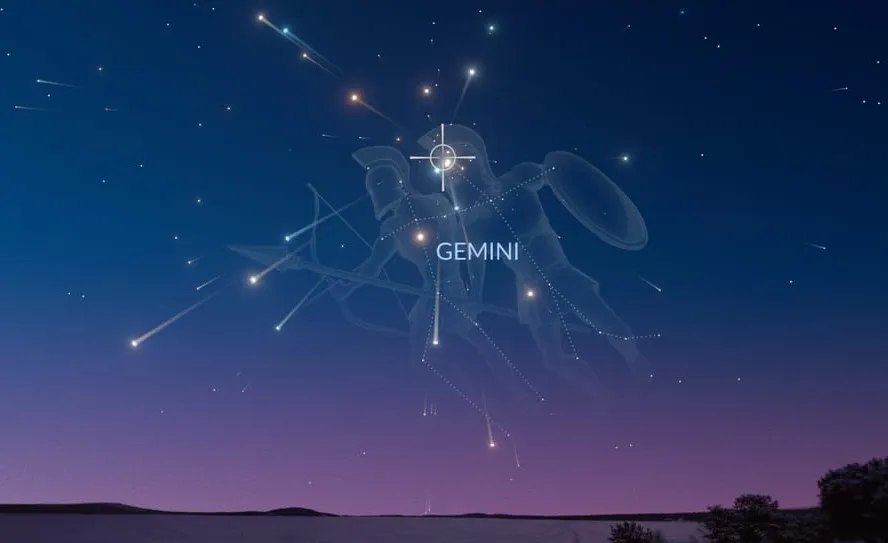
December 13th-14th: Peak of the Geminid Meteor Shower
The Geminid meteor shower is one of the most spectacular meteor showers of the year, with the potential to produce up to 150 meteors per hour at its peak. The observation conditions in 2026 will be excellent: the first-quarter moon will not interfere with viewing. In the Northern Hemisphere, the Geminid radiant rises around sunset, allowing observations to begin in the evening. In the Southern Hemisphere, the radiant rises closer to midnight and reaches its highest point around 2 a.m. local time.
December 24th: Full Moon (Supermoon)
The December full moon is traditionally known as the "Cold Moon," and the 2026 full moon will be particularly special. First, it will be the largest supermoon of the year, appearing approximately 8% larger and about 16% brighter than an average full moon. Second, it will occur on Christmas Eve, a date of significance in the Western Christian tradition. Such an alignment is relatively uncommon: the last time a full moon fell on December 24th was in 1996.
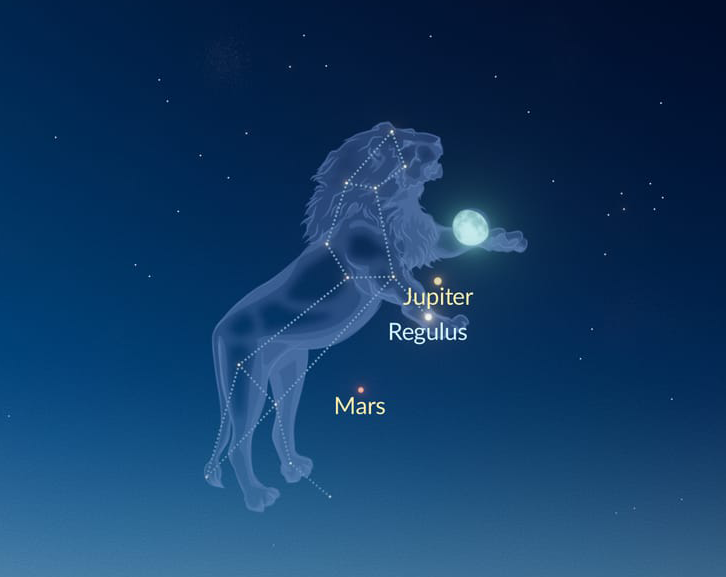
December 26th-28th: Moon Forms an Arc with Jupiter, Regulus, and Mars
On the nights of December 26th-27th and 27th-28th, the nearly full moon will appear in the constellation Leo, forming a striking arc in the sky alongside Jupiter, Mars, and the bright star Regulus (Alpha Leonis). This celestial event will be visible from both the Northern and Southern Hemispheres, but it will be most easily observed from the Northern Hemisphere.
 All Events:
- December 4: The waxing crescent Moon passes near Spica, though the faint crescent is best seen under dark skies.
- December 12: Jupiter and the star Regulus appear close together, visible to the naked eye.
- December 13-14: The Geminid meteor shower peaks under excellent conditions with minimal moonlight, especially favorable for Northern Hemisphere observers.
- December 17: The waxing gibbous Moon passes near Neptune.
- December 21: The December solstice occurs; on the same night, the waxing gibbous Moon passes near the Pleiades star cluster.
- December 21-22: The Ursid meteor shower peaks, but bright moonlight from the nearly full Moon will severely hinder observation.
- December 22: The waxing gibbous Moon passes near Uranus.
- December 24: The full Cold Moon, the year's largest supermoon, occurs on Christmas Eve in Gemini.
- December 25: The waning gibbous Moon passes near the star Castor.
- December 26: The waning gibbous Moon passes very close to the Beehive Cluster.
- December 26-28: The Moon, Jupiter, Mars, and the star Regulus form a striking arc in the constellation Leo, visible from both hemispheres but easiest to see from the Northern Hemisphere.
- December 27: The waning gibbous Moon passes close to Jupiter and later the star Regulus.
- December 28: The waning gibbous Moon passes near Mars.
Bottom line
This concludes our full overview of major astronomical events in 2026 - from bright supermoons and planetary oppositions to eclipses, lunar eclipses, and the year's best meteor shower. Happy stargazing!
 Google
 Amazon
There are no customer reviews yet . Leave a Reply !