


Table of Contents
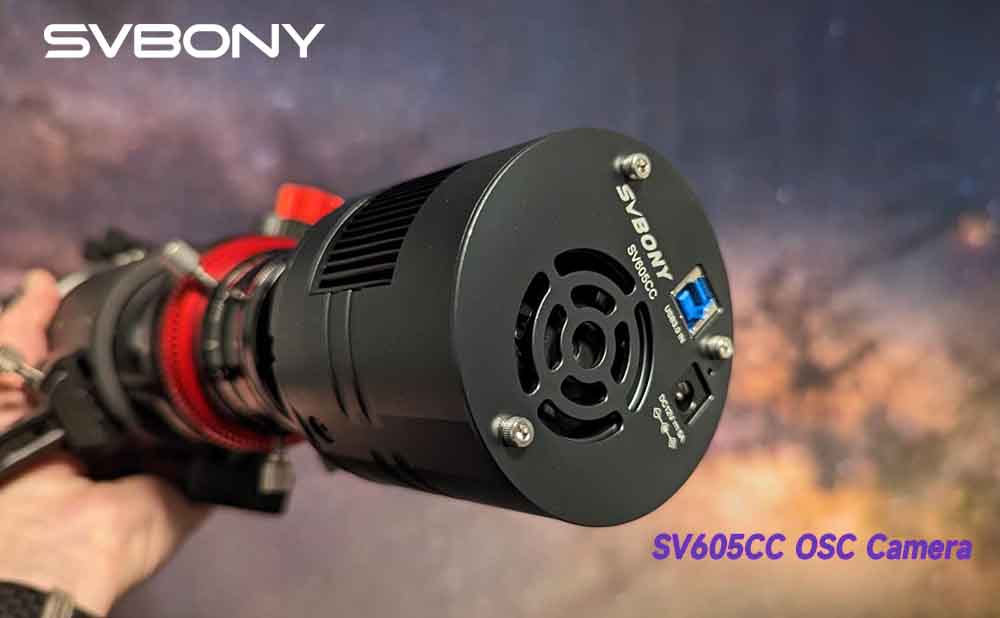
Best Astrophotography Cameras Within Budget
Have you ever mesmerized by the Milky Way, and thought, "I wish I could capture that?" It can be very confusing to find what will become the main tool in the astrophotography journey. The truth is, you don't need a NASA-sized budget to take stunning images of the cosmos. The real challenge isn't the cost; it's knowing which affordable astrophotography camera is the right launchpad for your journey.
Your Cosmic Starting Point: It's Not Just About the Camera
Before we dive into specific models, let's get one thing straight. Your camera is the heart of your imaging system, but it's not the whole body. It needs a good mount to track the stars, a telescope or lens to gather light, and some software to bring it all to life.
DSLR/Mirrorless vs. Astronomical camera
So, what's the best path? Do you use a regular camera or a dedicated one? It's the classic question for anyone starting out.
|
Feature |
DSLR/Mirrorless |
Dedicated Astronomy Camera |
| Cost & Use | Great value; doubles for daytime photography. | Purpose-built; a dedicated investment. Ease of Use |
| Ease of Use | Works standalone; familiar for photographers. | Requires a computer and software to operate. |
|
Performance |
Good, but limited by noise and factory filters. |
Superior; often cooled and highly sensitive. |
| Best For | The absolute beginner, the all-rounder. | The committed enthusiast ready to level up. |
For many, a used DSLR is the ultimate budget astrophoto graphy camera. It's a fantastic way to learn the ropes. But if you're serious about diving deep and want the best performance for your money, a dedicated cooled camera is a revolutionary upgrade.
The Budget Deep-Sky Champions: Cooled OSC Cameras
When it comes to photographing faint nebulae and galaxies, heat is your enemy. Long exposures make your camera's sensor hot, creating "noise" - that grainy, colorful static that ruins a clean image. This is where cooled cameras come in. They have built-in coolers that chill the sensor, sometimes 30-40°C below the outside temperature. This isn't just a minor improvement; it's a game-changer, allowing you to take much longer and cleaner exposures.
SV405CC Cooled Color OSC Camera: Your Entry to Cooled Imaging
If you're looking for the best astrophotography camera for beginners who are ready to get serious, the SV405CC is a stellar starting point. It’s a cooled, one-shot-color (OSC) cooled camera, meaning you don't need to fuss with filters to get a color image. It just works.
The cooling is the headline feature. It dramatically reduces noise, letting you reveal faint details you'd miss with an uncooled camera. Its IMX294 sensor is a great balance of resolution and sensitivity, perfect for a wide range of telescopes.
SV605CC & SV605MC
Ready for a larger field of view or even more sensitivity? The SV605 series offers a compelling next step. You have two choices here, and this is where a key decision comes in.
SV605CC Color Cooled Came: This is the color version. It uses a larger sensor, perfect for capturing big nebulae or smaller galaxies in a single frame. It's the logical upgrade from the SV405CC when you need more real estate.
SV605MC Mono Cooled Camera: This is the monochrome version. Wait, black and white? Yes! A mono camera is inherently more sensitive than a color one. It captures light more efficiently, revealing finer details and structure. It requires using a filter wheel with Red, Green, and Blue filters (and often a Hydrogen-alpha filter) to create a color image. It's more work, but the payoff in image quality is immense.
The choice? The SV605CC for incredible color results with simplicity. The SV605MC for the ultimate image quality on a budget, if you're willing to embrace the filter workflow.
Sample Images Taken with SV605CC
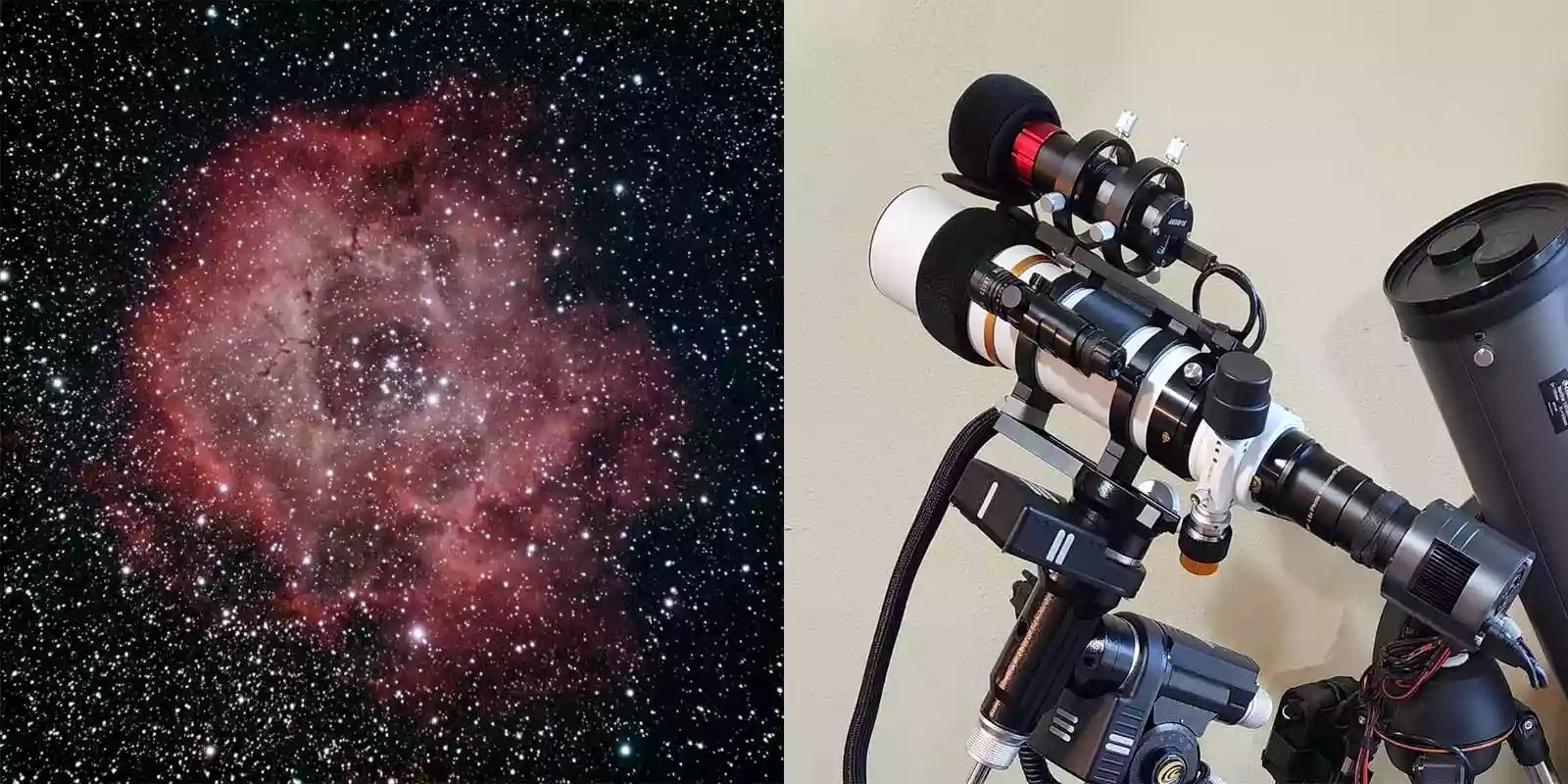
Meade 8" SCT
Orion Sirius
Exposure approx. 4 hours
Thomas Chenault
September 12, 2023
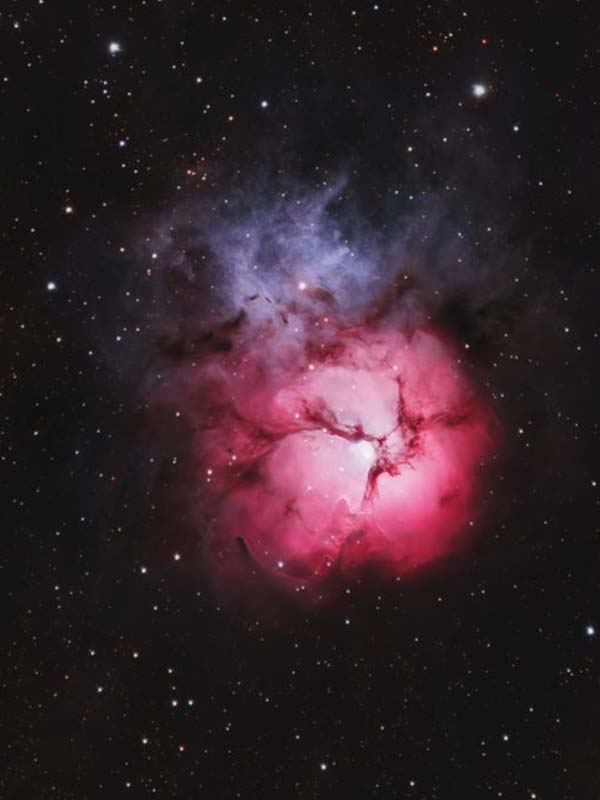
Skywatcher Heritage 150p SynScan Wifi AZ Mount
Svbony SV605CC astronomy camera
Sharpcap 4.0 / 50 frames, 6 seconds per photo (5 minutes in total)
Bortle 4
Sven Hessler
January 13, 2023
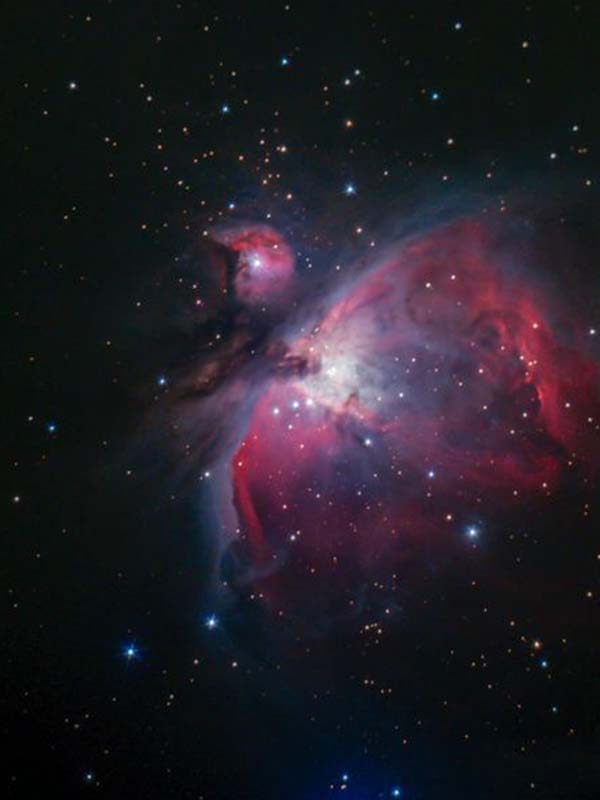
Sample Images Taken with SV405CC
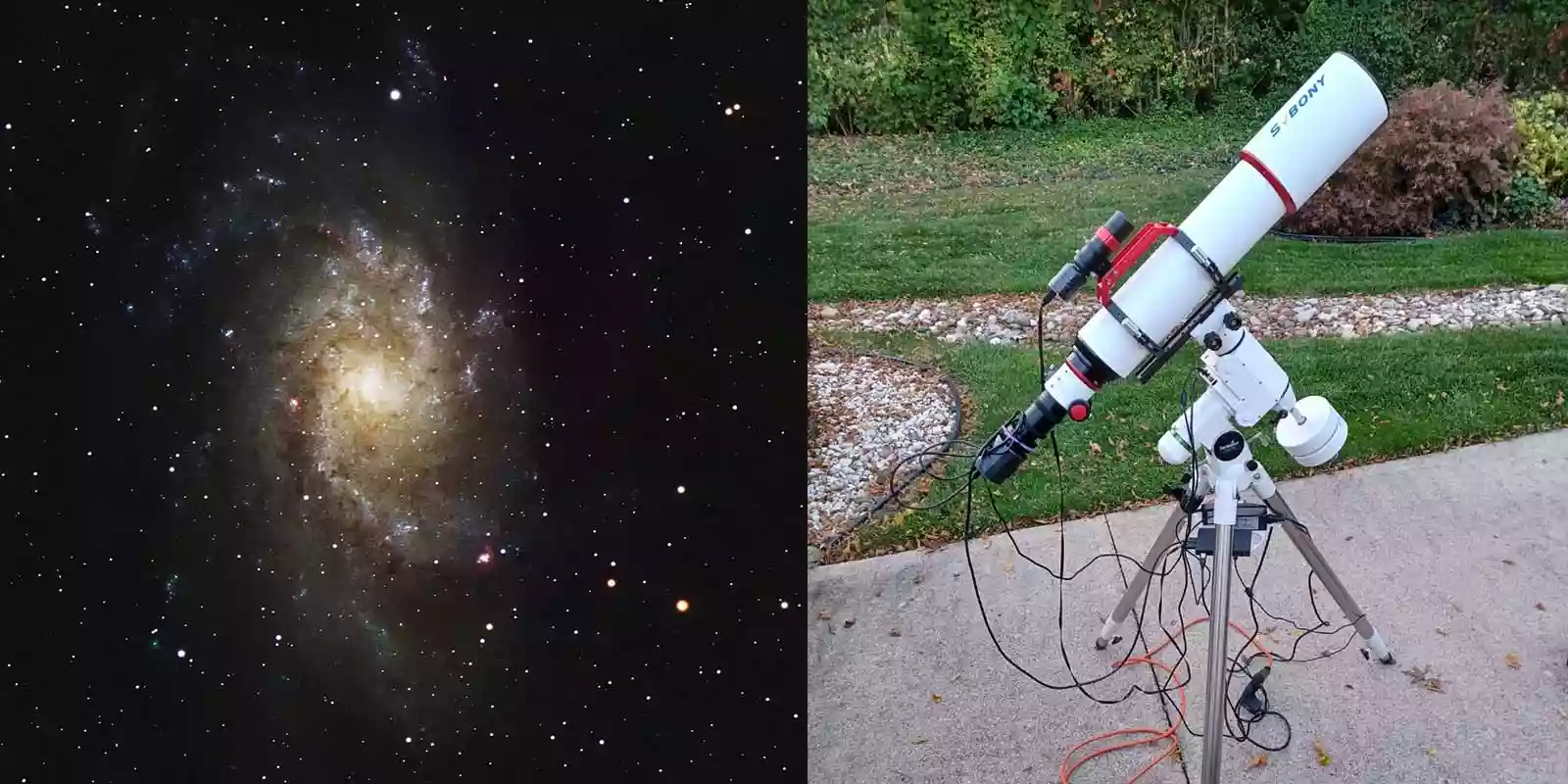
Svbony SV550 122mm
SV209 1X field flattener
Svbony SV405CC
-10 C, 120 gain
SVbony SV220 Dual Narrow Band Filter
Astromania 2" IR/UV Cut FilterMount
Sky-Watcher HEQ5 ProGuide
SVBony SV106 60mm Guide -SV305
Sharpcap ProStacked
Bortle 6
Dudley Eirich
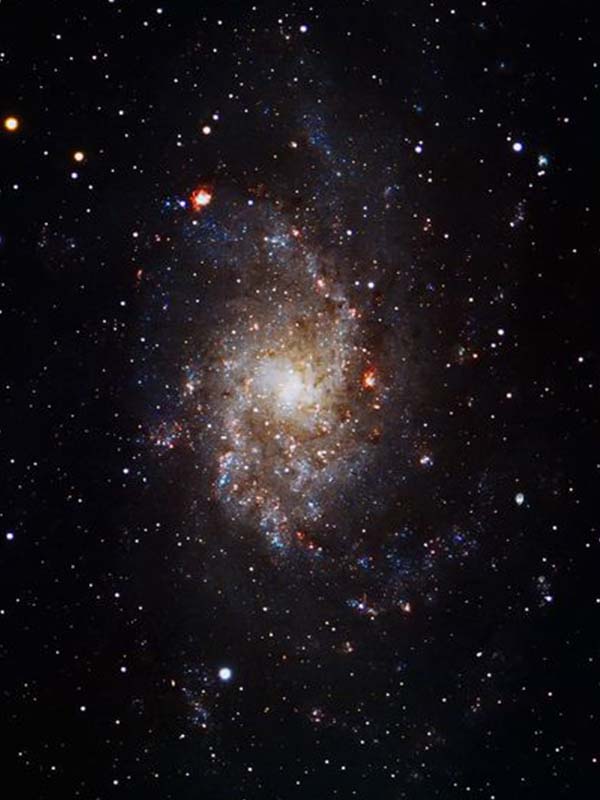
SVBONY SV503 80ED
SV193 Flattener
Svbony SV405CC OSC Cooled Camera
astromania 50mm Helical Guide ScopeGuide
SVBONY SV905C
SVBONY SV220
17.5 hours Processed
Kaiden Bain
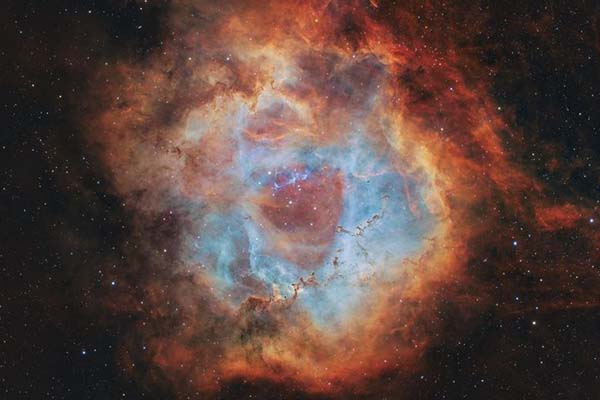
SVBONY SV550 80mm
SC405CC color camera
SV705C and PHD2 as guides
ZWI AM5 mount
Nicholas Barrowclough
Planetary Camera: Capturing Planetary in Detail
Deep-sky is one world; the planets, Moon, and Sun are another. Here, the game isn't long exposures but high-speed video. You take a minute-long video of a planet, capturing thousands of frames. Then, software finds the sharpest frames (where the atmosphere was momentarily stable) and stacks them into a stunning, detailed final image. This is "lucky imaging."
SV705C
The SV705C color planetary camera, equipped with its high-resolution sensor and high-speed USB 3.0 interface, is specifically designed to capture fleeting moments of atmospheric stability.
Why it's great: The large, high-resolution sensor is fantastic for both planets and the Moon, providing a generous field of view while resolving incredible detail. It's a versatile tool that can even be used for brighter deep-sky objects.
SC715C
For the ultimate in sensitivity and speed, the SC715C planetary camera is a top contender. Its smaller pixels are perfect for getting a tight, detailed shot of planets, even on nights when the atmosphere isn't perfectly calm.
Why it's great: Its exceptional sensitivity means you can use very short exposure times, freezing the turbulence of our atmosphere to capture sharper individual frames. This can lead to a cleaner, more detailed final stack.Perfect for snapping crisp shots of Jupiter's swirling clouds or Saturn's rings.
Hope that would be helpful to you all. Embark on your journey through the night sky and discover the wonders of deep space photography!
Your First Astrophotography Camera Settings
You've got the gear, but what do you do with it? Let's demystify the core controls for a dedicated camera.
Gain: Finding the Sweet Spot
Gain is like the volume knob for your sensor. Turn it up, and you amplify the signal (the starlight), but you also amplify the noise. Every camera has a "unity gain" or an "optimal gain" setting where this balance is just right. It's not always the highest number! Start with the manufacturer's recommended value.
Exposure Time
How long do you expose each frame? This depends on your target and your mount. For bright planets, milliseconds. For faint galaxies, several minutes. The key is to go as long as you can without your stars trailing due to tracking errors. Start with 60-120 second exposures for nebulae and adjust from there.
Integration Time
This is the most important setting that isn't a setting at all. It's the total time you spend on a target. A single 5-minute frame is good. Twenty 5-minute frames (that's 100 minutes total integration) are exponentially better. Stacking all those frames averages out the noise and reveals the true signal. More time always wins.
Your Celestial Roadmap: How to Choose
Feeling overwhelmed? Let's simplify it.
What do you want to image?
Planets, Moon, Sun: Choose a planetary camera like the SV705C or SC715C.
Nebulae, Galaxies: Move to question 2.
What's your experience level?
Just starting, want simplicity: A cooled color camera like the SV405CC is your best bet.
Want a bigger color field of view: The SV605CC is a fantastic upgrade.
Ready for a challenge and max quality: The monochrome SV605MC is your gateway to pro-level results.
Conclusion
The best camera for astrophotography beginners is the one that balances your budget with your ambition. You don't need the most expensive gear to start. You just need a reliable tool - whether it's a camera or one of the recommended telescopes for beginners - and the passion to learn. So, what are you waiting for? The universe is your subject. Pick your equipment, point it to the sky, and start capturing your own little pieces of infinity.
We'd love to hear from you! What was your first astrophotography camera? Share your experiences and questions in the comments below. Clear skies
 Google
There are no customer reviews yet . Leave a Reply !