

Table of Contents
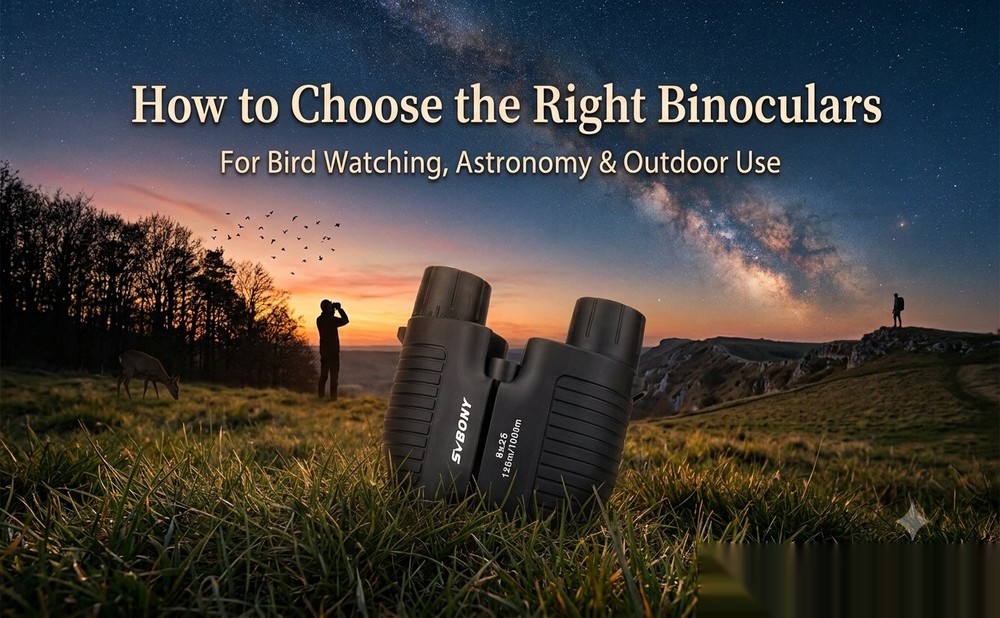
Binoculars Guide: How to Choose the Right Binoculars for Bird Watching, Astronomy, and Outdoor Use
Binoculars are versatile optical tools designed for observing distant objects with greater detail. They are widely used for bird watching, wildlife observation, outdoor exploration, hunting, travel, and exploring the night sky.
Many users ask what are binoculars used for before choosing their first pair. The right binoculars depend on your observing goals, whether you need binoculars for birding watching, binoculars for stargazing, or a lightweight option for everyday observation.
This binoculars guide explains magnification, objective lens size, different binocular types, and how to choose binoculars based on your needs.
What Are Binoculars Used For?
Binoculars can be used in many situations, from casual viewing to specialized outdoor observation.
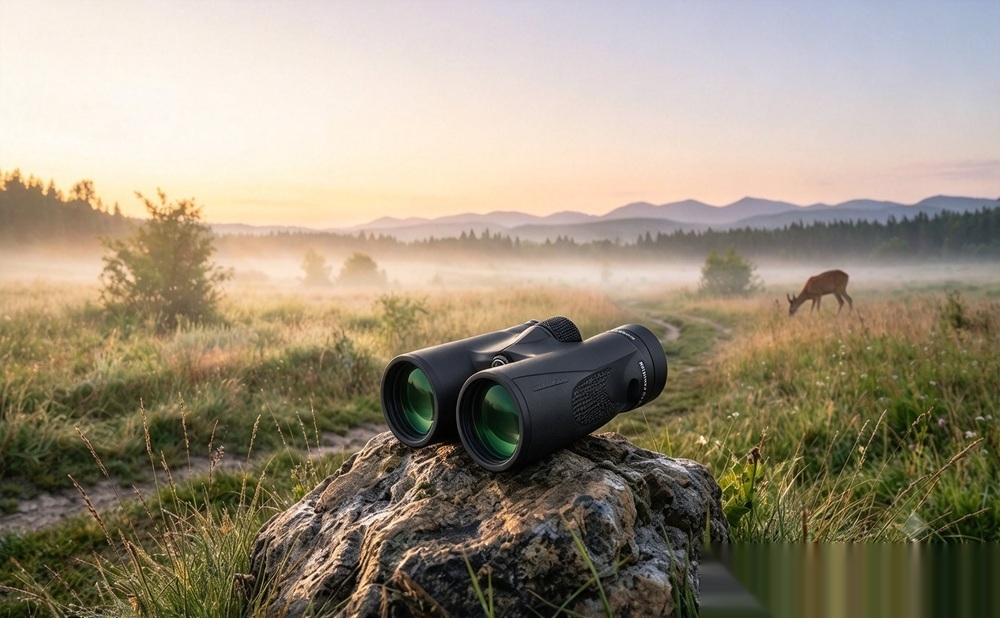
Bird Watching and Wildlife Observation
For bird watchers, the best bird watching binoculars should provide a balance between magnification, brightness, field of view, and comfort.
Many users choose 8×42 binoculars because they provide:
- A wide field of view for tracking birds
- Comfortable handheld viewing
- Clear details for identifying species
Models such as SVBONY SA207 Pro 8×42 APO binoculars, SA205 8×42 ED binoculars, and SV202 ED binoculars are designed for outdoor observation with improved optical performance.
For wildlife observation, binoculars with good brightness and comfortable handling can help users view distant subjects without carrying heavy equipment.

Astronomy and Stargazing
Astronomy binoculars provide an easy way to explore the night sky without complicated setup.
Compared with telescopes, binoculars offer a wider field of view, making them useful for observing star clusters, the Milky Way, and other large celestial objects.
For users looking for binoculars for stargazing, popular choices include:
- 15×70 binoculars
- 20×80 binoculars
- 25×100 binoculars
Larger objective lenses collect more light, which helps improve visibility when observing stars and deep-sky objects.
The SVBONY SV206 10×50 binoculars are also suitable for wide-field observation and outdoor viewing.
Hunting and Outdoor Observation
For binoculars for hunting applications, durability, brightness, and weather protection are important considerations.
Outdoor users often prefer waterproof binoculars because they can provide reliable performance in changing environments.
Important features include:
- Good low-light performance
- Durable construction
- Comfortable handling
The SVBONY SV27 7×50 binoculars with rangefinder and compass functions are designed for outdoor observation where distance awareness and navigation support are useful.
Home Observation and Everyday Use
For users searching for the best binoculars for home use, a versatile model with moderate magnification is usually a practical choice.
Binoculars can be used for:
- Backyard bird watching
- Landscape viewing
- Outdoor activities
- Nature observation
Lightweight models are also suitable for binoculars for kids and beginners because they are easier to hold and operate.
Understanding Binocular Specifications
Before buying binoculars, understanding the numbers on the body is essential.
For example:
8×42 binoculars
- 8× represents magnification
- 42mm represents objective lens diameter
Magnification affects how close objects appear, while objective lens size affects light gathering ability.
Common choices include:
- 8×42 binoculars – balanced option for bird watching and general use
- 10×50 binoculars – more brightness and detail for outdoor viewing
- 15×70 binoculars – popular for astronomy
- 20×80 binoculars – suitable for larger sky views
Higher magnification provides more detail but may require steadier support. Larger lenses improve brightness but usually increase size and weight.
How Do I Pick Out Binoculars?
Many users search how do I pick out binoculars because different activities require different features.
Choose Based on Your Purpose
Your main activity should determine the type of binoculars you need.
Consider Size and Portability
Compact binoculars are designed for users who want lightweight and portable optics.
They are suitable for:
- Travel
- Hiking
- Outdoor events
- Everyday observation
When choosing the best compact binoculars, consider weight, optical quality, focusing comfort, and durability.
Consider Optical Features
Optical quality plays an important role in viewing performance.
Features such as:
- ED glass
- Fully multi-coated lenses
- Improved light transmission
- Waterproof construction
can improve image sharpness, color accuracy, brightness, and durability.
SVBONY offers options such as ED binoculars for users who want improved optical clarity for outdoor observation.
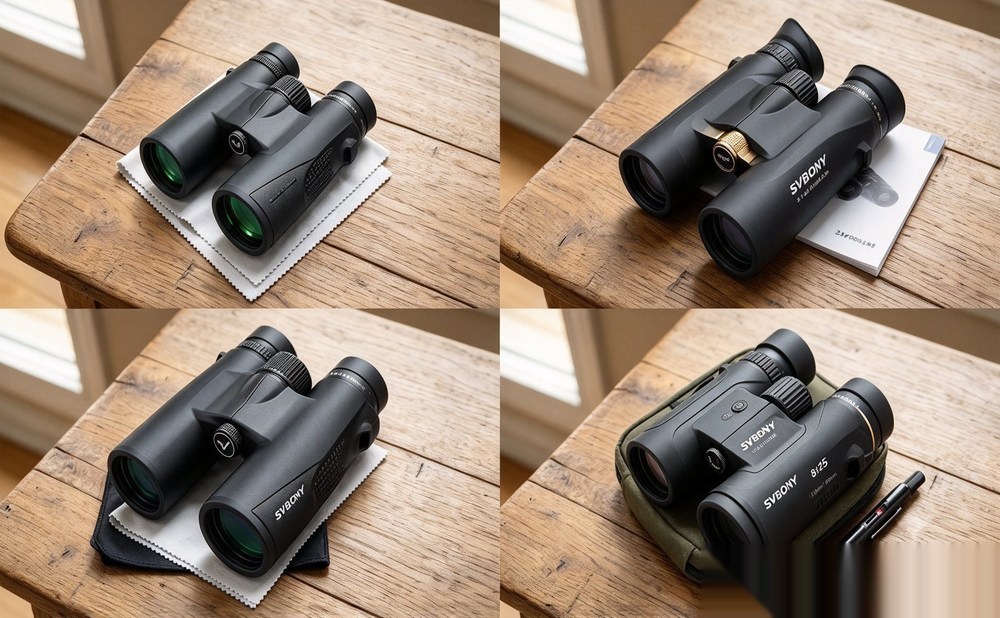
Different Types of Binoculars
Night Vision Binoculars
Night vision binoculars use electronic imaging technology and infrared illumination to improve visibility in low-light conditions.
They are suitable for:
- Night wildlife observation
- Outdoor exploration
- Low-light viewing
When choosing night vision models, consider image sensitivity, viewing distance, battery life, and ease of operation.
SVBONY SA206 digital infrared binoculars and SX31 digital night vision binoculars are designed for nighttime observation.
Binoculars with Camera
Binoculars with camera combine optical viewing with digital recording.
They allow users to capture:
- Wildlife moments
- Outdoor activities
- Travel experiences
Important features include image quality, storage capability, and ease of use.
The SVBONY SA208 camera binoculars combine observation and recording functions in one device.
Binoculars with Rangefinder
Binoculars with rangefinder functions combine viewing and distance measurement.
They are mainly used for specialized outdoor activities where knowing the distance to a target is important, such as hunting or field observation.
Binoculars Telescope Difference: Which One Should You Choose?
Understanding the binoculars telescope difference helps users select the right optical tool.
Choose binoculars if you want:
- Easy setup
- Portability
- Wide views
Choose a telescope if you need:
- Higher magnification
- Planetary details
- Deep-sky imaging
How Much Should I Pay for a Good Pair of Binoculars?
Many buyers ask how much should I pay for a good pair of binoculars before making a purchase.
The price depends on optical quality, materials, features, and intended use.
A general guide:
Entry-Level Binoculars: Under $100
Suitable for:
- Beginners
- Casual observation
- Family outdoor activities
Mid-Range Binoculars: $100–300
Suitable for:
- Bird watching
- Wildlife observation
- Regular outdoor use
These models often provide better coatings and improved optical performance.
Advanced Binoculars: $300+
Suitable for:
- Serious bird watchers
- Astronomy enthusiasts
- Specialized outdoor users
The best choice is not always the most expensive option. Choose binoculars that match your observation goals and preferred activities.
Find the Right Binoculars for Your Observation Goals
Choosing the right binoculars depends on how and where you plan to use them. Bird watchers may prioritize a wide field of view and comfortable handling, while astronomy enthusiasts may prefer larger apertures for brighter views of the night sky.
By understanding magnification, objective lens size, optical features, and different binocular types, you can find a pair that provides a clearer and more enjoyable viewing experience.
 Google
 Amazon
There are no customer reviews yet . Leave a Reply !