
Table of Contents
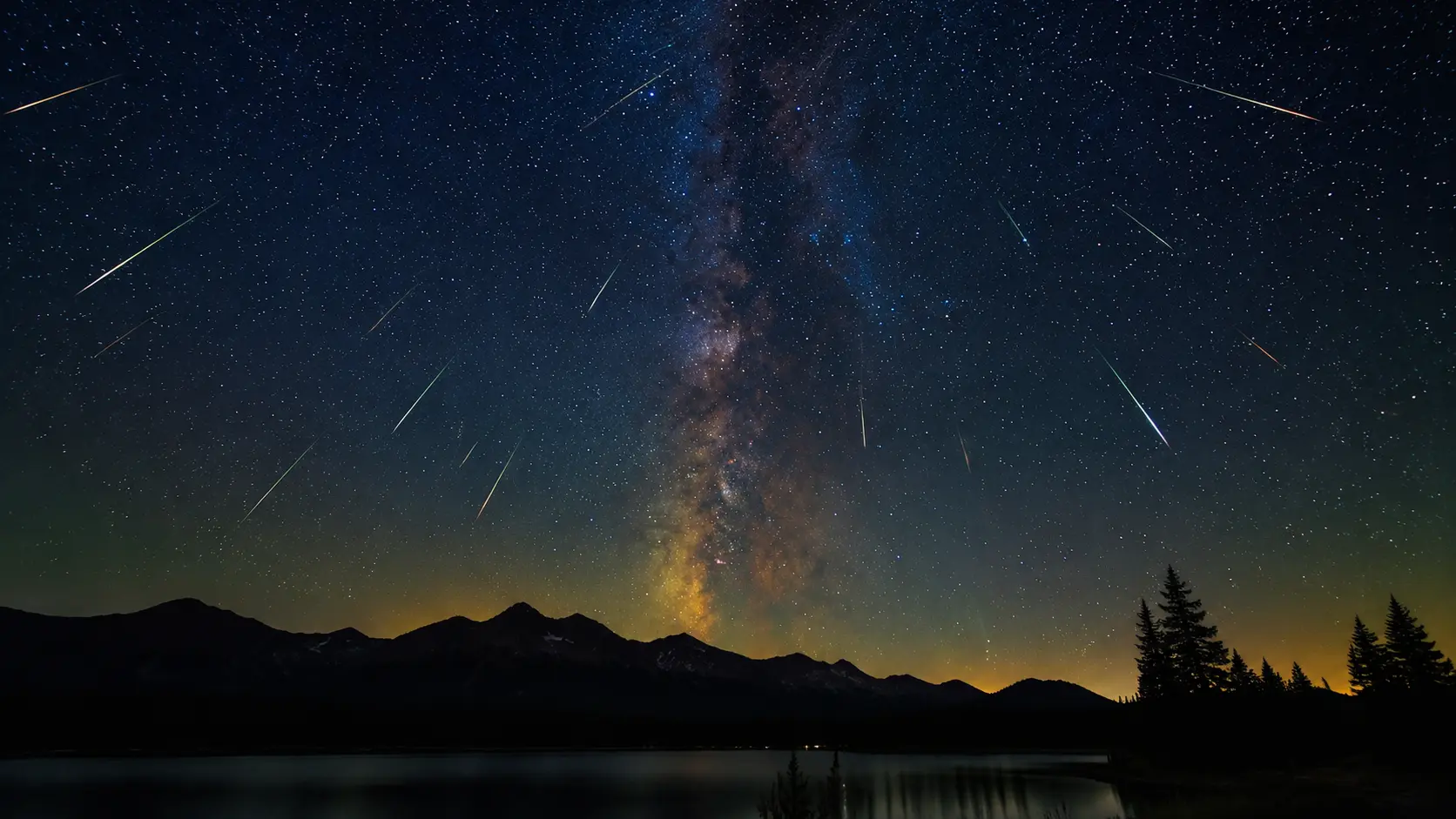
The Perseids Meteor Shower 2026: A Complete Guide to Watching the Summer Sky
The Perseids are among the most popular annual displays, giving skywatchers a chance to spot dozens of bright streaks across the sky. The following section provides details about the 2026 Perseid meteor shower. And covers something you need for the best viewing: when to look, where to look, and how to watch the Perseid Meteor Shower in 2026.
Whether you're an experienced stargazer or just looking for a calm nighttime pastime, knowing the timing, location. And the optimal viewing conditions will let you enjoy this natural light show.
What Is the Perseid Meteor Shower and Why Is It Special?
For astronomy enthusiasts unfamiliar with the Perseid meteor shower, this section provides a helpful introduction. The Perseids meteor shower occurs every year when Earth passes through a trail of dust and debris left behind by the comet Swift-Tuttle. As these tiny particles enter Earth's atmosphere at high speeds, they heat up and create bright flashes of light known as meteors. So
they're not stars falling from space, but tiny fragments of comet Swift-Tuttle that burn up in the atmosphere. The streaks seem to come from the constellation Perseus, so that's where the name comes from.
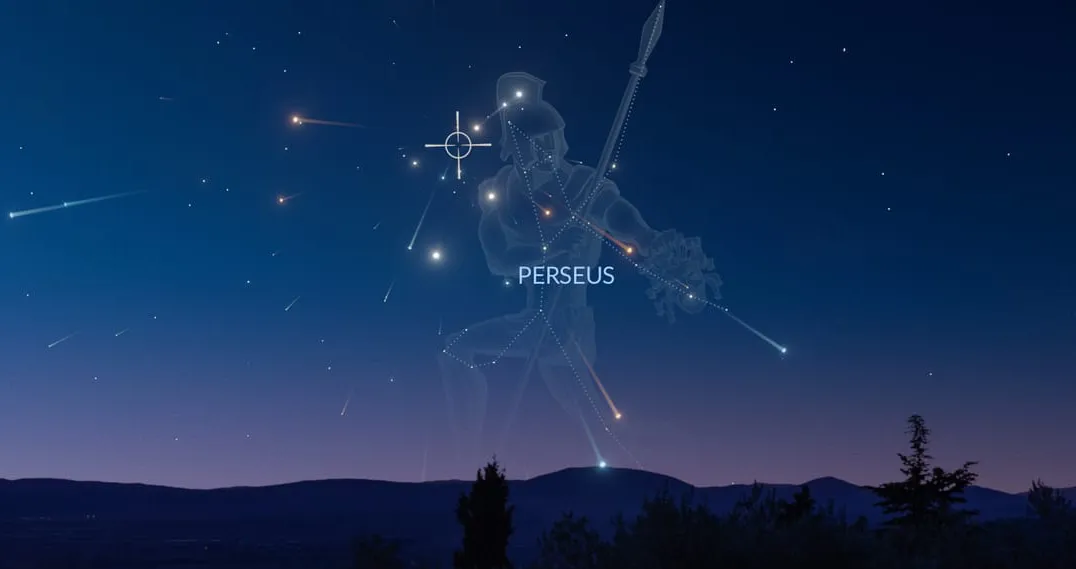 Perseid meteors are bright, fast, and sometimes leave glowing tails. Those traits make the shower an easy, fun one for beginners.
The Perseids Create Such Bright Meteors
The Perseid meteor shower is especially popular because it can produce many visible meteors under good conditions. Unlike some astronomical events that require telescopes or special equipment, the Perseids can be enjoyed with the naked eye.
The combination of active meteor rates, warm summer nights, and bright streaks across the sky makes the Perseids a favorite celestial event such as the Perseids for families, photographers, and amateur astronomers.
When Is the Perseid Meteor Shower in 2026?
Perseids Meteor Shower 2026 Peak Time
When are the Perseid meteor shower and peak time in 2026? The shower usually appears from mid-July through late August, with the strongest activity occurring around the middle of August. The best time to watch Perseids meteor shower is typically after midnight and before sunrise during the peak period in August.
For observers planning ahead, the Perseids meteor shower 2026 peak time is expected around the annual maximum period in August. The 2026 Perseids meteor shower peak date will provide the best opportunity to see the highest number of meteors.
The exact number of visible meteors depends on location, weather, light pollution, and the brightness of the Moon. The 2026 Perseids meteor shower peak date ZHR predictions describe the theoretical maximum rate under perfect dark-sky conditions, but real-world viewing numbers are usually lower.
Moon Phase and Viewing Conditions During the 2026 Perseids
The 2026 Perseids meteor shower peak date moon phase is an important factor when planning your observation. A bright Moon can reduce visibility by washing out faint meteors, while a darker sky allows more meteors to appear.
The Perseids meteor shower best time to watch is generally after midnight and before dawn when the radiant point is higher in the sky. During these hours, observers often have a better chance of seeing more meteors.
Key Viewing Details
- Peak Dates: Overnight from August 12 into the morning of August 13, 2026.
- Best Hours: From midnight to dawn, with the highest rates typically occurring in the last dark hours before dawn.
- Moon Phase: A New Moon on August 12 means total darkness with zero moonlight interference, making 2026 an exceptional year for visibility.
- Expected Rate: 50 to 100 shooting stars per hour from a dark-sky location
Perseid Meteor Shower: Where to Look for the Best View
Where Can I See the Perseid Meteor Shower?
Many beginners ask, where can I see the Perseid meteor shower? The answer is simple: almost anywhere with a clear, dark sky. The best strategy is to move away from city lights and find an open area with a wide view of the sky. Beaches, parks, countryside locations, and mountain areas often provide excellent conditions.
When considering where to look for Perseids, avoid focusing only on the constellation Perseus. Although the meteors appear to originate from this area, they can travel across many parts of the sky. Looking slightly away from the radiant often provides longer and more impressive meteor trails.
Best Places and Conditions for Watching Perseids
The best place to watch Perseids meteor shower is a location with:
- Minimal artificial light
- Clear weather conditions
- A wide, unobstructed horizon
- Comfortable seating for long observation periods
Dark-sky locations generally provide the most rewarding experience. However, even suburban areas may allow you to see some brighter meteors.
The key is finding optimal viewing conditions rather than simply traveling far away. A comfortable, safe location with reduced light pollution can significantly improve your experience.
How to Watch the Perseids Meteor Shower Successfully
Perseids Meteor Shower Viewing Tips for Beginners
Learning how to watch the Perseids meteor shower does not require complicated equipment. The most important things are patience, a dark location, and your own eyes.
Follow these Perseids meteor shower viewing tips:
- Check the weather forecast before going outside.
- Allow at least 20–30 minutes for your eyes to adjust to darkness.
- Avoid looking at bright phone screens.
- Bring a blanket or reclining chair for comfort.
- Dress appropriately for nighttime temperatures.
Your eyes are the best instrument for viewing meteors because the shower covers a large area of the sky. Binoculars and telescopes are usually unnecessary because they limit your field of view. However, if you can still use an observation telescope to observe the clear details of the meteor shower,
Choosing the Right Location and Time
The best viewing experience comes from planning ahead. Check the Moon conditions, choose a dark location, and observe during the hours when the sky is darkest.
For photographers, a tripod-mounted camera with manual settings can capture meteor trails. However, visual observation remains the easiest way to enjoy the event.
Protecting Your Eyes and Adjusting to the Dark
Unlike solar observation, meteor watching does not require special protective eyewear. However, avoiding bright lights helps your eyes become more sensitive to faint meteors.
If you use glasses or contact lenses, wearing your normal vision correction can improve your ability to identify details in the night sky. Clear vision helps you notice more subtle movements and brightness changes.
Perseid Meteor Shower Viewing Around the World
- Northern Hemisphere: Provides the highest rates (up to 100 meteors per hour) because the radiant constellation Perseus climbs high into the night sky. Because the radiant point of the shower is lower in the northern sky, observers may have better opportunities in the northern Hemisphere.
You can observe the 2026 Perseid meteor shower from anywhere in the United States, as the entire country lies in the Northern Hemisphere. For those wondering where to watch Perseids meteor shower near NYC, escaping the city’s light pollution is the biggest challenge. Areas outside the urban center with darker skies can provide better visibility.
- Southern Hemisphere: Partially visible, though at a much lower rate with fewer meteors visible low on the horizon as the radiant remains near or below the horizon. Because the radiant point of the shower is lower in the northern sky, if observers are in a Southern Hemisphere country like Australia, those in the northern regions will have better viewing opportunities and experiences compared to locations further south.
Skywatchers should select open areas with northern views and minimal light pollution. Rural regions often provide better conditions than major cities.
Enjoy the Magic of the Perseids
The perseid meteor shower remains one of the most accessible and rewarding celestial events for observers of all experience levels. Whether you watch from a backyard, photograph it with professional equipment, or travel to a dark sky destination, the Perseids offer a powerful reminder of Earth's connection with the wider universe.
Planning ahead, choosing the right location, and understanding where to look for Perseids can transform a simple night outside into an unforgettable astronomical experience. The 2026 Perseids promise especially favorable conditions, making them an excellent opportunity for both beginners and experienced astronomy enthusiasts

 Google
 Amazon
There are no customer reviews yet . Leave a Reply !