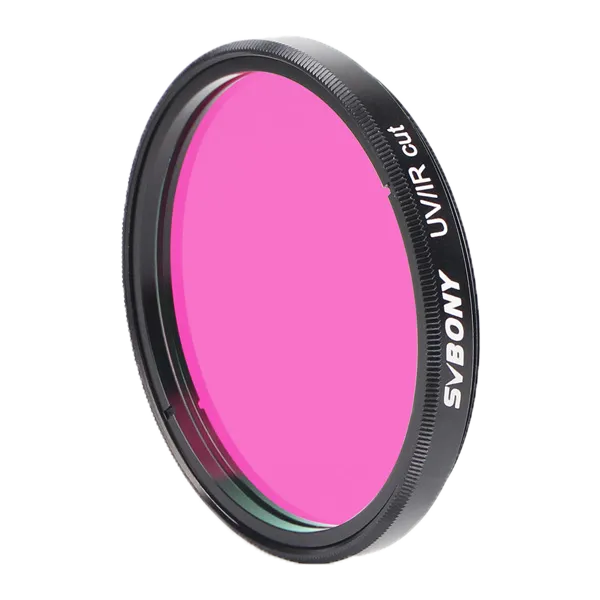
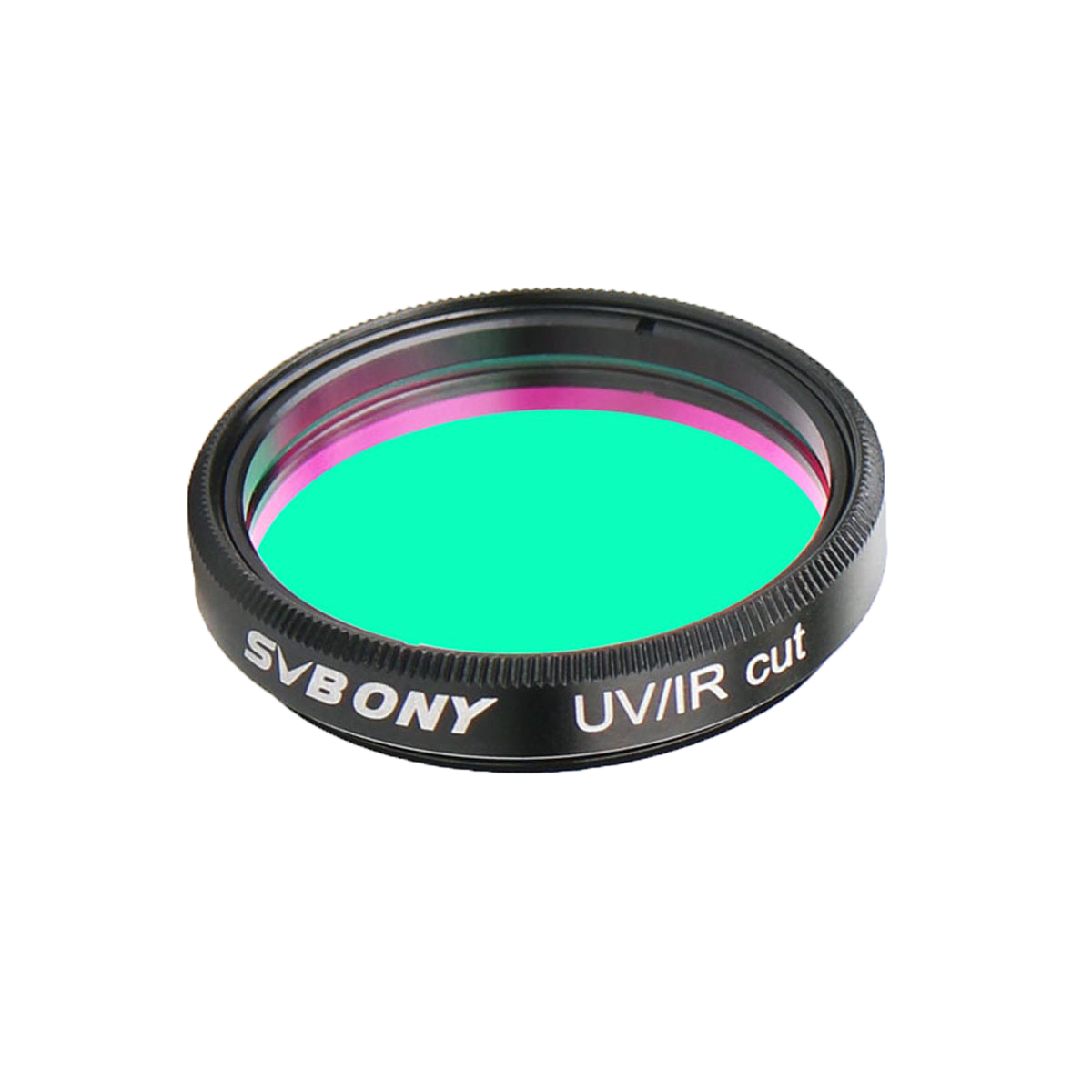
2inch UV IR Cut Filter | SVBONY
5 | ReviewsOfficial Store Exclusive – Buy now to earn points for a limited time.+2 Points
Key Features
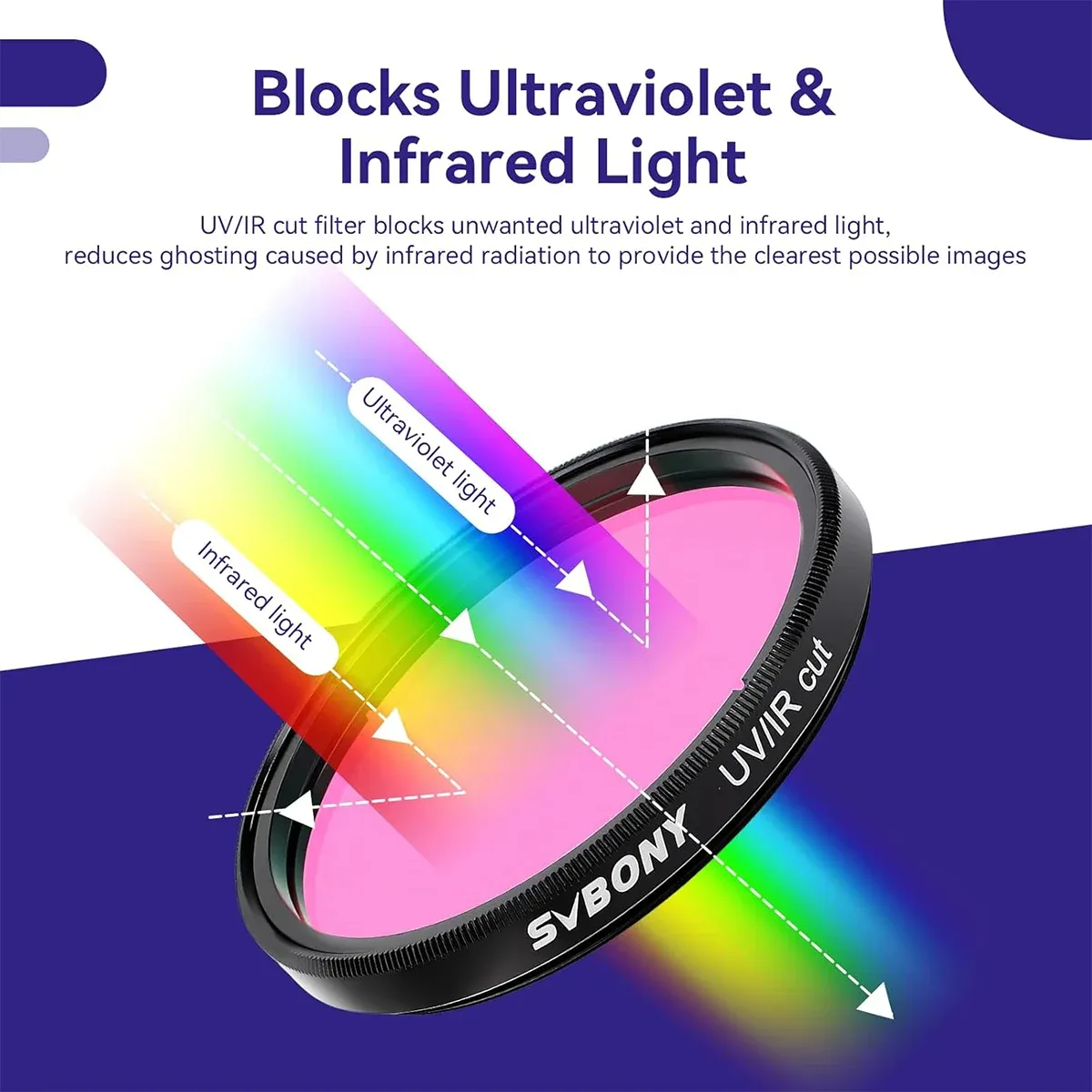
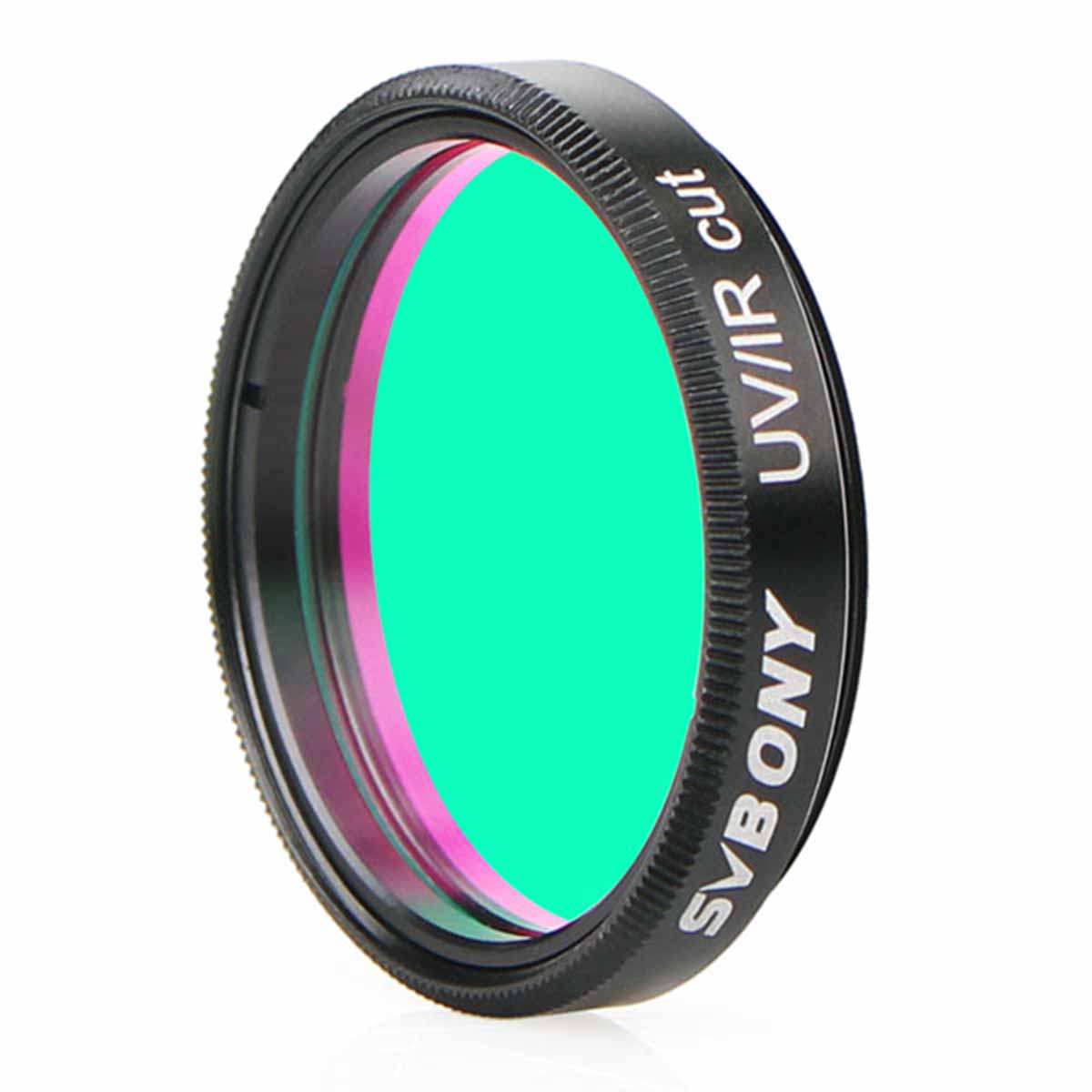
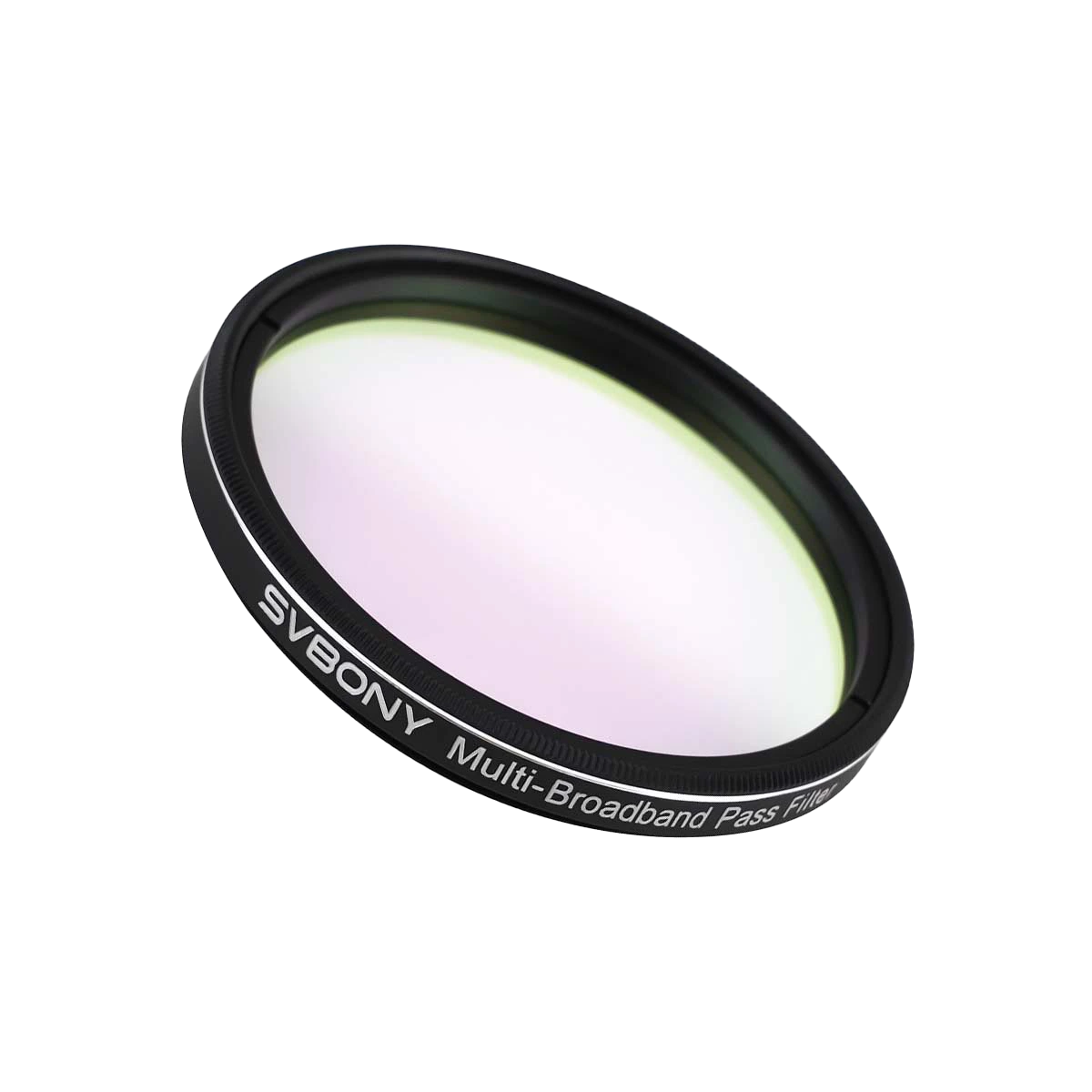
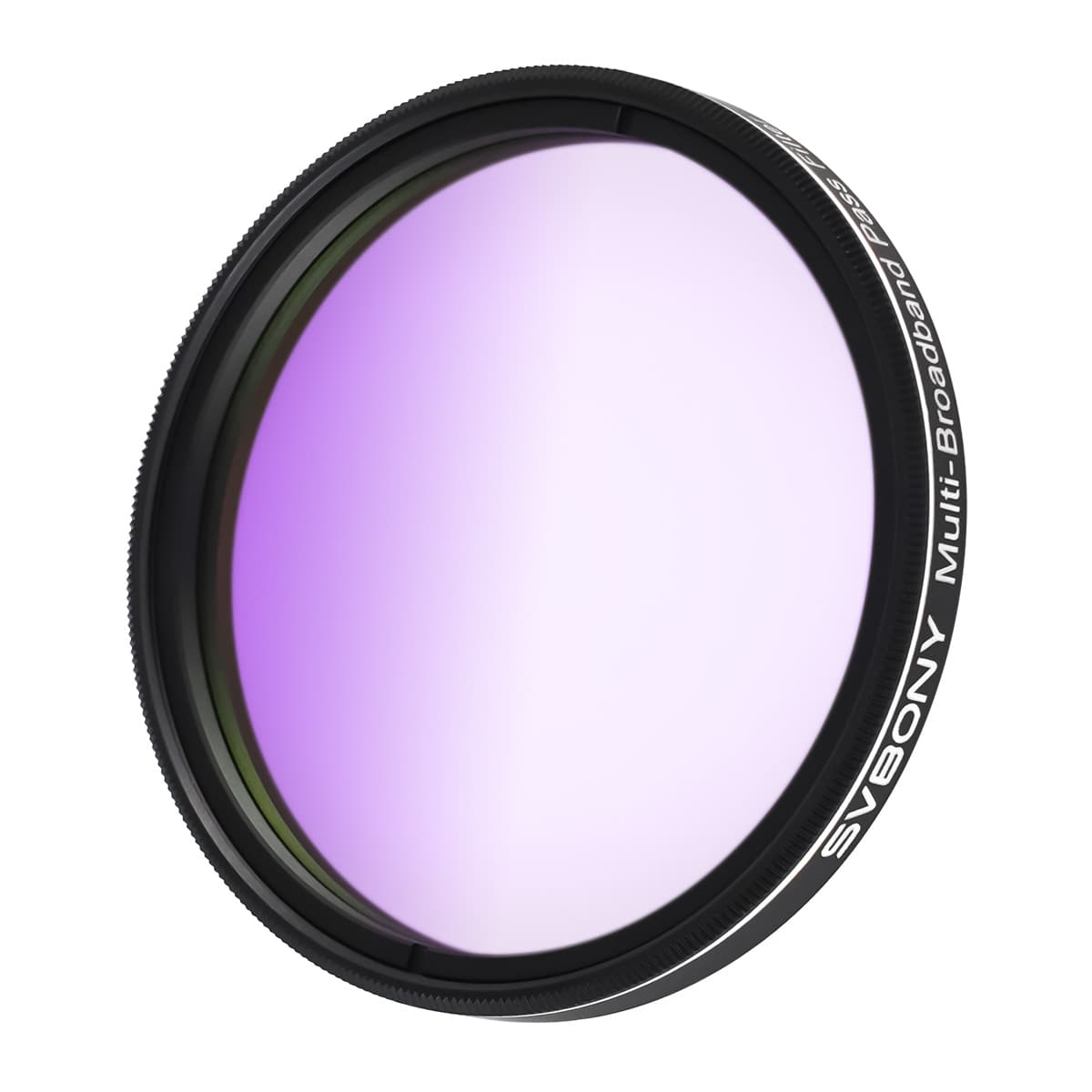
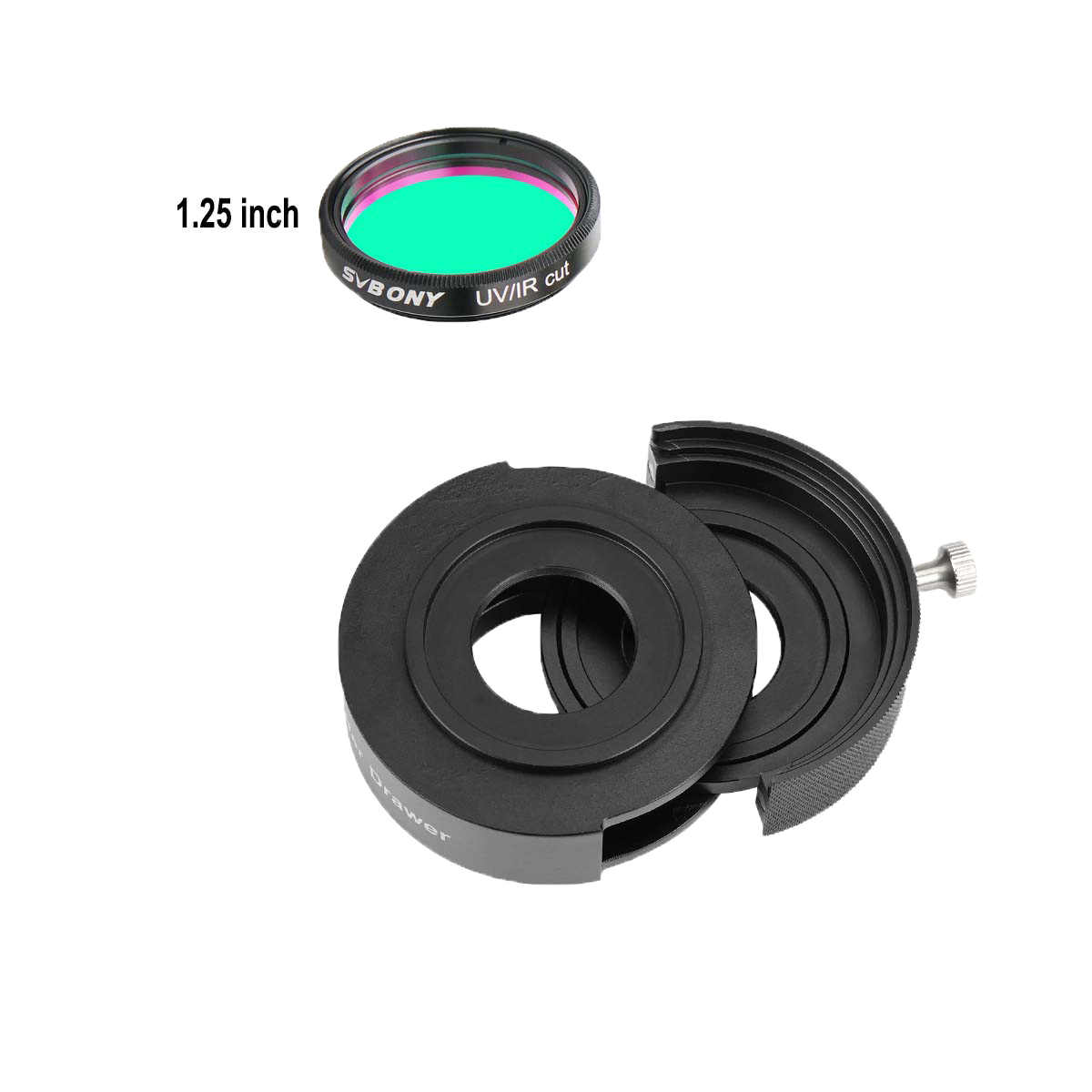
The UV/IR Cut-Off Filter effectively blocks unwanted ultraviolet and infrared rays, ensuring that your digital sensors capture high-contrast, high-quality images with greater clarity.
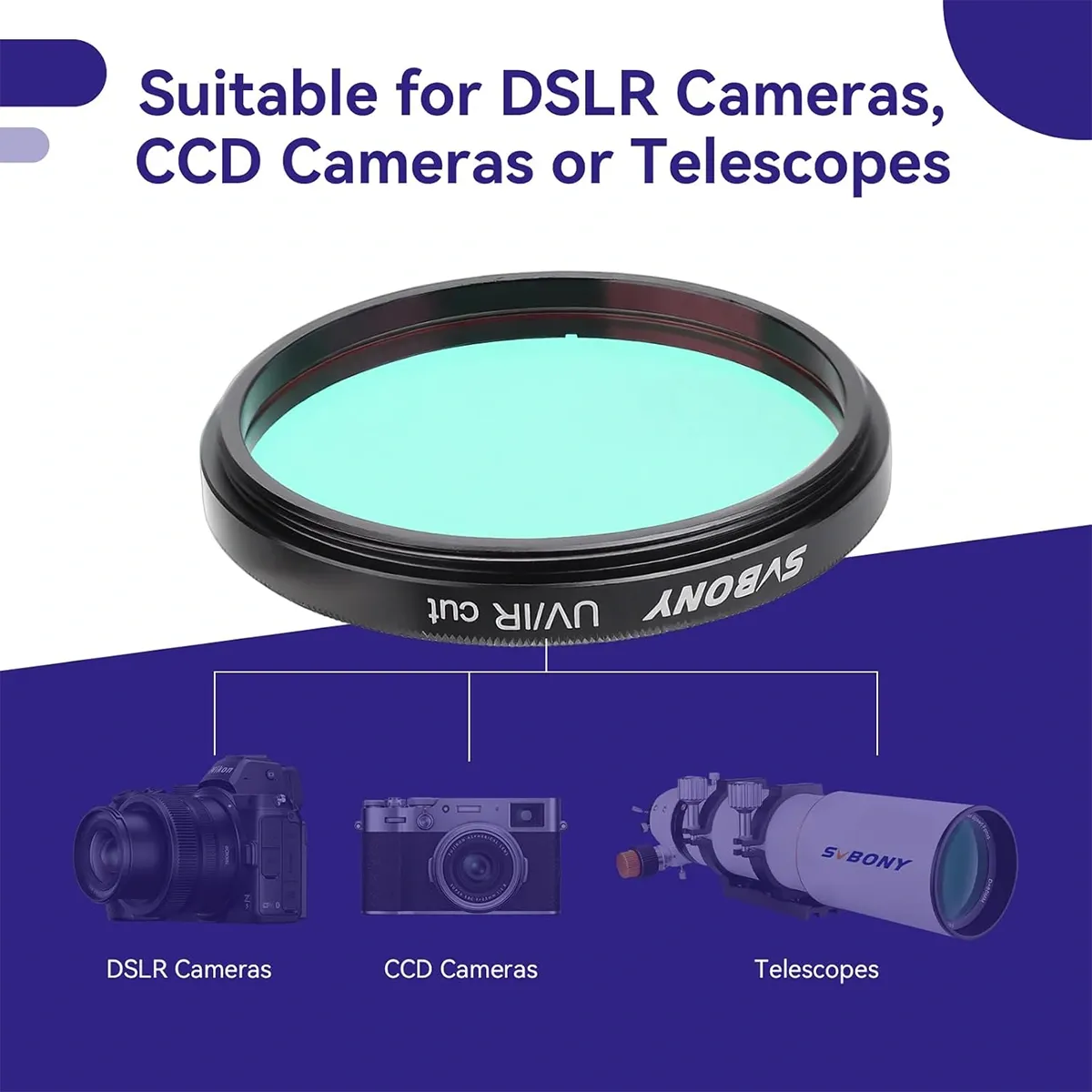
Serving as a permanent lens protector, this filter is ideal for use with DSLR cameras, CCD cameras, modified webcams, and telescopes, safeguarding your equipment while improving image quality.
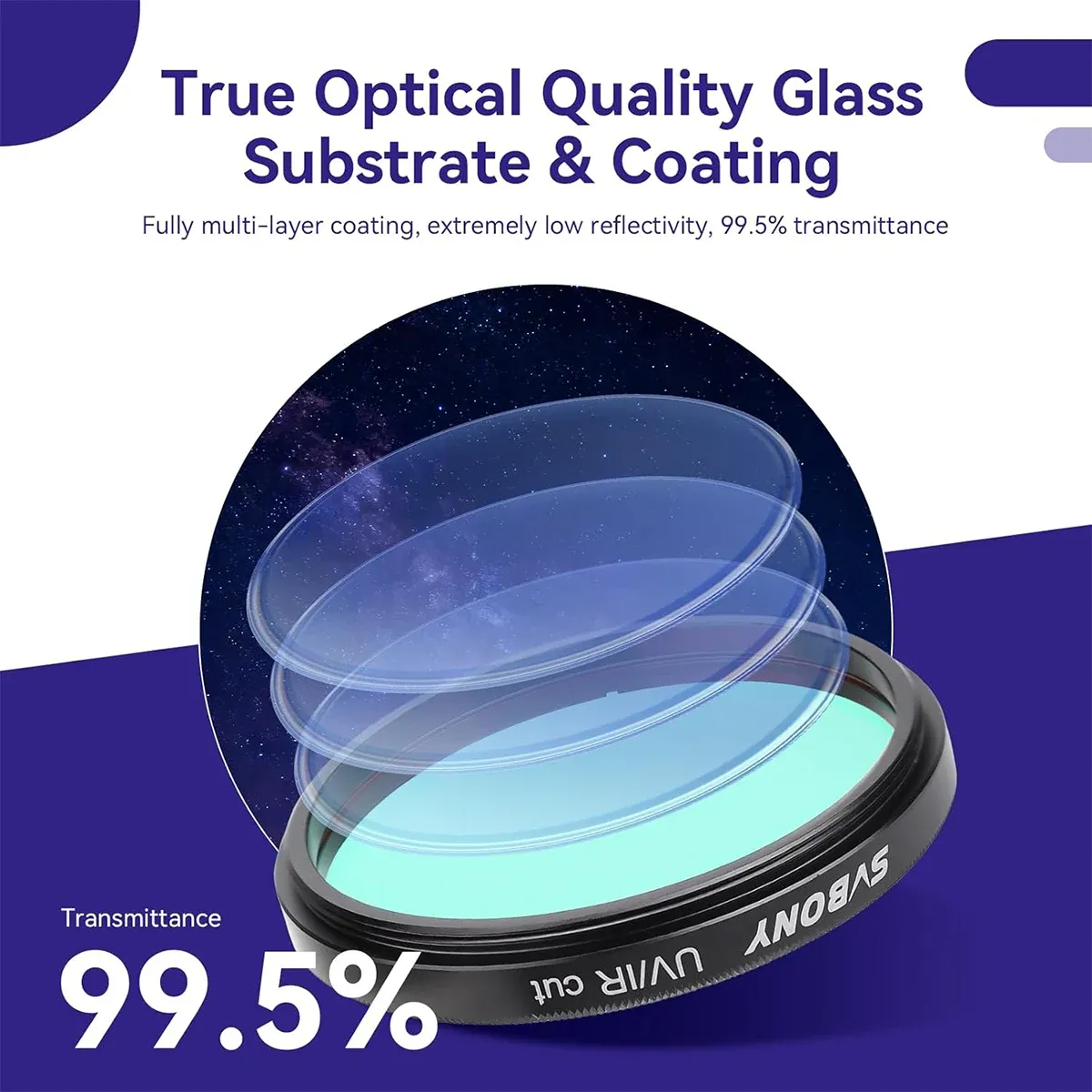
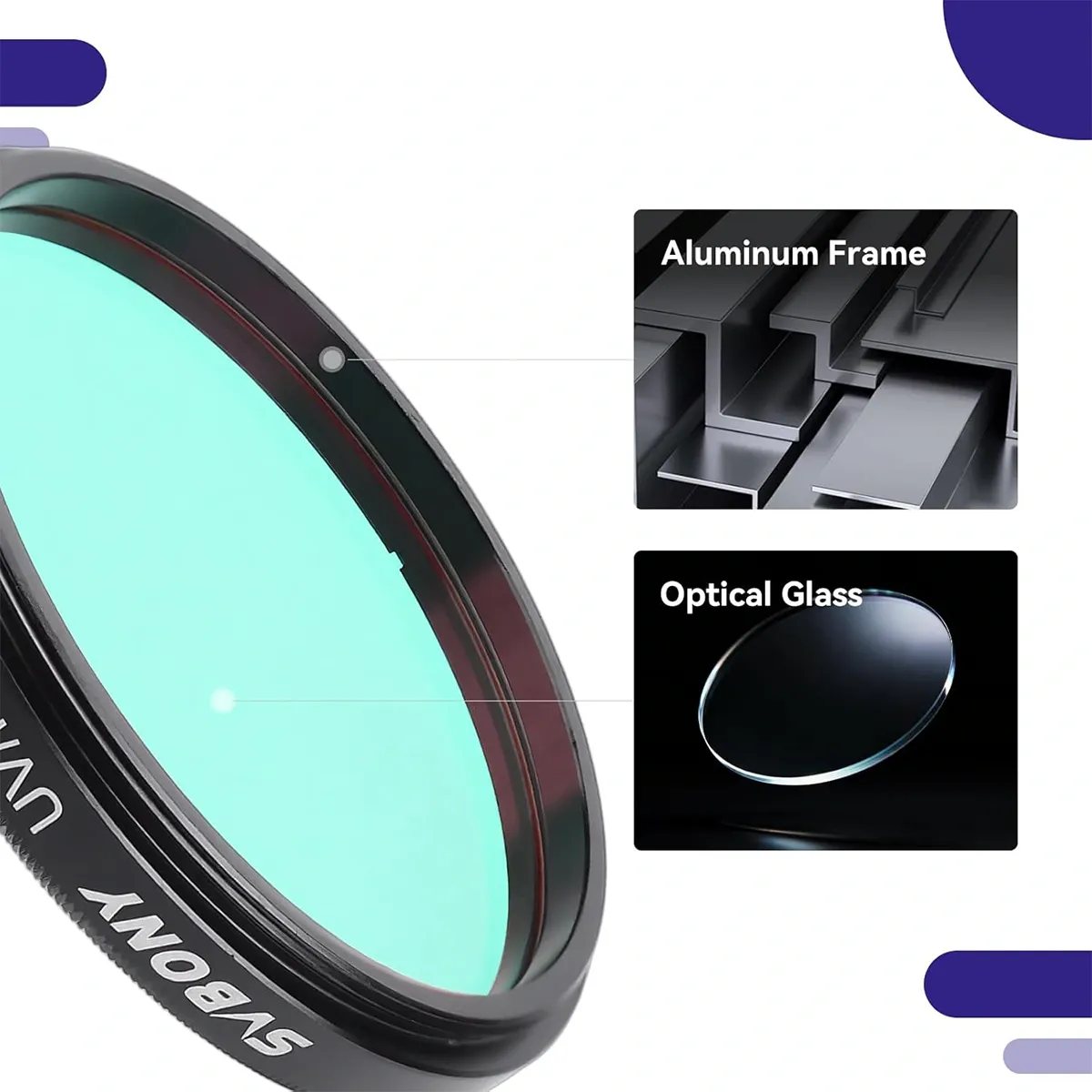
Made from true optical quality glass with advanced coatings, the filter reduces chromatic aberration, enhances color accuracy, and provides finer color gradation, resulting in more natural and detailed images.
The filter features standard 2" filter threads, making it compatible with most 2" eyepieces and accessories, helping to achieve the sharpest, clearest images while minimizing ghosting caused by IR radiation.
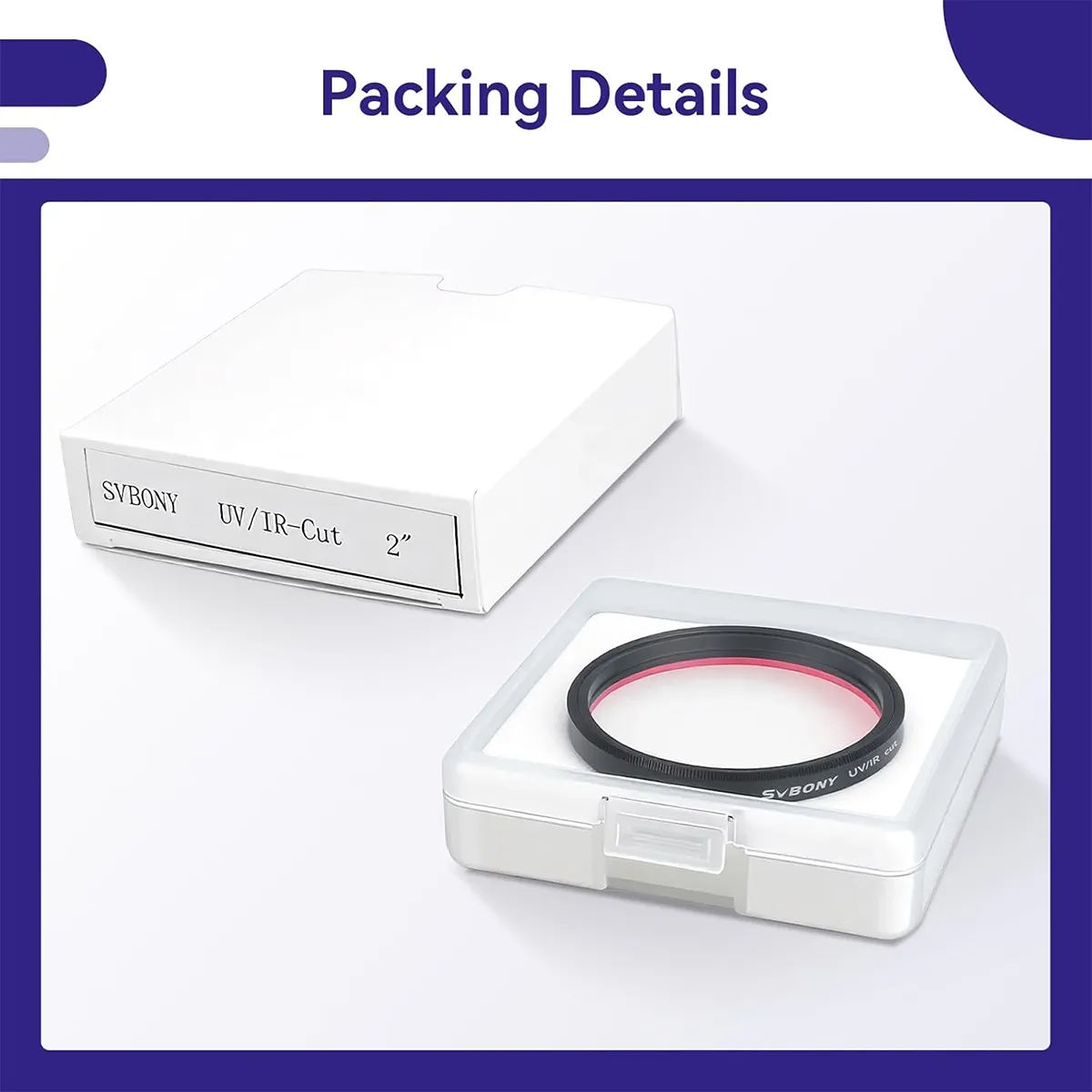
The filter comes with a protective plastic box, keeping it safe and clean when not in use, ensuring long-term reliability and preserving its performance.
🔥 {ViewpageViews} PEOPLE ARE LOOKING FOR THIS PRODUCT
Secure Payments | SSL Encrypted
Fast, Free Shipping
30-Day Money-Back Guarantee
Hassle-Free Warranty | No Hidden Fees
Lifetime Technical & Customer Support
Payment Methods
Payment Methods

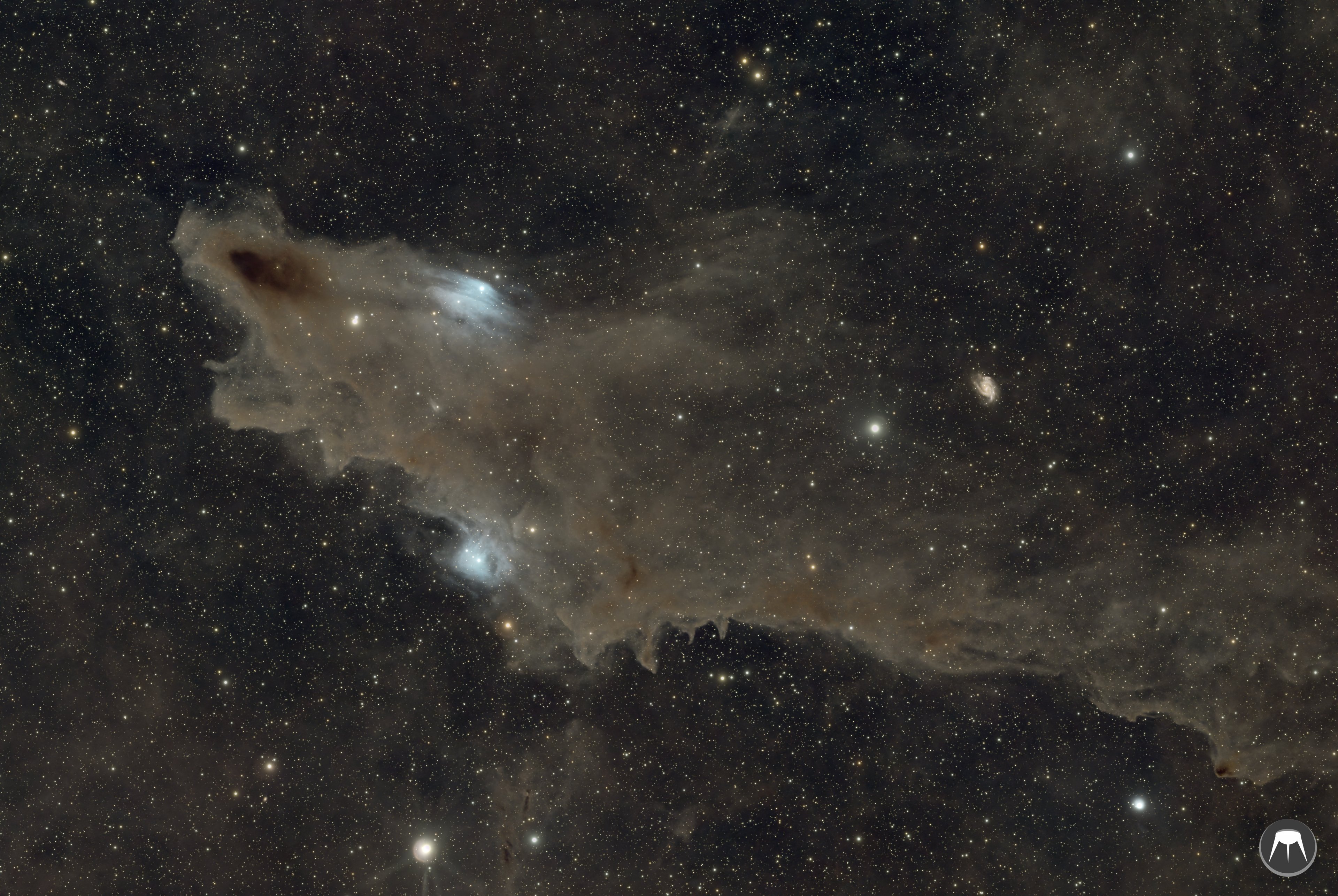
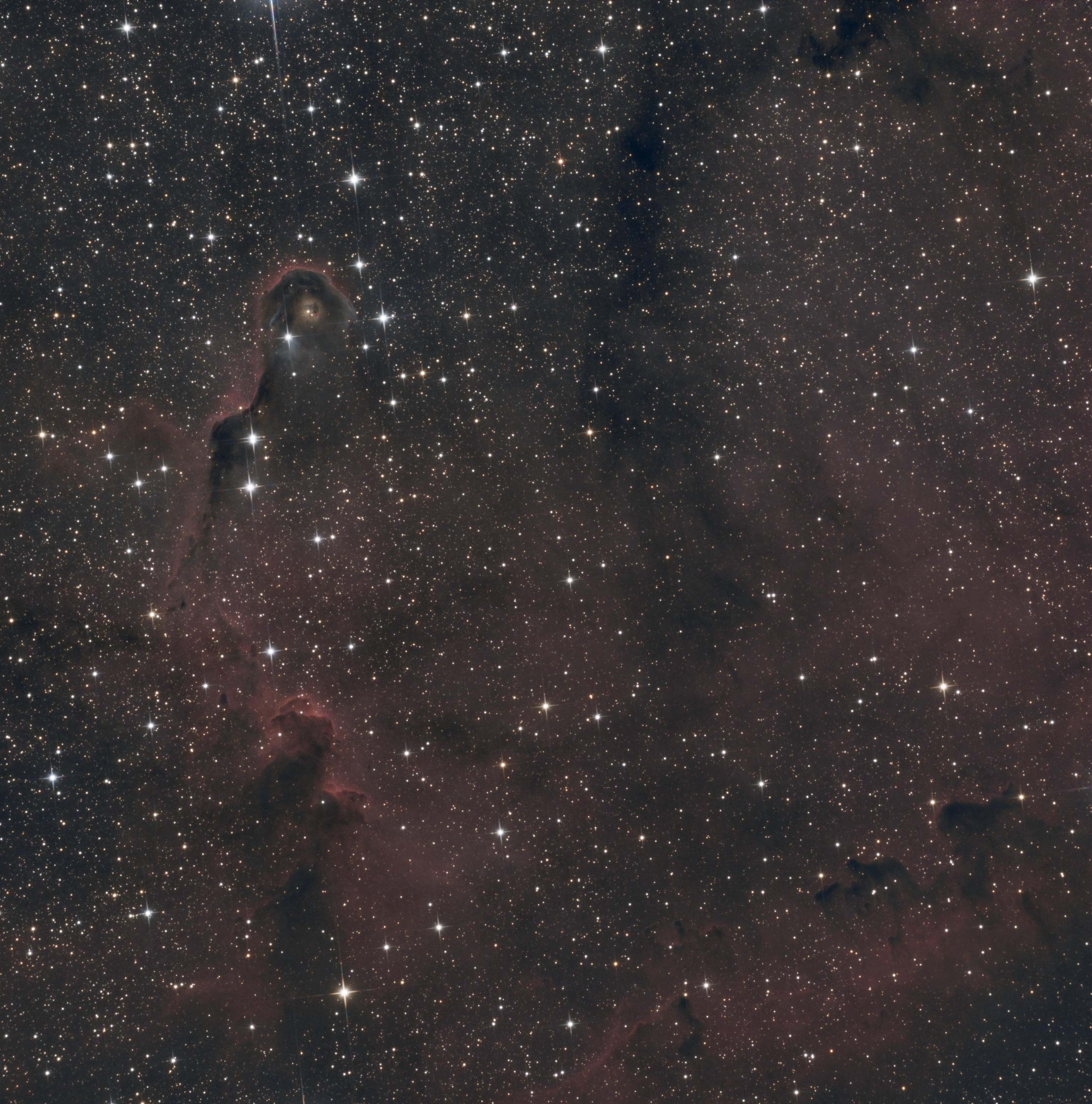
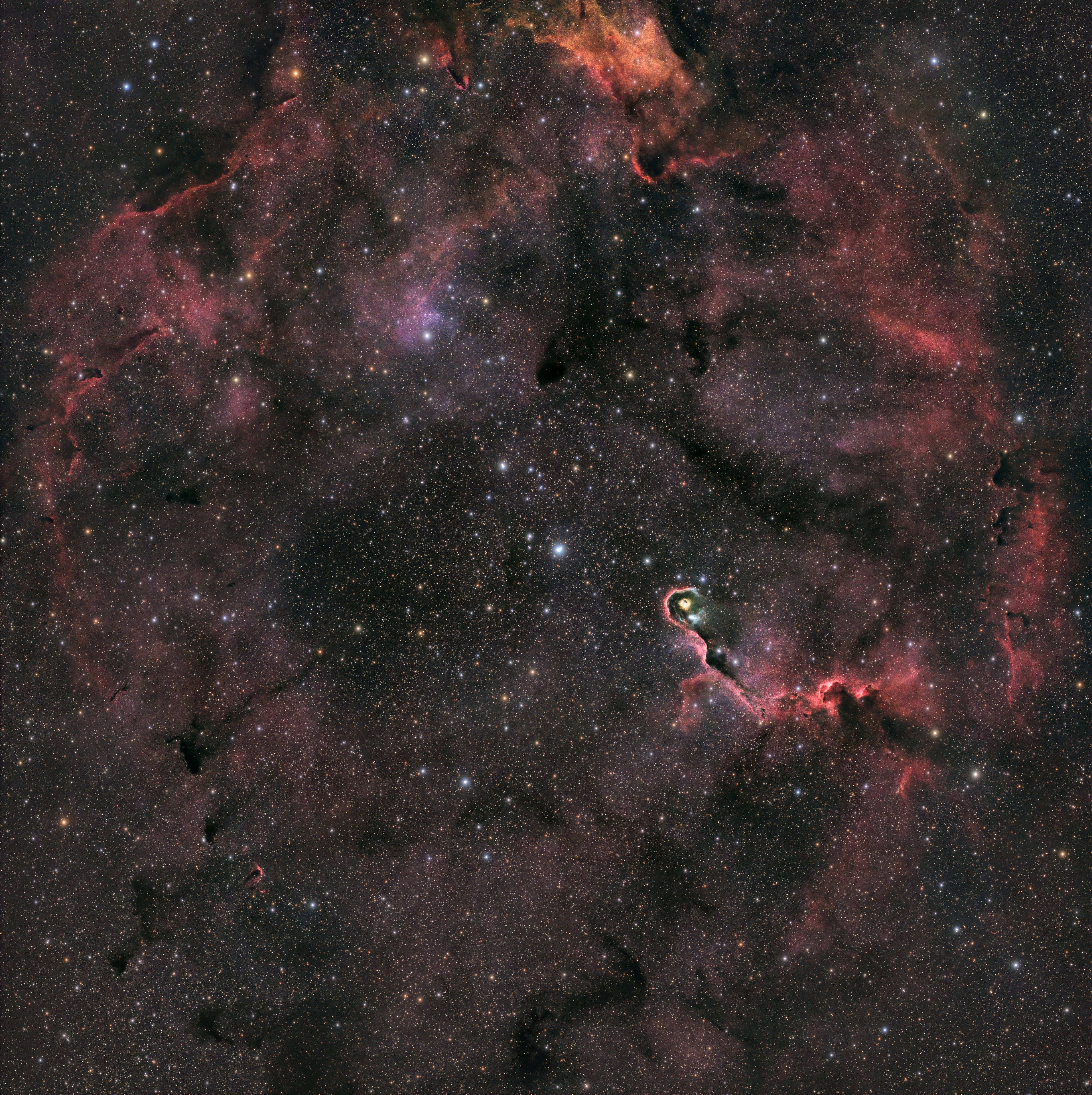
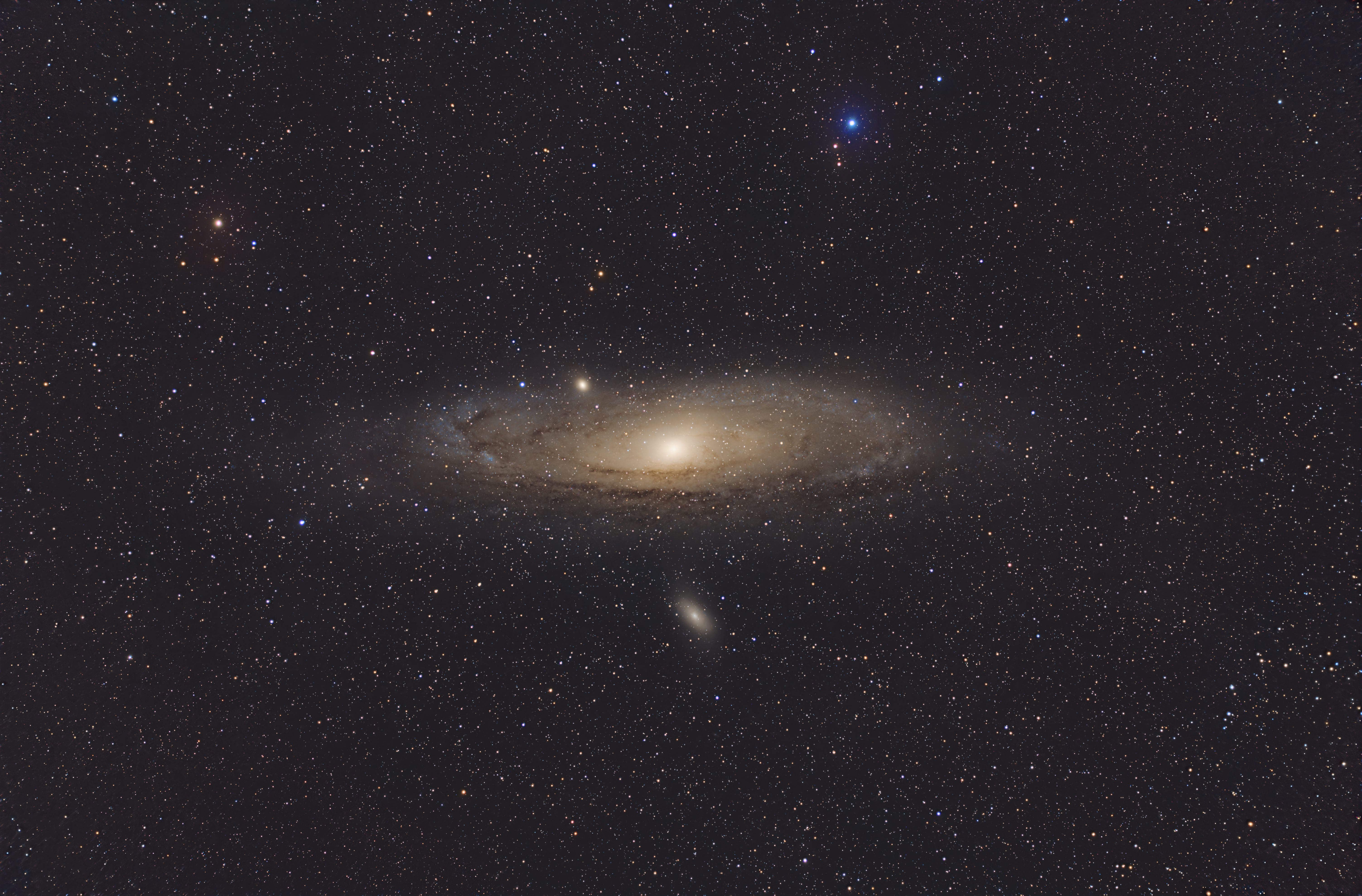
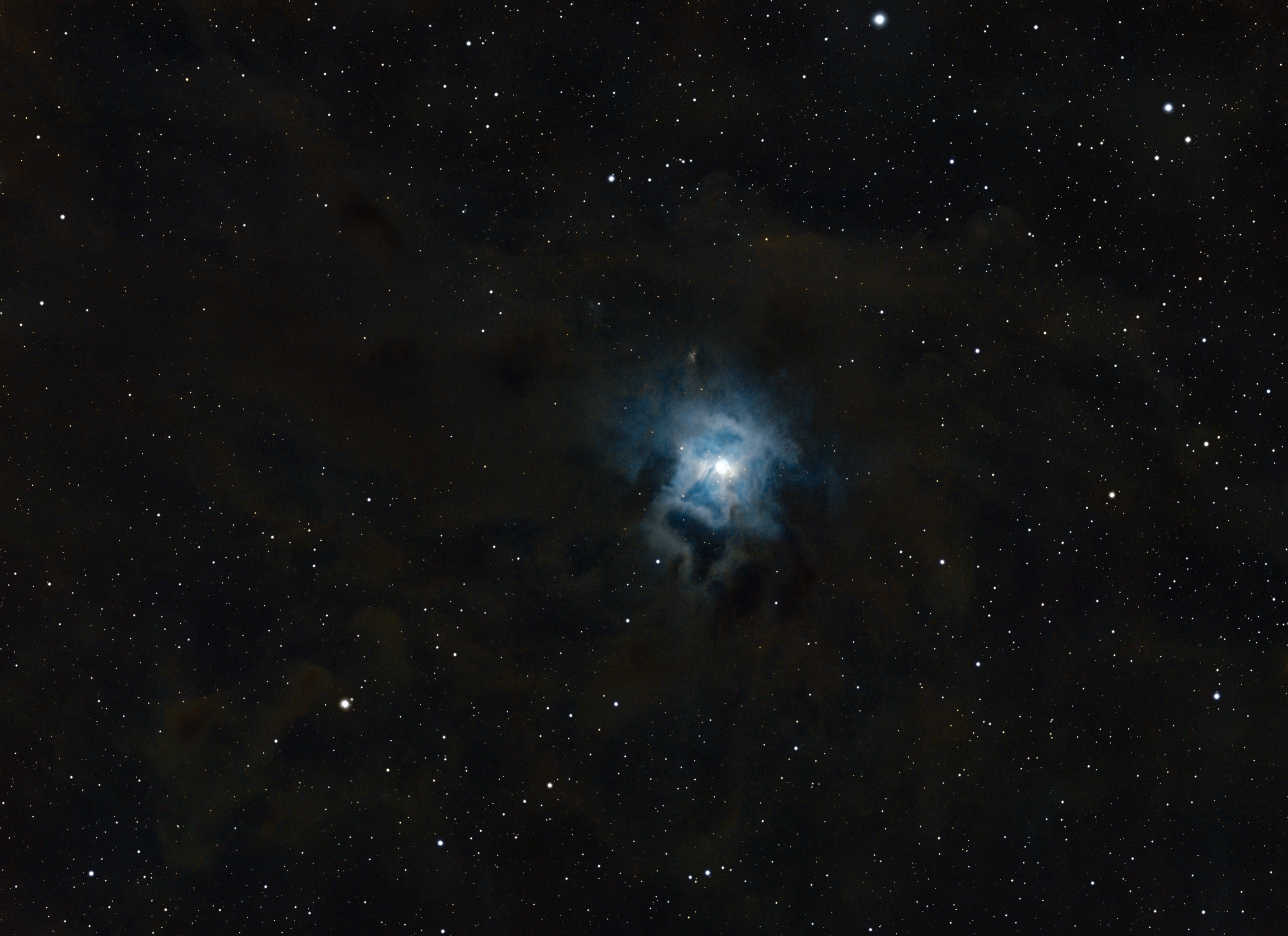
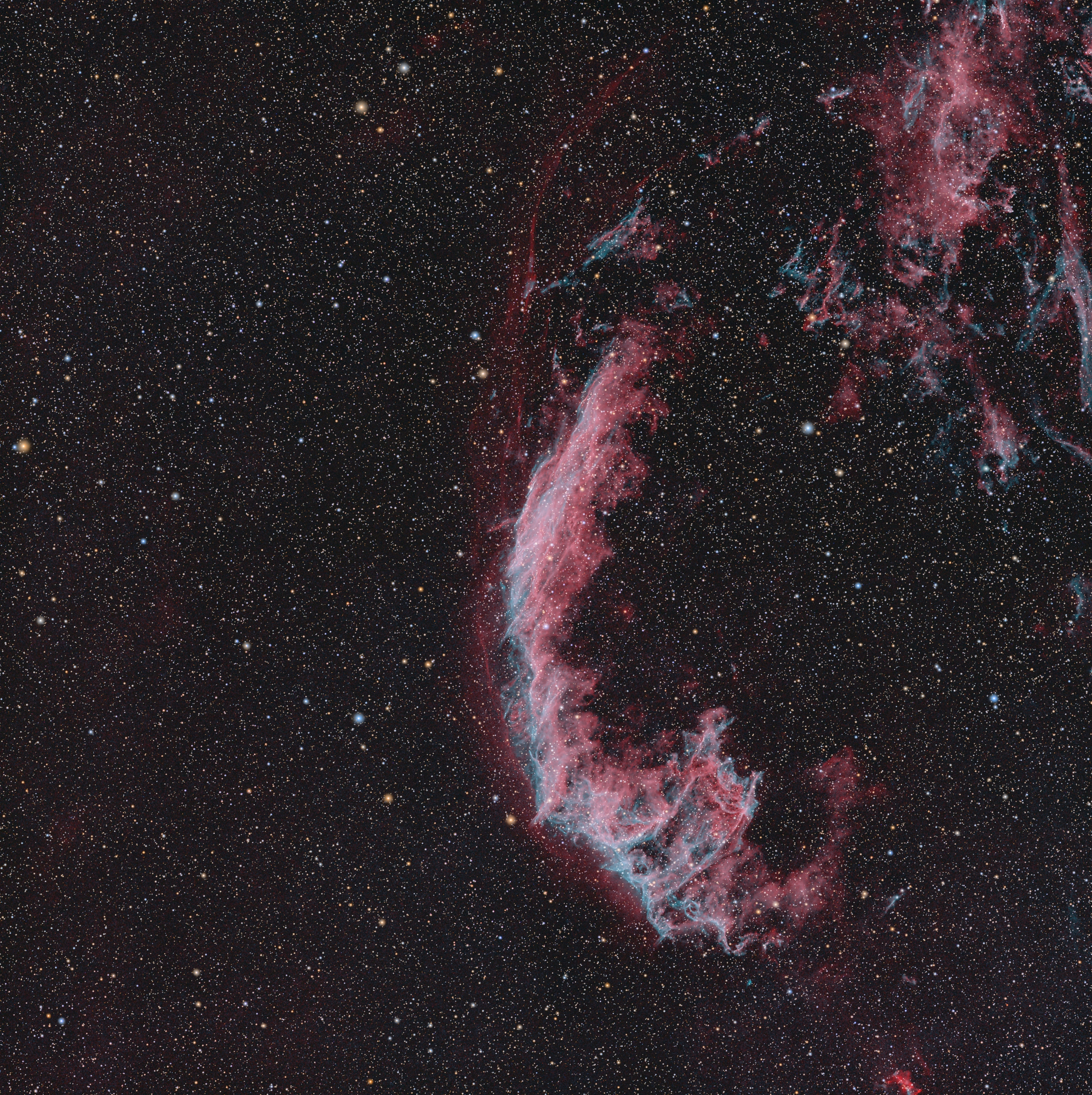
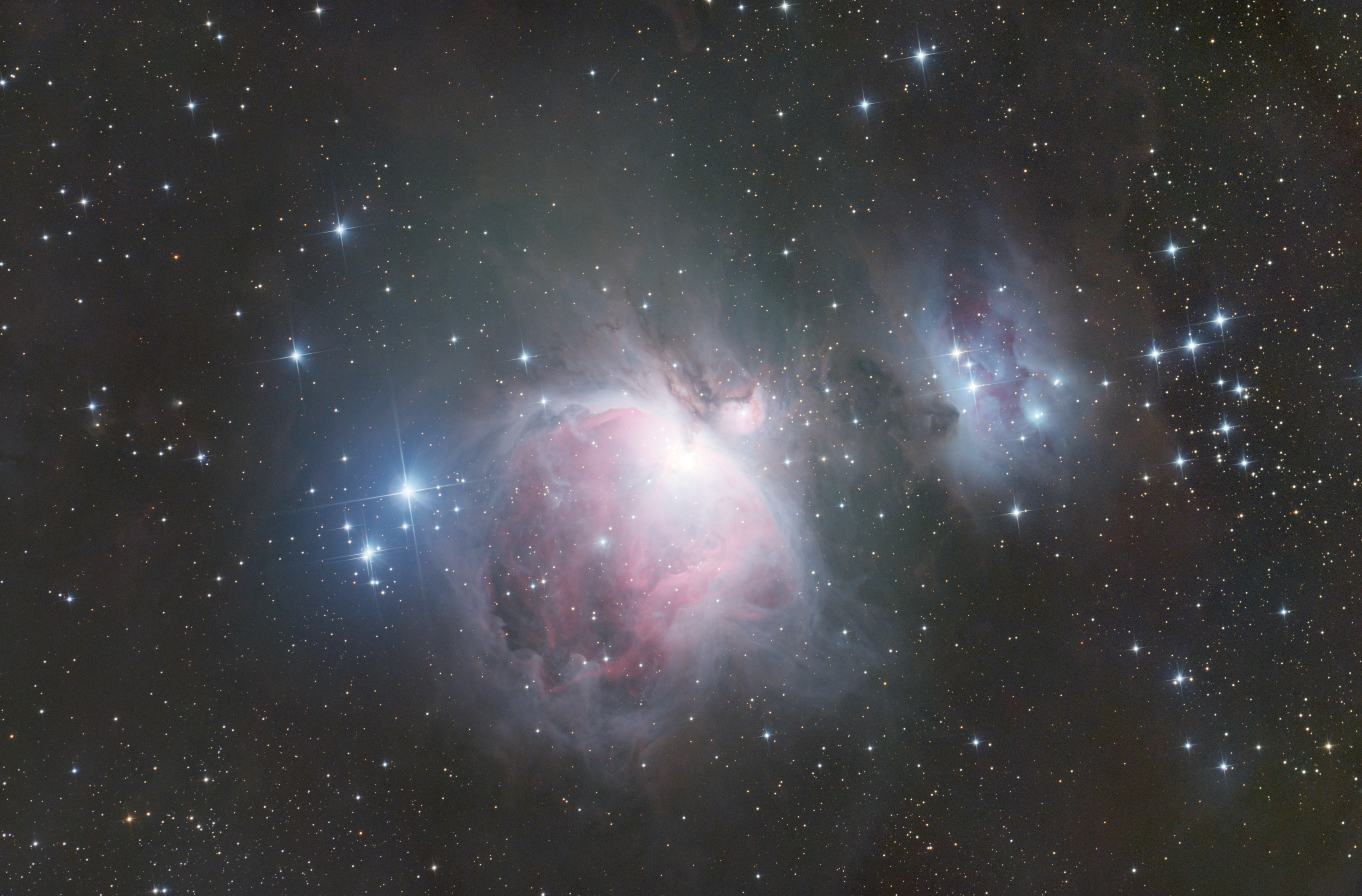
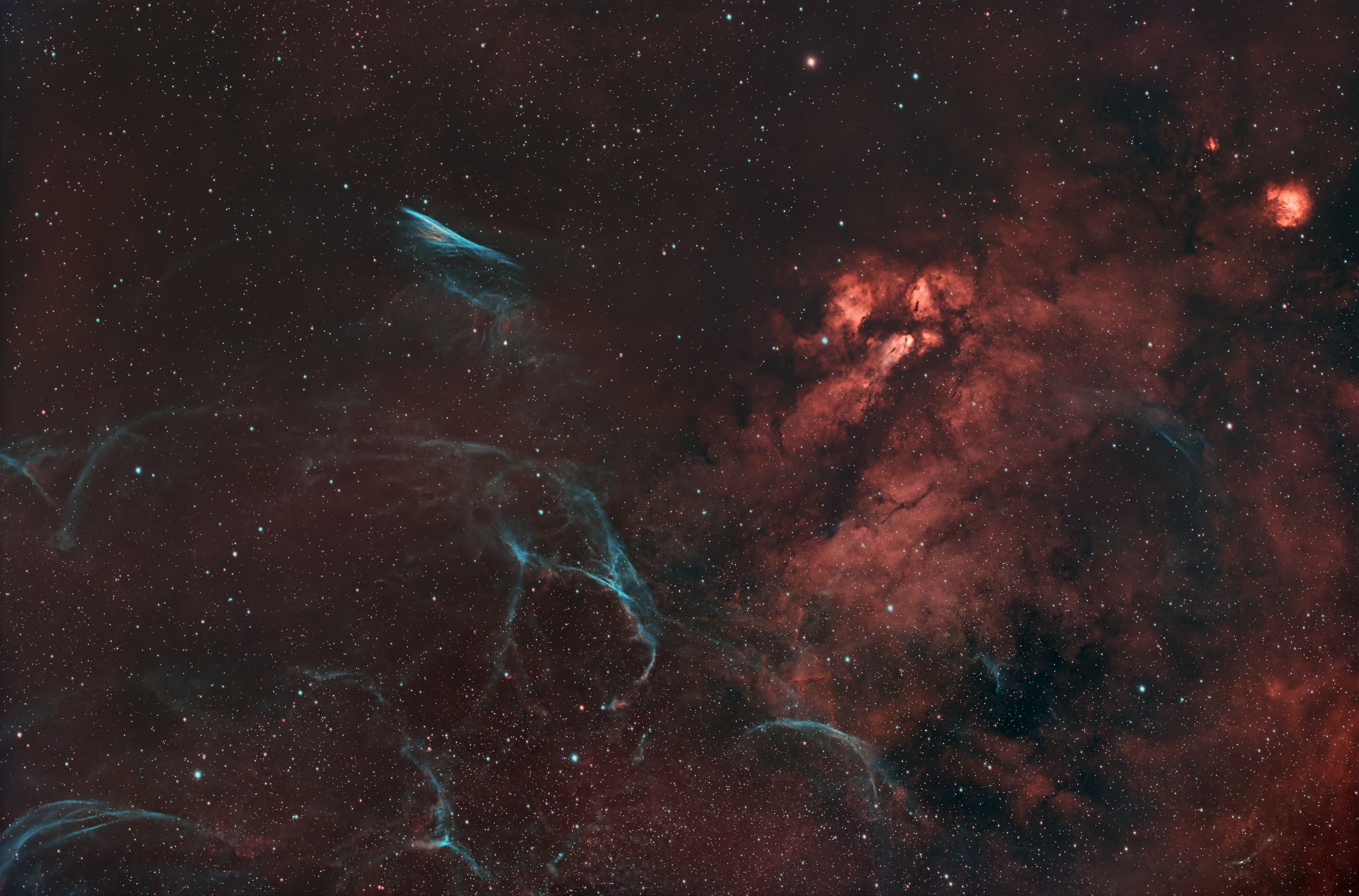
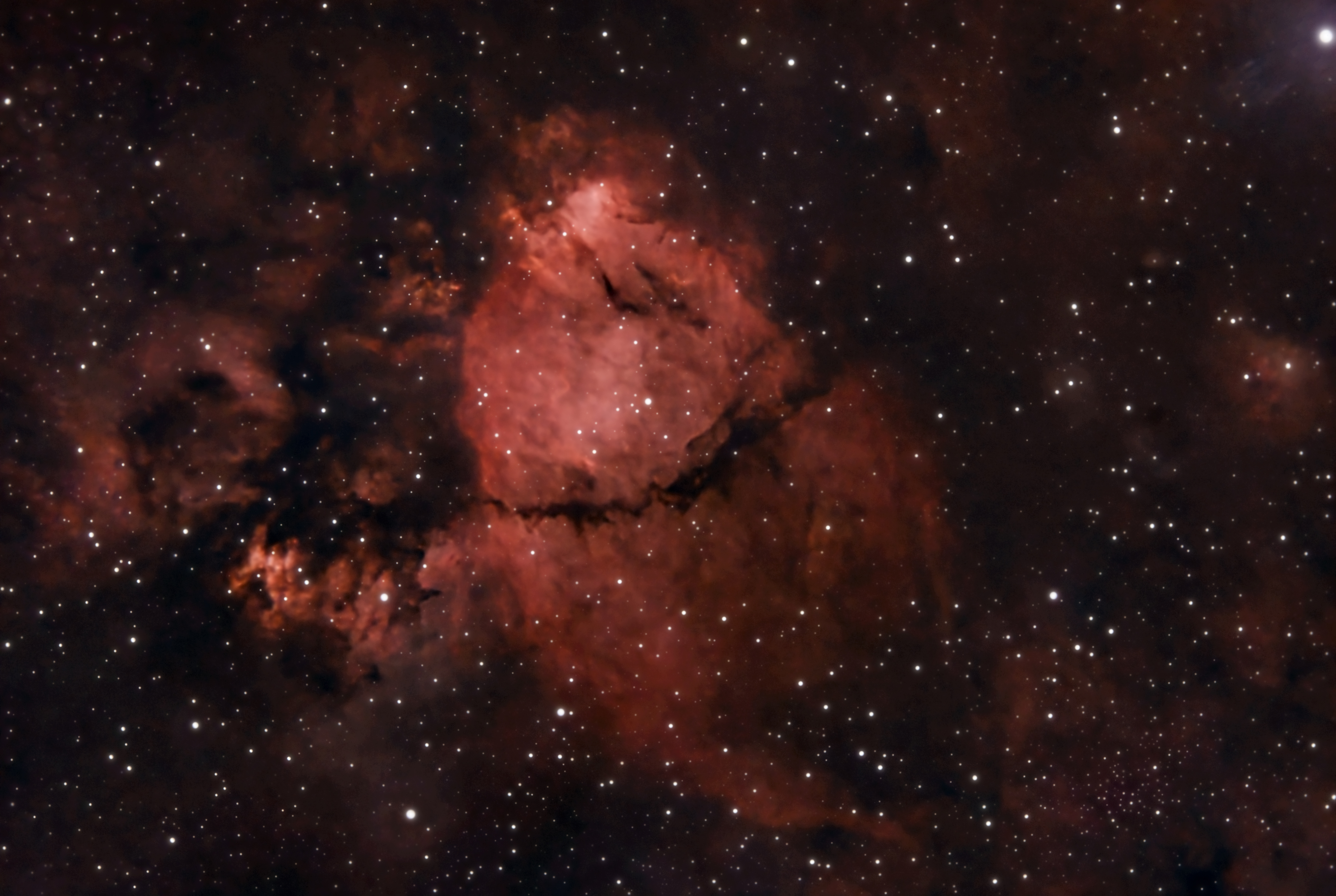
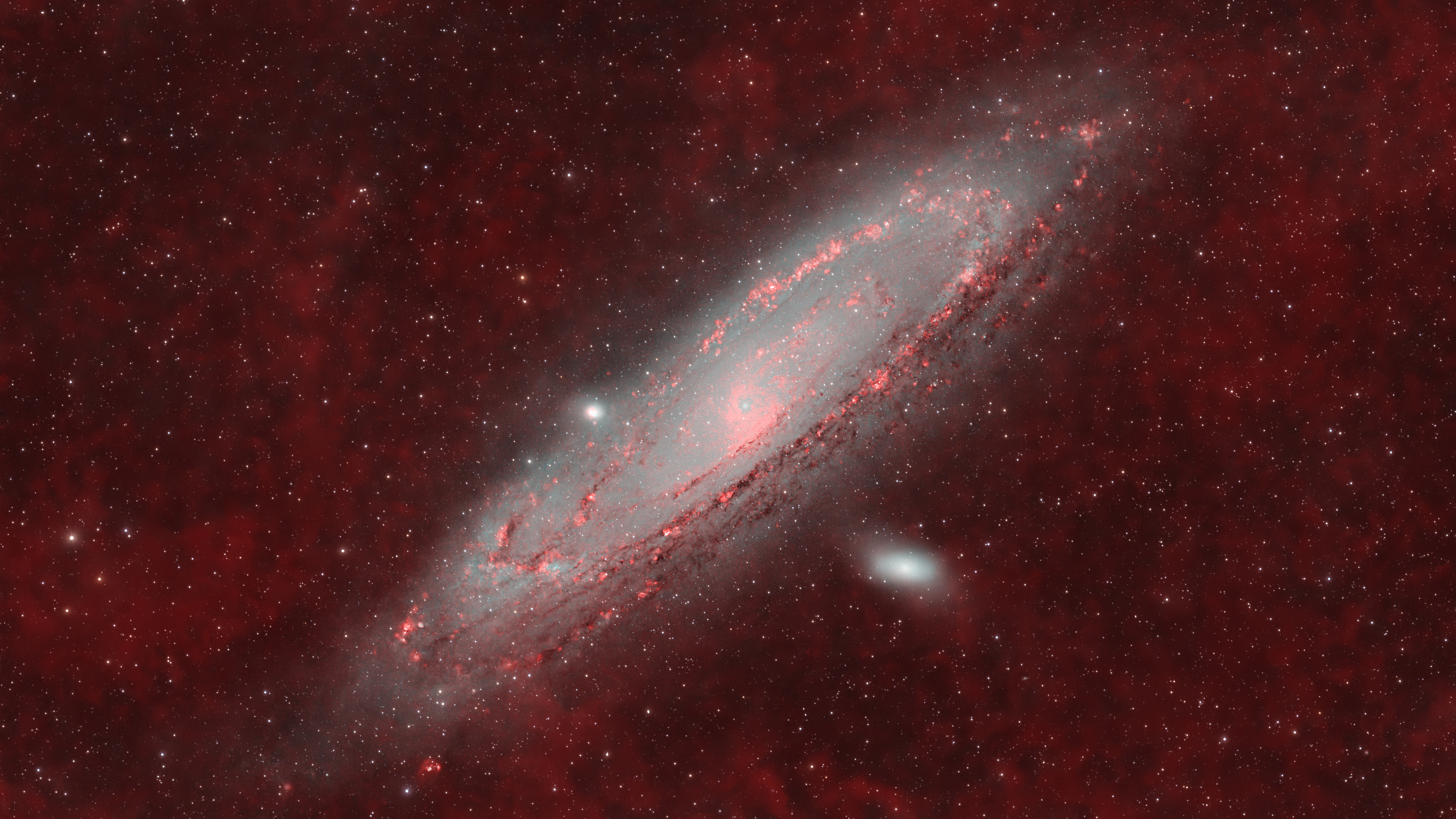
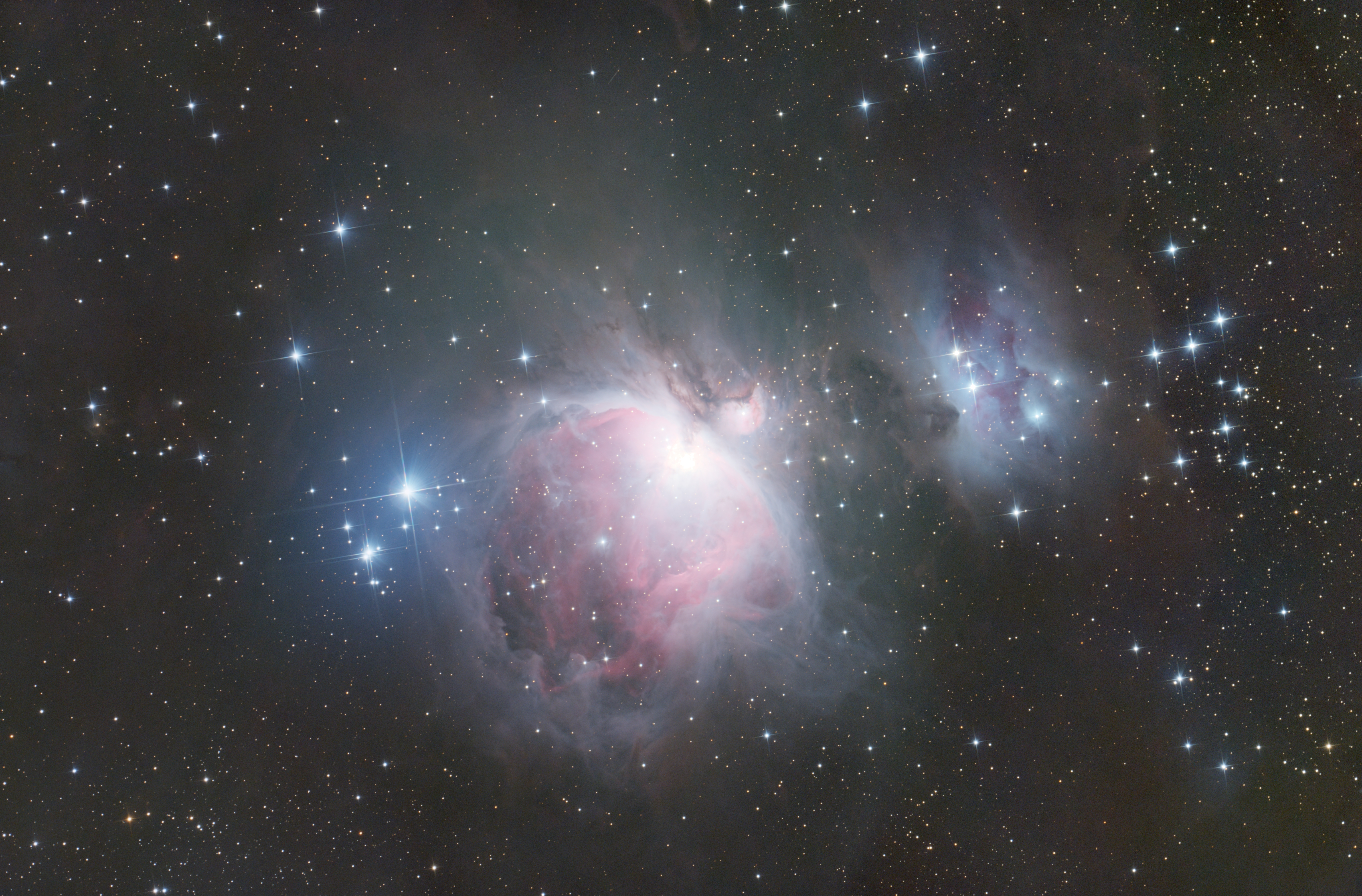
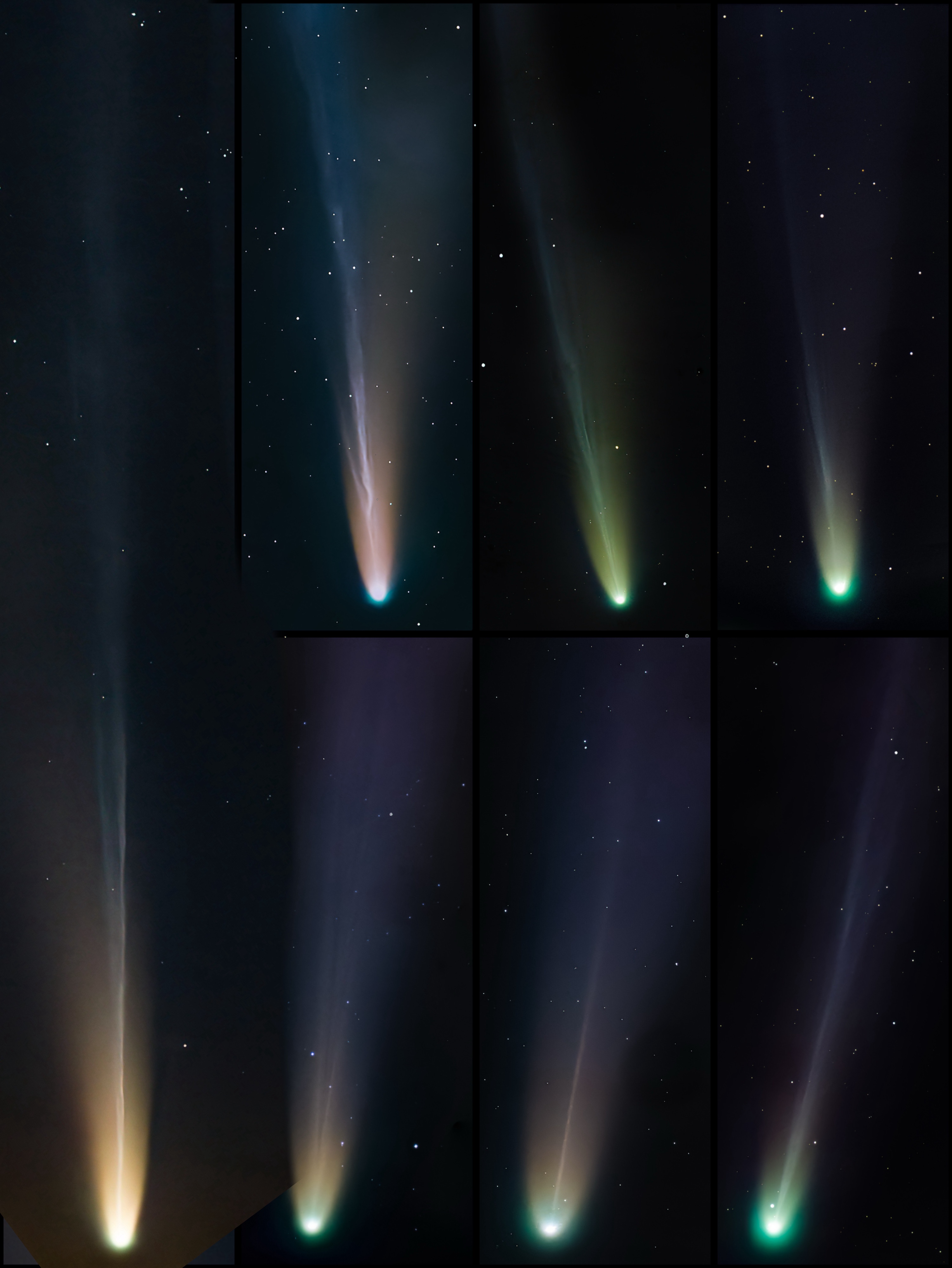
Realistic works captured with this device
 4
4
Customer Reviews
All Reviews
Loading...
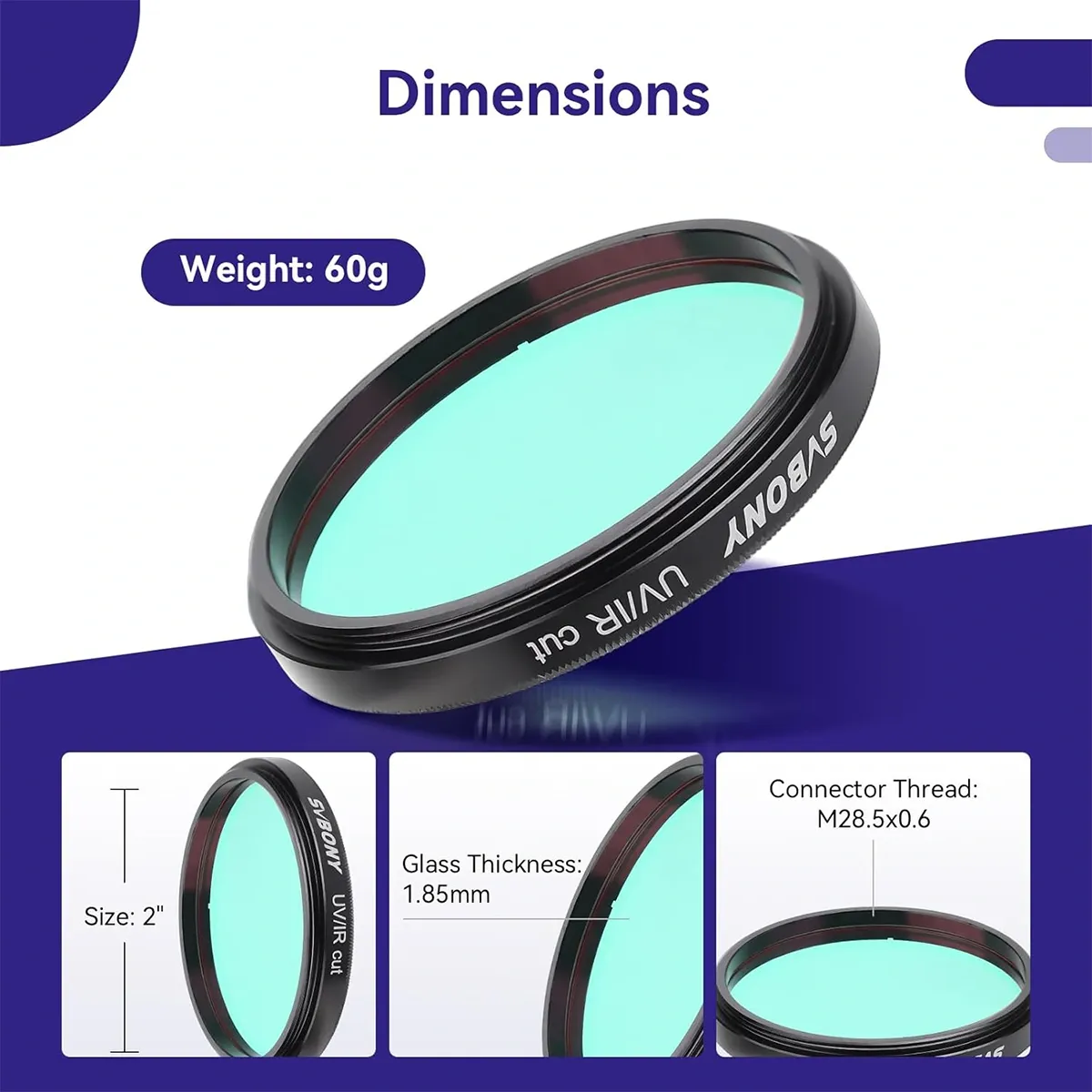
| Type | UV IR cut filter |
|
| Size | 1.25'' | 2'' |
| Thread | M28.5*0.6 | M48*0.75 |
| thickness | 1.85mm | 1.85mm |
- 1. The UV IR cut filter uses the very latest coating technology to deliver the finest filtration quality, and lifetime durability. If you use DSLR camera, CCD camera, or telescope, it absolutely will be one of your best choices;
- 2. We provide you with two sizes to choose from, 1.25'' and 2'';
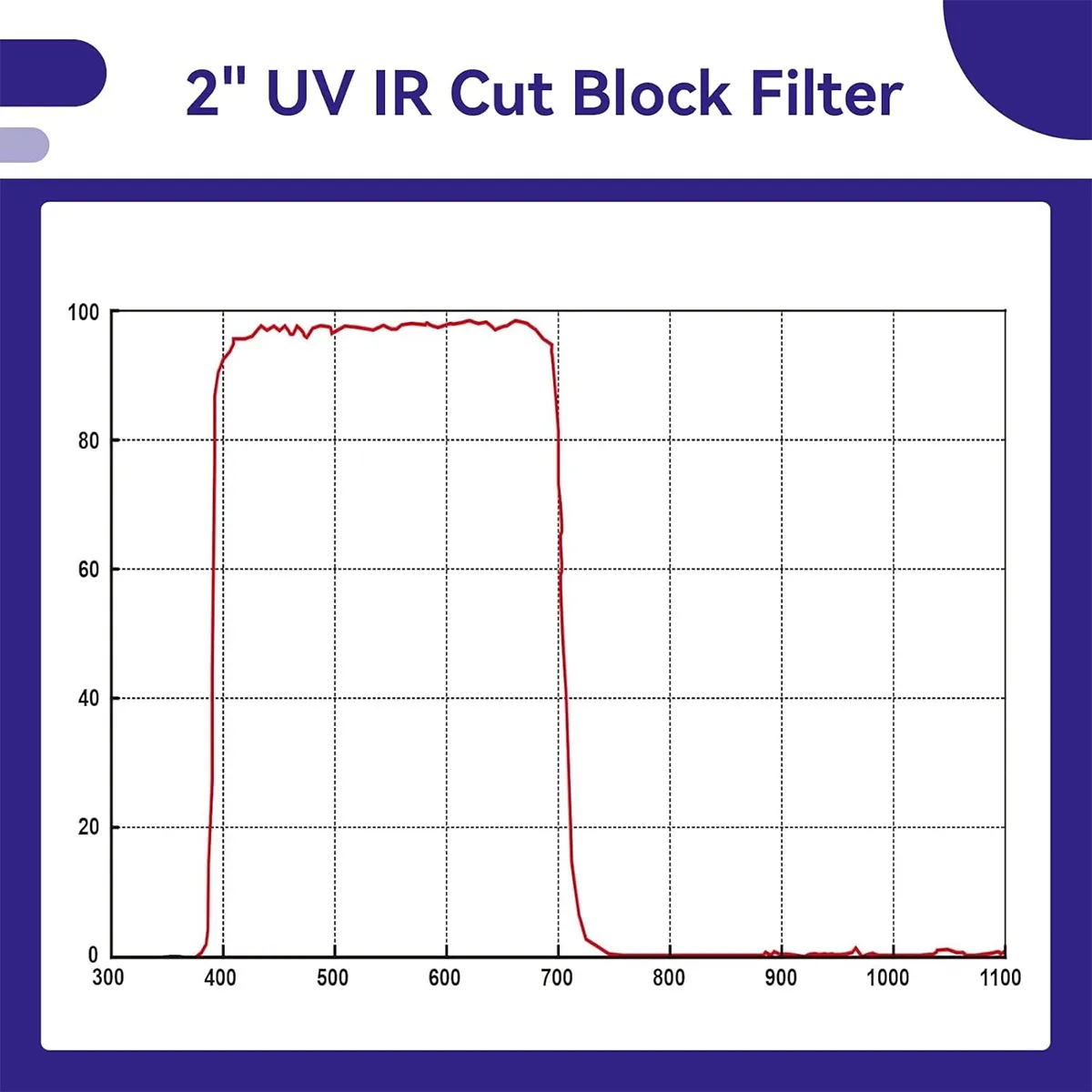
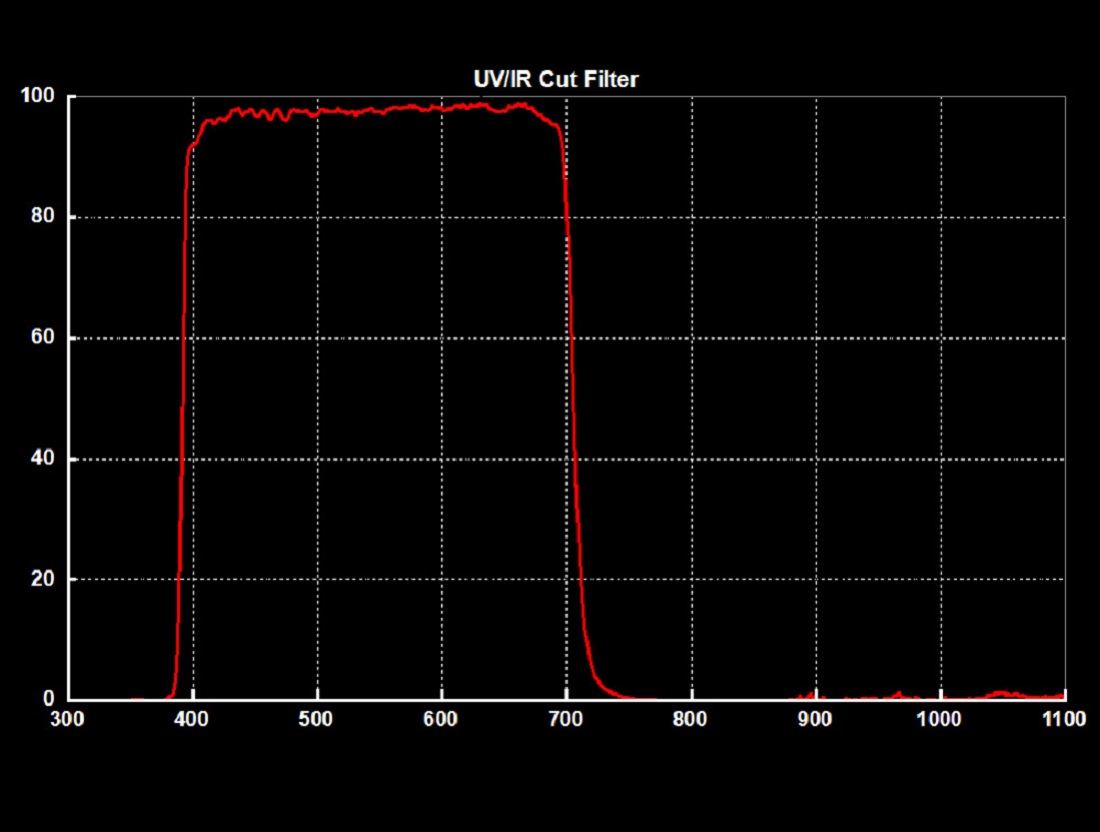
- 3. Color CCD cameras such as the Skyris color planetary cameras are very sensitive across the visual spectrum, as well as in infrared. Some telescopes may correct for chromatic aberration, but are not designed to correct for IR light, which can often look defocused in astroimages. Blocking infrared (IR) light provides the greatest color balance and sharpness in your astroimages. This filter blocks IR while passing more than 94% of the entire visual spectrum, maintaining color fidelity.
Related Products


Compare
 Google
 Amazon