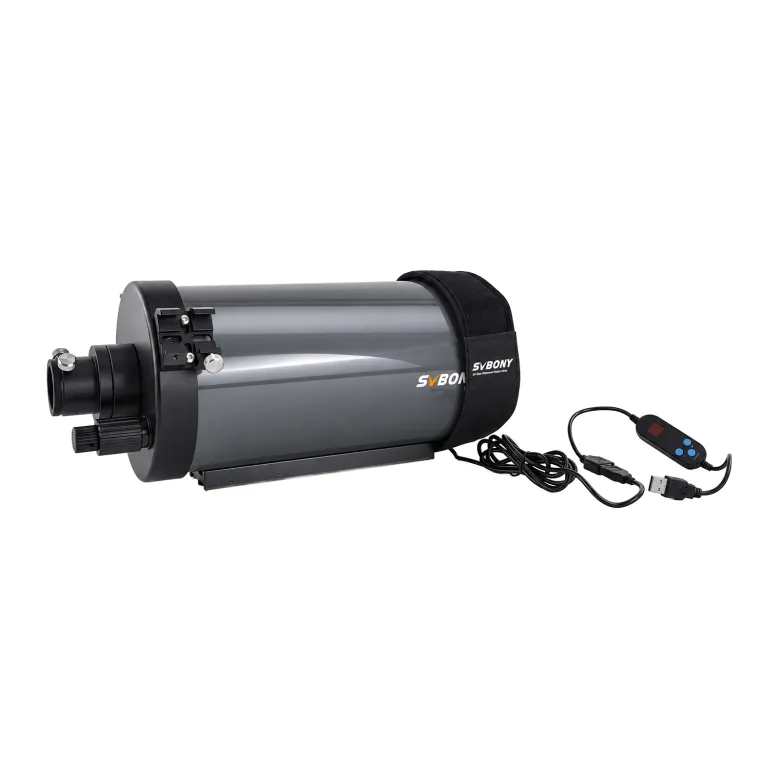
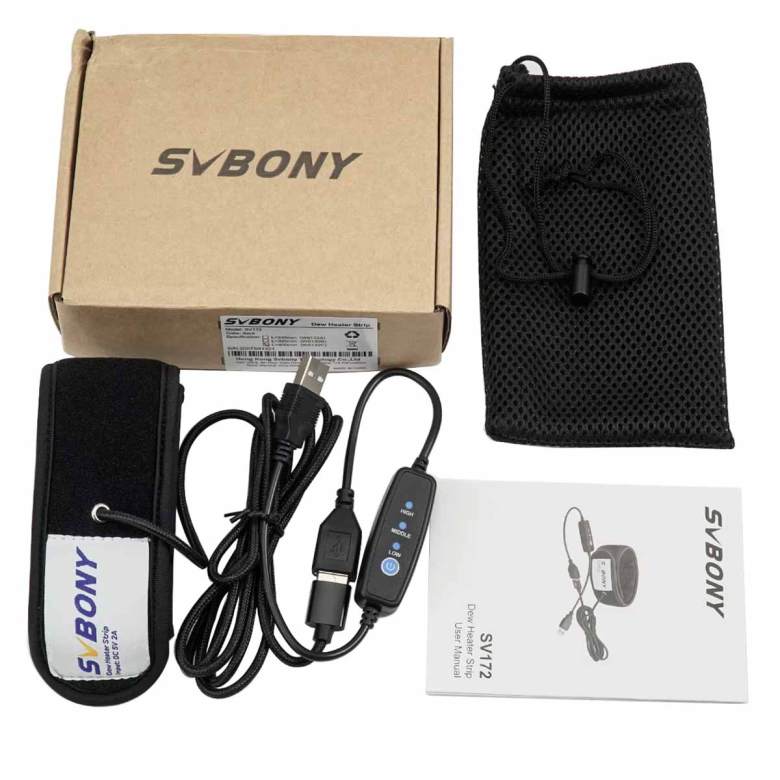
MK127 Telescope Kit with SV172
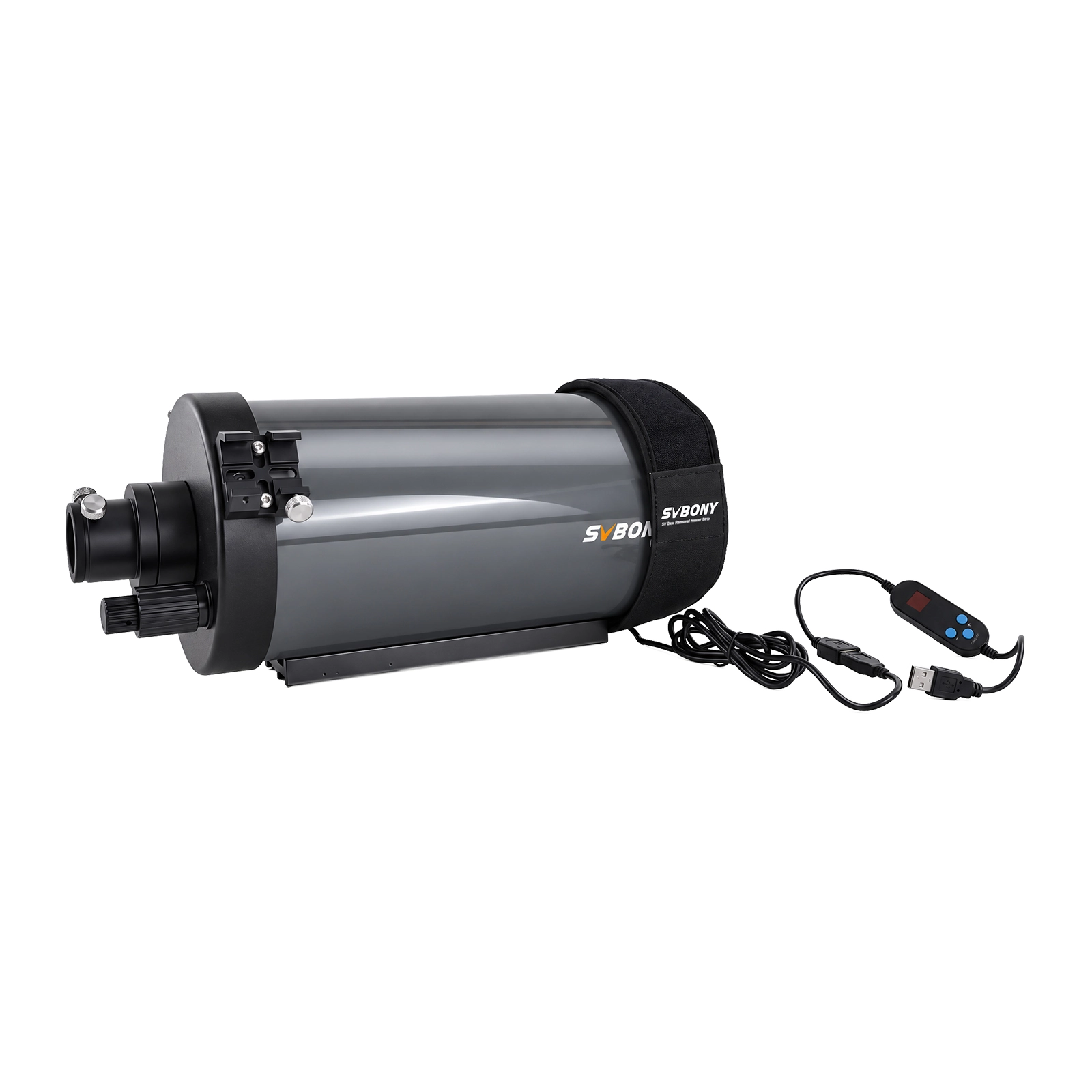
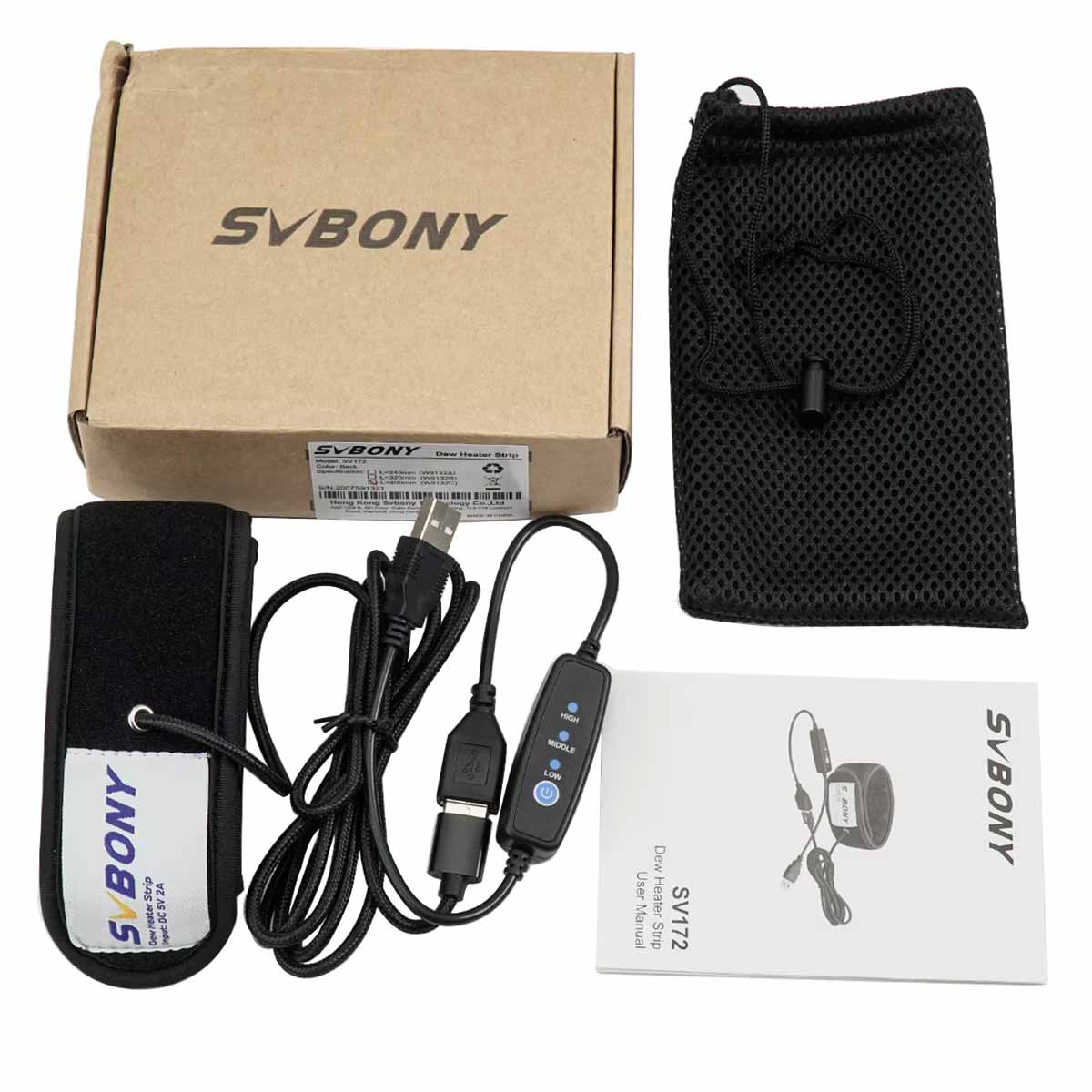
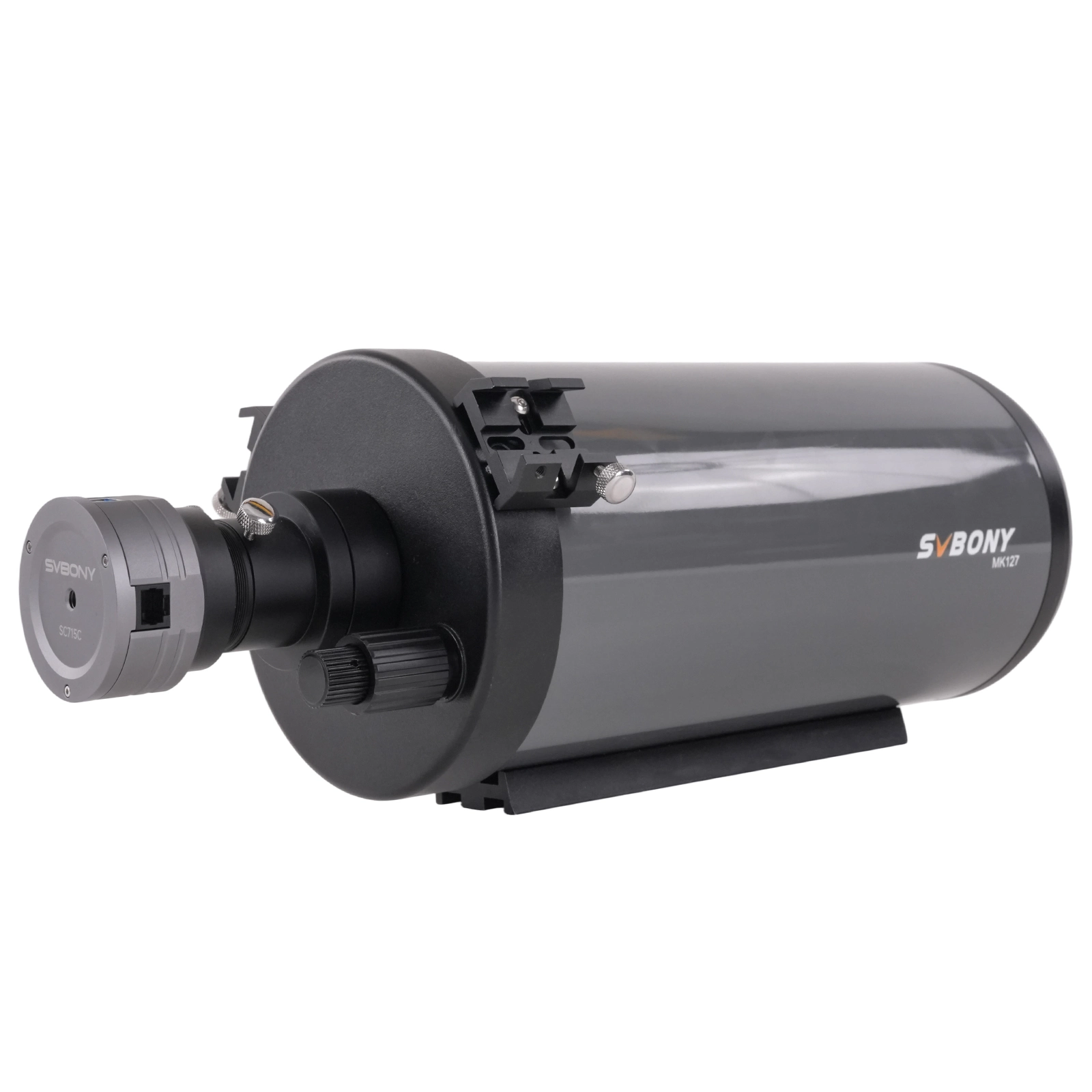
[{"Title":"127mm Aperture for Brighter and More Detailed Views","Content":"The MK127\u2019s 127mm aperture gathers more light than smaller-aperture telescopes, helping you reveal finer lunar details and observe bright planets with greater clarity under suitable sky conditions."},{"Title":"1500mm Focal Length for Detailed Planetary Viewing","Content":"With its long focal length, the MK127 provides high magnification potential for observing lunar craters, Jupiter\u2019s cloud bands, and Saturn\u2019s rings when paired with an appropriate eyepiece and under favorable seeing conditions."},{"Title":"Maksutov Cassegrain Optics in a Compact Design","Content":"The folded optical path delivers a long focal length in a relatively compact optical tube, making the MK127 easier to transport and store than many longer-tube telescopes with comparable focal lengths."},{"Title":"Dedicated Astronomy Setup with the SV172","Content":"Pairing the MK127 with the SV172 gives you a coordinated equipment combination for your astronomy setup. The specific benefit depends on the SV172\u2019s function and compatibility with your observing equipment."},{"Title":"Explore the Moon Planets and More","Content":"Combine the MK127\u2019s 127mm aperture and 1500mm focal length to explore lunar surface features, prominent planetary details, and other suitable celestial targets, making each clear night an opportunity to discover more of the night sky."}]
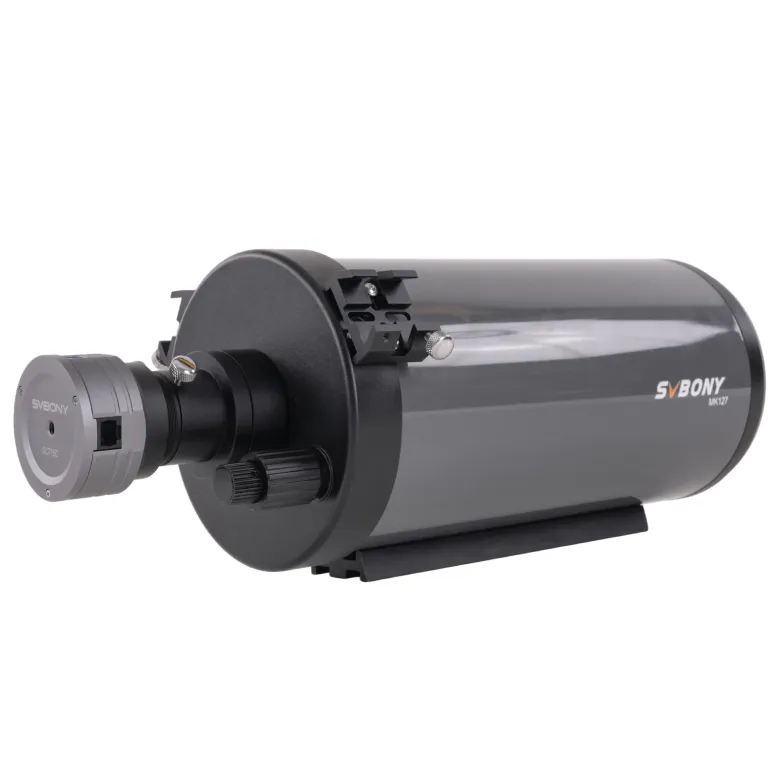
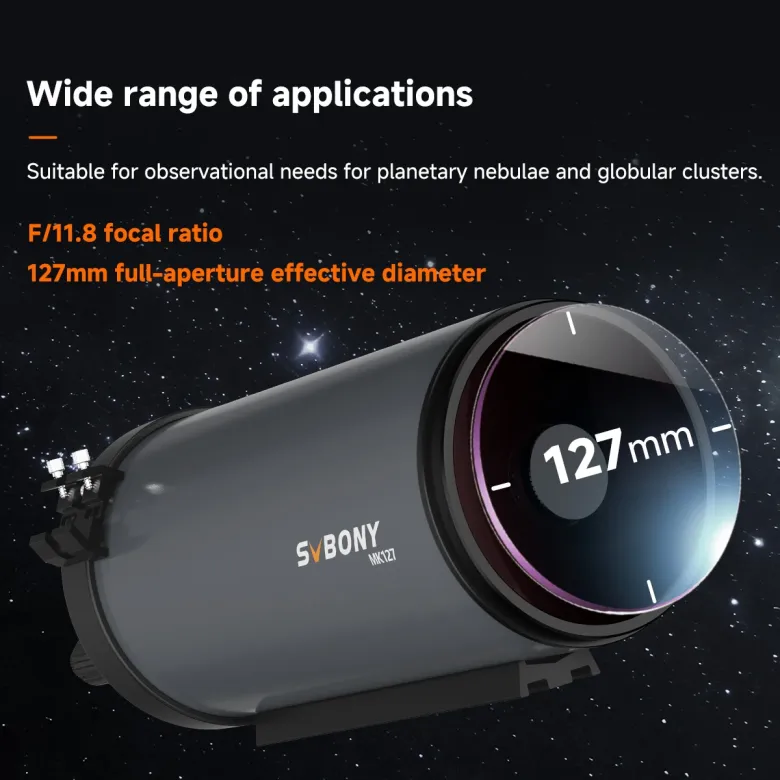
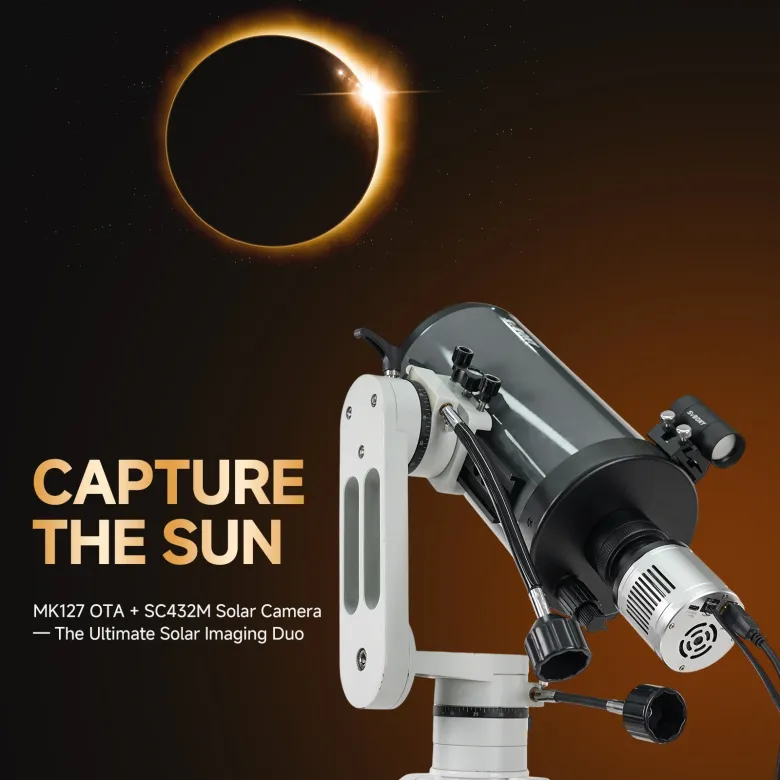
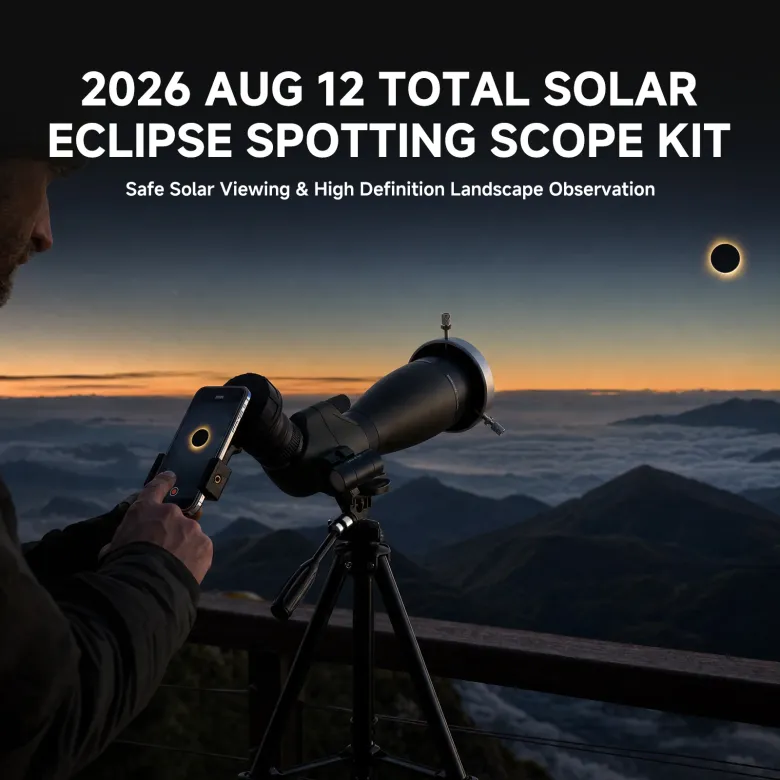
SVBONY Solar Eclipse Telescope Kit
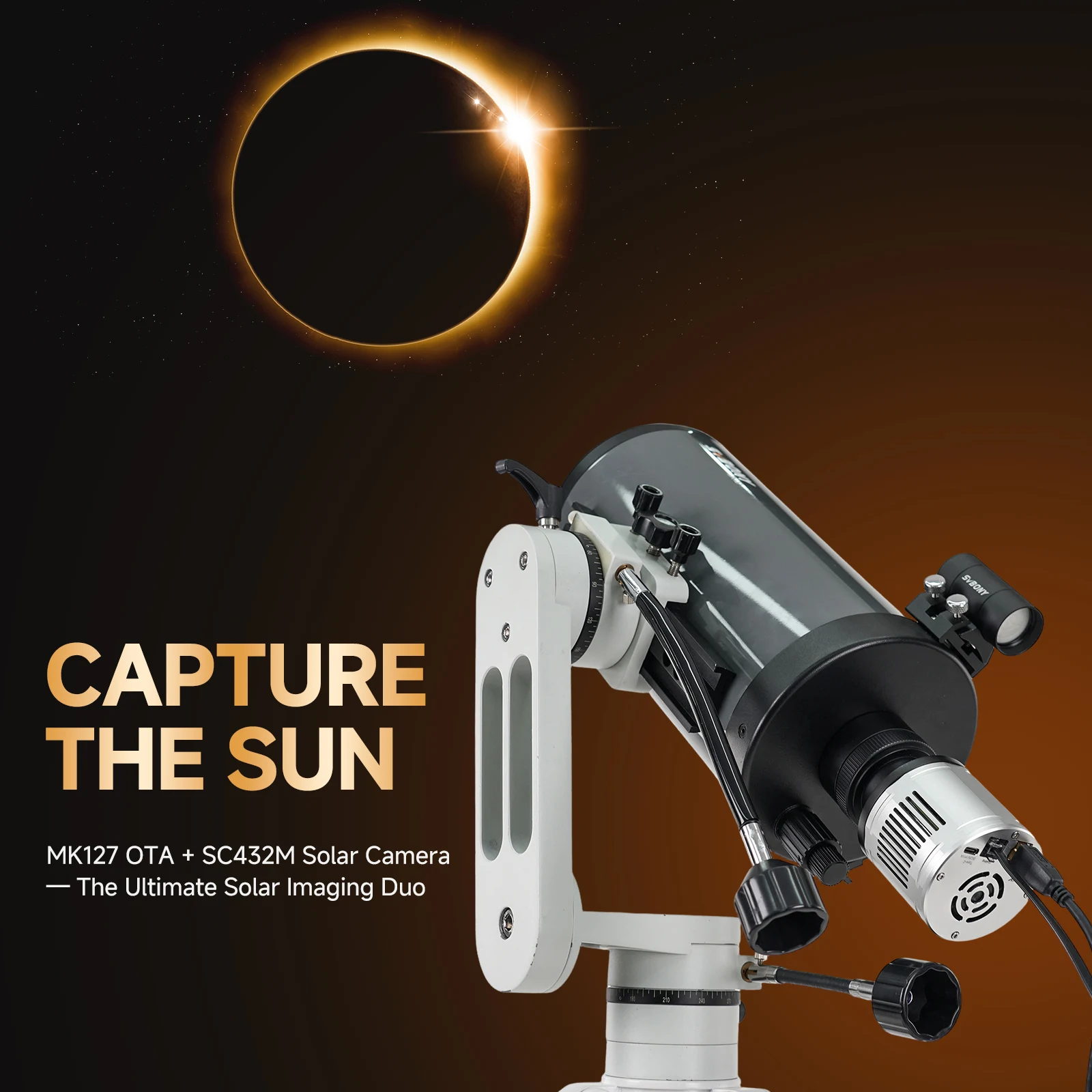
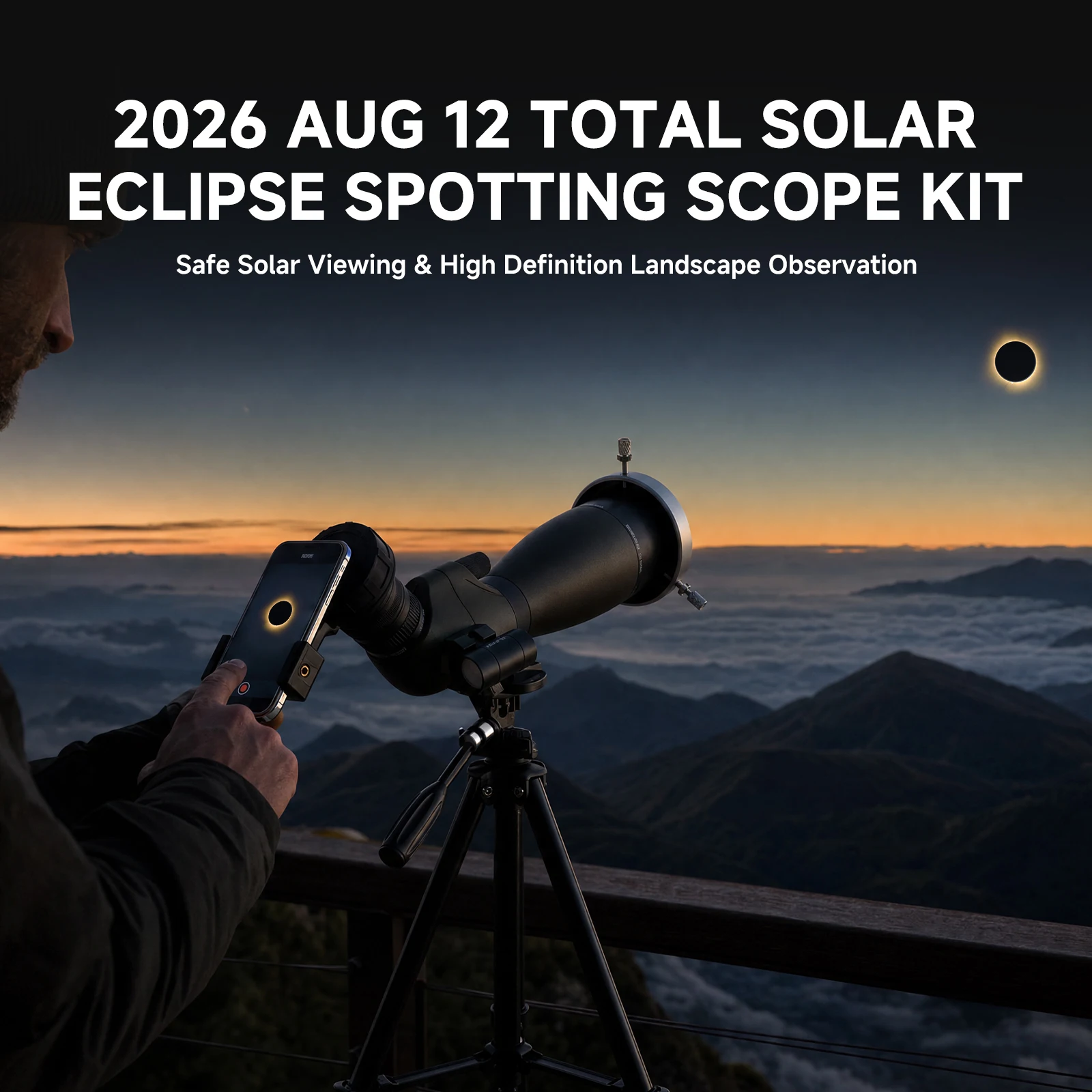
[{"Title":"127mm Aperture Reveals More Solar Details","Content":"The MK127 telescope features a large 127mm aperture and high-resolution optics, helping you observe sunspots, solar textures, and eclipse details with greater clarity."},{"Title":"70mm Portable Design Makes Solar Viewing Easy","Content":"The SV29 telescope with a 70mm aperture offers a lightweight and portable solution, ideal for beginners to enjoy solar observation and eclipse events anywhere."},{"Title":"Solar Filters Ensure Safer Sun Observation","Content":"Equipped with dedicated solar filters, these kits reduce harmful sunlight and provide a safer way to explore eclipses, sunspots, and solar activity."},{"Title":"The support and tripod enhance the tracking stability.","Content":"The SV110 mount and SV225T aluminum tripod provide stable support and smoother tracking, making long-duration solar observation and imaging more convenient."},{"Title":"SC432M Camera Enables Solar Imaging","Content":"The SC432M planetary camera captures detailed solar images and videos, allowing astronomy enthusiasts to record and share memorable eclipse moments."}]
NEW
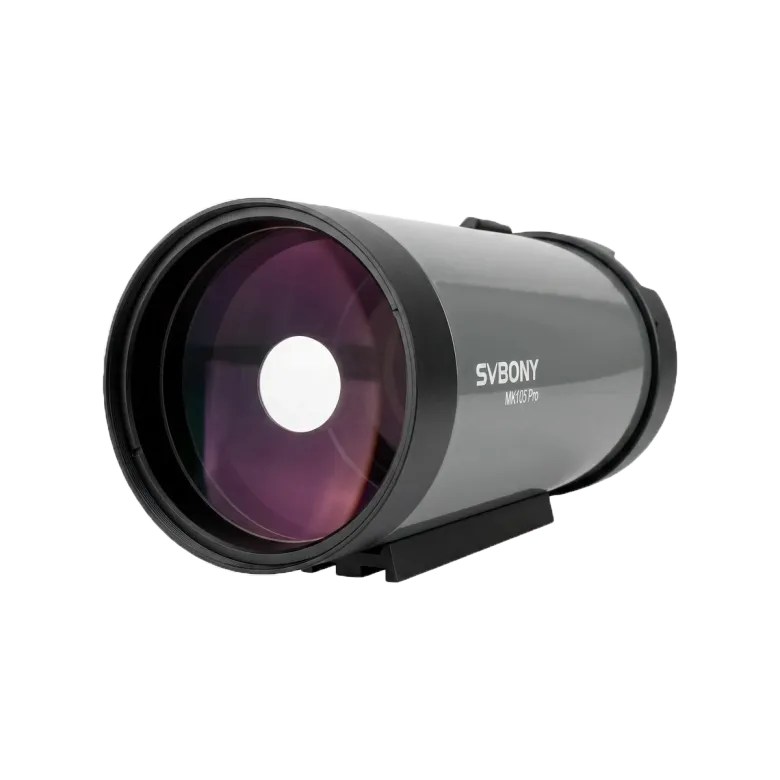
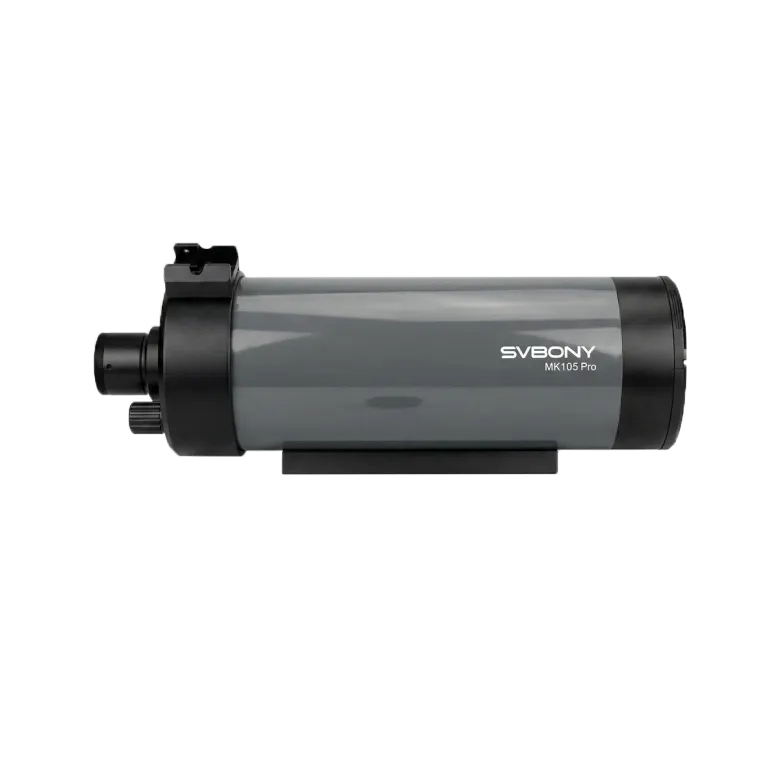
MK105 Pro 105mm Astro Telescope
[{"Title":"High-Mag Clarity","Content":"105mm aperture and 1400mm focal length deliver crisp, 210x magnified views, eliminating blurry images."},{"Title":"Bright \u0026 Vivid Views","Content":"Advanced FMC \u0026 \u003E99% reflective coatings maximize light intake, solving the pain point of dim night-sky views."},{"Title":"Rock-Solid Build","Content":"Made of heavy-duty 6061T aluminum alloy, eliminating the shaky, cheap plastic feel of budget scopes."},{"Title":"Razor-Sharp Details","Content":"Features a precise 1.1-arcsec resolution to easily capture fine planetary structures without distortion."},{"Title":"Compact Powerhouse","Content":"At just 385mm long and 2200g, it offers professional deep-sky performance in a highly portable size."}]
NEW HOT
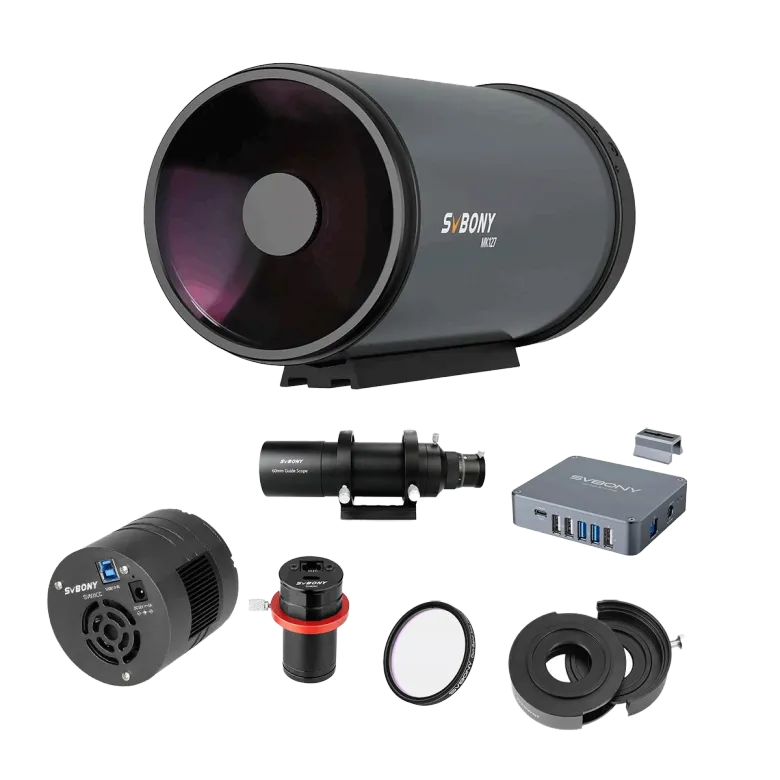
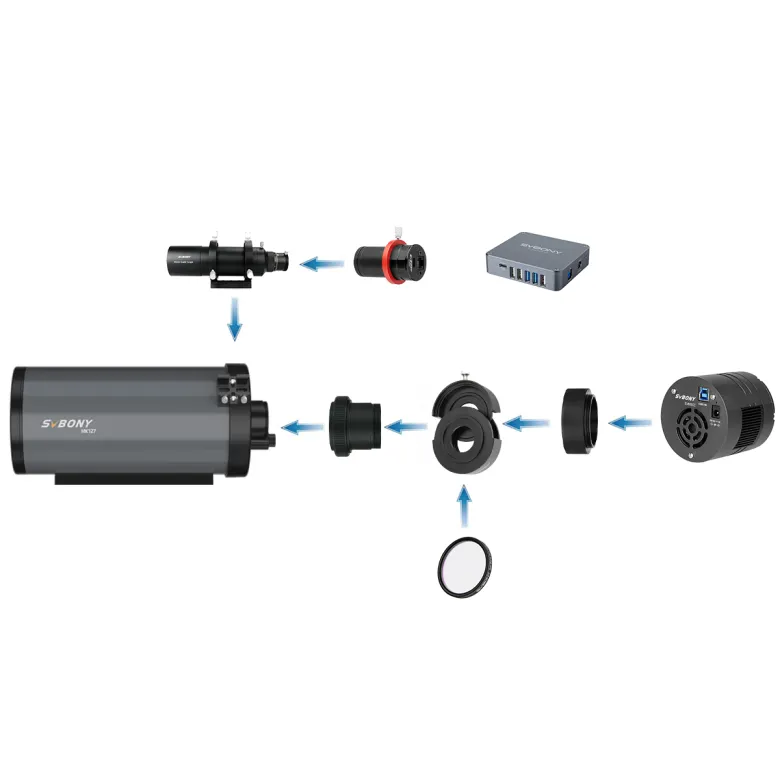
Traveling galaxy hunter | SVBONY MK127
[{"Title":"All-In-One Solution for Astrophotography","Content":"Tired of piecing together multiple accessories? This complete kit includes everything you need for capturing stunning images of planetary nebulae and globular clusters, saving you time and hassle."},{"Title":"Applicable scenarios","Content":"Small planetary nebulae, such as the Blinking Planetary Nebula and the Ring Nebula. It also works for distant colliding galaxies including NGC 5426 and NGC 5427."},{"Title":"High-Contrast Imaging with Dual-Band Filter","Content":"Don\u2019t let light pollution ruin your shots. The 3nm H-Alpha \u0026 OIII dual-band filter (SV220) provides better contrast and sensitivity for emission nebulae, even in less-than-ideal conditions."},{"Title":"Reliable Tracking for Sharp Images","Content":"Are you frustrated with star trails and poor alignment? The SV905C guiding camera and SV106 guide scope offer precise, steady tracking, guaranteeing sharp and clear deep-sky images every time."},{"Title":"Continuous Power for Uninterrupted Sessions","Content":"Concerned about power loss mid-session? The SV241 Pro power management system ensures your equipment stays powered throughout long astrophotography sessions, avoiding frustrating interruptions."}]
NEW HOT
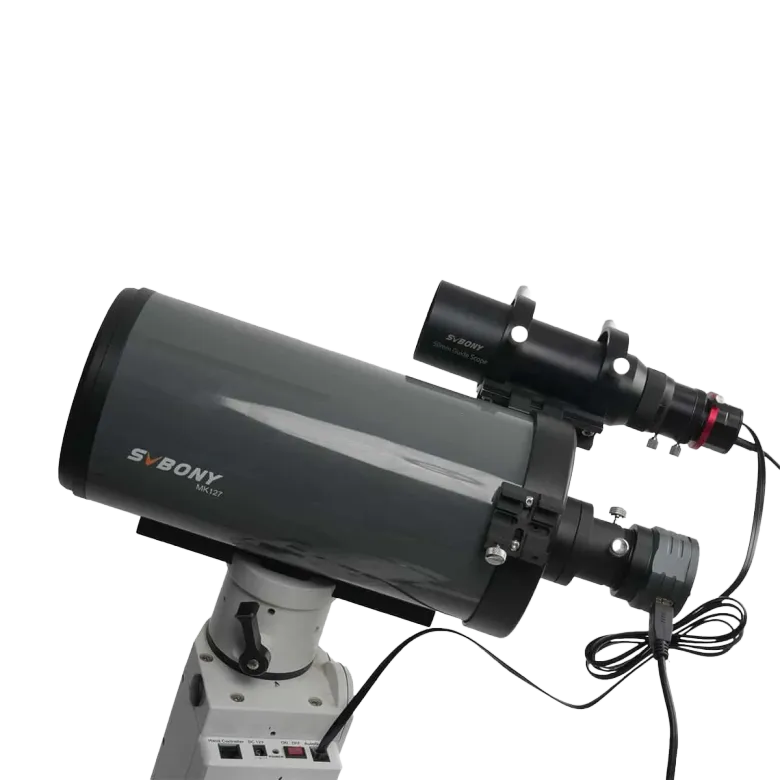
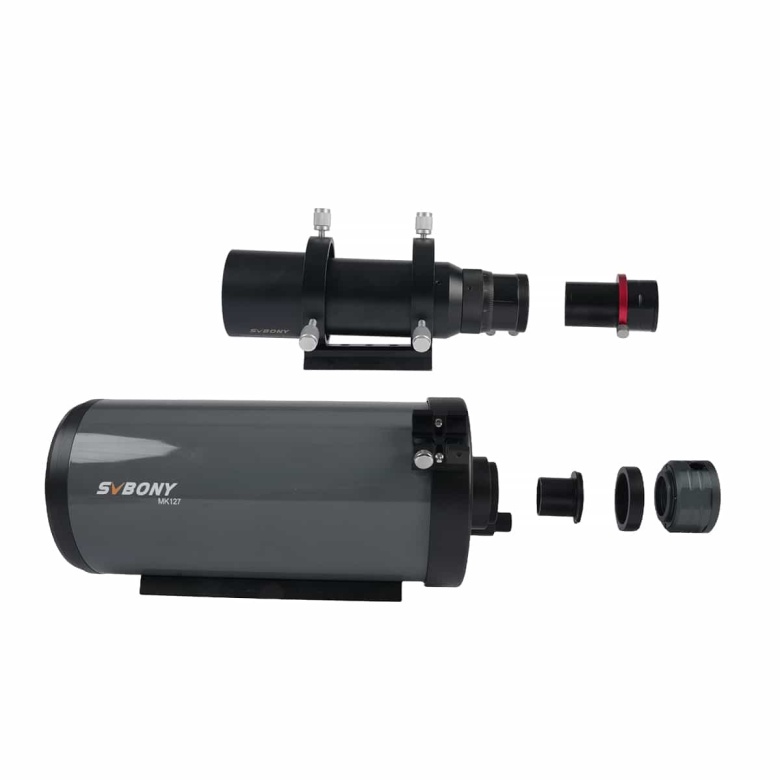
Planetary Photography Kit | SVBONY MK127
[{"Title":"Capture Crisp Planetary Details","Content":"Say goodbye to blurry images. The MK127 planetary imaging set includes premium filters that enhance contrast, delivering sharp, detailed views of planetary features and the lunar surface."},{"Title":"Improve Your Planetary Photography","Content":"The advanced optical filters are designed to minimize atmospheric distortion, improving clarity and allowing you to capture fine details of planets and the moon with ease."},{"Title":"All-in-One Imaging Kit","Content":"No more missing essential accessories. This set comes with everything you need, including a high-resolution camera adapter and specialized planetary filters, to make your astrophotography setup complete."},{"Title":"Compact and Easy to Use","Content":"The MK127 set is compact and easy to carry, ideal for on-the-go astrophotography. Its lightweight design ensures you can take it anywhere without compromising on performance."},{"Title":"Universal Compatibility for Your Setup","Content":"The MK127 set is compatible with most telescopes, offering flexible attachment options and seamless integration, so you can start your planetary imaging with ease."}]
NEW HOT
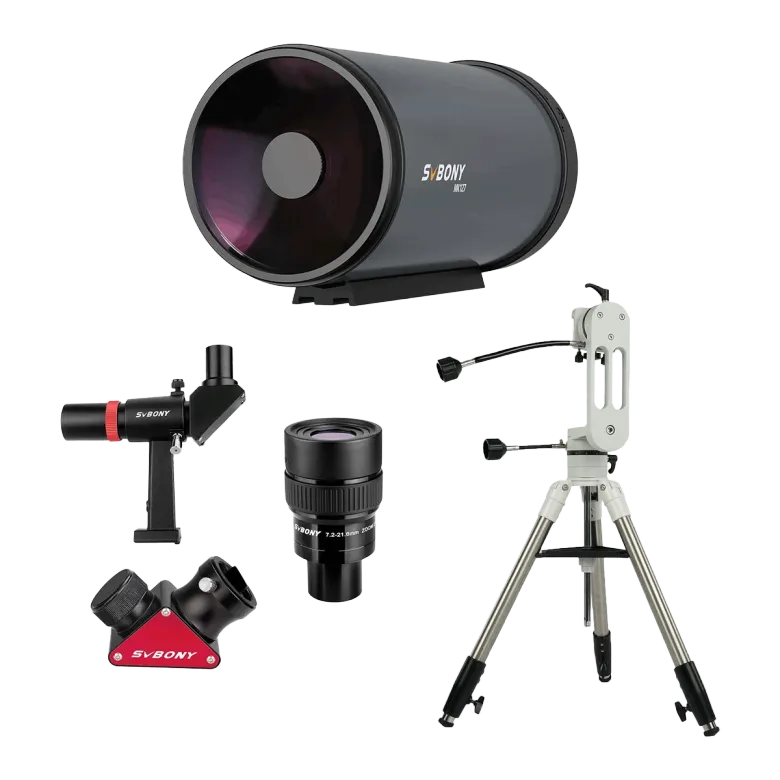
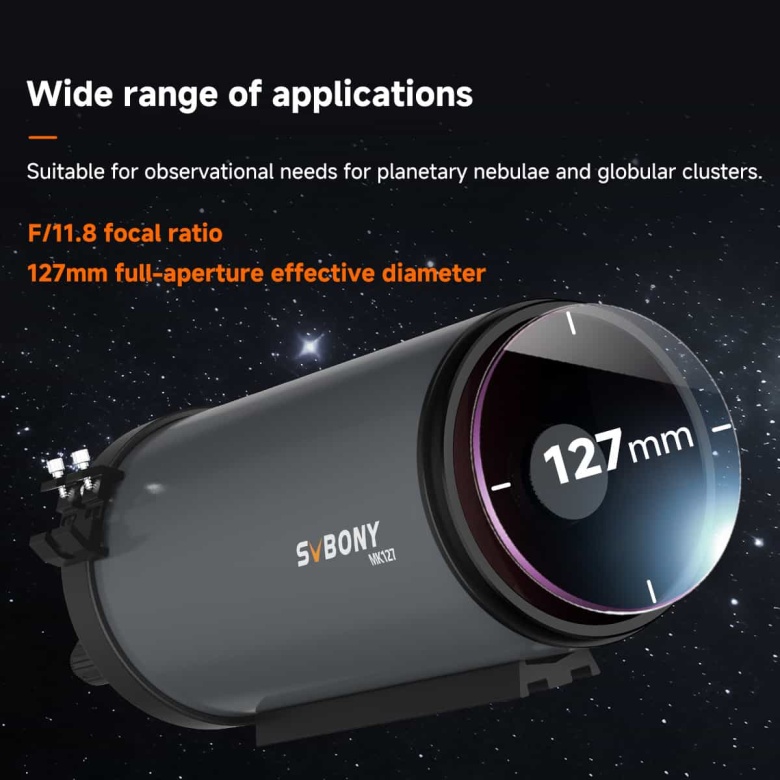
Planetary Observation Kit | SVBONY MK127
[{"Title":"Sharp and Clear Imaging","Content":"The MK127 Maksutov-Cassegrain telescope features high-quality optics that deliver crisp, detailed views of planets, stars, and deep-space objects, ensuring exceptional clarity."},{"Title":"Compact and Portable","Content":"With its compact design, the MK127 is easy to transport, making it an ideal choice for stargazing on the go without compromising on performance or quality."},{"Title":"Superior Light Gathering","Content":"The large 127mm aperture maximizes light collection, providing bright and clear views even in low-light conditions, enhancing your celestial observations."},{"Title":"All-Weather Durability","Content":"Built with durable materials, the MK127 withstands various outdoor conditions, offering reliable performance and longevity for outdoor stargazing sessions."},{"Title":"Simple Setup and Use","Content":"Designed for ease of use, the MK127 features a user-friendly setup process, allowing for quick and frustration-free assembly so you can start observing right away."}]
HOT
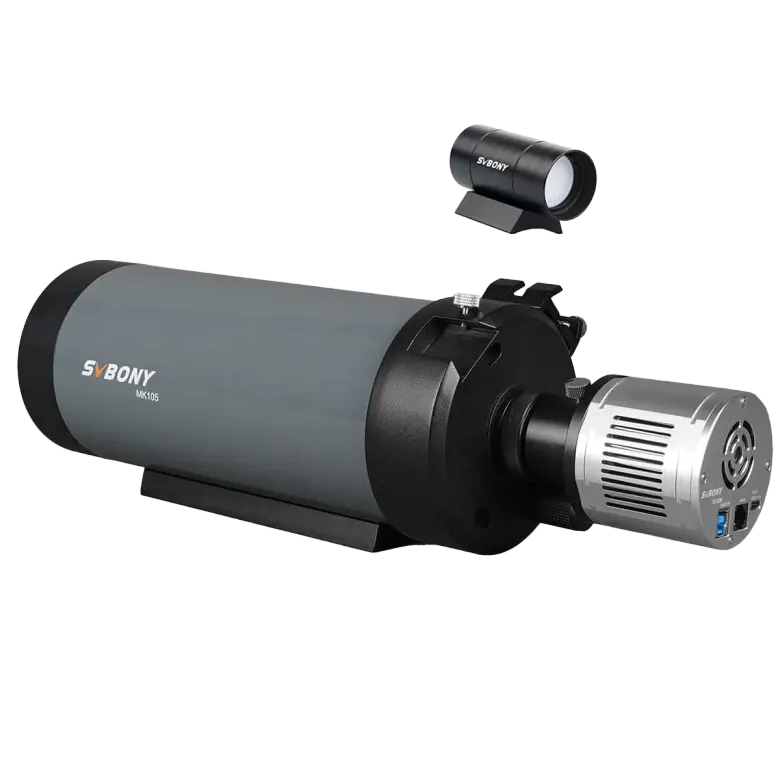
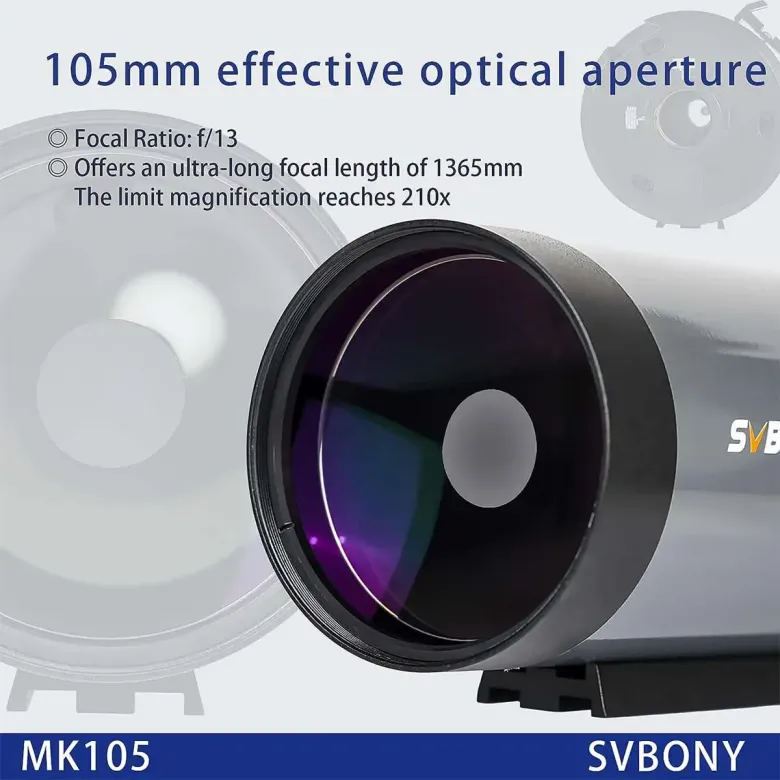
Eclipse Photography Set | SVBONY MK105
[{"Title":"Crystal-Clear Sunspot Viewing","Content":"Resolves solar observation blur, capturing fine sunspot details accurately."},{"Title":"Solar-Specific Sensor","Content":"Specialized sensor optimized for safe, high-precision solar imaging."},{"Title":"Indoor \u0026 Outdoor Use","Content":"Operates seamlessly on balconies or field sites, simplifying solar photography."},{"Title":"SVBONY Reliability Commitment","Content":"2-year warranty with professional technical support."},{"Title":"Official Standard Bundle","Content":"Includes essential components for solar observation."}]
NEW HOT
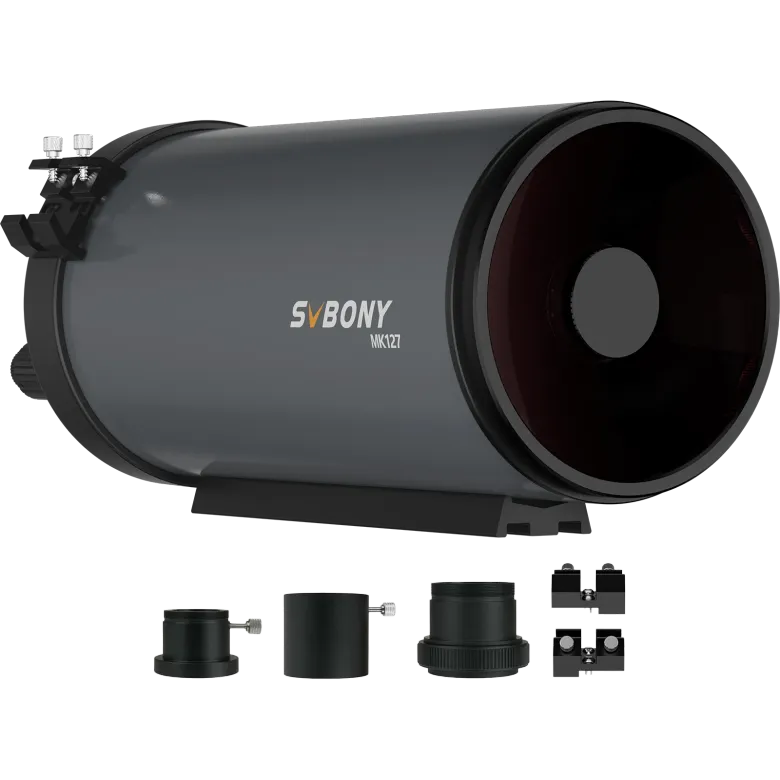
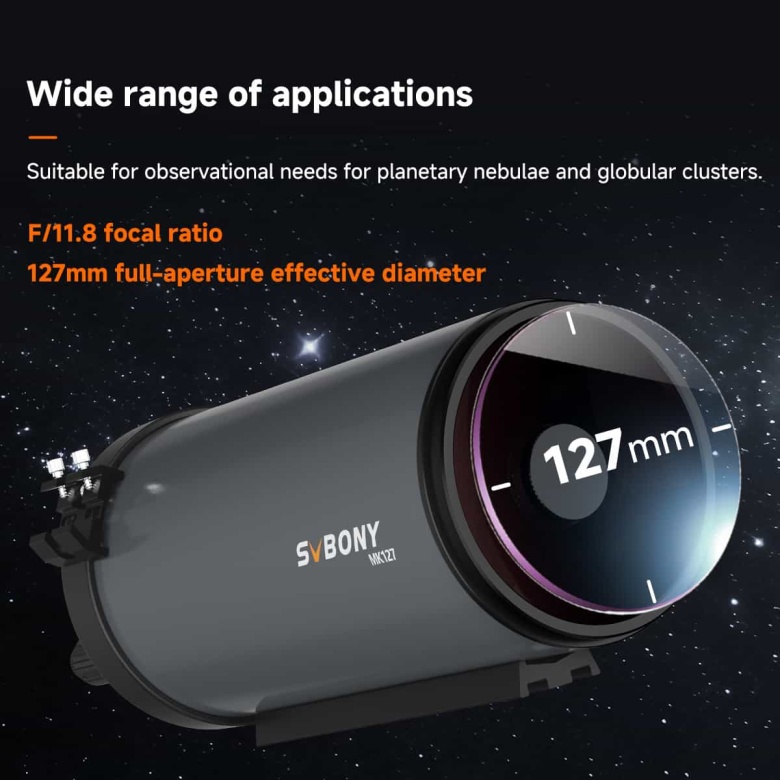
Maksutov-Cassegrain Telescope | SVBONY MK127
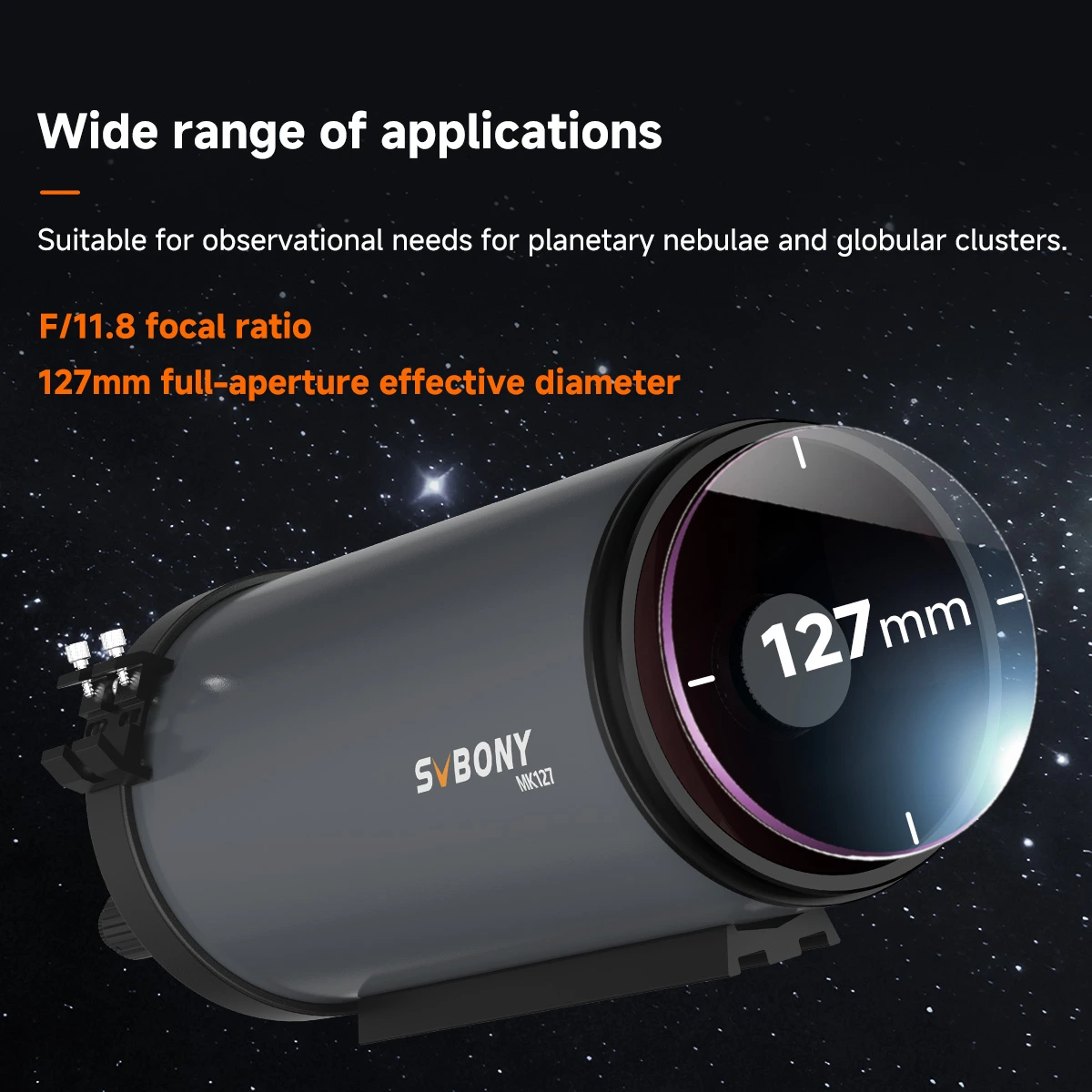
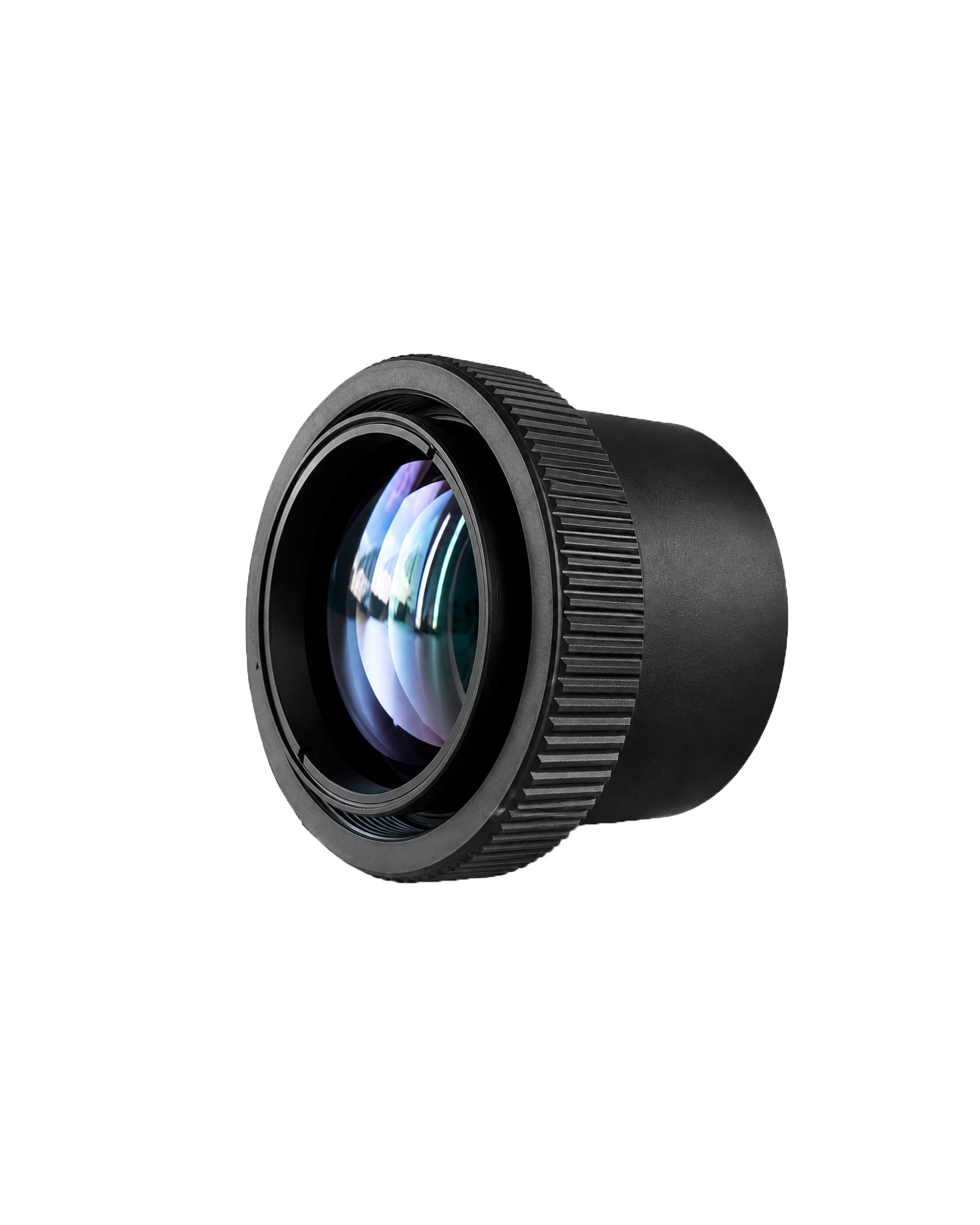
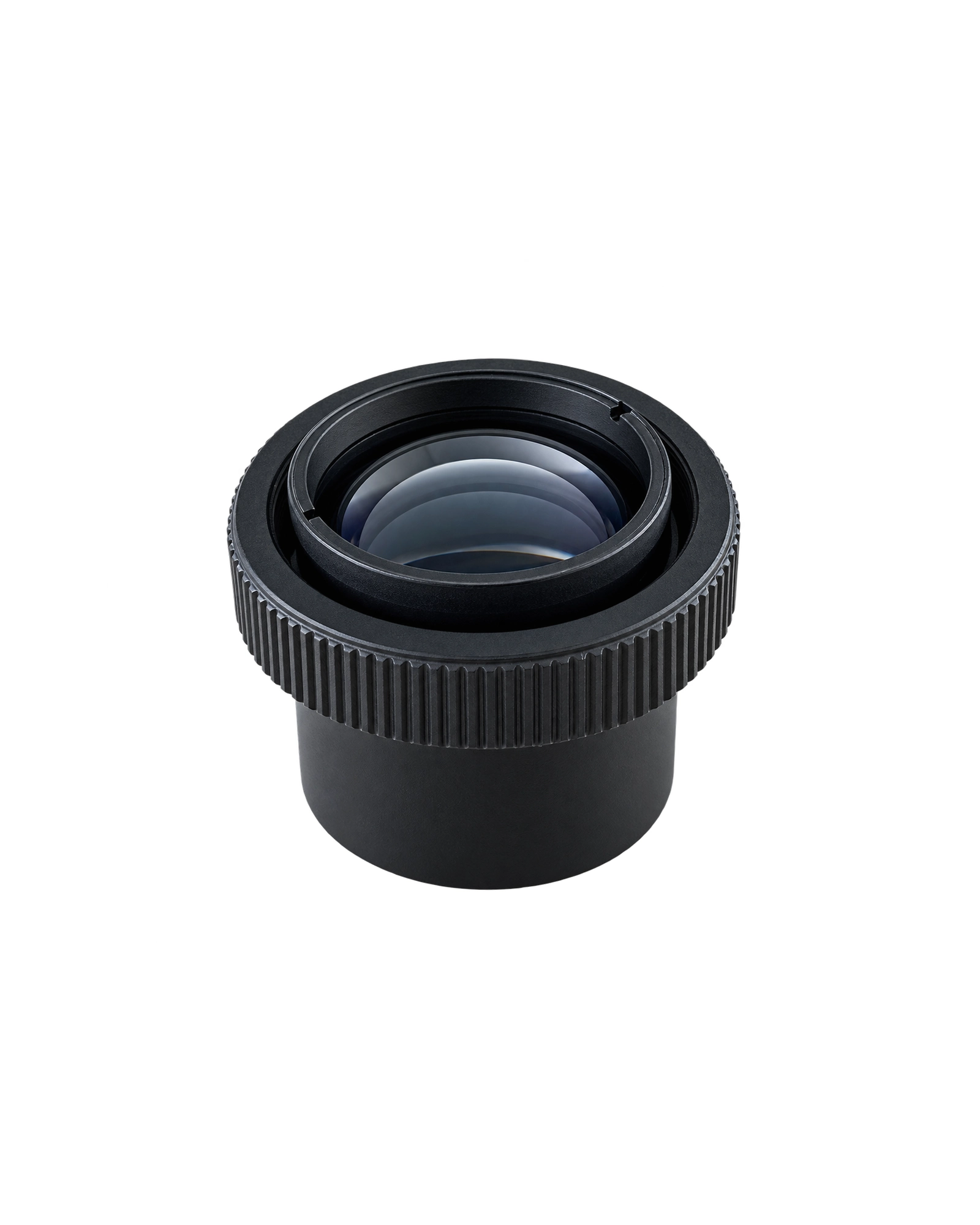
[{"Title":"High-Performance Optics","Content":"Mk127 built-in flat-field design and 3-mirror Mak structure with a separate secondary mirror, this combination corrects for coma and astigmatism, \u00A0delivering tack-sharp images with exceptional contrast and clarity.The mirror reflectivity over 99%, which significantly enhances contrast, you can get the detailed views of planetary nebulae and globular clusters;"},{"Title":"0.65X Focal Reducer","Content":"The 0.65x Focal Reducer can reducing the focal ratio of the MK127 from F11.8 to F7.68. This makes it easier to capture larger celestial targets and expands the telescope\u0027s imaging \u00A0field, making it right for capturing expansive skyscapes;"},{"Title":"127mm Aperture","Content":"The telescope features a large aperture of 127 mm and a focal ratio of F11.8. It balances light-gathering capability and field of view,delivering exceptional performance for both planetary and deep-sky observations;"},{"Title":"Dual-Speed Focuser Design","Content":"Coarse adjustment knob, enables rapid movement of the optical system to achieve a rough focus. Fine adjustment knob is used for minute adjustments to obtain optimal image clarity, enhancing your viewing experience;"},{"Title":"1.25\u0022 and 2\u0022 interfaces","Content":"The telescope features 2\u0022 and 1.25\u0022 eyepiece interfaces, offering compatibility with a wide range of eyepieces and allowing you to customize your observing setup for optimal performance."}]
HOT
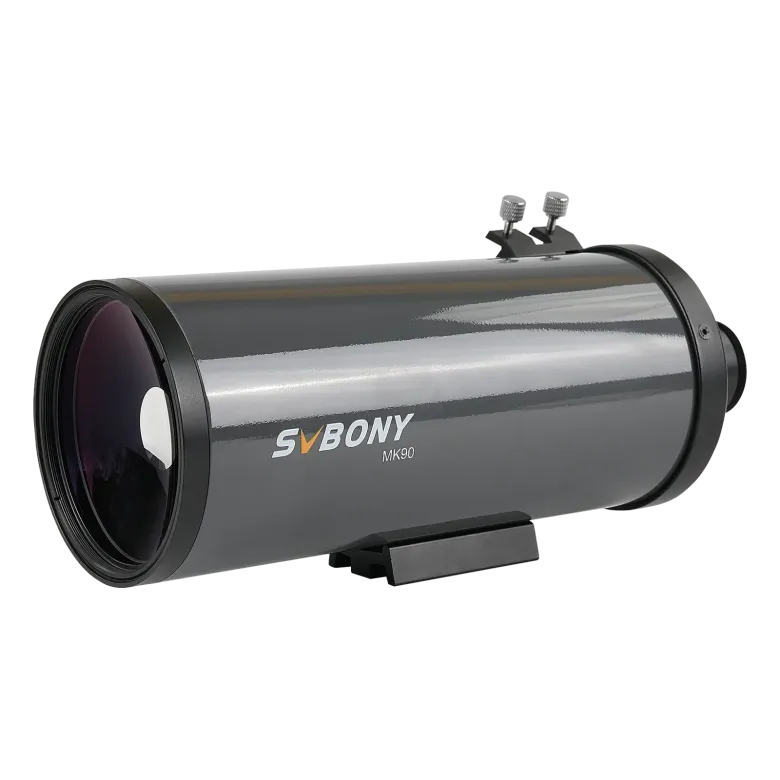
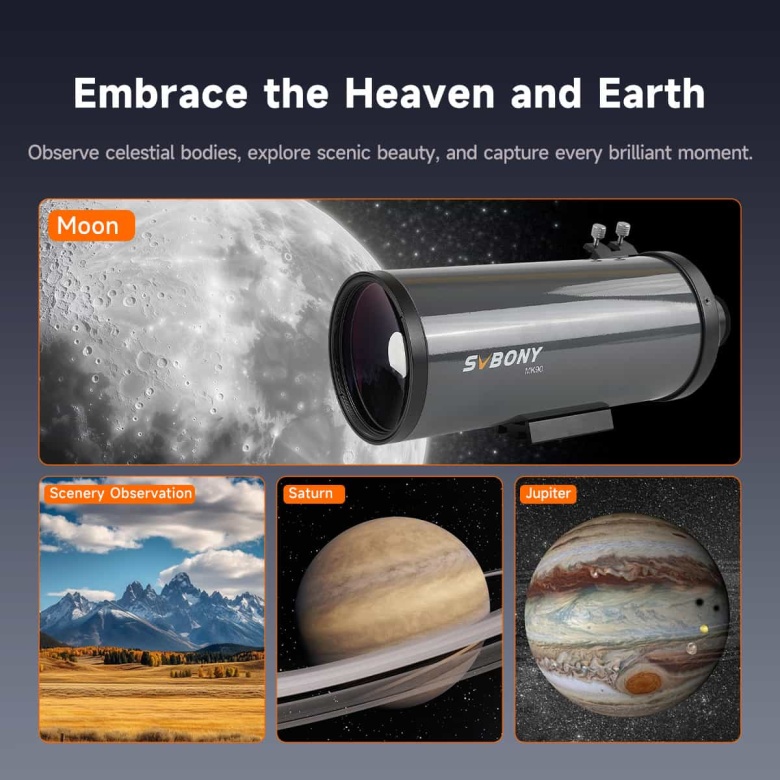
Maksutov-Cassegrain Telescope | SVBONY MK90
[{"Title":"No Periodic Collimation","Content":"Convex meniscus lens replaces Schmidt plate, boosts contrast \u0026 skips calibration"},{"Title":"High-Performance Optics","Content":"90mm aperture \u002B 1250mm focal length, delivers crisp celestial/terrestrial views."},{"Title":"Versatile Observation","Content":"Ideal for lunar/planetary viewing \u0026 nature observation, fits astronomers/enthusiasts."},{"Title":"Durable \u0026 Portable","Content":"Sturdy metal construction withstands travel, 2-year warranty assured."},{"Title":"Practical Design \u0026 Accessories","Content":"Vixen dovetail mount \u002B conical extinction tube \u002B complete accessory set."}]
HOT
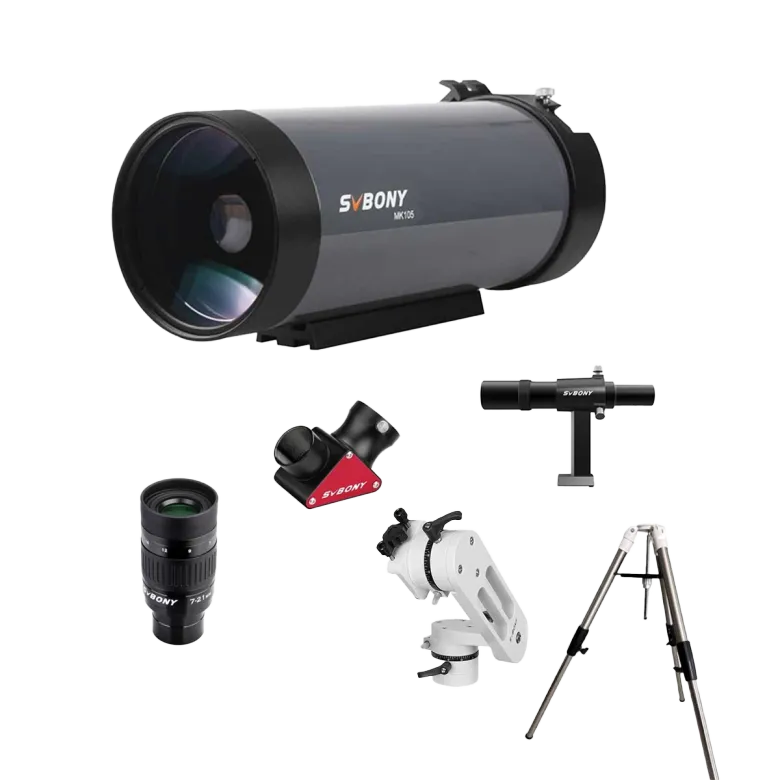
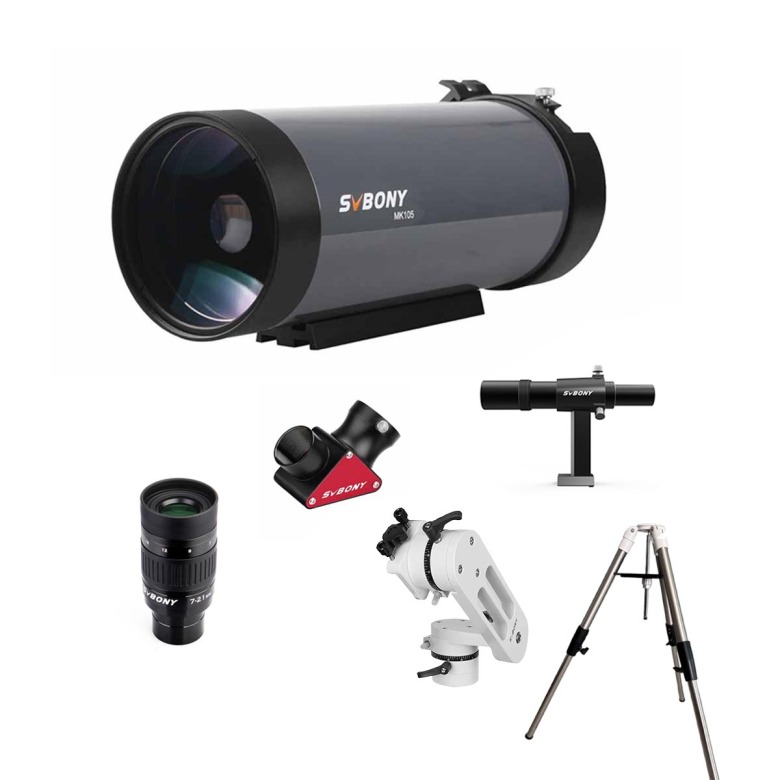
Planetary Telescope Set | SVBONY MK105
[{"Title":"Lightweight Portability","Content":"Eliminates heavy gear constraints, enabling easy transport for on-the-go use."},{"Title":"Compact yet Powerful","Content":"Portable design integrates high magnification without performance loss."},{"Title":"Mobile Observation","Content":"Ideal for travel and camping, ensuring celestial moments are not missed."},{"Title":"SVBONY Durability Assurance","Content":"2-year warranty with rugged construction for outdoor environments."},{"Title":"Official Package Inclusions","Content":"Standard accessories support immediate use out of the box."}]
HOT
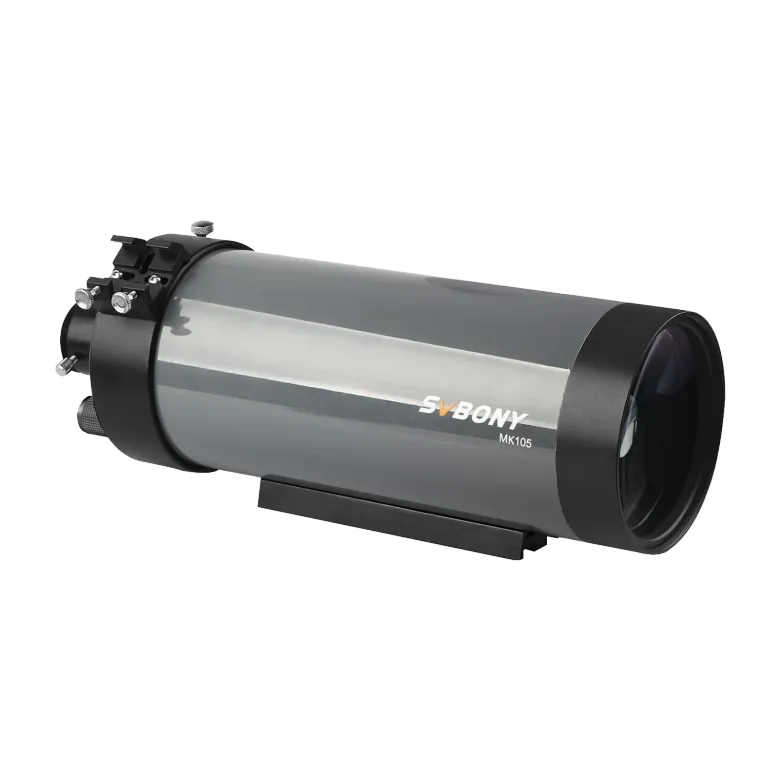
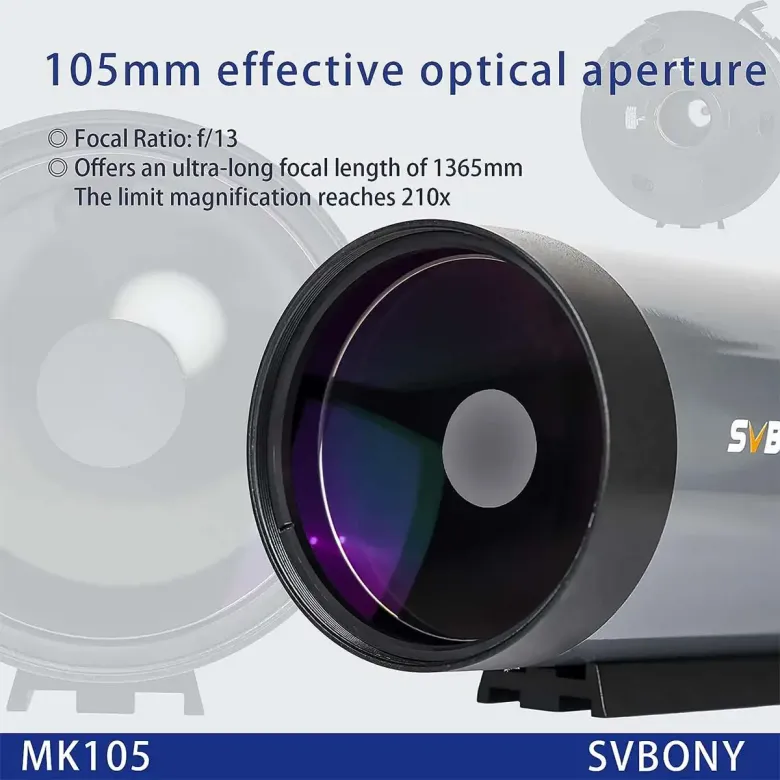
Maksutov-Cassegrain OTA | SVBONY MK105
[{"Title":"Compact Portable Design","Content":"Solves bulkiness, 14.84inch length \u0026 4.83lb weight (half refractor size)."},{"Title":"No Periodic Collimation","Content":"Convex meniscus lens design, reduces obstruction \u0026 boosts contrast."},{"Title":"Travel \u0026 Home Observation","Content":"Ideal for outdoor trips and backyard use, stable in transportation."},{"Title":"SVBONY Durable Quality","Content":"Metal mirror body \u002B electrolyte coating, 2-year warranty assured."},{"Title":"Dual Star-Seeking Bases","Content":"Built-in \u002B leaky bases, supports connection of more astronomical accessories."}]
Maksutov-Cassegrain – Planets & Lunar Viewing
A Maksutov-Cassegrain telescope – also known as a Mak telescope or Maksutov telescope – is a catadioptric telescope that combines mirrors with a front meniscus corrector lens, folding a long focal length into a compact optical tube.
This design delivers sharp, high-contrast views of the Moon, planets, and double stars without the bulk of a traditional long-tube telescope – making it ideal for grab-and-go observing, travel, and backyard astronomy. The long focal length makes higher magnifications practical for detailed visual observation, while the meniscus corrector helps reduce aberrations and enhance image contrast. The optical design of a Maksutov-Cassegrain telescope for planetary observation is particularly well suited to revealing fine details such as lunar craters, Jupiter's cloud bands, Saturn's rings, and other planetary features. Its relatively narrow field of view is an advantage for high-magnification observing, allowing observers to study specific lunar or planetary details rather than a wide area of the sky. The sealed optical tube keeps the optics protected from dust and moisture, while the fixed mirror design requires no routine collimation – unlike traditional reflector designs that need frequent alignment.
For beginners, a Maksutov-Cassegrain telescope for beginners offers a low-maintenance, easy-to-use setup for learning lunar and planetary observation. The compact form factor makes it easy to store and transport, while the long focal length provides the magnification needed to explore the night sky in detail. Experienced observers also appreciate the combination of compact construction, high-contrast views, and versatility across different observing scenarios. Beyond astronomy, Maksutov-Cassegrain telescopes support terrestrial applications such as birdwatching and long-range nature observation. Some models can also be used for Maksutov-Cassegrain astrophotography – particularly planetary imaging and selected deep-sky targets – with the right mount, camera, and accessories.
The SVBONY MK series offers three models: the MK90 for portable astronomy and birdwatching; the MK105 for balanced optical capability and compact size; and the MK127 for the largest aperture and light-gathering power in a compact form – with a 0.65× focal reducer for deep-sky imaging. Explore SVBONY Maksutov-Cassegrain telescopes and find the right configuration for your observing goals – from compact grab-and-go setups to serious planetary performers.
Explore the SVBONY Starter Collection and find the perfect companion for your journey into astronomy.
Faqs About Maksutov-Cassegrain
Most Maksutov-Cassegrain telescopes require little to no routine collimation during normal use. Their closed optical tube and fixed optical components help maintain optical alignment better than many traditional reflector designs. SVBONY Maksutov telescopes, including the MK90, MK105, and MK127, are designed for straightforward setup and everyday observation. Under normal handling and transport, users generally do not need to perform regular collimation. If the telescope experiences a significant impact or produces noticeably distorted star images, the optical alignment may need to be checked.
A Maksutov-Cassegrain telescope, also known as a Mak telescope, is particularly well suited to lunar and planetary observation. Its long focal length and compact optical design make it useful for observing lunar craters, Jupiter's cloud bands, Saturn's rings, double stars, and other relatively bright celestial targets. These catadioptric telescopes can also be used for selected deep-sky objects, terrestrial viewing, birdwatching, and planetary imaging. The best application depends on the telescope's aperture, focal ratio, mount, and accessories.
Yes. A Maksutov-Cassegrain telescope for beginners can be a practical choice for observers who are mainly interested in the Moon and planets. The compact optical tube is easy to store and transport, while the long focal length supports higher-magnification observation with suitable eyepieces. The closed optical design also generally requires less routine alignment than many traditional reflector telescopes. For beginners choosing a planetary telescope, a Maksutov design offers a compact setup for exploring detailed lunar and planetary targets without requiring a large optical tube.
While Maksutov-Cassegrain telescopes offer a compact design and long focal length, they also have some limitations. Their relatively narrow field of view is less suitable for very large deep-sky objects and wide-field star views. Many Maksutov telescopes also have slower focal ratios, which can make deep-sky astrophotography more demanding. The closed optical tube may also require additional time to reach thermal equilibrium when moved between significantly different temperatures, particularly before high-magnification observation. Larger-aperture models can be relatively heavy for their compact size, so aperture, portability, and mounting requirements are worth considering together.
Neither Schmidt-Cassegrain nor Maksutov-Cassegrain is universally better. The right choice depends on your observing goals. A Maksutov-Cassegrain telescope is particularly well suited to lunar observation, planetary observation, and double stars because of its long focal length, compact design, and strong image contrast. A Schmidt-Cassegrain telescope generally provides a wider field of view and greater flexibility for a broader range of deep-sky observation and astrophotography. If your priority is detailed views of the Moon and planets in a compact optical system, a Maksutov-Cassegrain can be a strong fit. If you want greater versatility across wide-field observation and different imaging applications, a Schmidt-Cassegrain may be more suitable.
 Google
 Amazon