NEW HOT
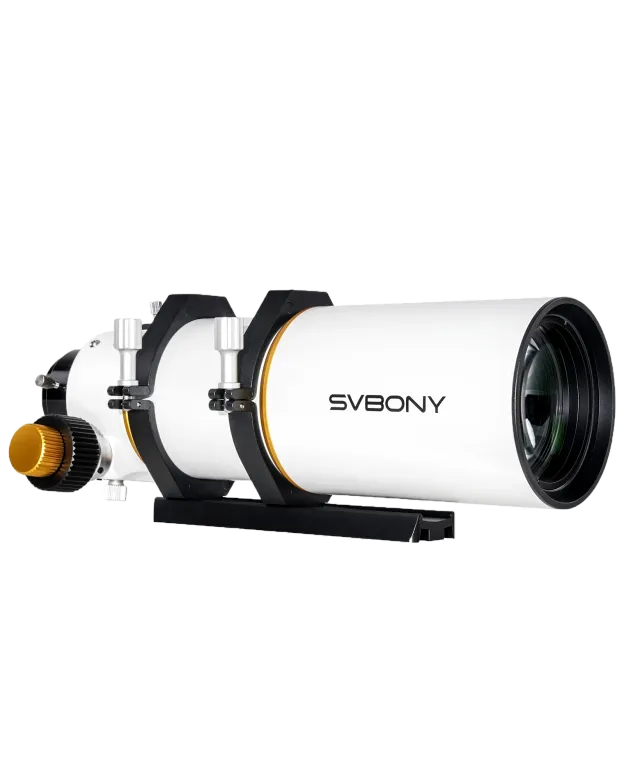
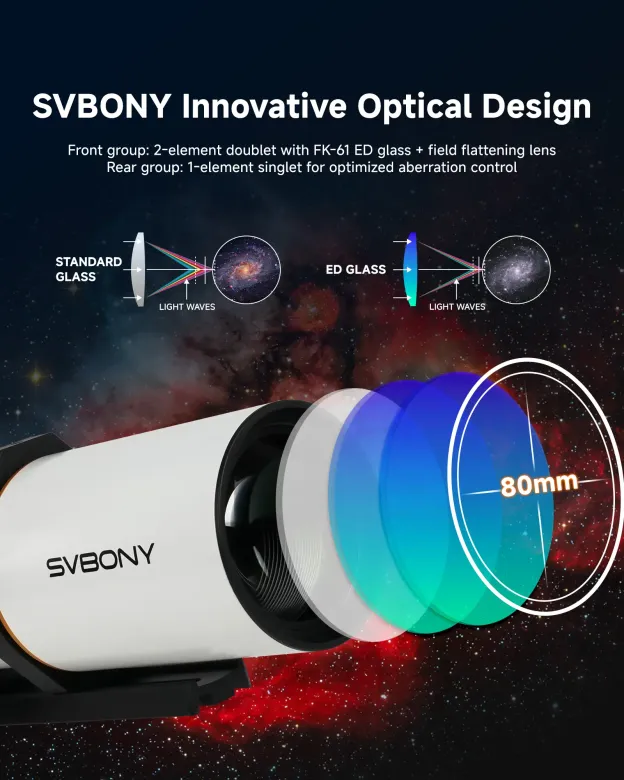
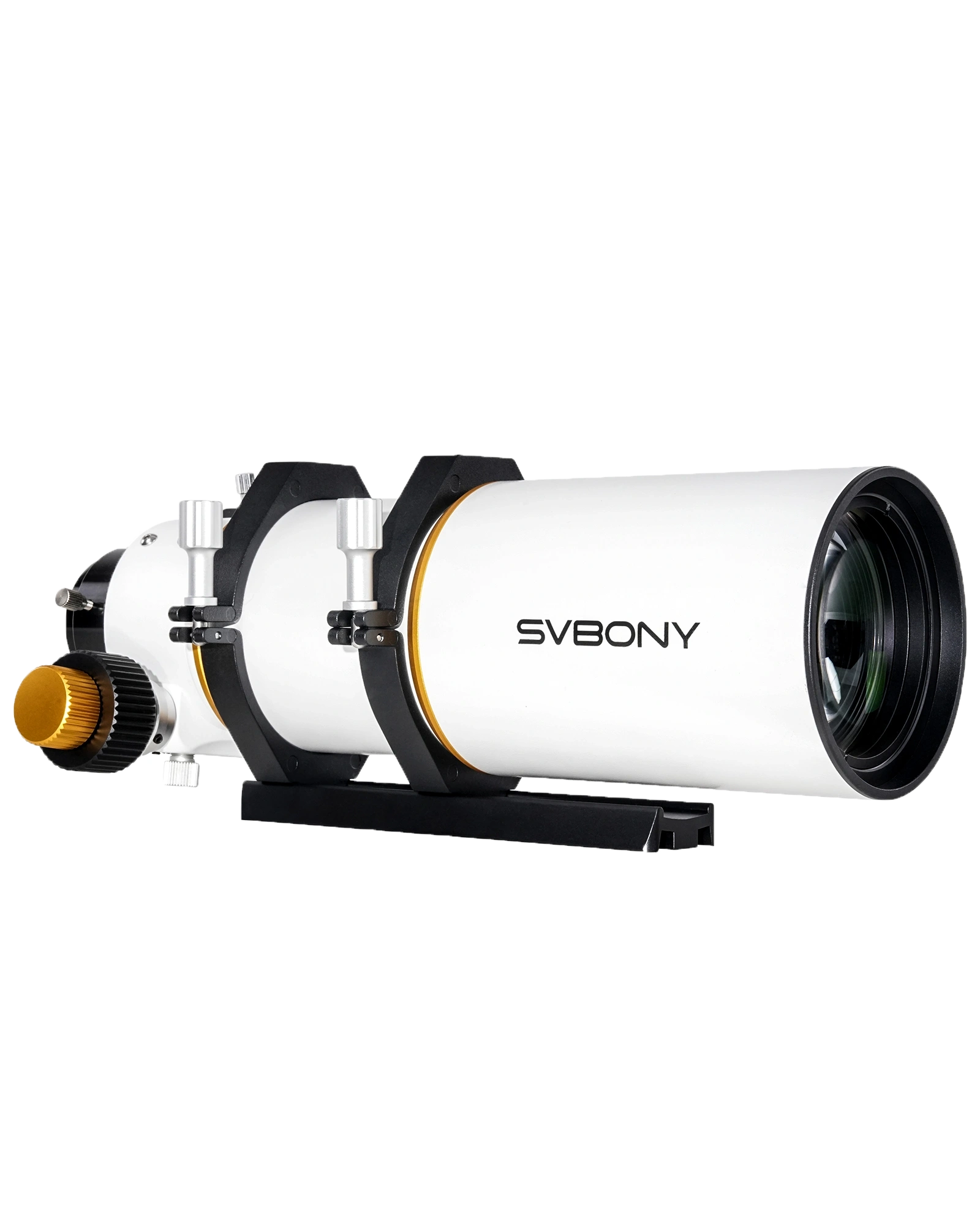
ED Refractor SV530 80mm Astrophotography
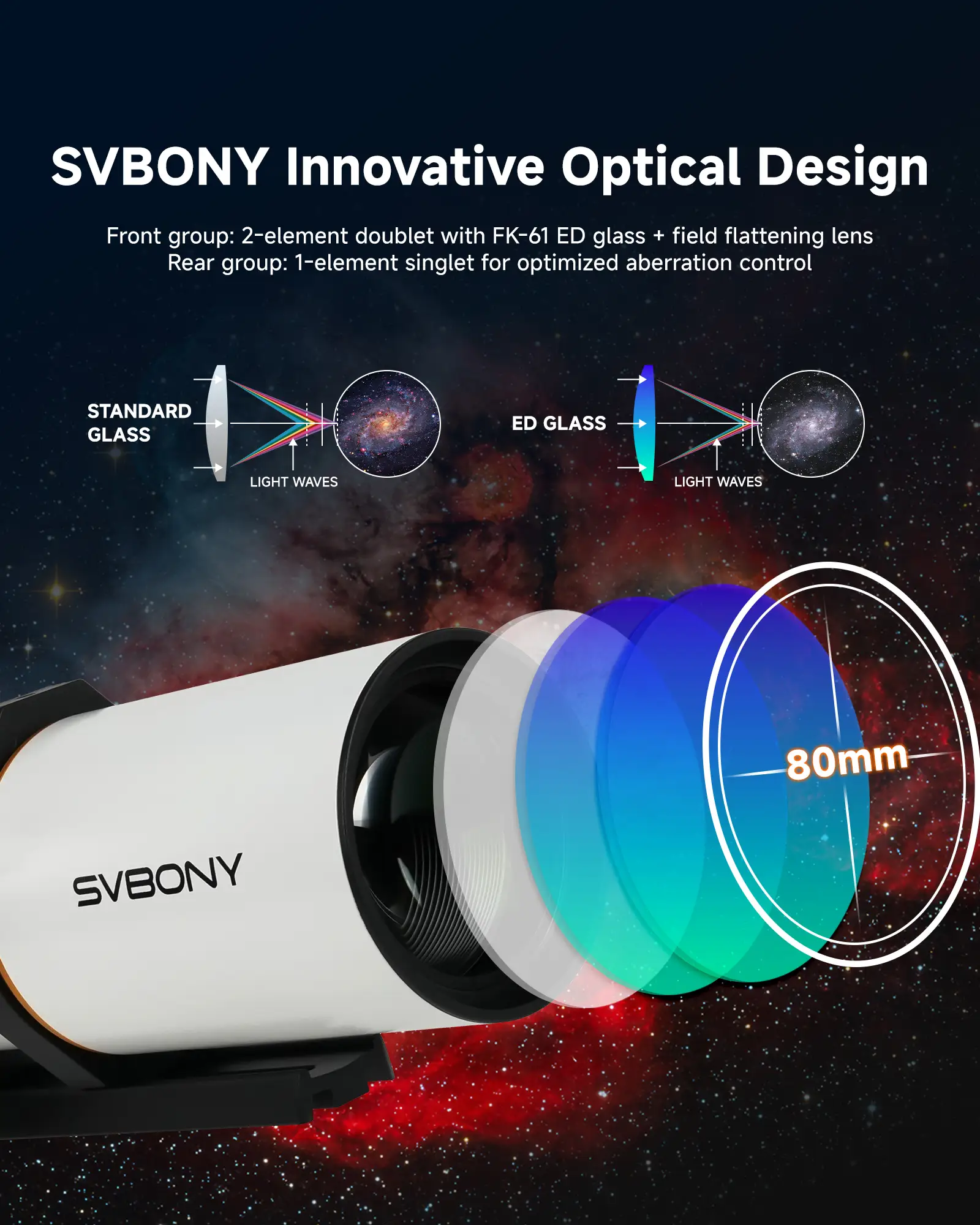
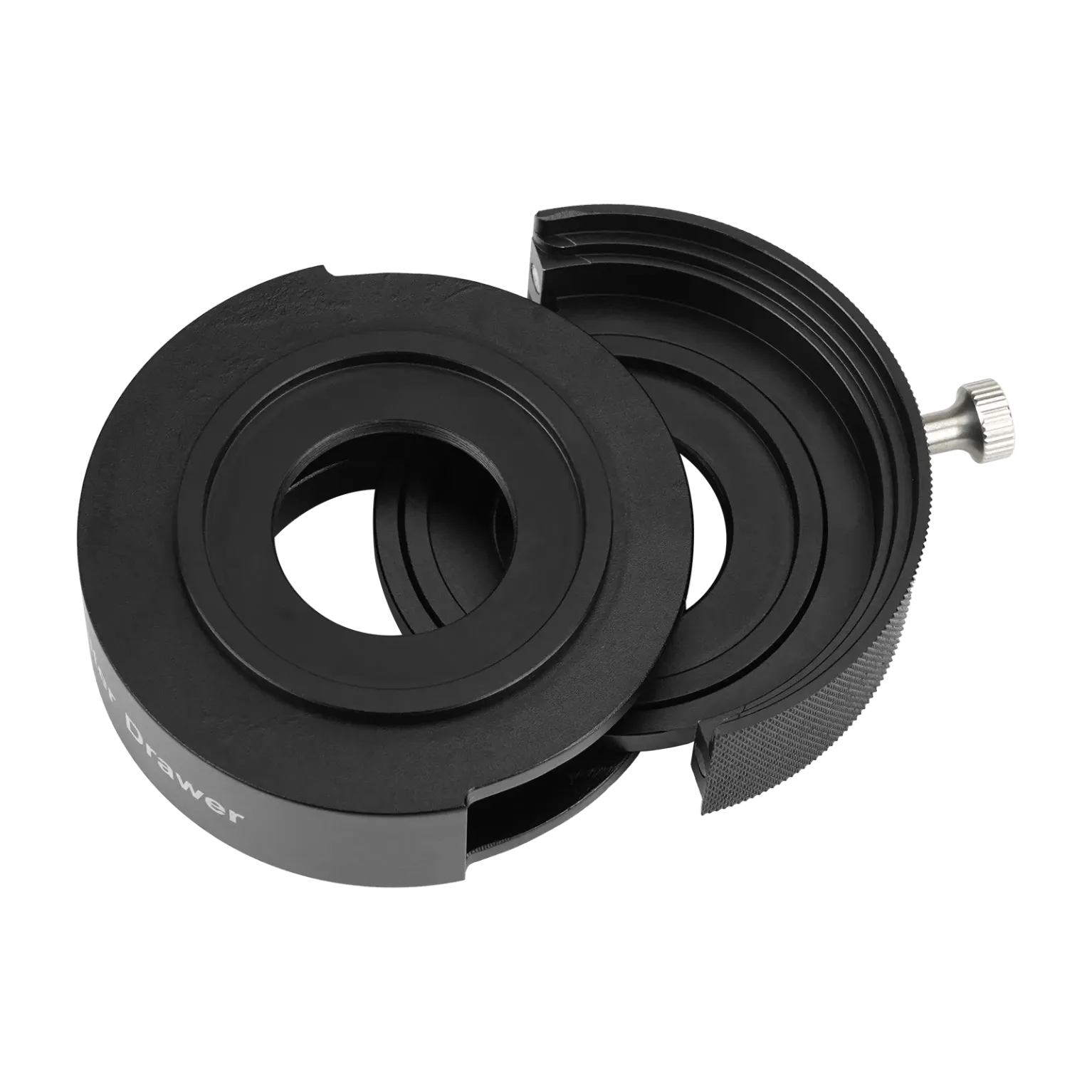
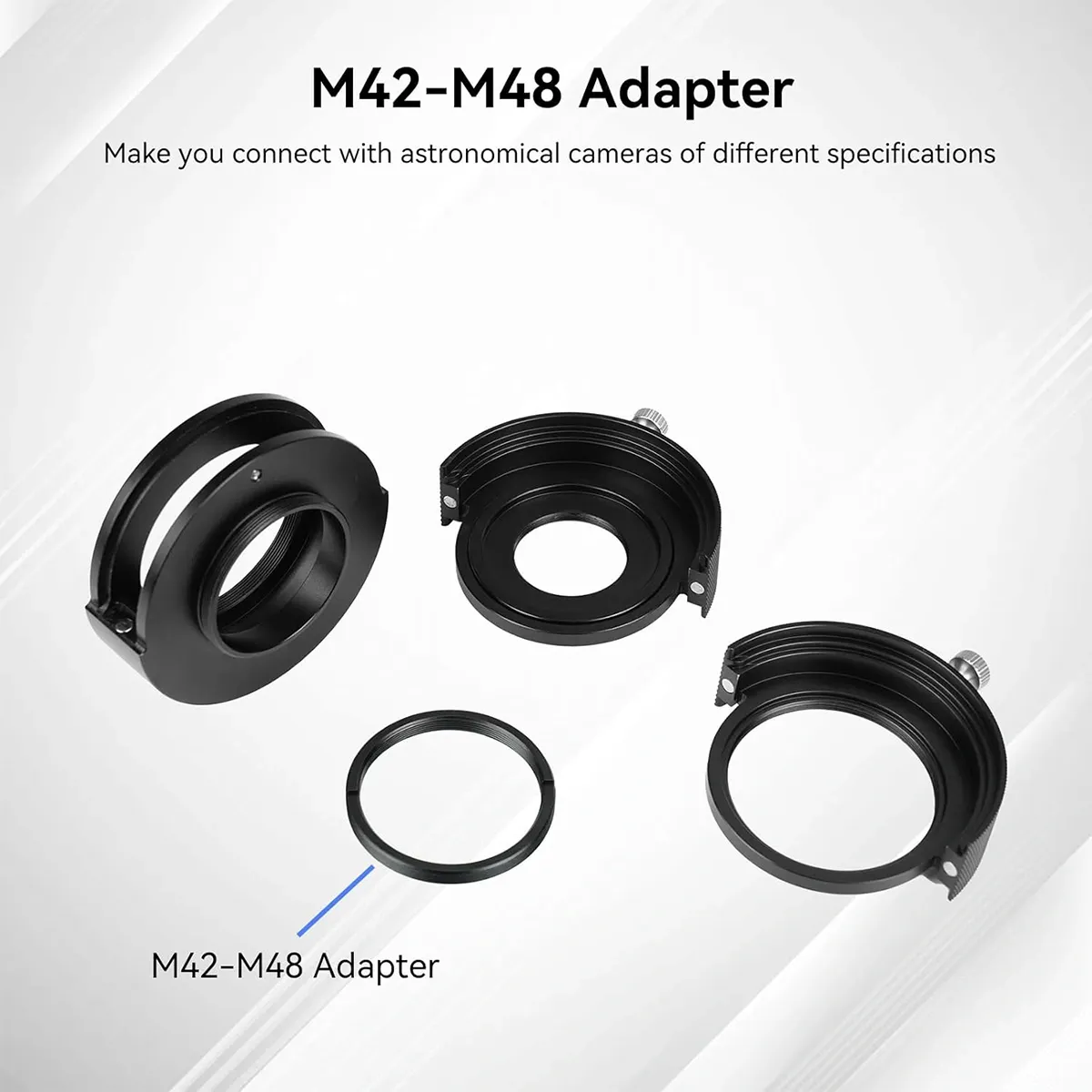
[{"Title":"80mm ED Optics for Edge-to-Edge Sharpness","Content":"ED doublet objective with a built-in field flattener reduces chromatic aberration and field curvature, delivering crisp, high-contrast images from center to edge \u2014 keeping stars sharp across the entire field of view."},{"Title":"480mm f/6 Wide-Field Optics for Deep Sky \u0026 Lunar Viewing","Content":"Enjoy bright, detailed views of nebulae, star clusters, and the Moon with a versatile focal length designed for wide-field observation and astrophotography."},{"Title":"AR Coating \u002B Internal Light Control for Brighter, Clearer Views","Content":"Multi-layer anti-reflective coating, lens-edge blackening, and internal light-absorbing paint work together to improve light transmission and suppress stray light \u2014 delivering brighter, higher-contrast images even under light-polluted skies."},{"Title":"10:1 Dual-Speed Focuser for Precise Focus Control","Content":"The 2.5-inch rack-and-pinion focuser with a 10:1 fine-focus ratio and 60mm travel range allows smooth, accurate adjustments for planets, deep-sky targets, and astrophotography setups."},{"Title":"Astrophotography-Ready Compatibility for Easy Camera Setup","Content":"Includes an M63-to-M48 adapter for connecting DSLR cameras, CMOS/CCD astronomy cameras, and imaging accessories with a flexible astrophotography-ready design."}]
NEW HOT
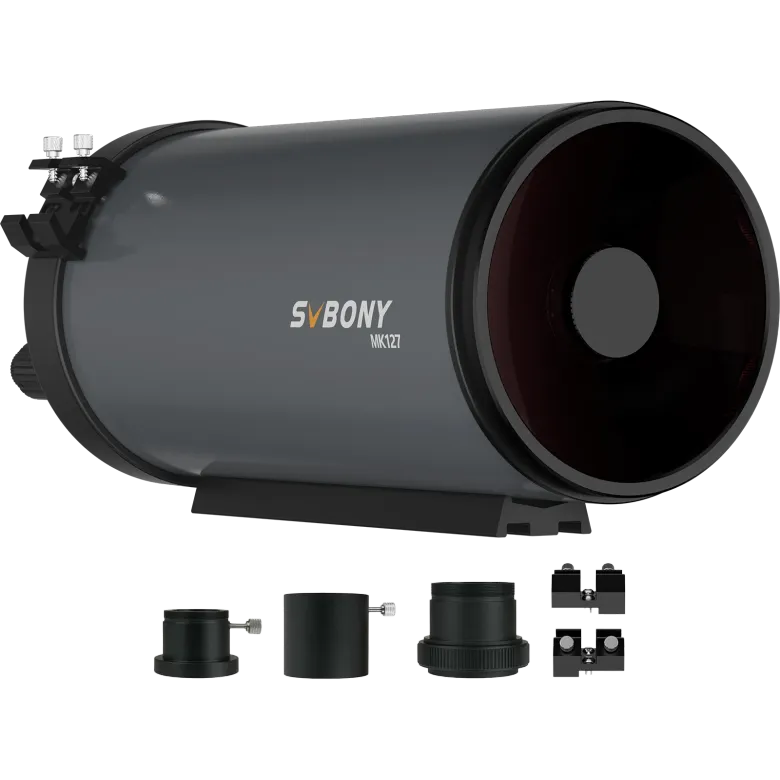
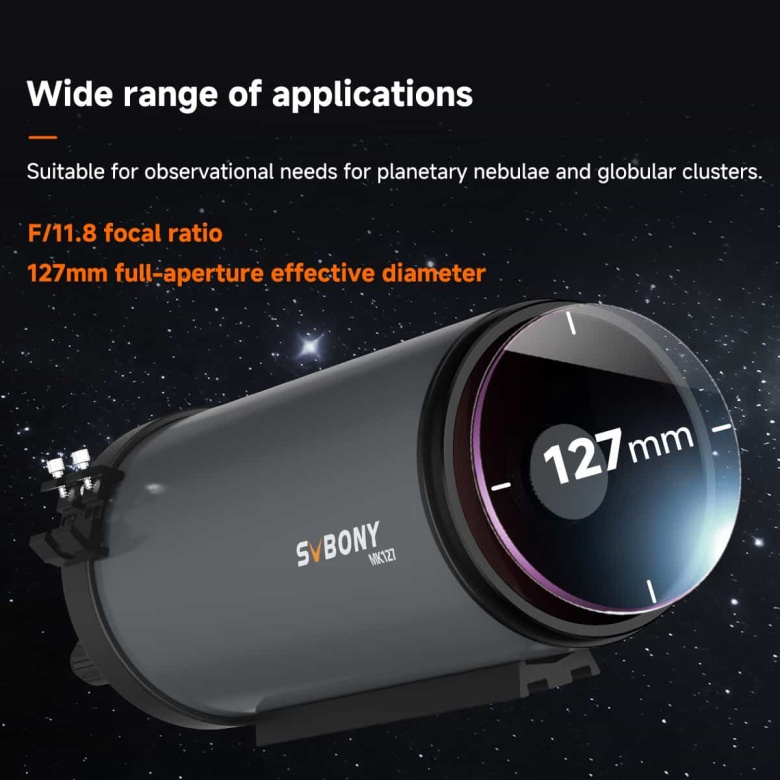
Maksutov-Cassegrain Telescope | SVBONY MK127
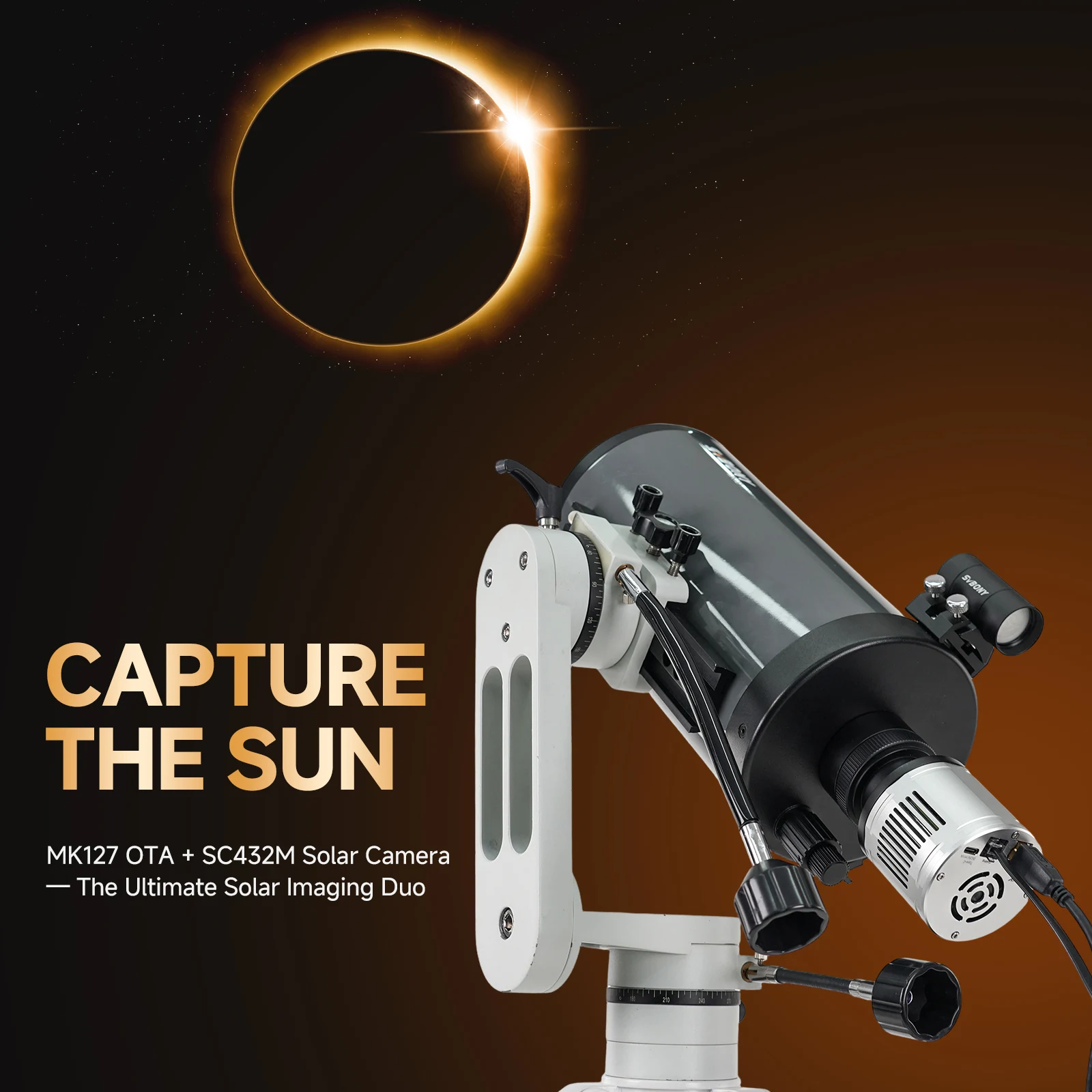
[{"Title":"High-Performance Optics","Content":"Mk127 built-in flat-field design and 3-mirror Mak structure with a separate secondary mirror, this combination corrects for coma and astigmatism, \u00A0delivering tack-sharp images with exceptional contrast and clarity.The mirror reflectivity over 99%, which significantly enhances contrast, you can get the detailed views of planetary nebulae and globular clusters;"},{"Title":"0.65X Focal Reducer","Content":"The 0.65x Focal Reducer can reducing the focal ratio of the MK127 from F11.8 to F7.68. This makes it easier to capture larger celestial targets and expands the telescope\u0027s imaging \u00A0field, making it right for capturing expansive skyscapes;"},{"Title":"127mm Aperture","Content":"The telescope features a large aperture of 127 mm and a focal ratio of F11.8. It balances light-gathering capability and field of view,delivering exceptional performance for both planetary and deep-sky observations;"},{"Title":"Dual-Speed Focuser Design","Content":"Coarse adjustment knob, enables rapid movement of the optical system to achieve a rough focus. Fine adjustment knob is used for minute adjustments to obtain optimal image clarity, enhancing your viewing experience;"},{"Title":"1.25\u0022 and 2\u0022 interfaces","Content":"The telescope features 2\u0022 and 1.25\u0022 eyepiece interfaces, offering compatibility with a wide range of eyepieces and allowing you to customize your observing setup for optimal performance."}]
HOT
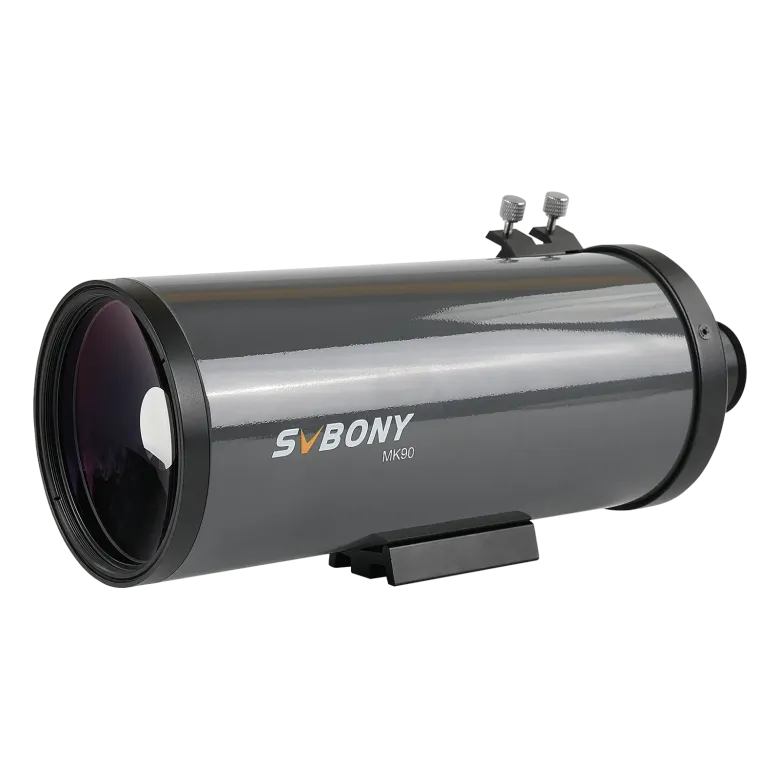
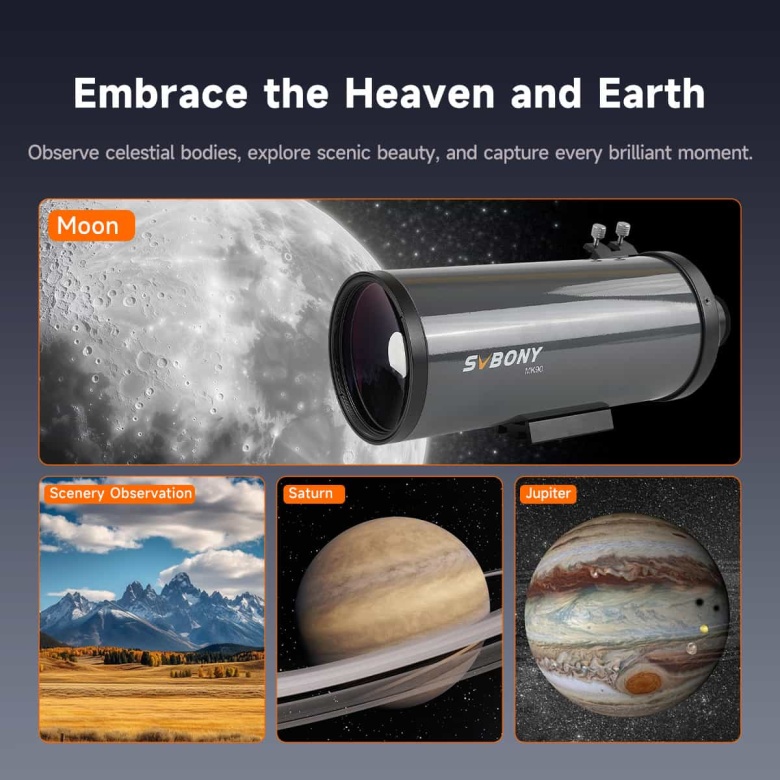
Maksutov-Cassegrain Telescope | SVBONY MK90
[{"Title":"No Periodic Collimation","Content":"Convex meniscus lens replaces Schmidt plate, boosts contrast \u0026 skips calibration"},{"Title":"High-Performance Optics","Content":"90mm aperture \u002B 1250mm focal length, delivers crisp celestial/terrestrial views."},{"Title":"Versatile Observation","Content":"Ideal for lunar/planetary viewing \u0026 nature observation, fits astronomers/enthusiasts."},{"Title":"Durable \u0026 Portable","Content":"Sturdy metal construction withstands travel, 2-year warranty assured."},{"Title":"Practical Design \u0026 Accessories","Content":"Vixen dovetail mount \u002B conical extinction tube \u002B complete accessory set."}]
HOT
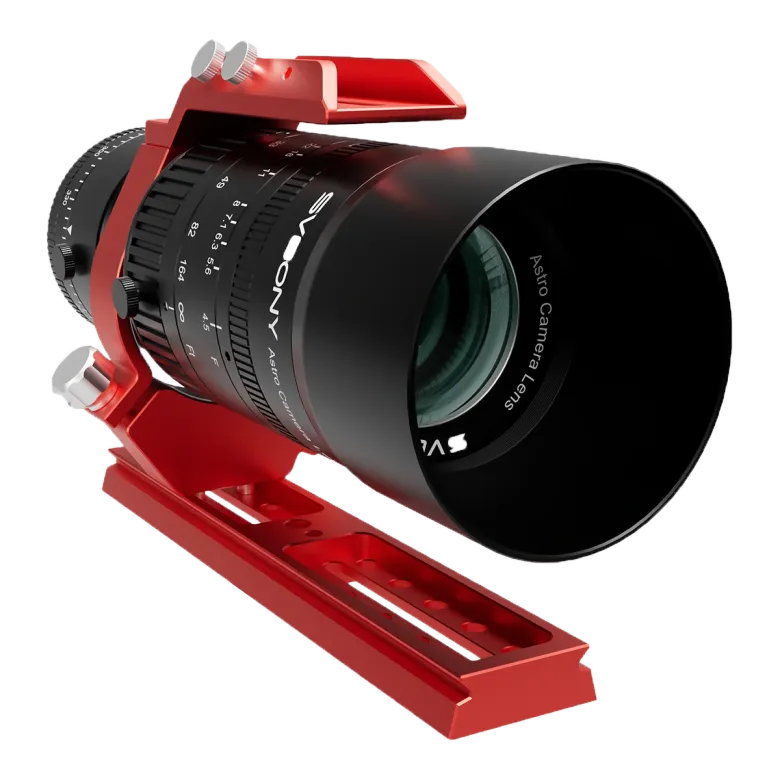
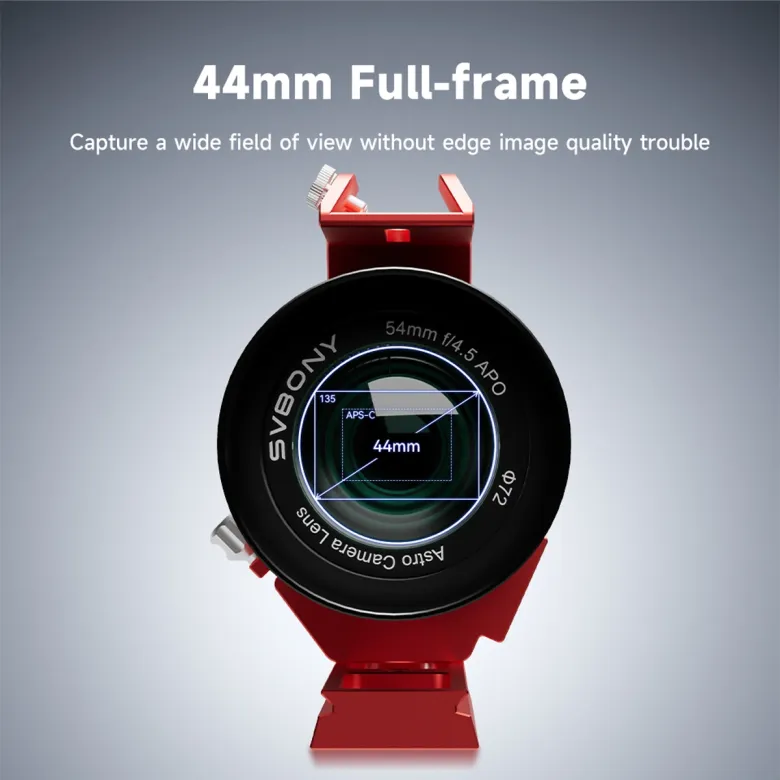
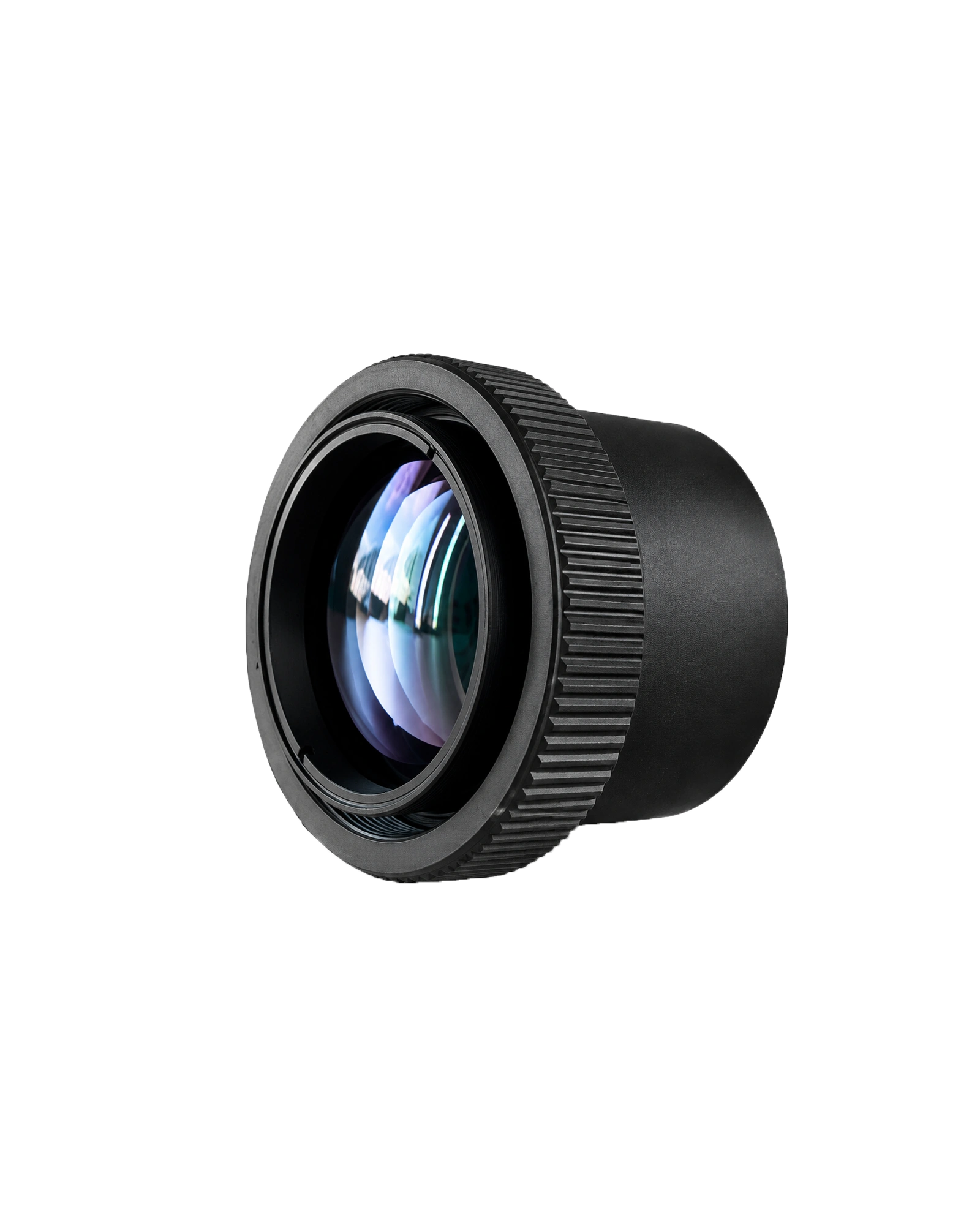
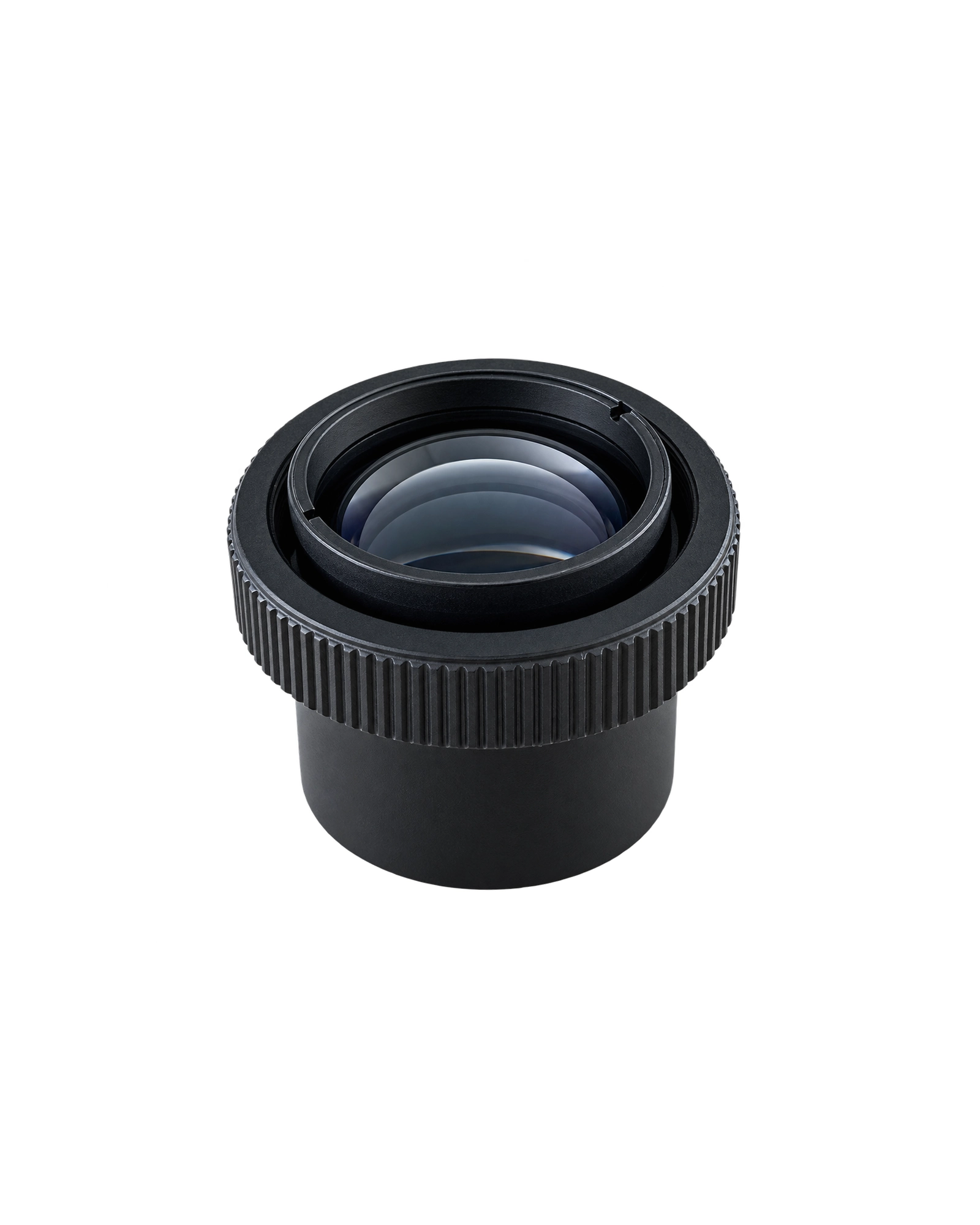
APO Petzval Astrograph Lens | SVBONY SV555
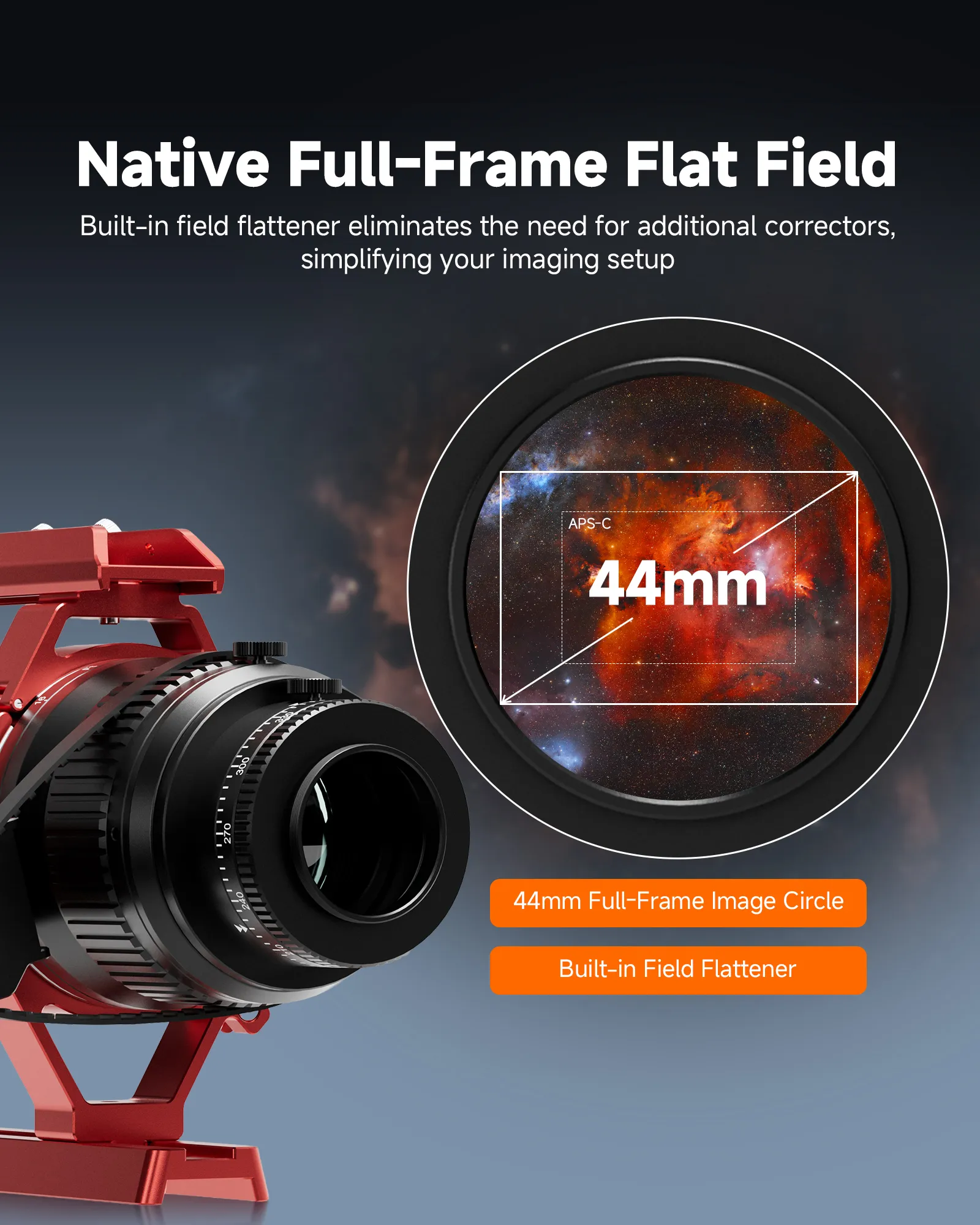
[{"Title":"Lightweight and Durable Design","Content":"The SV555 Astrograph Lens features a surface finish upgrade and a 90g weight reduction, offering enhanced portability and improved durability for easy handling during long observation sessions."},{"Title":"Upgraded Lens Hood \u0026 Precise Focus","Content":"With the lens hood reduced from 97mm to 93mm, the compact design helps reduce stray light, while the increased focus travel from 2.67mm to 3.22mm provides more precise focusing, ensuring sharp, clear images."},{"Title":"Advanced Petzval Optical System","Content":"Equipped with a 3-group, 5-piece Petzval lens structure, the SV555 delivers a wide, distortion-free field of view, ensuring crisp, detailed images for both planetary and deep-sky astrophotography."},{"Title":"Full-Frame Compatibility \u0026 Wide Aperture Range","Content":"The 44mm full-frame design avoids aperture blockage, providing a clear, wide view, while the aperture range from F22 to F4.5 allows flexible light gathering for various celestial objects."},{"Title":"Broad Compatibility with Accessories","Content":"Featuring an M48x0.75 filter thread and a 186mm dovetail plate, the SV555 Astrograph Lens is compatible with various filters and mounts, ensuring easy integration with a wide range of astrophotography setups."}]
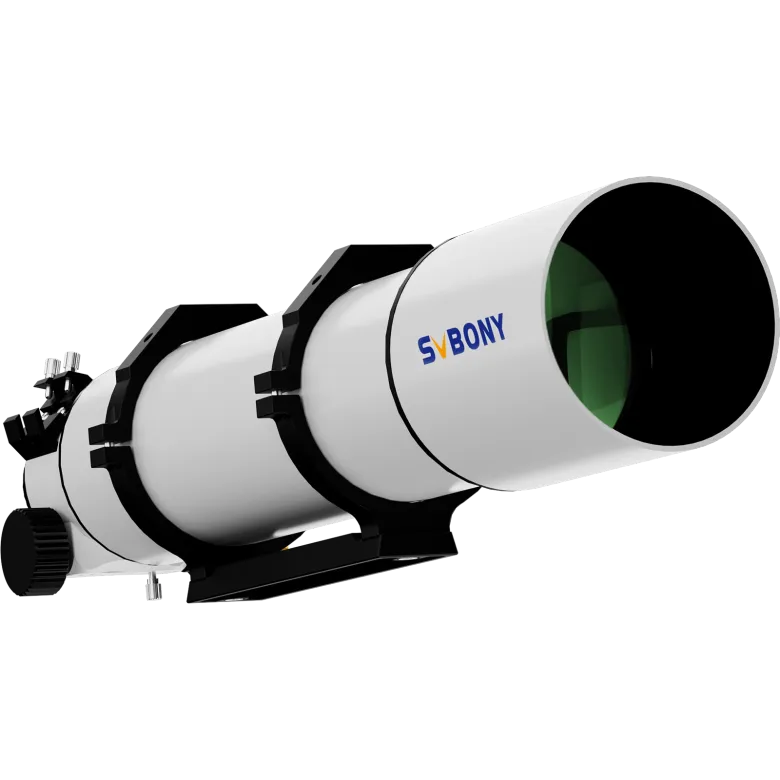
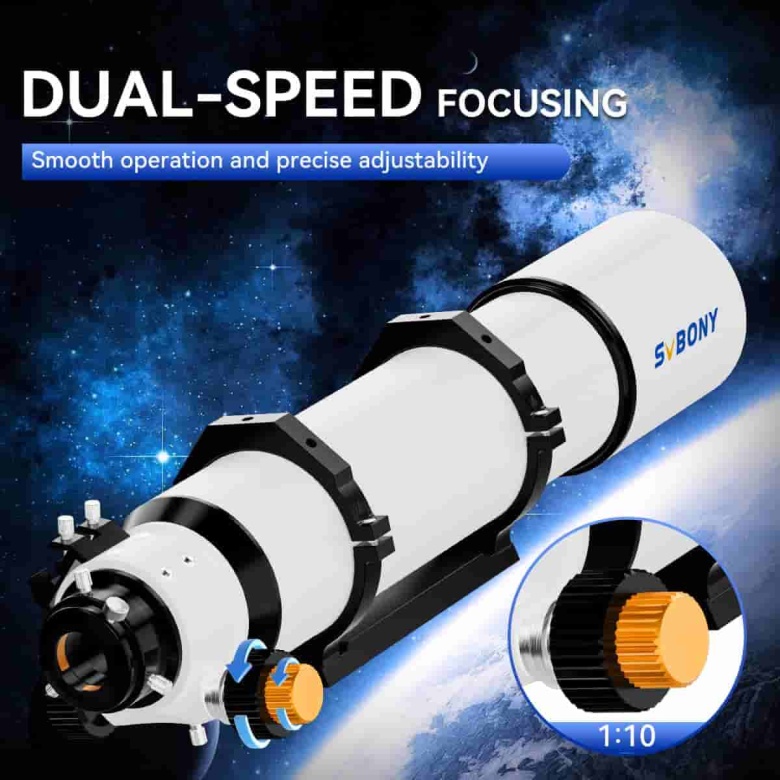
Achromatic Telescope | SVBONY SV48P 102
[{"Title":"102mm Large Aperture Refractor","Content":"Provides superior light gathering and high resolution for bright, detailed astronomical views."},{"Title":"2.5\u0022 RAP Dual-Speed Focuser","Content":"Enables rapid coarse focusing and fine precision adjustment for optimal image clarity."},{"Title":"f/6.5 Fast Focal Ratio","Content":"Delivers a wide field of view ideal for observing galaxies, nebulae, and star clusters."},{"Title":"Fully Multi-Coated Achromatic Optics","Content":"Minimizes chromatic aberration and enhances contrast for sharp, color-accurate viewing."},{"Title":"Integrated Dovetail Mounting Plate","Content":"Ensures secure, stable attachment to equatorial mounts for vibration-free observation."}]
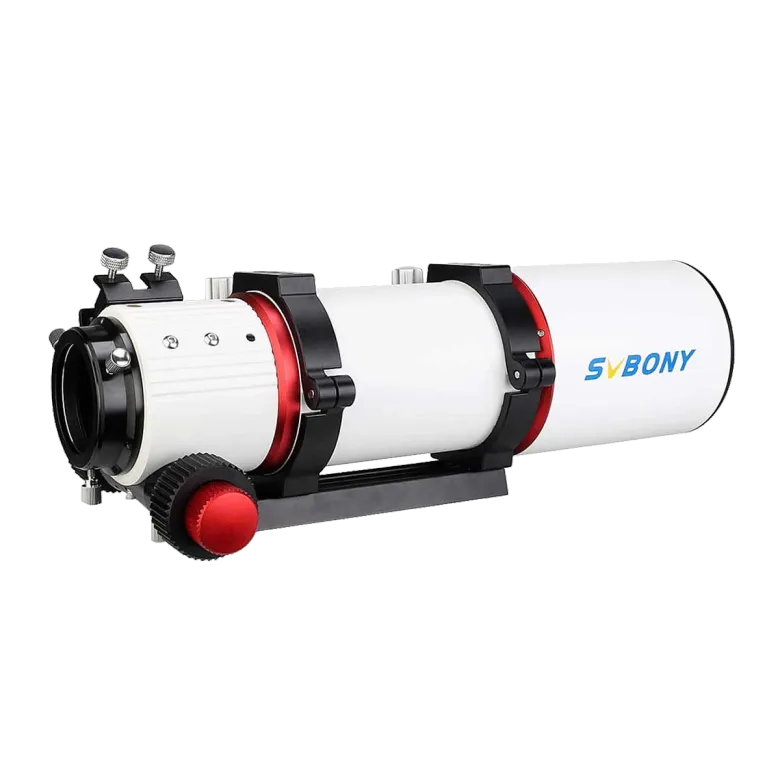
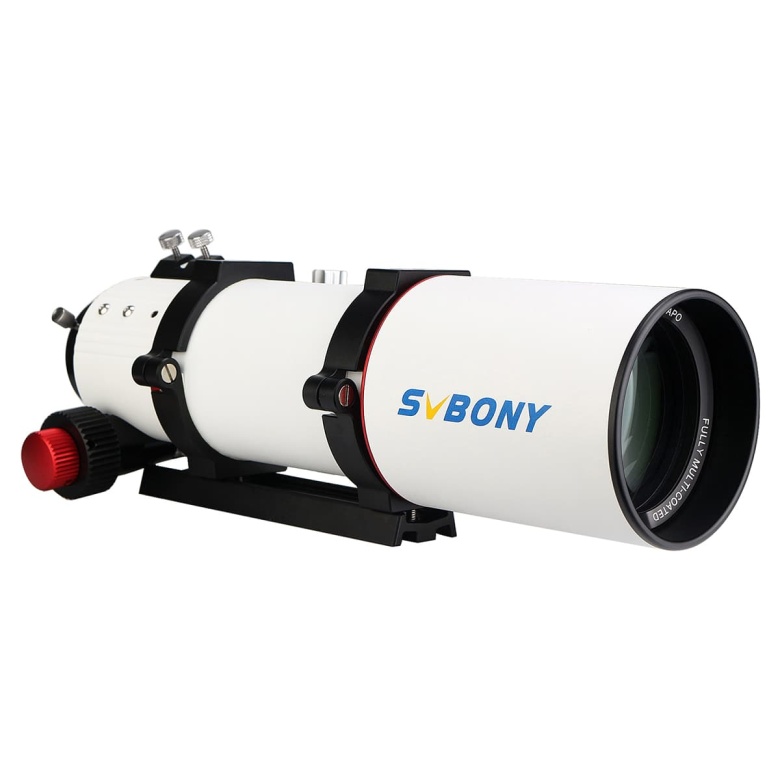
HOT
APO Triplet Refractor | SVBONY SV550 80
[{"Title":"Triplet APO Optics","Content":"Apochromatic 3\u2011element design with FPL51 ED glass delivers sharp, high\u2011contrast views with minimal chromatic aberration."},{"Title":"Fast f/6 Focal Ratio","Content":"80\u202Fmm aperture and 480\u202Fmm focal length provide bright images ideal for deep\u2011sky targets and wide\u2011field astrophotography."},{"Title":"Dual\u2011Speed Focuser","Content":"2.5\u2033 rack\u2011and\u2011pinion focuser with 10:1 fine focus control improves precision for imaging and visual use"},{"Title":"Stray Light Suppression","Content":"Internal light baffles and blackened surfaces reduce stray light for improved contrast in celestial views"},{"Title":"Stable, Portable OTA","Content":"Lightweight aluminum tube with retractable dew shield and dovetail plate fits most mounts for travel and field use."}]
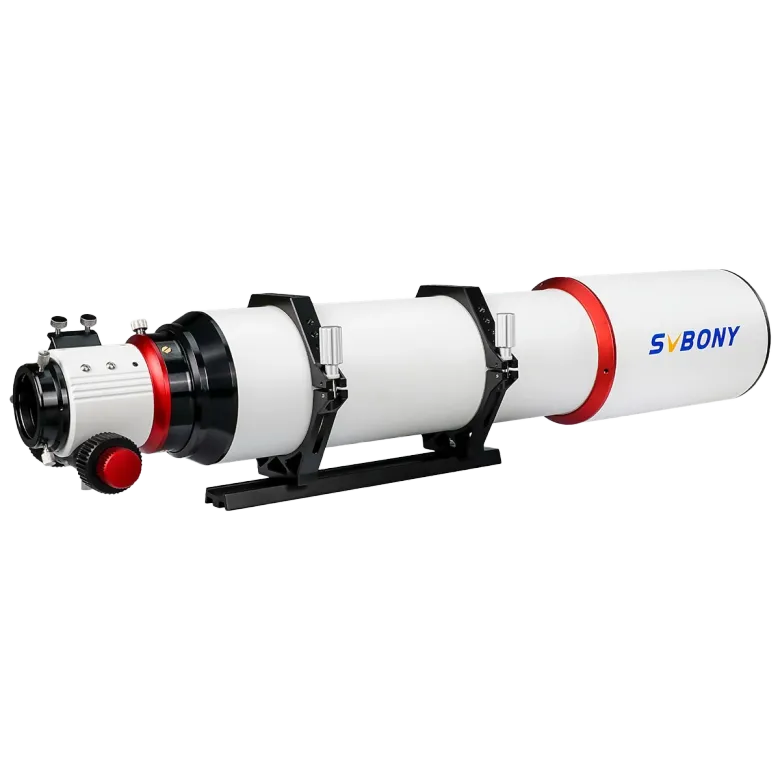
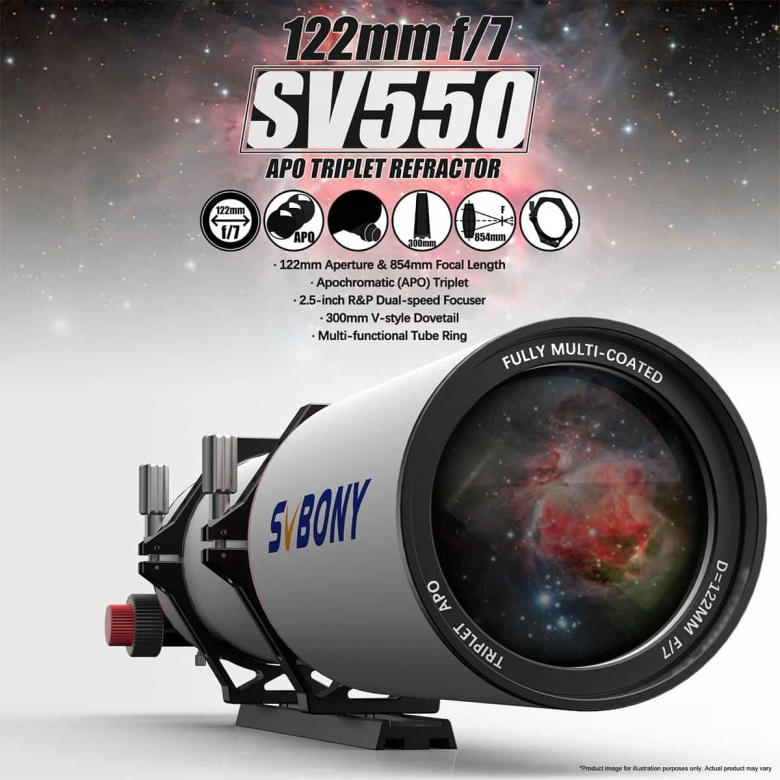
APO Refractor Telescope | SVBONY SV550 122
[{"Title":"Large 122mm aperture","Content":"f/7 focal ratio and 854mm focal length; a great travel telescope for astrophotography and observation; and even some fainter deep sky objects due to the higher limiting magnitude"},{"Title":"FPL-51 triplet apochromatic lens structure","Content":"the astro refractor telescope contains one piece of ED glass, for better correction of aberration, greatly reduce chromatic aberration and enhance the clarity \u0026 sharpness"},{"Title":"Dual speed 2.5-inch toothed focuser with 1: 10 gear ratio","Content":"easy to achieve accurate focus; the dual speed focuser can provide two focusing speeds by using a set of co-axial knobs; for fast focusing and fine focusing"},{"Title":"300mm dovetail length","Content":"it can maintain the balance to the greatest extent; and more convenient in the adjustment process"},{"Title":"Carrycase included","Content":"this telescope bag has a removable shoulder strap and hand-carry strap"}]
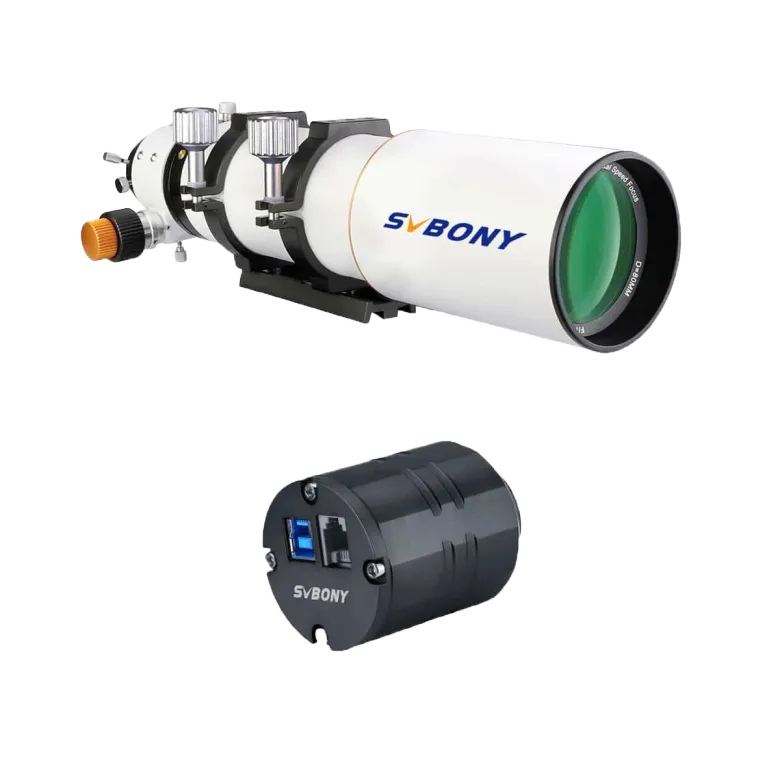
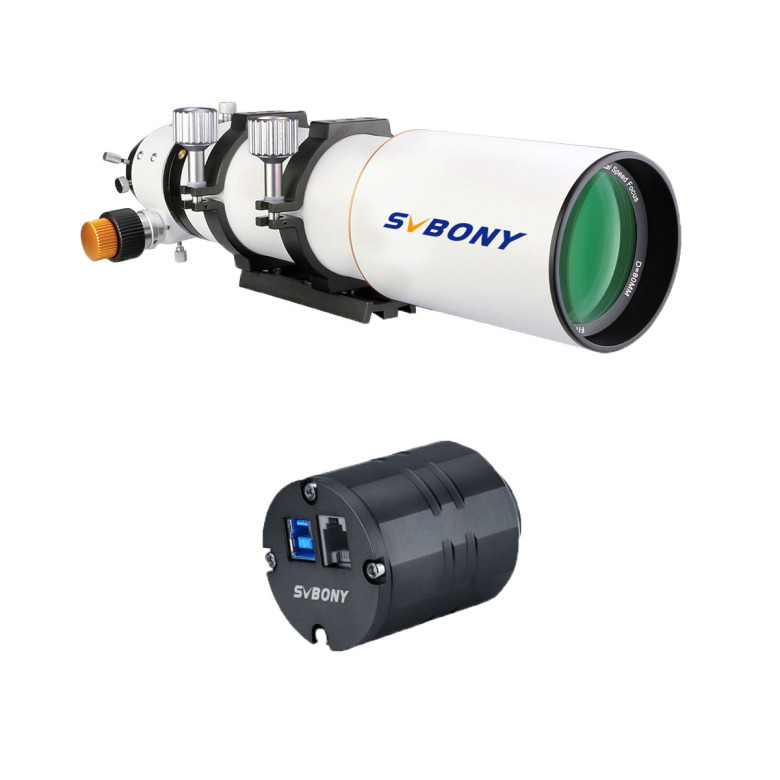
OTA for CMOS Camera | SVBONY SV503
[{"Title":"Premium ED Optics","Content":"Features high-quality extra-low dispersion glass to eliminate chromatic aberration, delivering crisp and color-accurate deep-sky images."},{"Title":"80ED or 102ED Main Optics Options","Content":"Two ED lens configurations available to meet advanced needs for focal length, resolution, and light-gathering capability for different targets."},{"Title":"Compatible with Multiple Astronomy Cameras","Content":"Supports various camera models including SV305 Pro, SV705C, and SV505C for flexible pairing based on imaging needs."},{"Title":"High-Sensitivity Image Capture","Content":"Combines ED optics with high-quantum-efficiency CMOS sensors to clearly capture fine details of faint deep-sky objects."},{"Title":"Optimized for Planetary \u0026 Nebula Photography","Content":"System designed for both high-frame-rate planetary imaging and long-exposure nebula photography, suitable for diverse astrophotography scenarios."}]
HOT
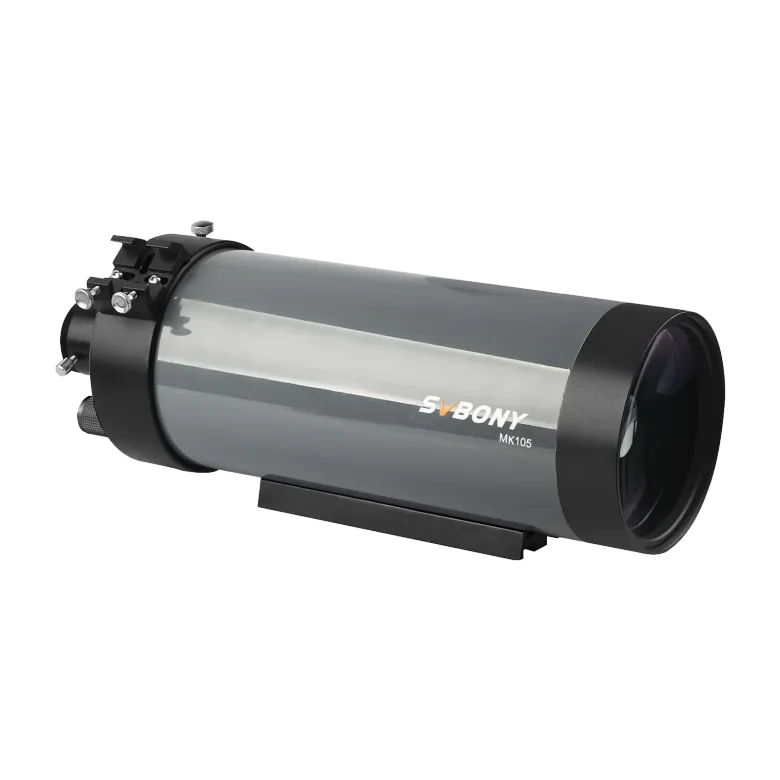
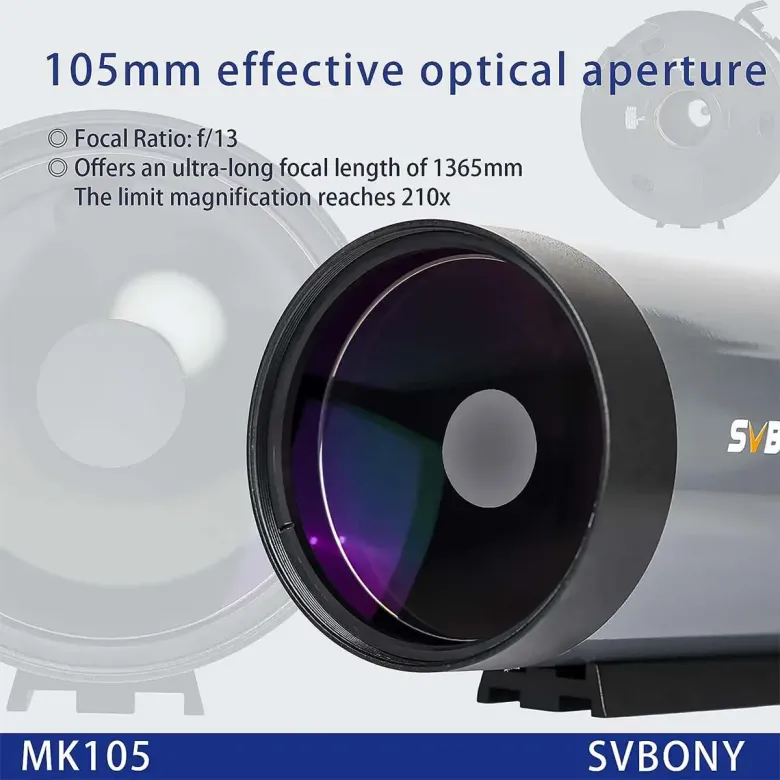
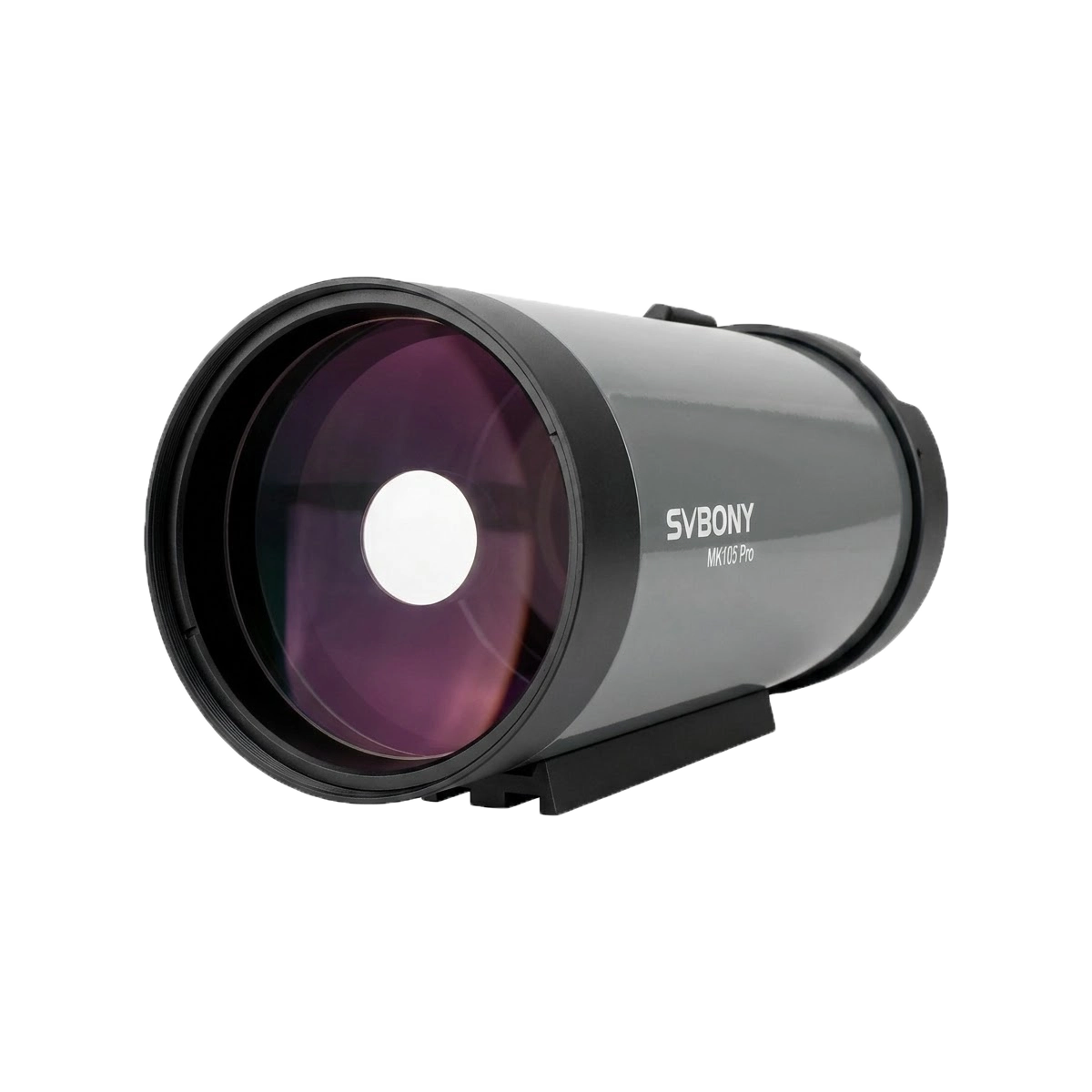
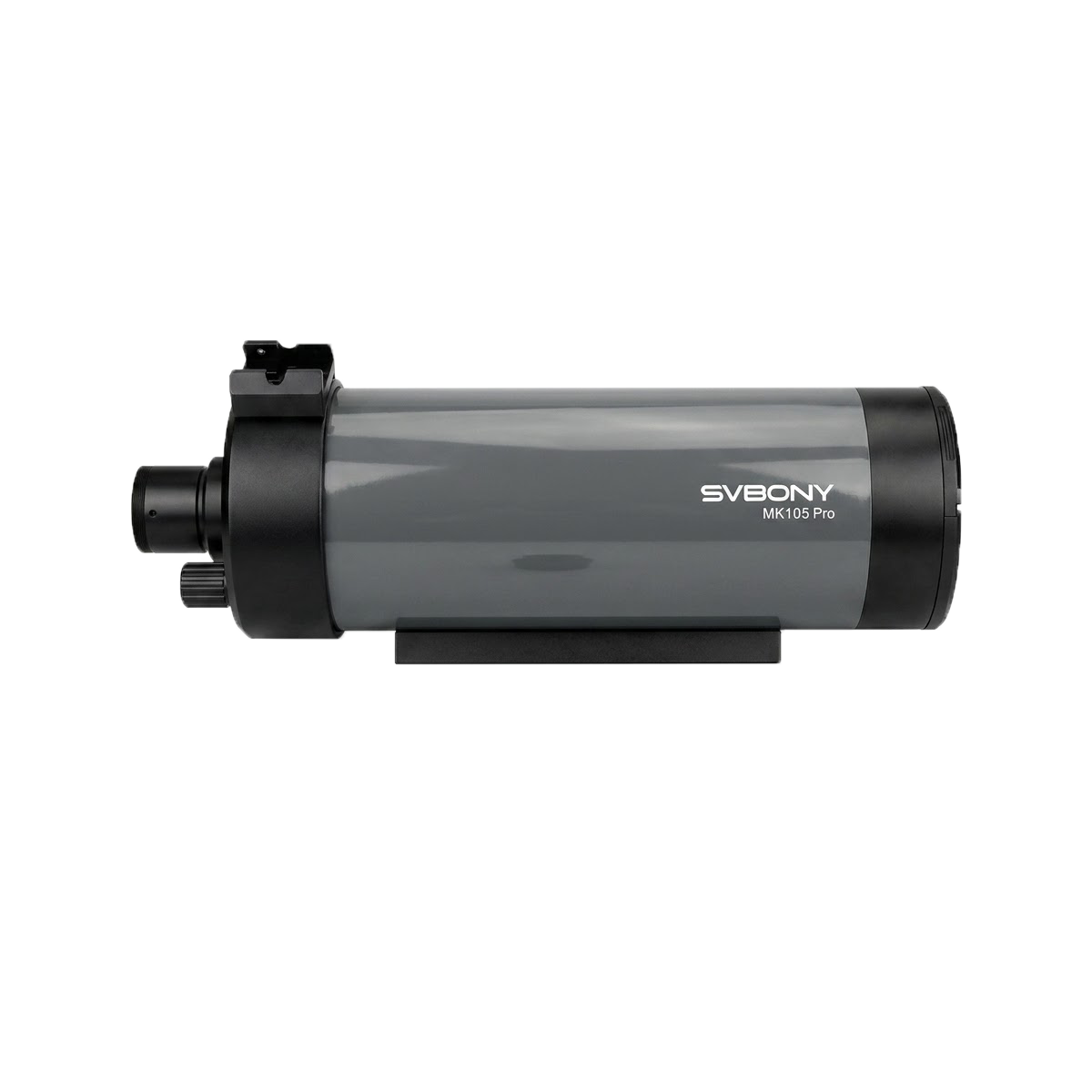
Maksutov-Cassegrain OTA | SVBONY MK105
[{"Title":"Compact Portable Design","Content":"Solves bulkiness, 14.84inch length \u0026 4.83lb weight (half refractor size)."},{"Title":"No Periodic Collimation","Content":"Convex meniscus lens design, reduces obstruction \u0026 boosts contrast."},{"Title":"Travel \u0026 Home Observation","Content":"Ideal for outdoor trips and backyard use, stable in transportation."},{"Title":"SVBONY Durable Quality","Content":"Metal mirror body \u002B electrolyte coating, 2-year warranty assured."},{"Title":"Dual Star-Seeking Bases","Content":"Built-in \u002B leaky bases, supports connection of more astronomical accessories."}]
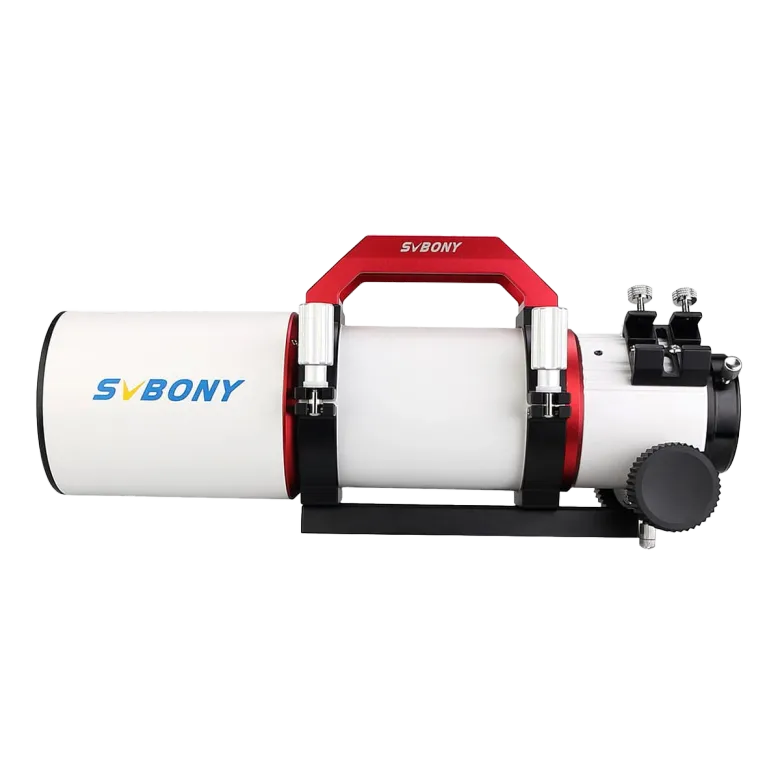
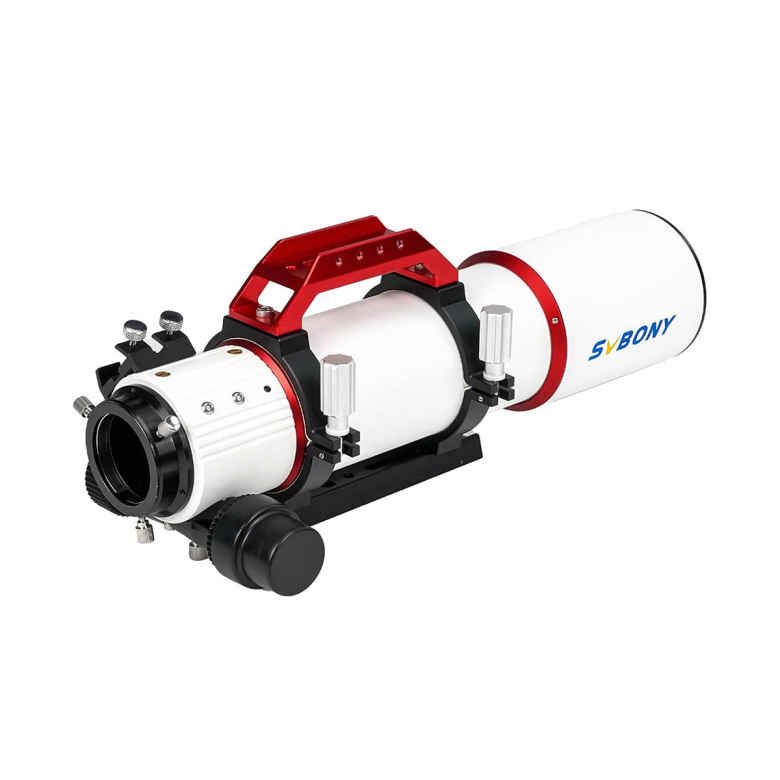
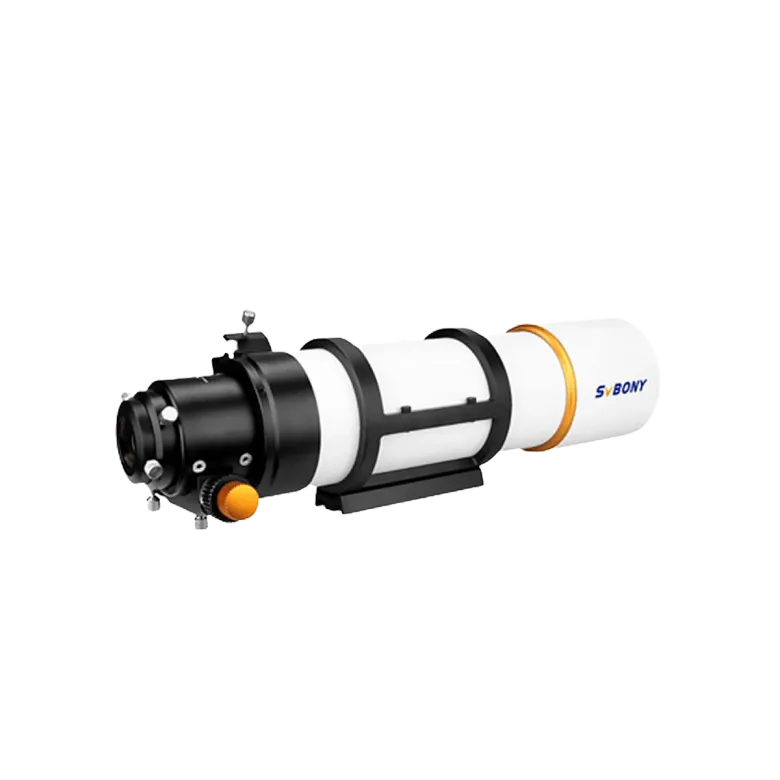
APO Triplet Refractor| SVBONY SV550 80
[{"Title":"Triplet APO Optical Design","Content":"Apochromatic triplet with FPL51 ED center element delivers sharp, high\u2011contrast views with minimal chromatic aberration"},{"Title":"Fast f/6 Focal Ratio","Content":"80\u202Fmm aperture and 480\u202Fmm focal length balance wide\u2011field deep\u2011sky imaging and pleasing visual observation."},{"Title":"Dual\u2011Speed 2.5\u2033 Focuser","Content":"10:1 ratio dual\u2011speed rack\u2011and\u2011pinion focuser enables precise fine\u2011tuning for astrophotography and eyepiece use."},{"Title":"Stray Light Suppression","Content":"Blackened interior and knife\u2011edge baffles reduce stray light for improved image contrast."},{"Title":"Travel\u2011Ready OTA","Content":"Retractable dew shield and 180\u202Fmm Vixen\u2011style dovetail with split tube rings make mounting simple and portable."}]
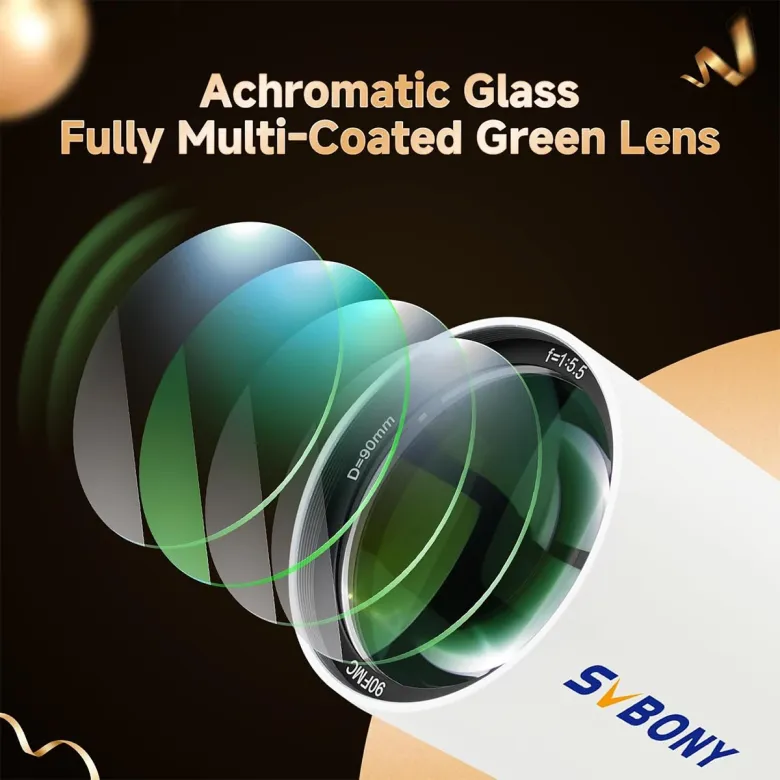
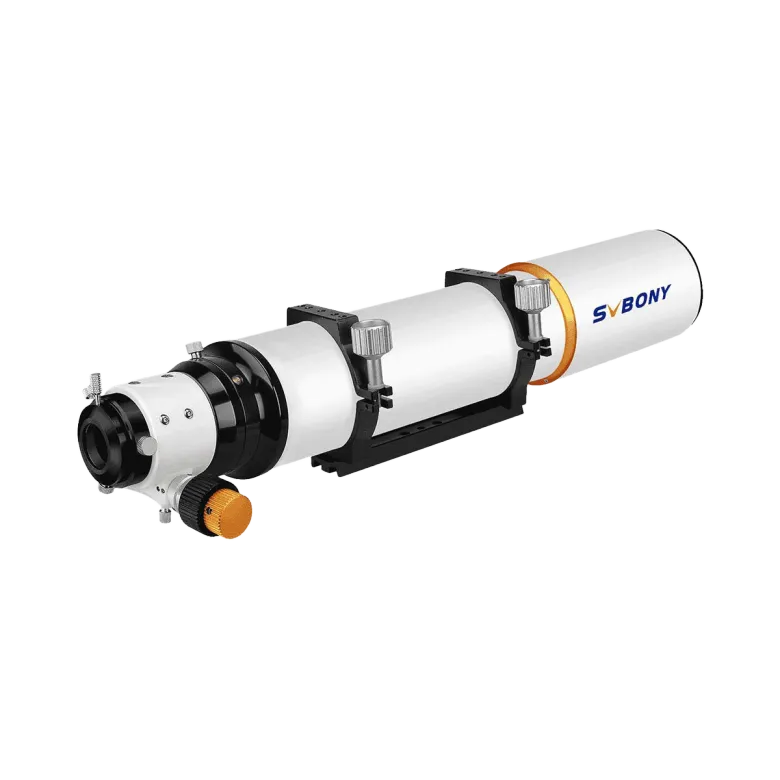
Achromatic Refractor | SVBONY SV48P 90
[{"Title":"90mm f/5.5 Achromatic Refractor","Content":"Delivers a wide field of view and bright images ideal for deep-sky astrophotography."},{"Title":"1:10 Dual-Speed Focuser","Content":"Provides precise, smooth focusing for both visual observation and camera imaging."},{"Title":"Multi-Green Coated Optics","Content":"Maximizes light transmission and reduces false color for clear, sharp astronomical views."},{"Title":"360\u00B0 Rotatable Focuser","Content":"Enables flexible framing and composition for both visual use and photography."},{"Title":"Includes Dovetail Plate","Content":"Simplifies mounting on various tripods and equatorial mounts for quick setup."}]
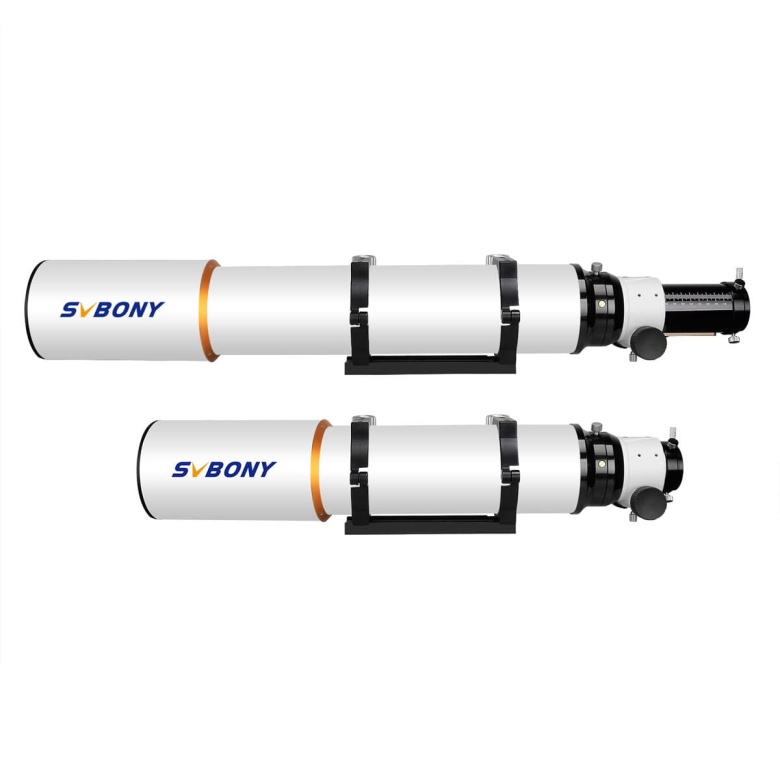
ED Doublet Refractor | SV503 102
[{"Title":"Premium ED Doublet Optics","Content":"102 mm S-FPL51 ED lens minimizes chromatic aberration for crisp, accurate celestial views."},{"Title":"Bright, Wide-Field Imaging","Content":"Large aperture and f/7 focal ratio deliver bright, detailed images of stars, planets, and DSOs."},{"Title":"Dual-Speed Precision Focuser","Content":"Rack \u0026 pinion focuser with 1:10 fine control enables precise focus for visual and astrophotography."},{"Title":"Durable Aluminum OTA","Content":"Robust CNC-machined tube with dovetail mounting ensures stability and easy setup."},{"Title":"Wide Accessory Compatibility","Content":"Includes 2\u0022 to 1.25\u0022 adapter and dovetail plate for use with cameras and eyepieces."}]
Telescope OTAs for Flexible Astronomy Setups
An OTA (optical tube assembly) includes the telescope tube, optics, and focuser—without a mount, tripod, eyepiece, diagonal, or camera. Choosing an OTA lets you pair the optics with your preferred mount and accessories to build a setup around your observing or imaging needs.
SVBONY offers telescope OTAs in several optical designs. For lunar and planetary observation, the MK90, MK105, and MK127 Maksutov-Cassegrain OTAs combine long focal lengths with compact tubes. For wider-field viewing, the SV48P 90mm and 102mm achromatic refractor OTAs provide wide-field views of star clusters, nebulae, and larger deep-sky targets.
For astrophotography, the SV503 and SV530 ED refractors, along with APO and Petzval OTAs such as the SV550 and SV555, offer options for different imaging needs.
When choosing an optical tube assembly, consider aperture, focal length, optical design, weight, focuser type, back focus, and mount payload capacity. Make sure your mount can support the OTA, and check adapter and back-focus compatibility if you plan to use a camera.
Shop SVBONY OTAs by optical design or observing goal, and find the optical tube that fits your setup.
Faqs About Telescope OTAs
OTA stands for optical tube assembly. A telescope OTA is the main optical assembly of a telescope, containing the tube, optics, and focuser. It is sold separately from the mount and other accessories, allowing you to build a telescope setup around your observing or astrophotography needs.
An optical tube assembly is the optical section of a telescope, including the tube, optics, and focuser. It normally does not include a mount, tripod, eyepiece, diagonal, or camera. Some OTAs also include tube rings and a dovetail plate. Buying an OTA telescope separately lets you reuse a compatible mount or upgrade the optical system without replacing the entire setup.
The main categories of telescope OTAs are refractor, reflector, and catadioptric designs. Common configurations include achromatic, ED, and APO refractors; Newtonian reflectors; Maksutov-Cassegrain and Schmidt-Cassegrain catadioptrics; and Petzval astrographs.
Achromatic refractor OTAs are often used for budget-friendly wide-field viewing, while ED and APO OTAs are better suited to astrophotography. Maksutov-Cassegrain OTAs are well suited to lunar and planetary observation, while Petzval designs are commonly used for flat-field imaging.
When choosing an OTA telescope, consider aperture, focal length, optical design, weight, focuser type, back focus, and your telescope mount's payload capacity. Your intended use also matters.
A compact Maksutov-Cassegrain OTA can be a good choice for lunar and planetary observation, while a refractor, ED, or APO OTA may be better suited to wide-field viewing or astrophotography. Make sure the OTA is compatible with your mount and imaging accessories.
Not necessarily. A telescope OTA must be compatible with the mount's payload capacity, mounting interface, and balance requirements. When pairing an OTA with a telescope mount, check the OTA's weight, mounting hardware, and the mount's rated payload capacity.
For astrophotography, also check camera adapters, focuser travel, and back-focus requirements to ensure the complete setup is compatible.



 Google
 Amazon