
Table of Contents
2027 Solar Eclipses: A Complete Guide to Two Stunning Celestial Events
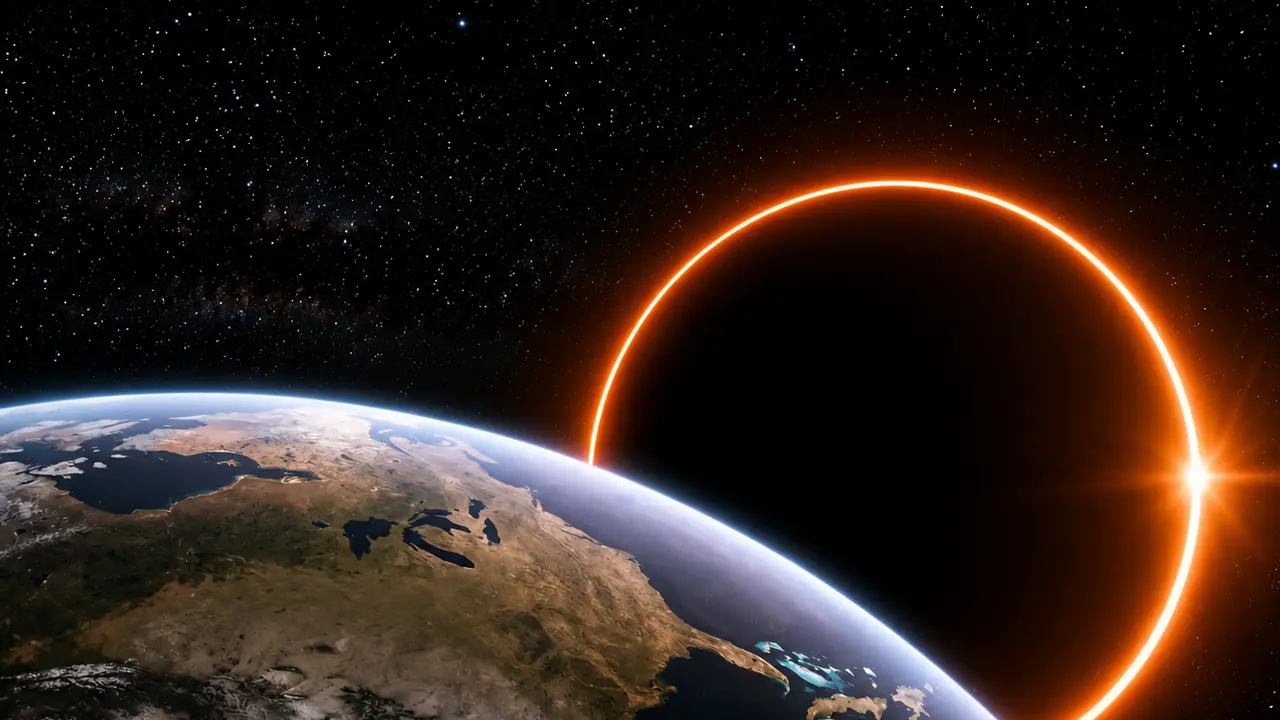
Many astronomy enthusiasts are already focused on when the 2027 solar eclipses will occur. In fact, there will be two solar eclipses in 2027. The first will be a spectacular "ring of fire" in the Southern Hemisphere in February 2027. The second will be a long eclipse lasting over six minutes in parts of three continents in August. Whether you’re a seasoned shadow-chaser or planning your very first eclipse adventure, these two spectacular 2027 solar eclipse events are something you won’t want to miss.
February 6, 2027 Annular Solar Eclipse: The "Ring of Fire" Spectacle
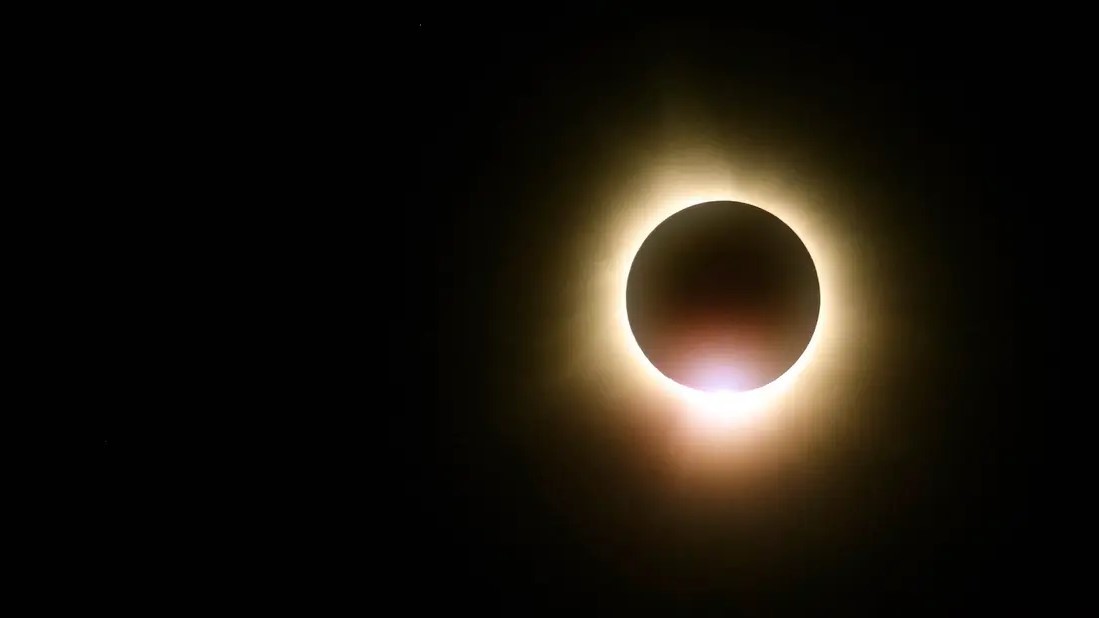
The first solar eclipse of 2027 will begin with an annular eclipse on February 6th. During an annular eclipse, because the moon will be at its apogee, it will not completely block the sun, leaving a bright ring of light around its outline—this is commonly known as the "ring of fire." This annular eclipse will be exceptionally long. At its peak, the "ring of fire" will last an astonishing 7 minutes and 51 seconds.
Path of the Annular Solar Eclipse on February 6, 2027
So, where can you see it? To observe this rare astronomical spectacle, you must be in the path of the annular solar eclipse on February 6, 2027. The path of the annular solar eclipse on February 6, 2027 begins in the South Pacific Ocean, then passes through southern Chile and Argentina. Next, it crosses the Atlantic Ocean and makes landfall along the coast of West Africa (including Ghana, Togo, Benin, and Nigeria). Always wear certified eclipse glasses when viewing, as the sun will not be completely obscured during this phase.
Observing the Annular Solar Eclipse in February in South America
For the best viewing experience, it is recommended to travel to Chile or Argentina. The eclipse path passes through northern Patagonia, where the skies are usually clear, and the "ring of fire" will hang high in the sky. The Argentine Patagonian plains typically have only about 30% cloud cover in February, making it an excellent viewing location. Popular viewing spots include El Maitén, Esquel, and Trevelin. If you are on the Atlantic coast, Las Grutas and Laguna La Brava are also good options.
Annular Solar Eclipse Observation in West Africa in February
The eclipse path crosses the ocean and reaches West Africa. Its northern edge will pass over Côte d'Ivoire, Ghana, Togo, Benin, and Nigeria. Major cities such as Accra and Lagos are within the path of the annular eclipse. Safety is paramount when viewing an annular eclipse. Never look directly at the annular eclipse without protective measures. Because the sun remains partially visible throughout, ISO 12312-2 certified eclipse glasses must be worn at all times.
When and Where Will the Next Solar Eclipse in 2027 Occur?
If you want to know when and where the next solar eclipse after February will occur, the answer is August 2, 2027. Moreover, the solar eclipse on August 2, 2027, is expected to be one of the most anticipated astronomical events of this century. Visible on three continents, it will attract hundreds of thousands of tourists. The second solar eclipse of 2027 will be a total solar eclipse—where the moon completely blocks out the sun, turning day into night in an instant, presenting a breathtaking astronomical spectacle. 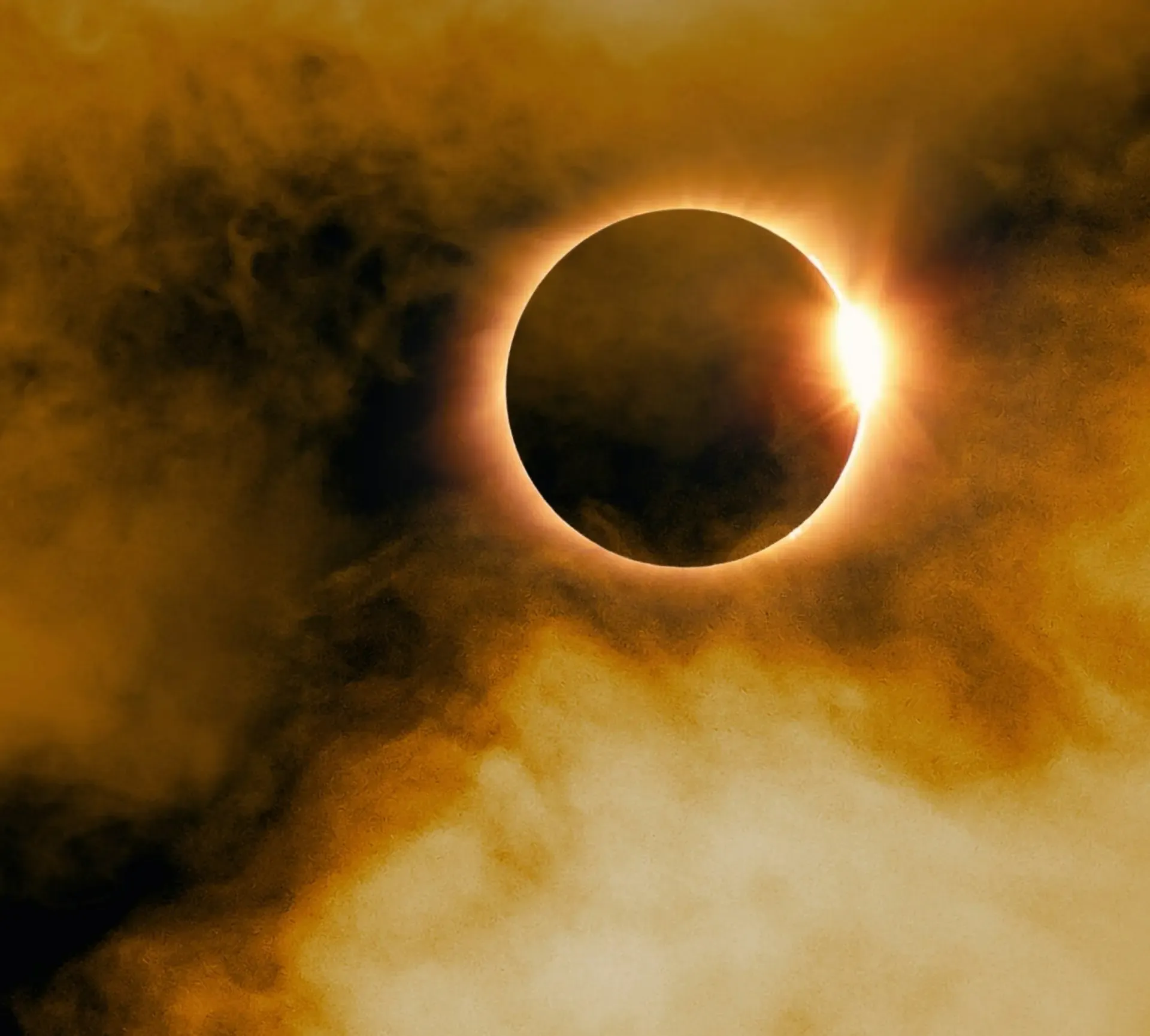
Where Will the 2027 Total Solar Eclipse Be Visible in August?
So, where will the 2027 total solar eclipse be visible on August 2, 2027? The path of the 2027 total solar eclipse begins in the Atlantic Ocean, enters the Mediterranean Sea, crosses Gibraltar in southern Spain and the Strait of Rahula, travels along the North African coast into Egypt, crosses the Red Sea, passes through Saudi Arabia, Yemen, and the tip of Somalia, and finally ends in the Indian Ocean.
The path of totality will span southern Spain, Gibraltar, Morocco, Algeria, Tunisia, Libya, Egypt, Saudi Arabia, Yemen, and Somalia. Major cities located along the path of the 2027 solar eclipse include Cádiz in Spain, Tangier in Morocco, Benghazi in Libya, Luxor in Egypt, and Jeddah in Saudi Arabia.
How Long Will the Total Solar Eclipse on August 2, 2027 Last?
Typically, total solar eclipses last only two to three minutes. The total solar eclipse on August 2, 2027, will be different, lasting up to 6 minutes and 23 seconds at its peak. This will be the longest solar eclipse in over a century. Because this total eclipse will be visible from land, it will be a once-in-a-lifetime experience for those traveling to the path of totality.
The best viewing location for this six-minute total solar eclipse in 2027 is near Luxor, Egypt, which is on the eclipse path and experiences the longest period of totality. Southern Saudi Arabia (including Abha) will also experience approximately six minutes of totality.
For those in southern Spain, the eclipse path shows the moon's shadow sweeping across Andalusia (including Tarifa, Cádiz, and Malaga), resulting in a total eclipse lasting 3 to 4.5 minutes.
Why Will the Total Solar Eclipse in August 2027 Last So Long?
The moon will be relatively close to Earth, casting a larger shadow than usual. Simultaneously, the totality eclipse is occurring near the equator and low latitudes, causing the moon's shadow to move relatively slowly across the Earth, lengthening the duration of totality at ground-based observation points. This rare celestial alignment makes the totality last far longer than average. For reference, the theoretical longest duration of a total solar eclipse is approximately 7 minutes and 32 seconds, so this 2027 eclipse is close to that limit.
How to Safely Observe the 2027 Eclipse?
Whether observing the annular eclipse in February or the total eclipse in August, you must prepare in advance to fully enjoy this celestial spectacle.
For the annular eclipse (February 6th):
Since the sun will not be completely blocked, you must wear ISO-certified eclipse glasses throughout the observation process. Ordinary sunglasses (regardless of tint) are not safe.
Recommended Locations for Annular Solar Eclipse Viewing: Patagonia or West Africa
- Argentina's Patagonia region offers the best weather conditions and is easily accessible.
- Chile boasts a magnificent mountain backdrop, but cloud cover is relatively high.
- In West Africa, observation is possible along the coasts of Ghana, Benin, and Nigeria.
For Total Solar Eclipse (August 2nd):
During the brief "total" phase (the moment when the moon completely blocks the sun), direct viewing with the naked eye is safe. However, before and after totality, appropriate solar filters or eclipse glasses must be used. Never observe the sun with a astro camera, binoculars, or telescope without a dedicated solar filter.
Best Locations for Total Solar Eclipse Viewing: North Africa and Southern Spain
Luxor, Egypt, is the preferred location, offering the longest totality—over 6 minutes. Southern Spain (Andalusia) offers totality lasting 3 to 4.5 minutes and is more easily accessible. Saudi Arabia is also an excellent location for observation, with the total eclipse lasting approximately 6 minutes in the southern regions.
Tips for Solar Eclipse Photography
To photograph a solar eclipse, professional astronomical brands offer excellent portable refracting telescopes and astrophotography filters to help you capture clear details of the sun's surface. Practice shooting the sun with an astronomical camera before the event (be sure to use the appropriate solar filter!), which will help you find the correct exposure time and focus settings.
Capture and View the 2027 Solar Eclipses
2027 is a peak year for eclipse observation. An annular solar eclipse on February 6, 2027, will create a spectacular "ring of fire" over South America and West Africa. In addition, a total solar eclipse will occur on August 2, 2027, lasting over six minutes—the longest total solar eclipse in over a century.
Whether you travel to Patagonia, West Africa, Egypt, or Spain to chase this total solar eclipse, plan your trip well in advance and test your observation and photography equipment. Both astronomical events will provide unforgettable experiences.

 Google
 Amazon
There are no customer reviews yet . Leave a Reply !