
Table of Contents
Mid-Summer Astrophotography Targets July/Aug 2026 | Top 4 Picks
Summer Nights Are Best Time for Astrophotography
July and August are among the most exciting months for deep-sky astrophotography. The Milky Way sits high at Summer night, its vast lanes stretching across the heavens. Rich nebula regions open up for long-exposure shots, and the first autumn galaxies start rising after midnight. This mid-summer season balances bright emission nebulae, colorful reflection clouds, and large-scale galaxies.
If you have a Svbony SC571CC cooled camera, an SV535 or SV545 APO refractor, an MK127 telescope and SV220 dual-band filters.The following four targets are among the best choices for creating impressive summer astrophotography results.
1. NGC 7000 North America Nebula & IC 5070 Pelican Nebula
The Ultimate Wide-Field Summer Showcase
Target Overview
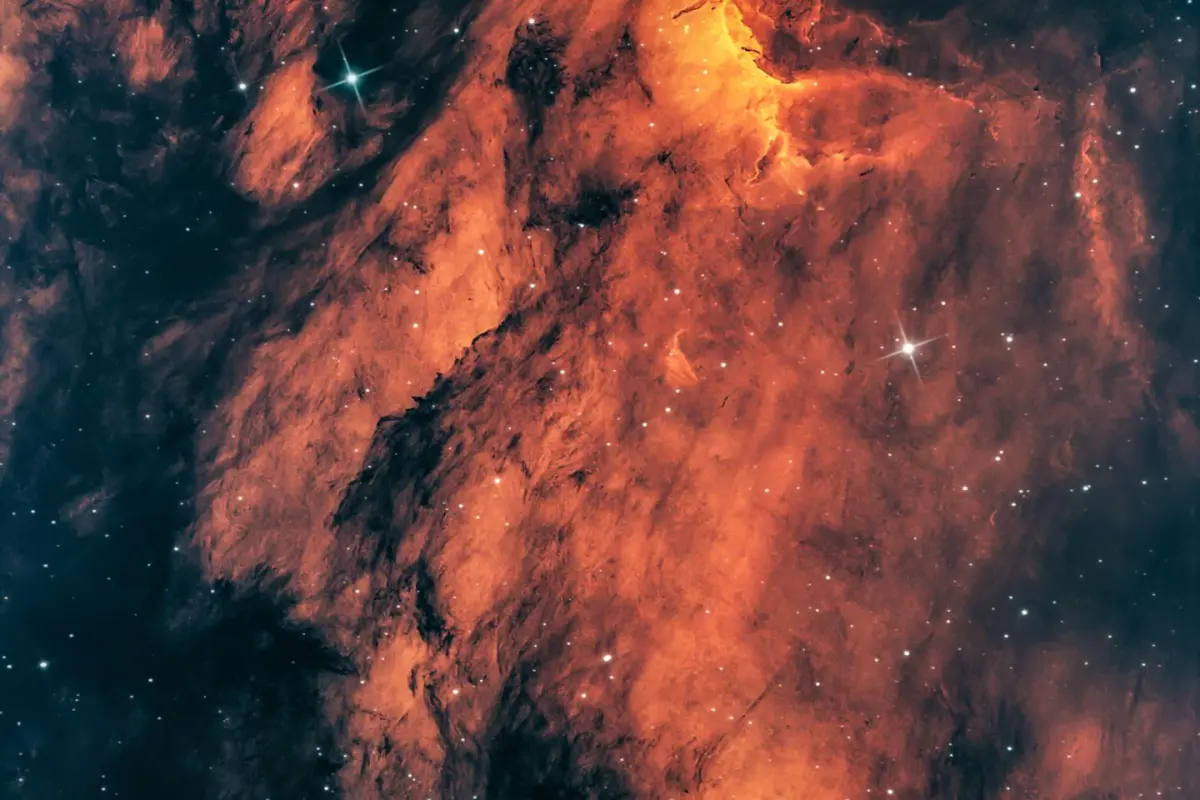
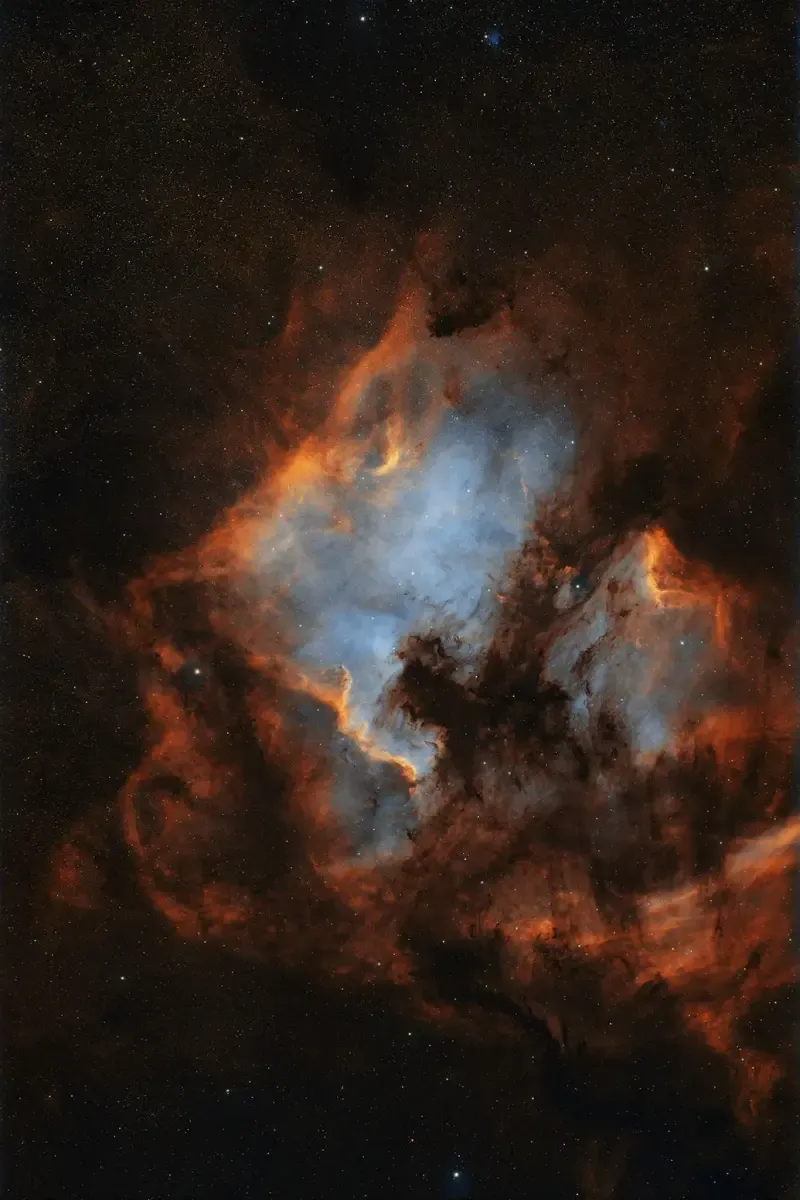
Located in the constellation Cygnus, the North America Nebula (NGC 7000) and Pelican Nebula (IC 5070) are two of the most iconic summer emission nebulae.
This region is filled with glowing hydrogen gas, dark dust structures, and intricate filaments. Its large apparent size makes it one of the best targets for wide-field APO refractors.
Why Image This Target?
- Huge field of view with rich details
- Strong H-alpha and OIII emission
- Excellent match for dual-band filters
- Produces dramatic images even with relatively short focal lengths
The bright emission structures respond beautifully to the SV220 dual-band filter, which isolates hydrogen and oxygen wavelengths while reducing the impact of light pollution.
Recommended Framing
Composition idea:
- Place the North America Nebula on one side of the frame
- Include the Pelican Nebula beside it
- Keep the bright star Deneb near the upper area for visual balance
Best equipment pairing:
- Telescope: SV535 or SV545 APO refractor
- Camera: SC571CC cooled color astronomy camera
- Filter: SV220 dual-band filter
- Accessories: SV241/SV241 Pro for field correction and imaging optimization
Shooting Tips
- Capture at least 8–15 hours of total integration time
- Use longer exposures to reveal faint oxygen structures
- Consider a rotation that emphasizes the “North America continent” shape
This target is arguably the best summer project for showcasing a complete astrophotography system.
2. M16 Eagle Nebula & M17 Omega Nebula
A Perfect Combination of Detail and Color
Target Overview
The Sagittarius region contains some of the most famous emission nebulae in the night sky. Among them, the Eagle Nebula (M16) and Omega Nebula (M17) are outstanding summer targets.
M16 contains the famous “Pillars of Creation,” while M17 features bright curved clouds of glowing gas.

Why Image This Target?
These nebulae offer:
- Strong emission signal
- High contrast structures
- Excellent narrowband performance
- Opportunities for both wide-field and close-up imaging
The SV220 dual-band filter can highlight the H-alpha and OIII regions, producing colorful images with strong nebula definition.
Recommended Framing
Wide Composition:
Capture M16 and M17 together:
- M16 toward the upper portion
- M17 toward the lower portion
- Include surrounding Milky Way star fields
Ideal for:
Close-Up Composition:
Focus on M16:
- Center the Pillars of Creation region
- Use longer focal length for more detail
Ideal for:
Shooting Tips
- Use careful processing to preserve star color
- Combine broadband RGB data with dual-band data if available
- Longer integration will reveal the surrounding faint nebula structures
3. Rho Ophiuchi Cloud Complex
The Ultimate Test of APO Optical Quality
Target Overview
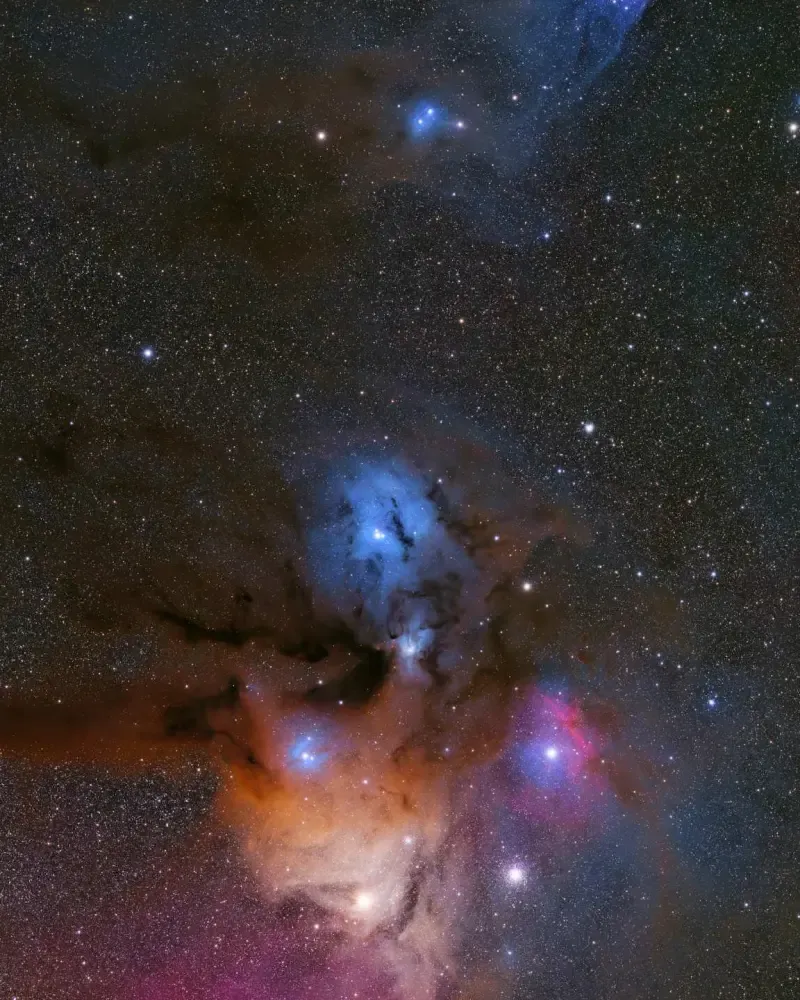
The Rho Ophiuchi region is one of the most beautiful broadband astrophotography targets in the summer sky.
Unlike emission nebulae dominated by glowing hydrogen, this region contains a mixture of:
- Blue reflection nebulae
- Orange dust clouds
- Dark molecular clouds
- Bright stars
The famous orange star Antares creates a striking contrast against the surrounding blue reflection nebulosity.
Why Image This Target?
This target demonstrates the true performance of a high-quality APO refractor:
- Excellent color correction
- Sharp star images
- High contrast
- Minimal chromatic aberration
Unlike emission targets, this region benefits more from natural-color imaging.
Recommended Framing
Classic composition:
- Place Antares near the center
- Include the blue reflection nebulae around it
- Capture the dark dust lanes extending outward
Best equipment pairing:
- Telescope: SV535 or SV545 APO refractor
- Camera: SC571CC
- Filter:
Shooting Tips
- Avoid overly aggressive noise reduction
- Preserve subtle dust colors
- Use longer total integration time to reveal faint brown dust structures
This target is ideal for demonstrating the natural color and optical quality of an APO telescope.
4. M31 Andromeda Galaxy
The First Autumn Galaxy Rising in Summer
Target Overview
Although galaxies become more prominent later in the year, the Andromeda Galaxy begins appearing during late summer nights.
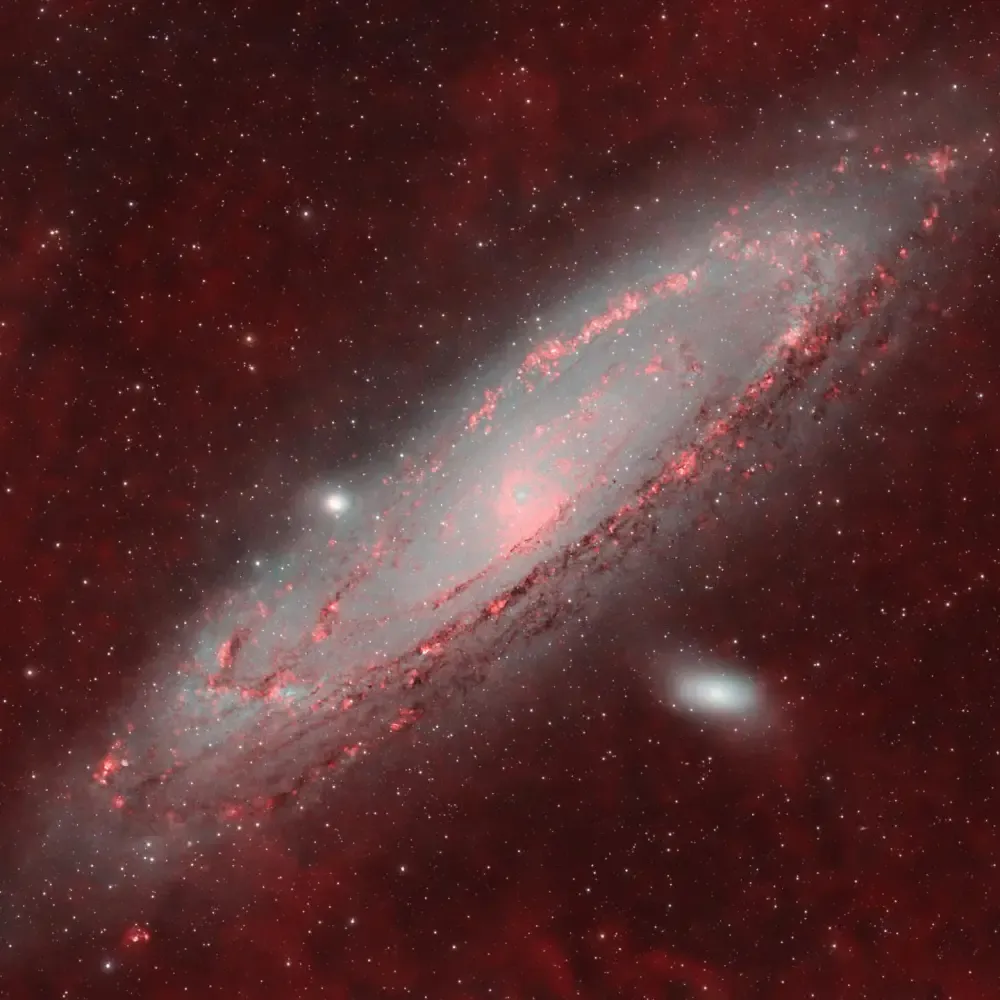
M31 is the nearest large galaxy to the Milky Way and one of the most recognizable astrophotography targets.
Why Image This Target?
It provides:
- Large apparent size
- Visible dust lanes
- Bright core
- Companion galaxies M32 and M110
Unlike nebula targets, M31 is a broadband object, making it an excellent demonstration of camera sensitivity and optical resolution.
Recommended Framing
Classic framing:
- Place the bright galaxy core slightly off-center
- Include the extended disk
- Keep M32 and M110 visible if possible
Best equipment pairing:
- Telescope: SV535 or SV545 APO refractor
- Camera: SC571CC
- Accessories: SV241/SV241 Pro for gradient control
Shooting Tips
- Avoid overexposing the bright core
- Capture many shorter exposures to preserve galaxy structure
- Combine high dynamic range processing techniques
Suggested July–August 2026 Imaging Schedule
|
Month |
Early Evening |
Late Evening |
After Midnight |
|
July |
M16/M17 |
NGC 7000/Pelican |
Milky Way core |
|
August |
Rho Ophiuchi |
Cygnus nebula region |
M31 Andromeda |
Final Recommendation: A Complete Summer Astrophotography Plan
For astrophotographers using a Svbony APO + cooled camera system, these four targets provide the best balance of beauty, technical challenge, and equipment demonstration:
- NGC 7000 + Pelican Nebula
→ Best wide-field showcase with SV220 dual-band filtration - M16 + M17 Nebula Complex
→ Best narrowband target for structure and detail - Rho Ophiuchi Cloud Complex
→ Best broadband target to demonstrate APO optical quality - M31 Andromeda Galaxy
→ Best galaxy target as summer transitions into autumn
With careful framing and sufficient integration time, July and August 2026 offer some of the most rewarding astrophotography opportunities of the year.
 Google
 Amazon
There are no customer reviews yet . Leave a Reply !