Advanced Cooled Astronomy Cameras
Svbony cooled astronomy cameras offer precise temperature regulation, low-noise CMOS sensors, and high sensitivity ideal for long-exposure deep-sky imaging. The lineup includes mono and color variants such as the SV605MC and SV405CC, supporting SHO filters, dual-band imaging, and professional astrophotography workflows. Stable cooling performance ensures cleaner data and enhanced image detail.

NEW HOT
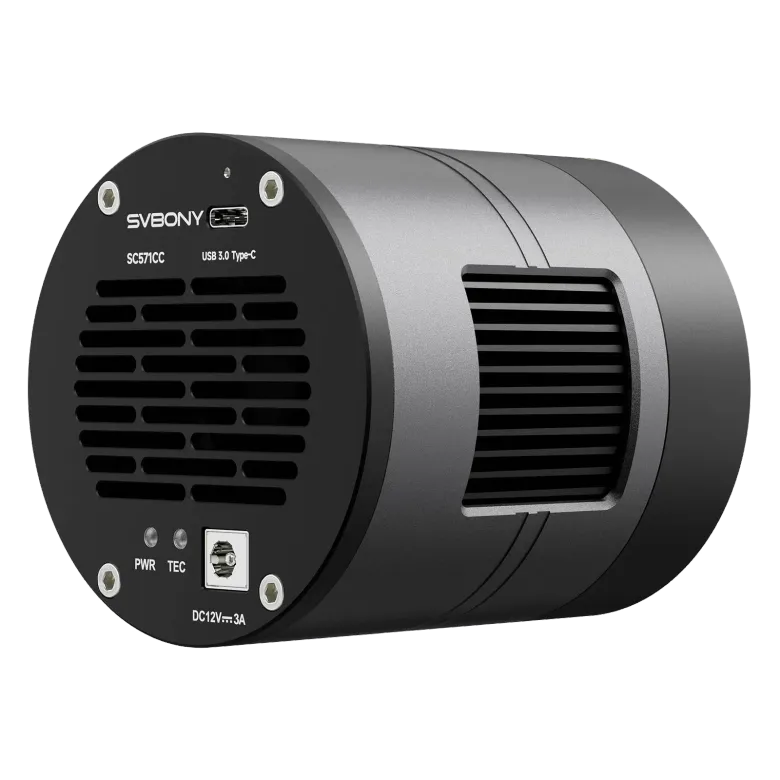
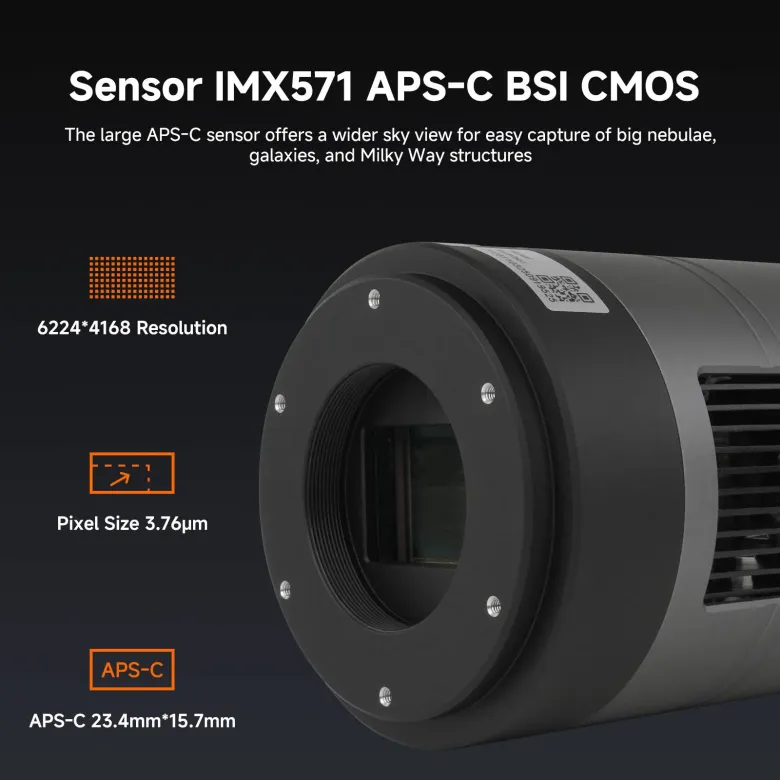
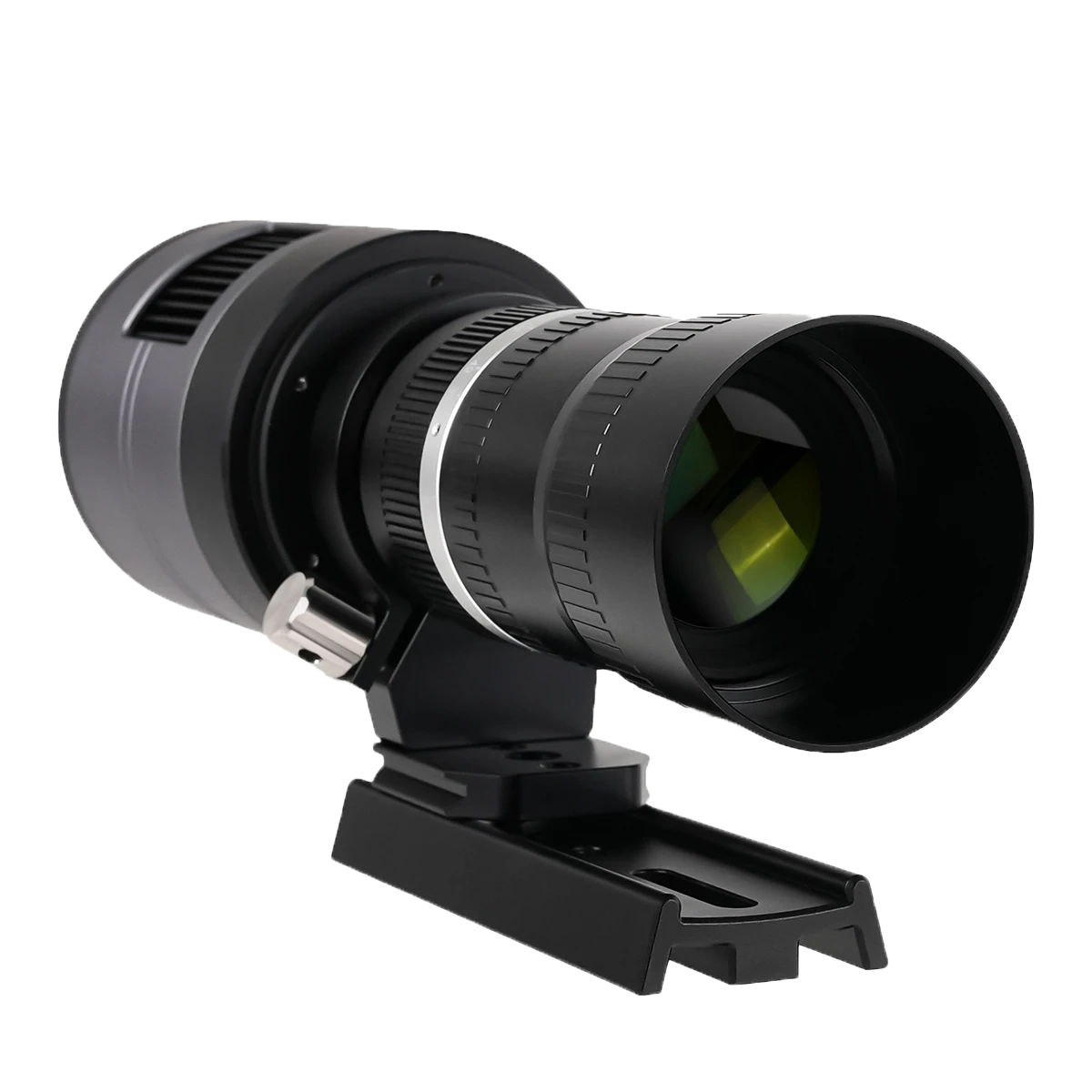
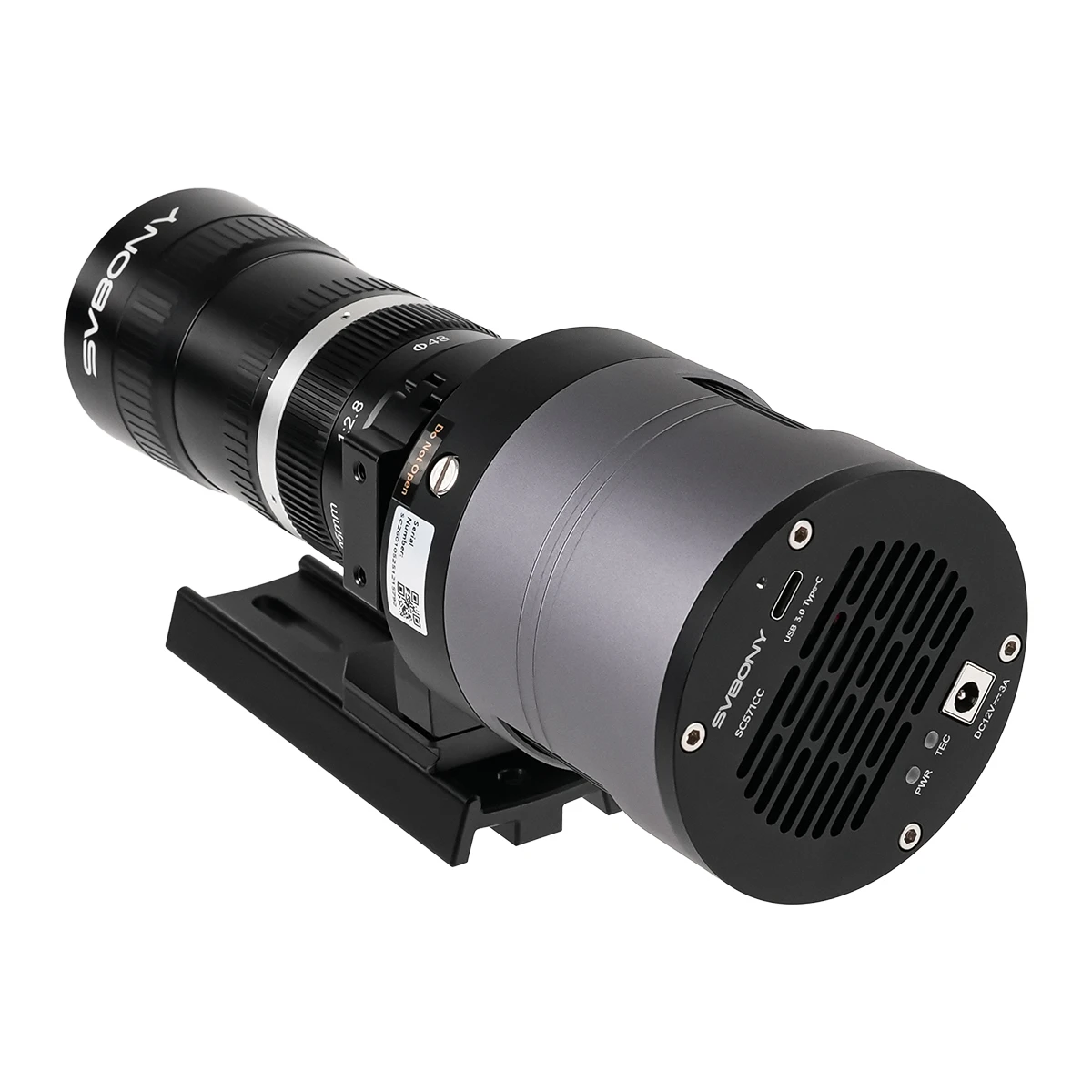
APS-C Color Cooled Camera | SVBONY SC571CC
[{"Title":"High-Performance APS-C BSI CMOS","Content":"Featuring the IMX571 sensor with 26MP resolution, large format and 3.76\u03BCm pixel size - excellent detail and sensitivity."},{"Title":"Dual-Stage TEC Cooling","Content":"Cools to -35\u00B0C below ambient, suppress dark current and noise for stable long exposures."},{"Title":"Wide Compatibility","Content":"Compatible with various telescopes and mainstream imaging software (NINA/APT/SGP)."},{"Title":"Zero Amp-Glow for Pure Image Quality","Content":"No pattern noise in long exposures, delivering clean and distortion-free deep-sky images."},{"Title":"High Quantum Efficiency (QE \u003E80%)","Content":"BSI design combined with large pixels efficiently captures faint signals, ideal for dim targets like nebulae and H\u03B1 regions."}]
NEW
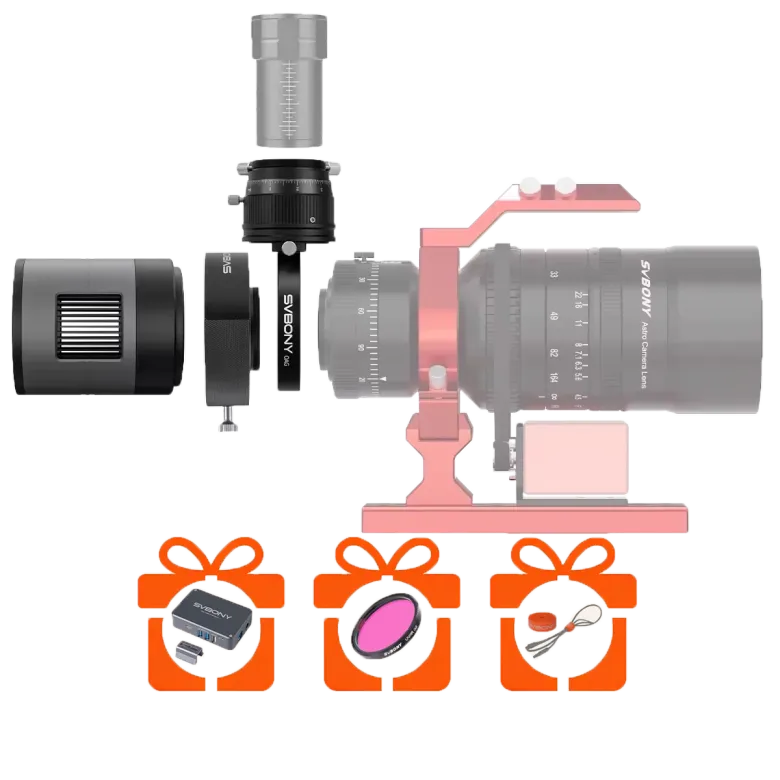
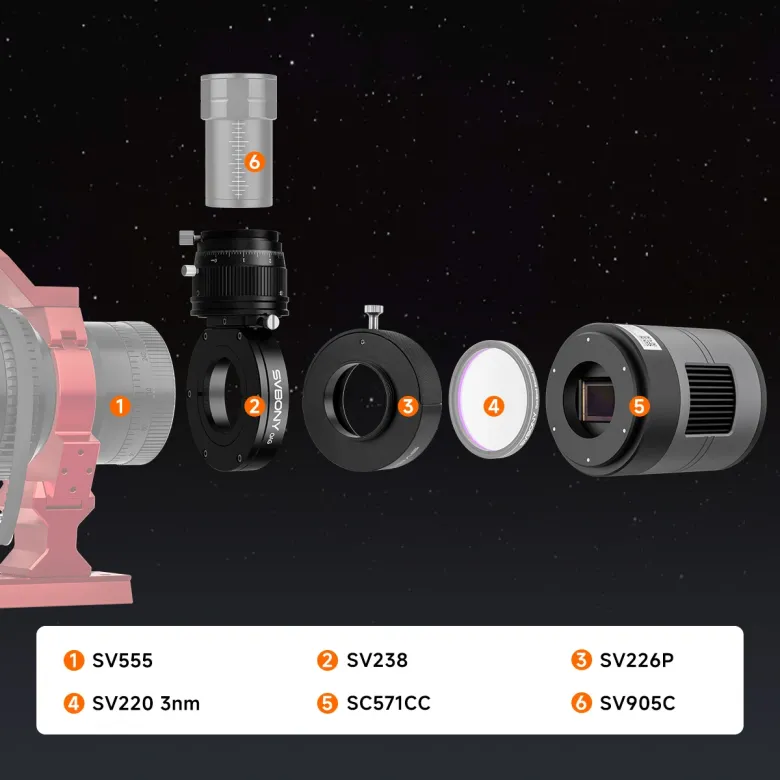
Deep Sky Astrophotography Accessories Kit | SVBONY
[{"Title":"Deep Sky Imaging Solution","Content":"This kit integrates a cooled camera, off-axis guider, filter drawer, and power hub."},{"Title":"Low-Noise Imaging with Precise Guiding","Content":"The cooled camera significantly reduces sensor noise, while the OAG ensures accurate tracking during long exposures, resulting in sharp deep-sky images."},{"Title":"Efficient Filter Switching","Content":"Easily switch between filters with the quick-access filter drawer."},{"Title":"Stable Power Hub","Content":"The dedicated power hub delivers clean and reliable power to all devices, keeping your setup tidy and safe."},{"Title":"User-Friendly for Beginners \u0026 Advanced Users","Content":"With industry-standard connections, this kit is compatible with most telescopes and imaging setups. Both beginners and advanced users can easily get started."}]
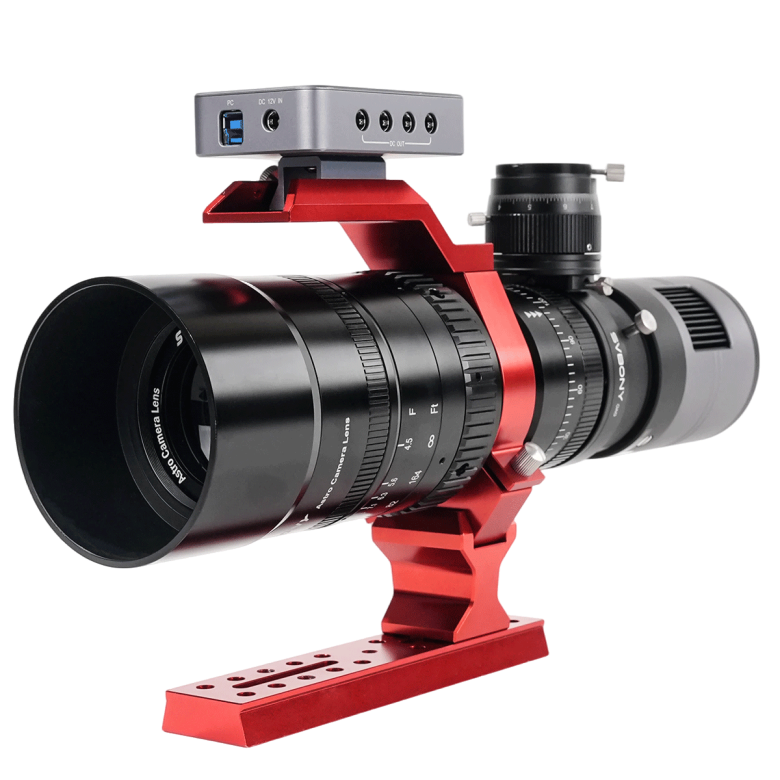
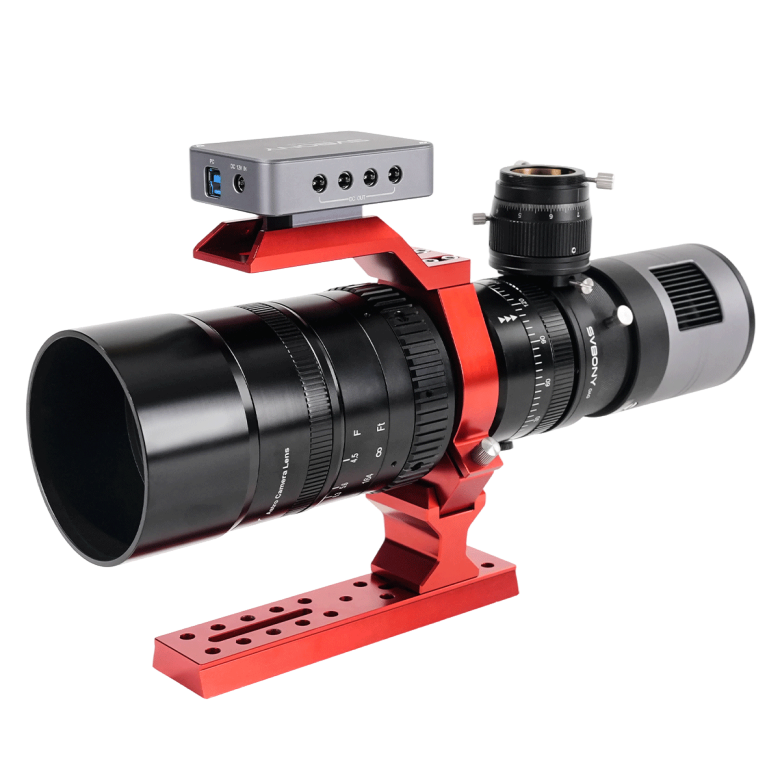
SC571CC & SV555 Professional Deep-Space Imaging System
[{"Title":"Deep Sky Imaging Solution","Content":"This kit integrates a cooled camera, off-axis guider, filter drawer, and power hub."},{"Title":"Low-Noise Imaging with Precise Guiding","Content":"The cooled camera significantly reduces sensor noise, while the OAG ensures accurate tracking during long exposures, resulting in sharp deep-sky images."},{"Title":"Efficient Filter Switching","Content":"Easily switch between filters with the quick-access filter drawer."},{"Title":"Stable Power Hub","Content":"The dedicated power hub delivers clean and reliable power to all devices, keeping your setup tidy and safe."},{"Title":"User-Friendly for Beginners \u0026 Advanced Users","Content":"With industry-standard connections, this kit is compatible with most telescopes and imaging setups. Both beginners and advanced users can easily get started."}]
NEW
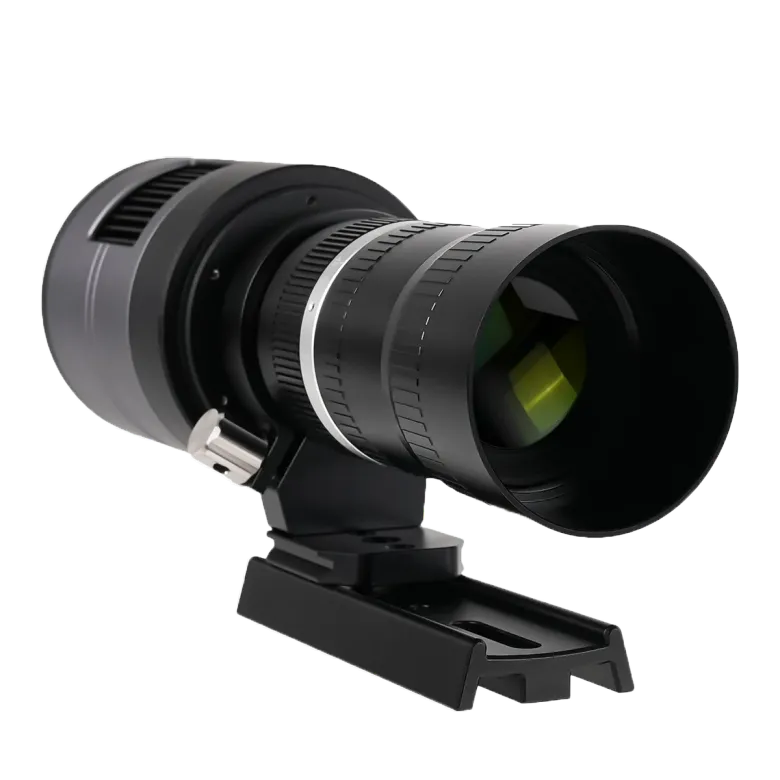
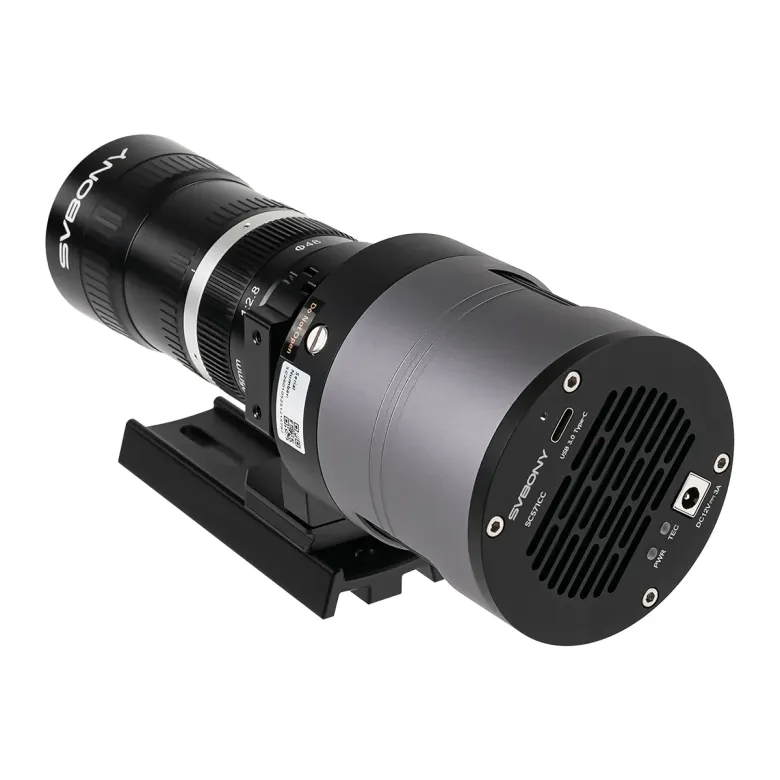
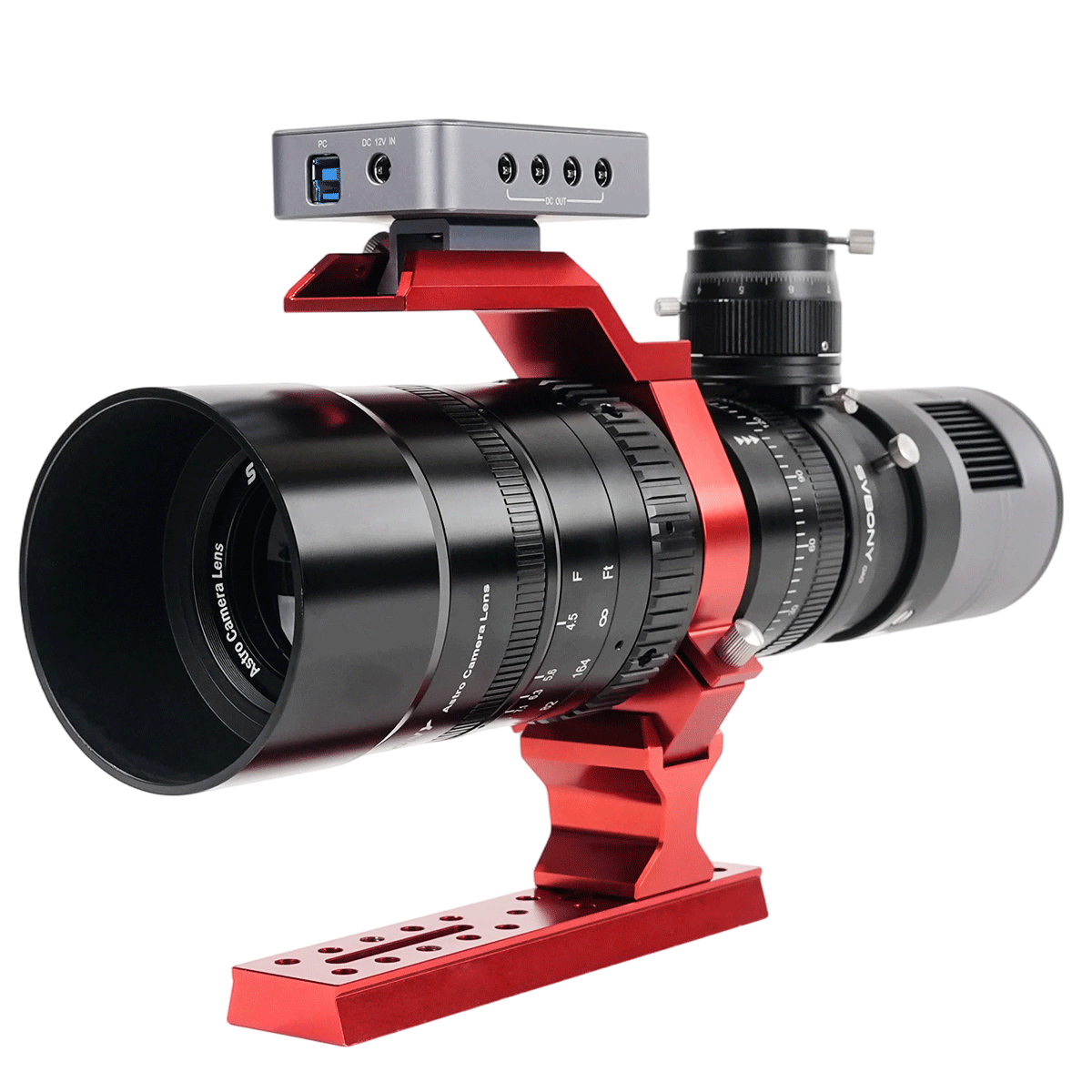
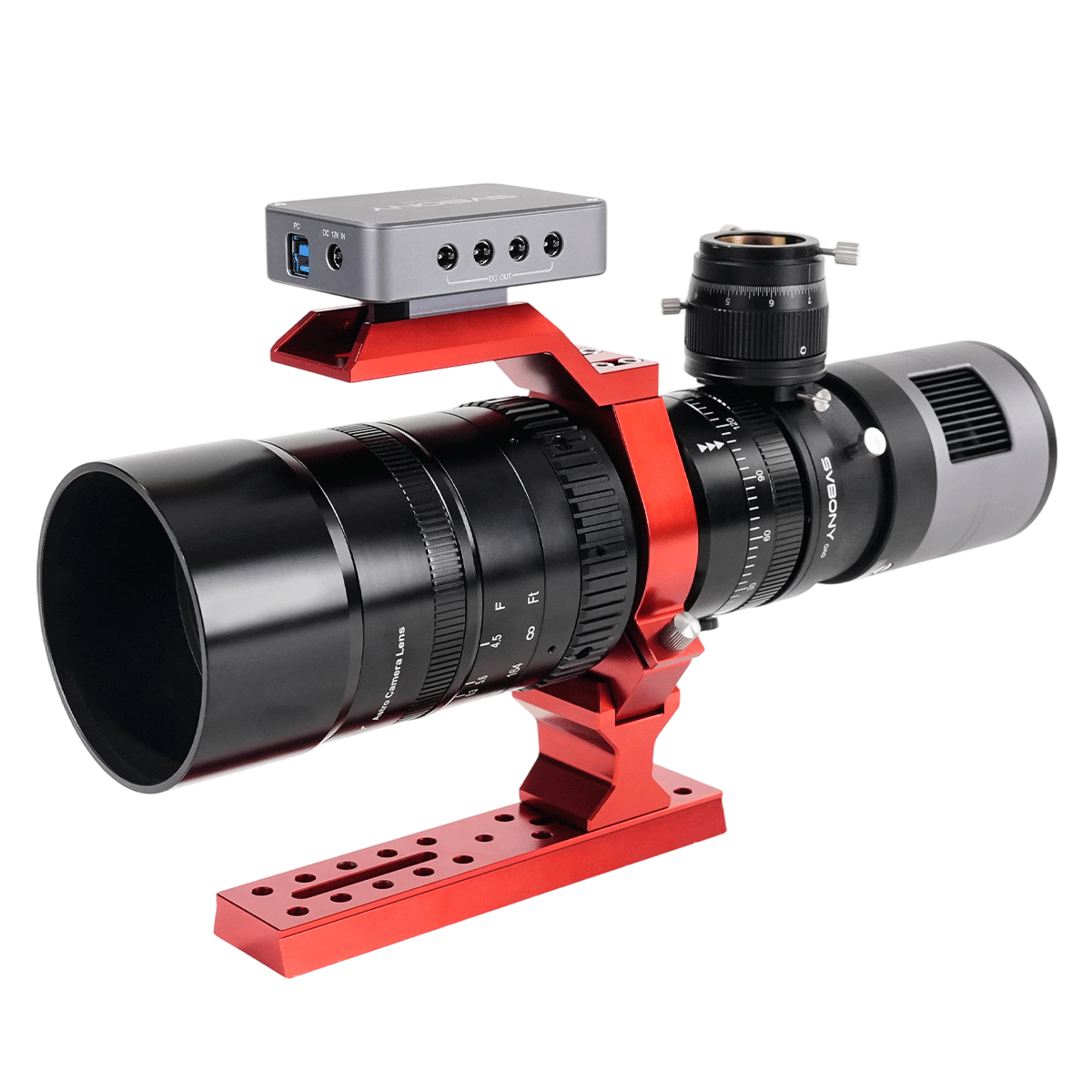
SC571CC & SV535 Wide-Field Astrograph Combo
[{"Title":"Deep Sky Imaging Solution","Content":"This kit integrates a cooled camera, off-axis guider, filter drawer, and power hub."},{"Title":"Low-Noise Imaging with Precise Guiding","Content":"The cooled camera significantly reduces sensor noise, while the OAG ensures accurate tracking during long exposures, resulting in sharp deep-sky images."},{"Title":"Efficient Filter Switching","Content":"Easily switch between filters with the quick-access filter drawer."},{"Title":"Stable Power Hub","Content":"The dedicated power hub delivers clean and reliable power to all devices, keeping your setup tidy and safe."},{"Title":"User-Friendly for Beginners \u0026 Advanced Users","Content":"With industry-standard connections, this kit is compatible with most telescopes and imaging setups. Both beginners and advanced users can easily get started."}]
HOT
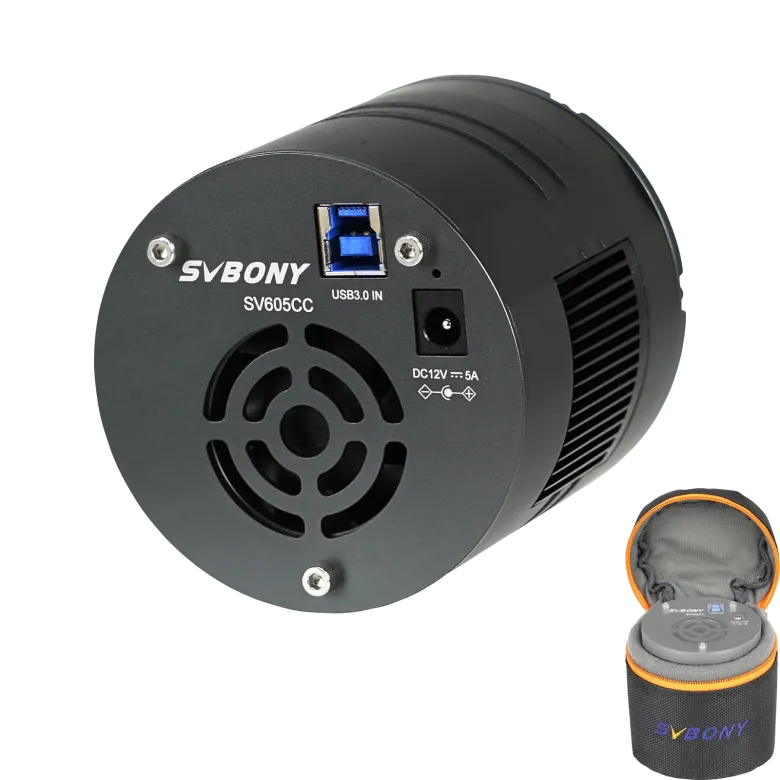
Cooled Color Camera | SVBONY SV605CC
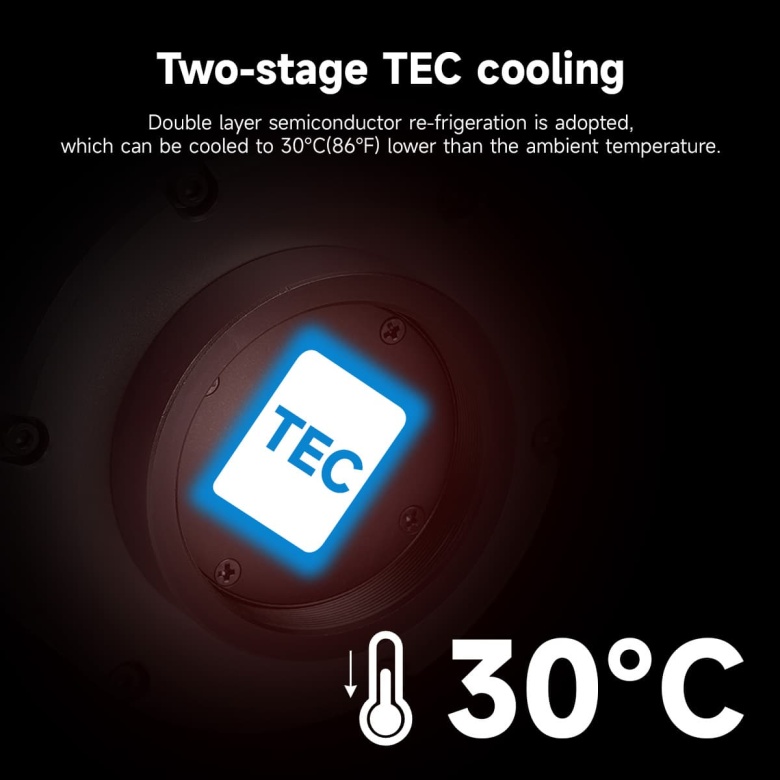
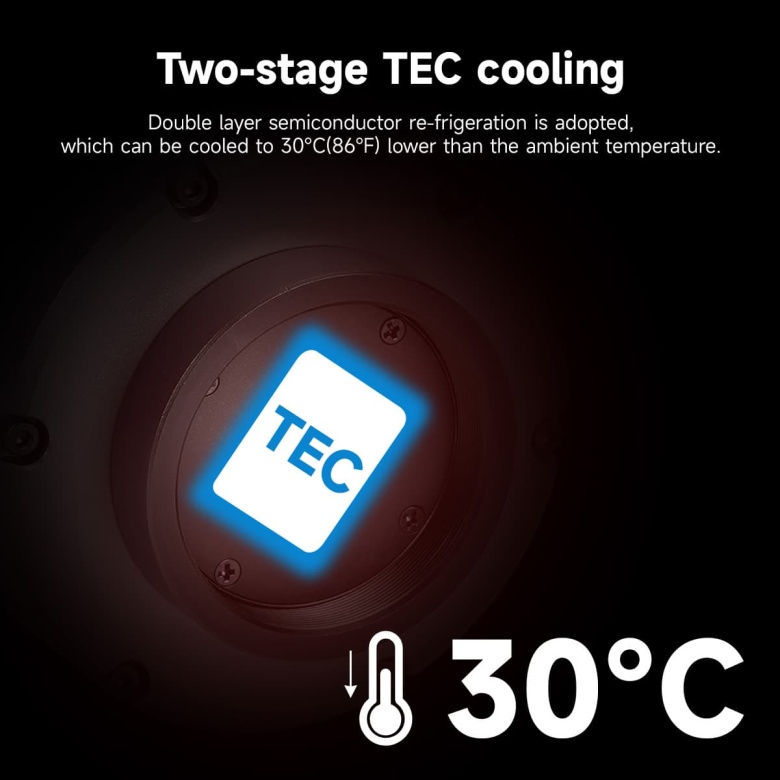
[{"Title":"Glow Suppression Technology","Content":"With glow suppression, the IMX533 chip minimizes signal-to-noise ratio degradation, providing better image quality by eliminating residual glow from CMOS sensor interference."},{"Title":"Powerful Cooling System","Content":"Equipped with a two-stage TEC cooling system, the SV605CC can lower sensor temperature by 30\u00B0C below ambient, significantly reducing dark current and sensor noise during long exposures."},{"Title":"Versatile Compatibility","Content":"The SV605CC works seamlessly with Windows, Linux, Mac OS, Chrome OS, and Raspberry Pi, supporting popular software like Sharpcap, N.I.N.A, and AstroDMx Capture for ease of use."},{"Title":"Ideal for Light-Polluted Environments","Content":"This camera excels in light-polluted areas with its ability to capture clear images using double narrowband filters, making it perfect for deep space imaging even in urban settings."},{"Title":"High-Resolution Imaging","Content":"The SV605CC features a 1-inch IMX533 color chip with 3.76\u00B5m pixels, offering excellent resolution and 80%\u002B quantum efficiency for clear, detailed deep space captures."}]
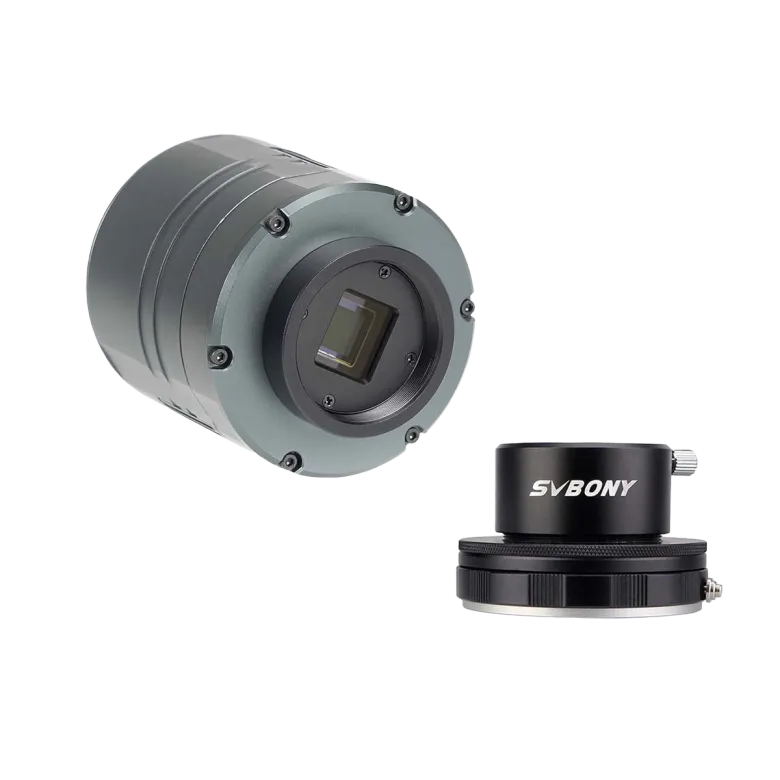
Cooled Camera & Adapter Set | SVBONY SV605CC
[{"Title":"High-Sensitivity Imaging","Content":"The SV605CC Cooled Camera features a high-sensitivity IMX533 sensor, delivering exceptional detail for wide-field, high-resolution astrophotography."},{"Title":"Cooled Sensor for Noise Reduction","Content":"Equipped with a cooled sensor, the SV605CC reduces thermal noise during long exposures, ensuring clearer and more accurate images for deep-sky imaging."},{"Title":"Fast Lens Compatibility","Content":"The SV605CC camera is designed for use with fast lenses (lens not included), providing improved light-gathering capabilities for brighter, sharper images."},{"Title":"Versatile T-Ring and Adapter Compatibility","Content":"The SV149 adapter is Canon/Nikon compatible, allowing easy connection of DSLR lenses to the SV605CC for seamless lens-coupled imaging in astronomy."},{"Title":"Ideal for Astrophotography","Content":"With its cooled sensor and lens-coupled imaging capability, the SV605CC is perfect for wide-field astrophotography, offering high resolution and precise tracking for stunning celestial captures."}]
HOT
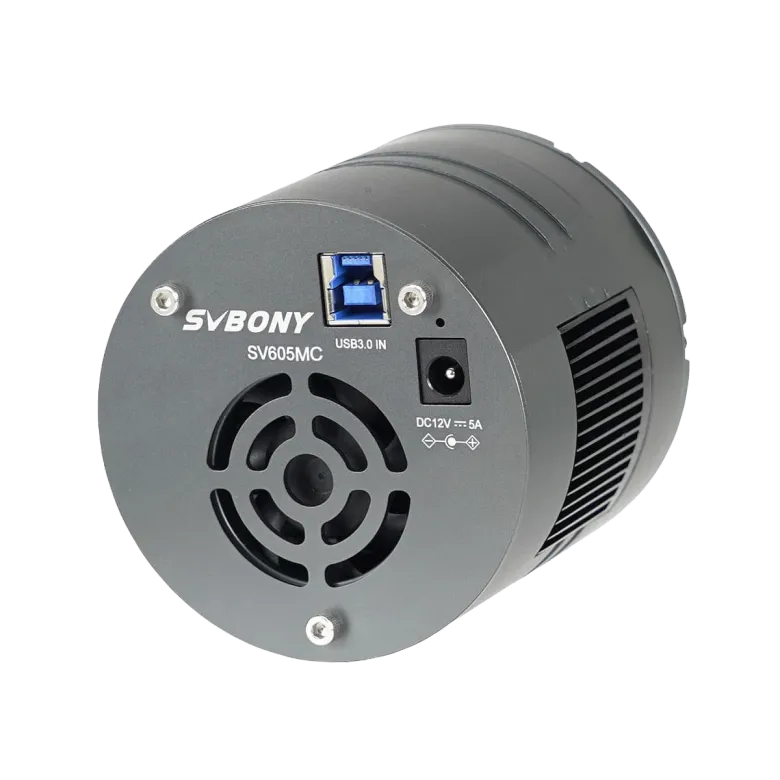
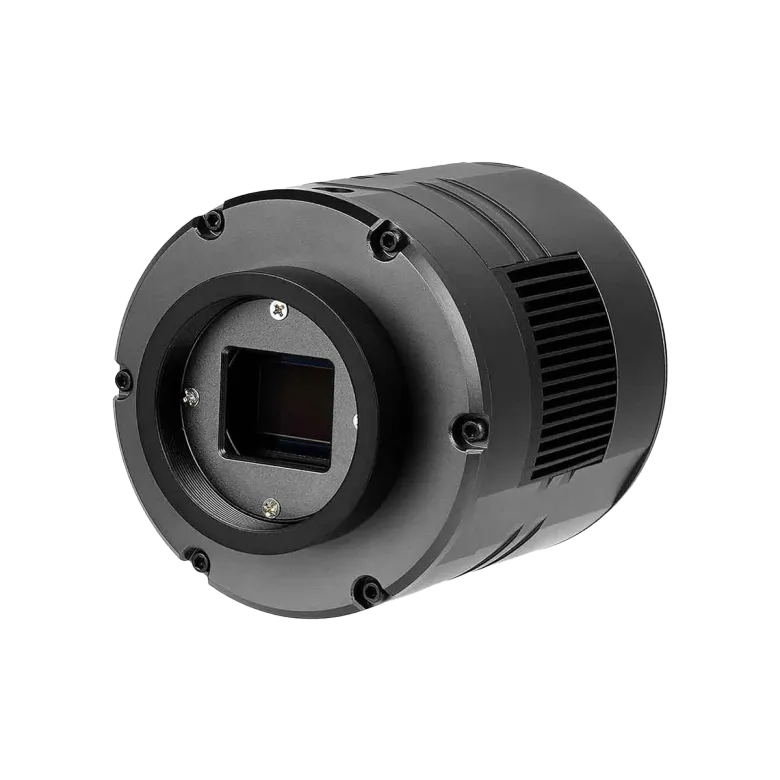
Mono Cooled Camera | SVBONY SV605MC
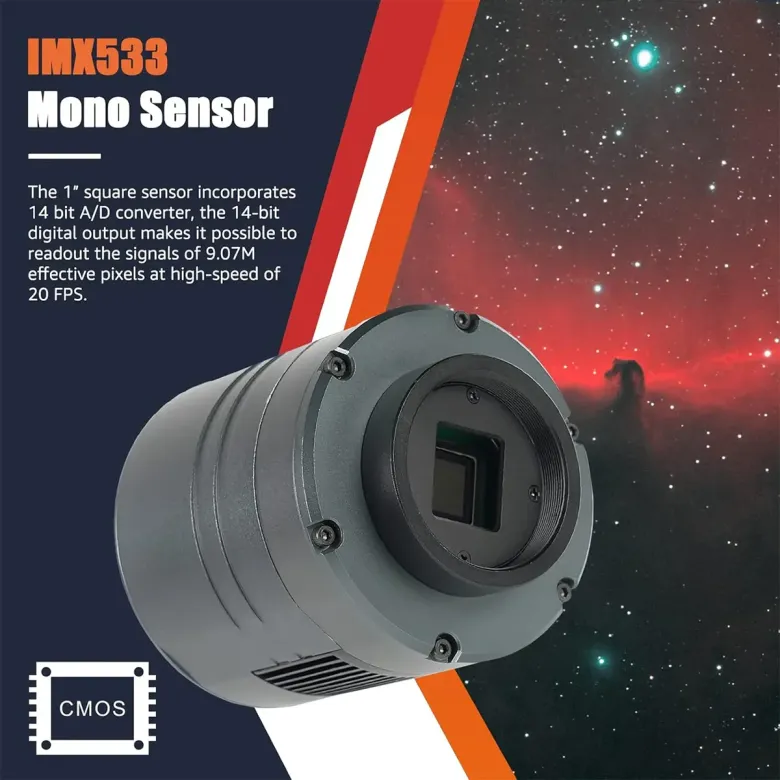
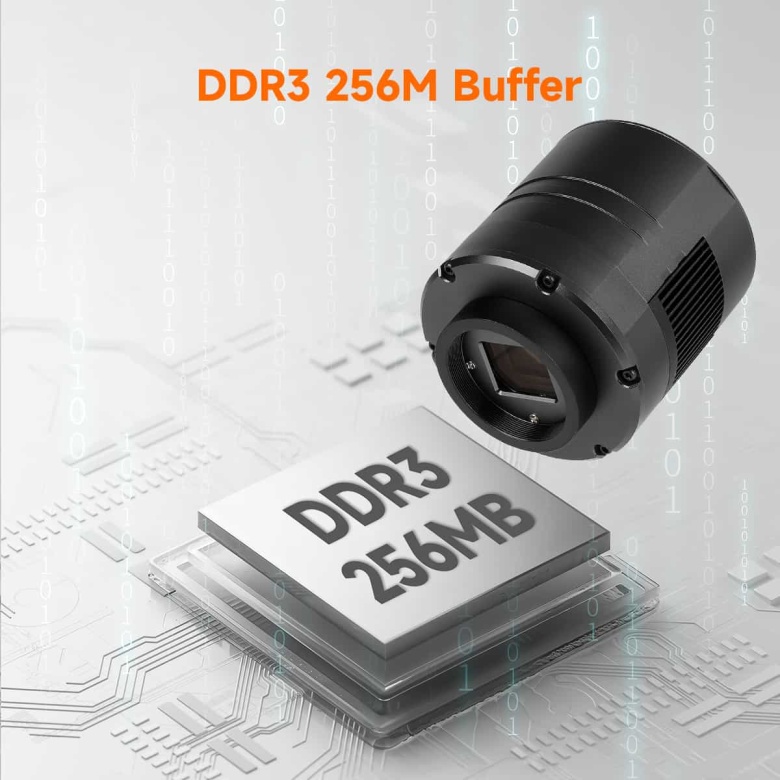
[{"Title":"Enhanced Noise Reduction","Content":"Utilizing HCG digital noise reduction technology, the SV605MC reduces readout noise while maintaining a high dynamic range, ensuring clearer, more detailed images of deep-sky objects."},{"Title":"Improved Amp Glow Suppression","Content":"The SV605MC camera incorporates an amp glow suppression design, ensuring high-quality dark images with minimal noise, perfect for long-exposure astrophotography."},{"Title":"Fast Data Transmission with USB 3.0","Content":"The SV605MC features a USB 3.0 interface and 256MB DDR3 high-speed memory, enabling fast data transfer and efficient deep-sky imaging, while buffering data for stable transmission."},{"Title":"Portable and Foldable Design","Content":"This camera is foldable and portable, making it easy to carry and store in your backpack or pocket, perfect for on-the-go astrophotography."},{"Title":"High-Speed Imaging with 14-Bit A/D Conversion","Content":"The SV605MC incorporates a 14-bit A/D converter for 9.07 million effective pixels, delivering fast readouts at 20 FPS with low read-out noise (1.0e), ideal for deep-sky astrophotography."}]
HOT
Cooled Color OSC Camera | SVBONY SV405CC
[{"Title":"High-Resolution IMX294 CMOS Sensor","Content":"Equipped with the IMX294 color CMOS sensor, the camera offers 4/3 format and delivers true 4K output at 120 frames per second, ensuring sharp, high-resolution images."},{"Title":"High-Speed Data Transfer","Content":"With a USB 3.0 interface, the SV405CC supports 5GB bandwidth, enabling 19 fps in raw8 mode and 16 fps in raw16 mode at full resolution (11.7 million pixels) for smooth, high-speed image capture."},{"Title":"Advanced Cooling System","Content":"The two-stage TEC cooling system lowers the CMOS sensor temperature by 86\u00B0F below ambient, reducing dark current and sensor noise, even during long-exposure astrophotography."},{"Title":"Wide System Compatibility \u0026 Free Shipping","Content":"The SV405CC is compatible with Windows, Linux, Mac OS, Chrome OS, and Raspberry Pi, supporting popular software like Sharpcap, N.I.N.A., and TheSkyX through the ASCOM platform. Free shipping and duty-free included!"},{"Title":"Ideal for Deep-Sky Astrophotography","Content":"The SV405CC is perfect for deep-sky astrophotography, capturing stunning images of nebulae, galaxies, star clusters, and multiple star systems with excellent color accuracy and detail.\n\n2. High-Resolution IMX294 CMOS Sensor"}]
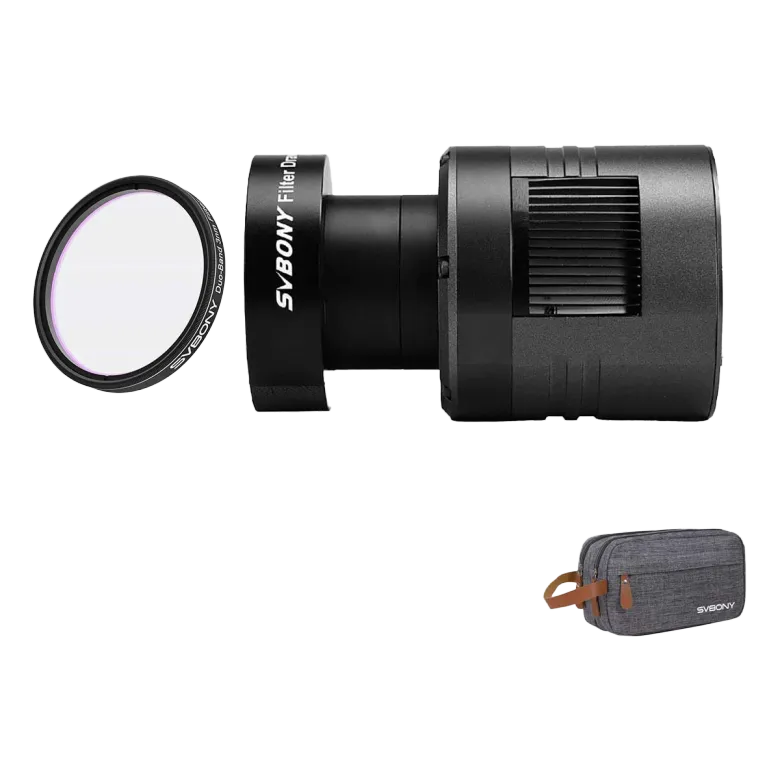
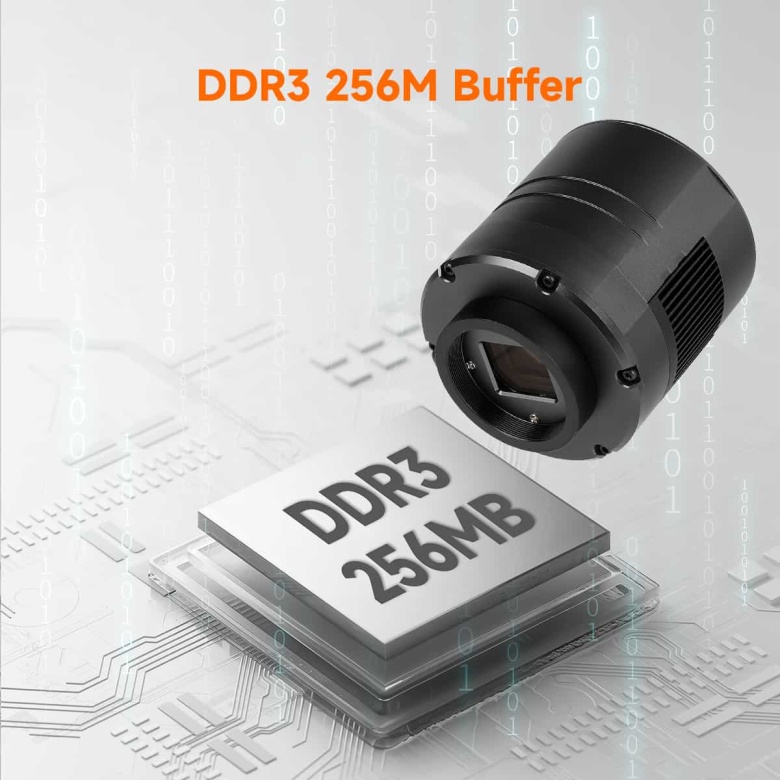
HOT
Cooled Color Camera Kit | SVBONY SV405CC
[{"Title":"High-Performance Imaging","Content":"The SV405CC cooled color camera features a high-sensitivity sensor for astrophotography, delivering detailed, high-resolution images with minimal noise during long exposures."},{"Title":"Effective Cooling System","Content":"Equipped with an advanced cooling system, the SV405CC camera lowers the sensor temperature, reducing thermal noise and improving the clarity of deep-sky images during extended exposure times."},{"Title":"Versatile Filter Drawer","Content":"The SV226 M42 filter drawer offers easy and fast filter changes, allowing for seamless integration of various filters like the SV220 3nm Dual-Band filter for deep-sky imaging."},{"Title":"Superior Dual-Band Filtering","Content":"The SV220 3nm Dual-Band filter significantly enhances the contrast of H\u03B1 and OIII emissions, providing clearer, more defined details in nebulae and emission nebula imaging."},{"Title":"Complete Astrophotography Setup","Content":"This package includes the SV405CC camera, SV226 filter drawer, and SV220 3nm filter, making it a comprehensive and cost-effective solution for deep-sky astrophotographers seeking high-quality, sharp images."}]
HOT
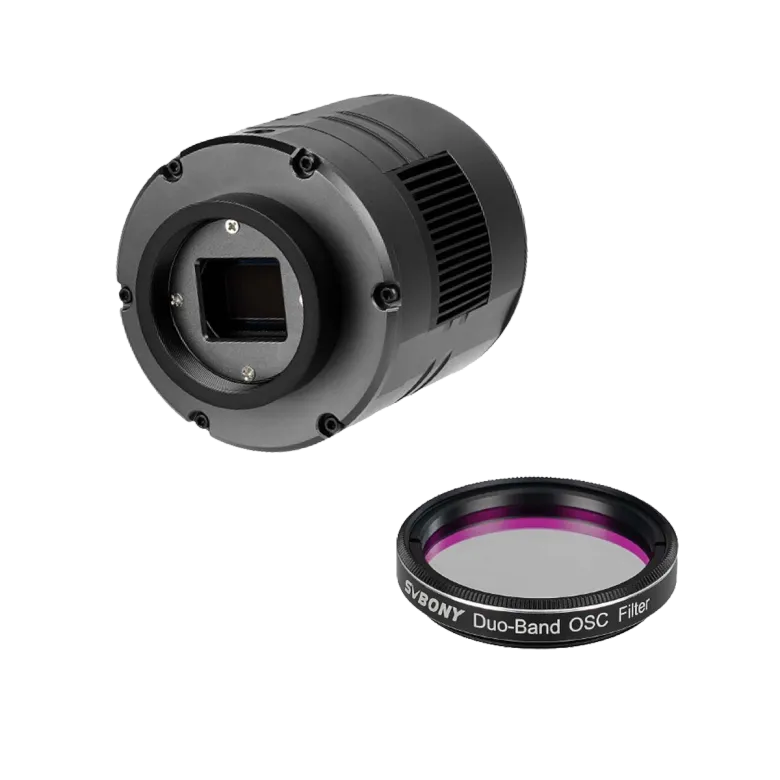
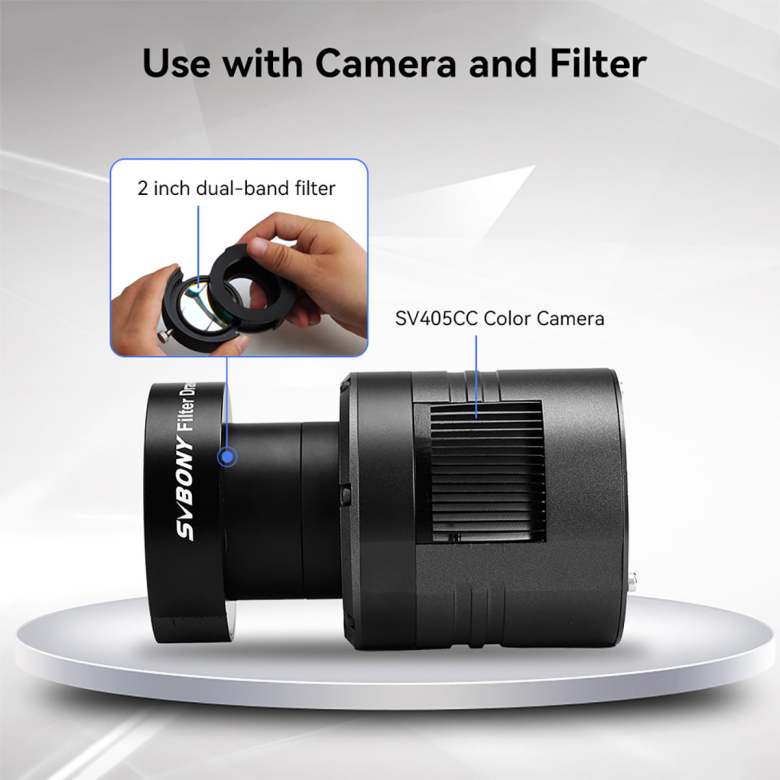
Cooled Camera & Filter Bundle | SVBONY SV405CC
[{"Title":"High-Quality Imaging at a Great Value","Content":"Buy the SV405CC Cooled Color Camera and get the SV220 7nm Dual-Band Filter for free, providing an excellent setup for deep-sky astrophotography at a fantastic price."},{"Title":"Superior Performance for Deep-Sky Photography","Content":"The SV405CC features a cooled sensor for reduced thermal noise, delivering crisp, high-resolution images of nebulae and galaxies. The free SV220 filter enhances your deep-sky shots with H\u03B1 and OIII emission line clarity."},{"Title":"Perfect for Narrowband Imaging","Content":"The SV220 7nm Dual-Band Filter allows you to capture stunning details in emission nebulae by filtering out unwanted light, improving contrast and clarity, all with the free gift with your purchase."},{"Title":"Easy Setup for Astrophotographers","Content":"This offer makes it easy to upgrade your astrophotography kit. The SV405CC camera and SV220 filter work together seamlessly to enhance your deep-sky imaging, giving you more detail in your photos."},{"Title":"Limited-Time Offer","Content":"Don\u2019t miss out on this limited-time deal: Get the SV220 7nm Dual-Band Filter for free when you purchase the SV405CC Cooled Color Camera\u2014the perfect combination for advanced astrophotography."}]
HOT
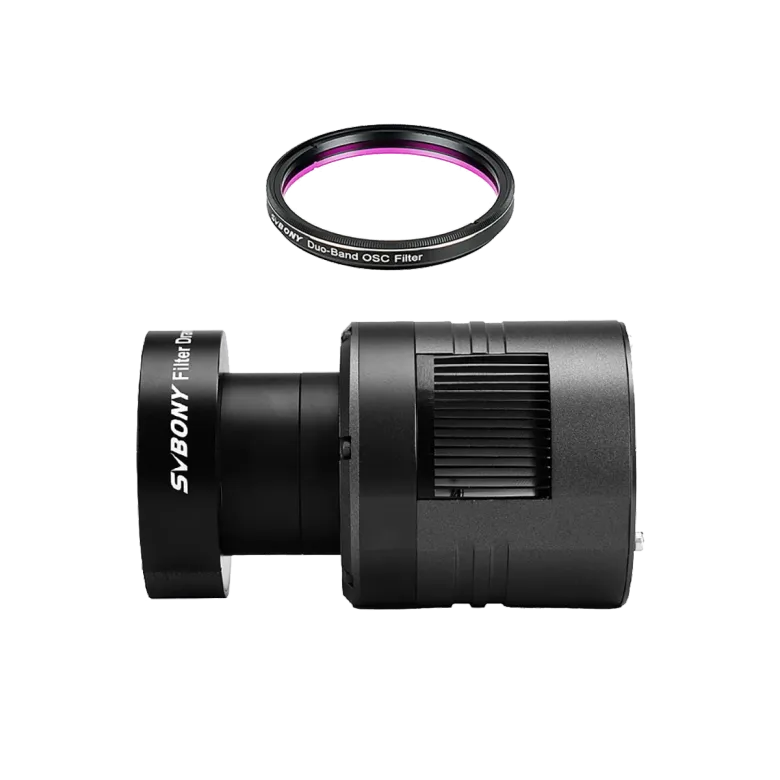
Cooled Camera & Filter Kit | SVBONY SV405CC
[{"Title":"High-Resolution Imaging","Content":"The SV405CC Cooled Color Camera provides exceptional resolution and low noise performance, making it perfect for deep-sky astrophotography, especially during long exposure sessions."},{"Title":"Advanced Cooling for Clarity","Content":"Equipped with an advanced cooling system, the SV405CC camera reduces sensor noise and minimizes thermal interference, ensuring clearer images during long exposures."},{"Title":"Easy Filter Management","Content":"The SV226 M42 filter drawer allows for quick and convenient filter changes, making it easy to adapt to different imaging needs, particularly for narrowband astrophotography."},{"Title":"Enhanced Imaging with Dual-Band Filter","Content":"The SV220 7nm Dual-Band filter blocks unwanted light pollution while allowing the H\u03B1 and OIII emissions to pass through, enhancing nebula and emission nebula imaging with improved contrast."},{"Title":"Complete Astrophotography Solution","Content":"This package, which includes the SV405CC Cooled Camera, SV226 filter drawer, and SV220 7nm Dual-Band filter, provides a comprehensive setup for astrophotographers seeking high-quality, detailed captures of deep-sky objects."}]
SVBONY Cooled Cameras for Astrophotography
SVBONY cooled cameras are designed for long-exposure deep-sky astrophotography, using cooled CMOS sensors to reduce thermal noise and dark current. They are well suited for capturing faint targets such as nebulae, galaxies, and Hα regions.
Choose the Right Cooled Camera for Your Setup
SVBONY offers 2x, 3x, and 5x Barlow lenses for different observing and imaging needs. A 2x Barlow lens is a versatile choice for lunar and planetary observation, while a 3x Barlow lens provides a higher image scale for detailed planetary viewing. The 5x option is designed for very high magnification and is best suited to planetary imaging when conditions support it.
SVBONY offers cooled astronomy cameras in both color and monochrome options. The SC571CC features an APS-C IMX571 sensor with 26MP resolution and two-stage TEC cooling that can lower the sensor temperature by 35°C below ambient. The SV605CC uses an IMX533 color sensor with two-stage TEC cooling that lowers the sensor temperature by 30°C below ambient. For monochrome imaging, the SV605MC uses a monochrome IMX533 sensor with HCG digital noise reduction and amp-glow suppression.
Depending on the model, features include zero amp-glow design on the SC571CC, amp-glow suppression on the SV605 series, USB 3.0 connectivity, and support for filters and compatible adapters. The lineup also includes complete deep-sky imaging systems that combine a cooled camera with an off-axis guider, filter drawer, and power hub.
Cooled Cameras for Deep-Sky Imaging
A cooled camera for astrophotography is particularly useful for long-exposure imaging, where stable sensor temperature helps control noise and preserve faint details. Choose a color camera for a simpler imaging workflow, or a monochrome camera for filter-based narrowband and broadband imaging.
FAQs About Cooled Cameras
For long-exposure deep-sky astrophotography, a cooled camera actively controls sensor temperature to reduce thermal noise and dark current during extended exposures.
An uncooled camera can work well for shorter exposures, planetary imaging, or simpler setups. For faint nebulae and galaxies, however, a cooled camera provides more consistent imaging conditions and makes temperature-based calibration easier.
A cooled astronomy camera uses TEC (thermoelectric) cooling to lower the sensor temperature and maintain it at a stable level. Keeping the sensor cooler helps reduce thermal noise and dark current, which become increasingly noticeable during long exposures.
SVBONY models such as the SC571CC, SV605CC, and SV605MC use two-stage TEC cooling. The SC571CC can cool its sensor by up to 35°C below ambient, while the SV605CC can reach 30°C below ambient. The SV605MC also uses two-stage TEC cooling for controlled sensor temperatures during imaging.
Deep-sky targets are often extremely faint and require long exposures or multiple exposures to reveal subtle details. During extended imaging, heat generated by the sensor can contribute to thermal noise and dark current, which may obscure faint details.
A cooled camera helps reduce these effects by keeping the sensor at a stable, lower temperature, making it easier to capture subtle nebula details, galaxy structures, and other deep-sky features.
A dedicated cooled astronomy camera is designed specifically for astronomical imaging, with features such as active TEC cooling, astronomy-focused CMOS sensors, and support for filters and guiding accessories. A DSLR can also be used for astrophotography and offers the advantage of being useful for general photography.
However, for dedicated long-exposure deep-sky imaging, a cooled camera provides direct temperature control and is designed around an astronomy-specific workflow. If you already own a DSLR and are just starting out, it can be a practical way to begin astrophotography without extra investment.
But if you're building a dedicated deep-sky setup and regularly shoot long exposures, a cooled astronomy camera offers better temperature and noise control, flexible filter options, and a more streamlined workflow.
Color and monochrome cooled cameras offer different approaches to deep-sky astrophotography. A color cooled camera captures color information directly through a single sensor, making it a convenient choice for astrophotographers who want a straightforward imaging and processing workflow.
A monochrome cooled camera requires separate filters but provides greater flexibility for narrowband and broadband imaging. SVBONY offers both options, so the right choice depends on your targets, filter setup, processing workflow, and how much control you want over individual imaging channels.



 Google
 Amazon