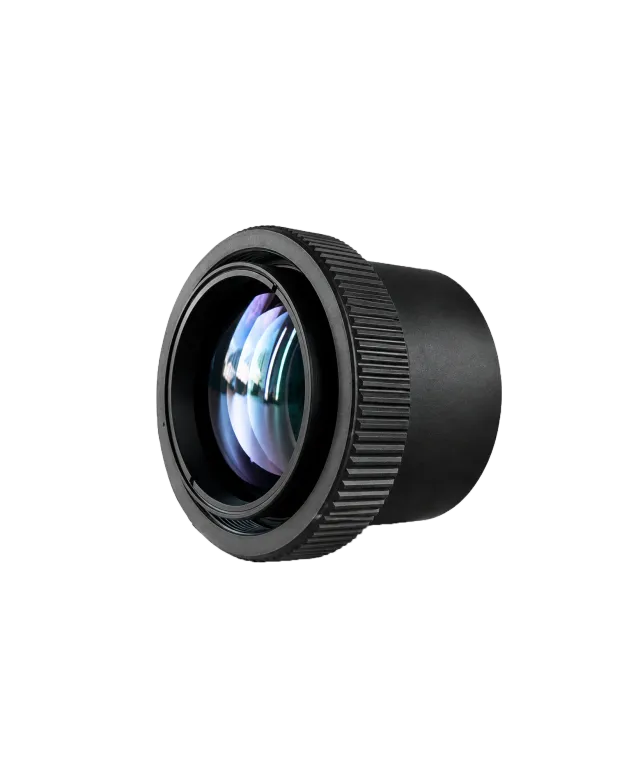
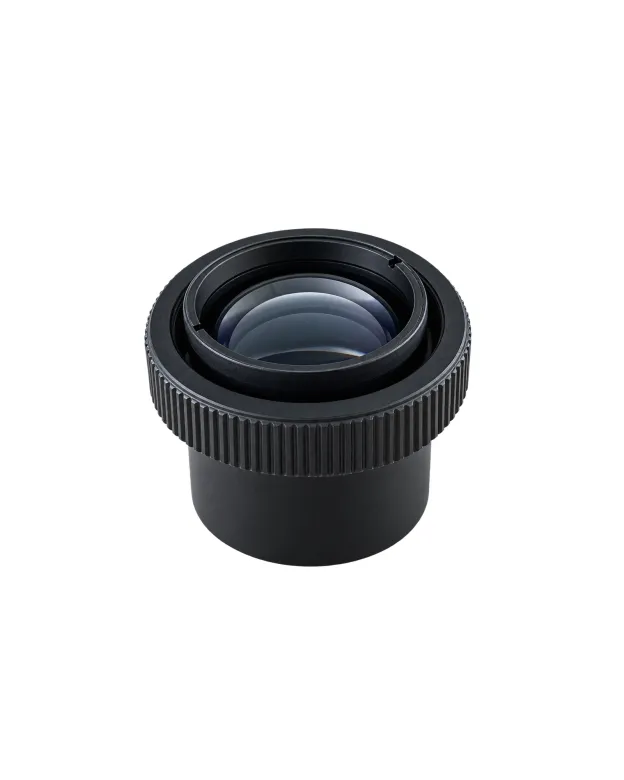
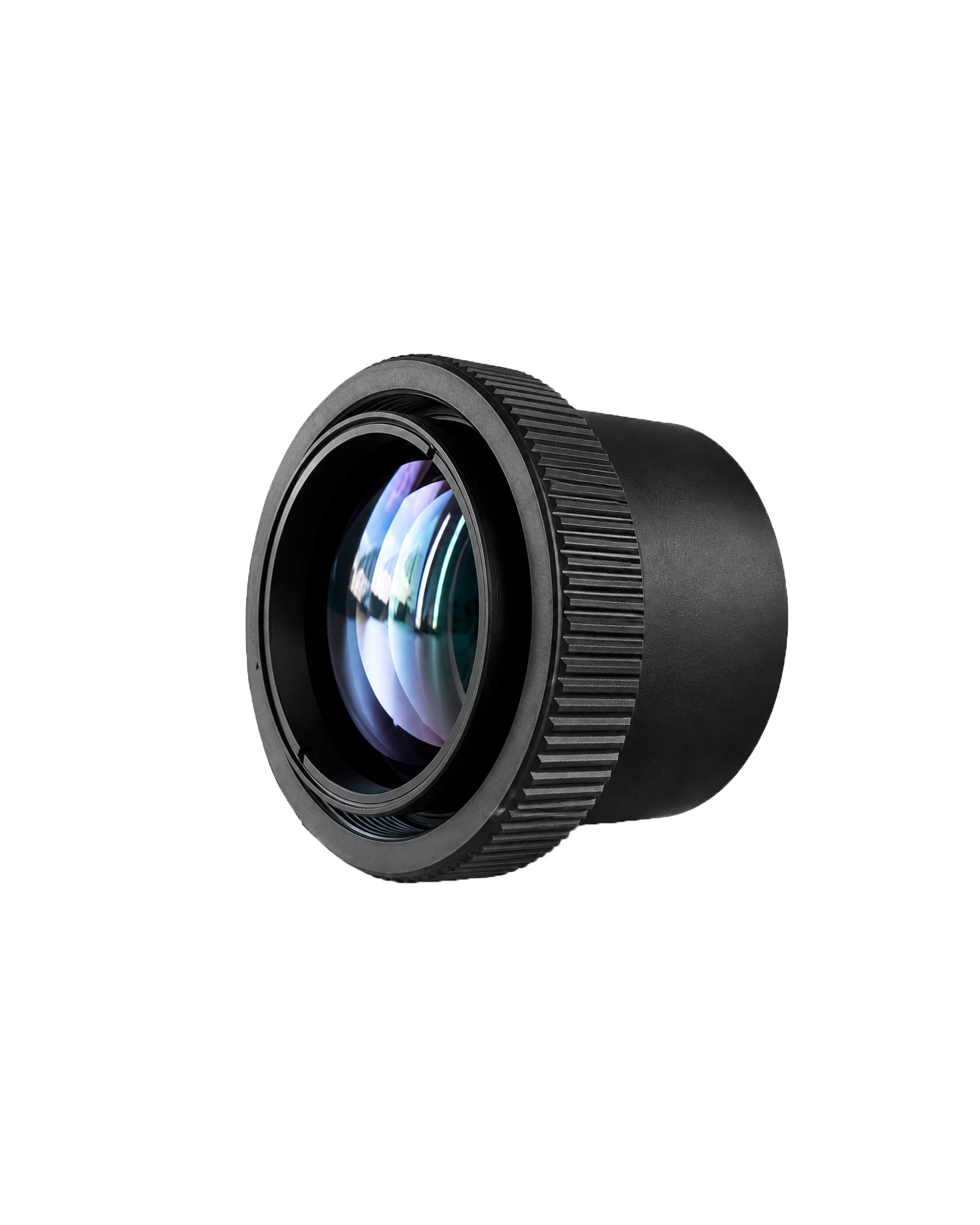
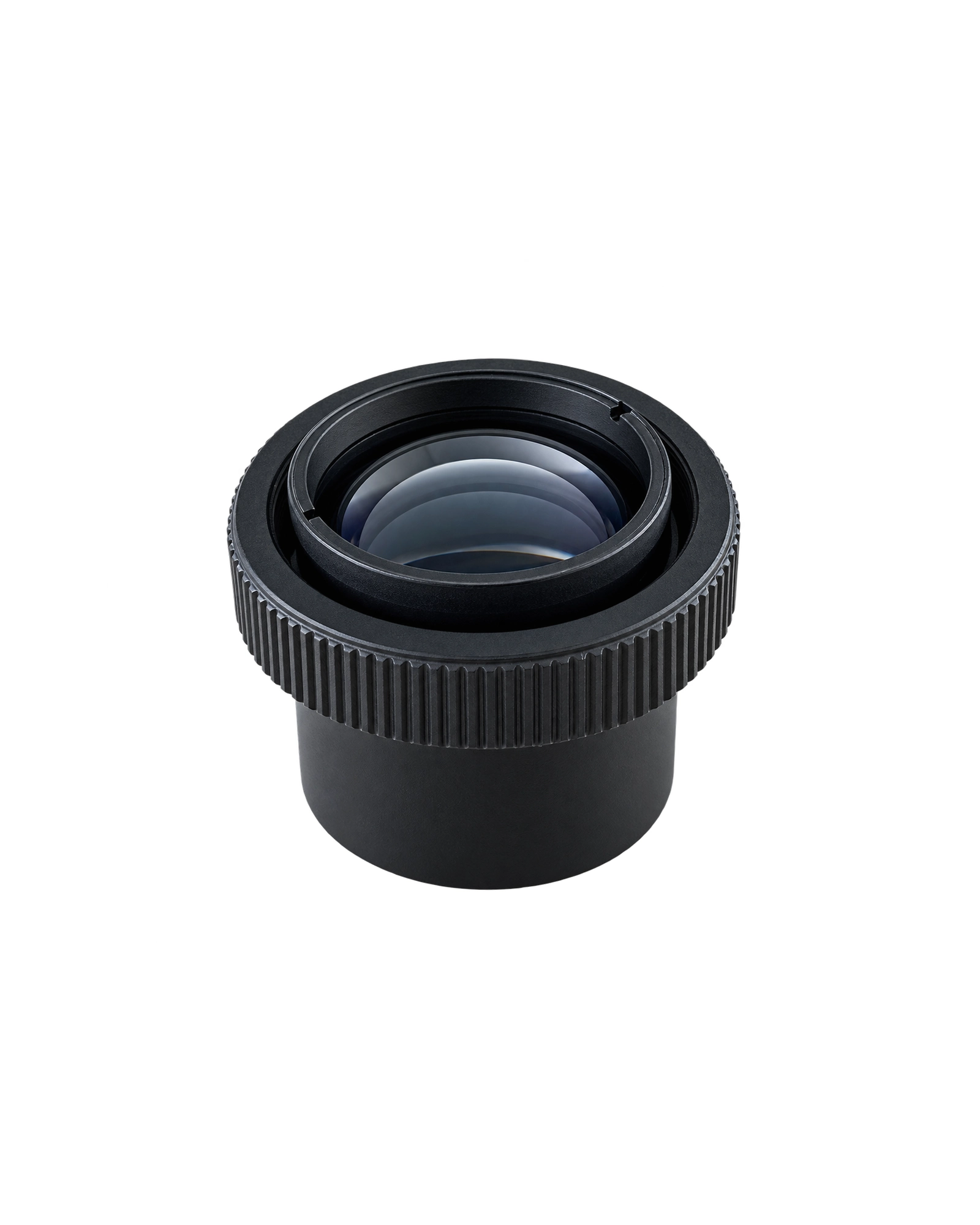
0.65x Focal Reducer for MK127
[{"Title":"Achieve Sharper Images with More Precise Optical Alignment","Content":"Improved machining accuracy between the focal reducer and MK127 telescope thread interface reduces fitting gaps during installation, helping minimize optical axis deviation caused by mechanical tolerance and maintaining a more accurate optical path for clearer imaging."},{"Title":"Maintain Consistent Image Quality with Better System Stability","Content":"The optimized connection structure provides a more stable integration between the reducer and telescope, reducing alignment variations during installation and helping deliver more consistent imaging performance across different observation sessions."},{"Title":"Reduce Optical Aberrations for Cleaner Astrophotography Results","Content":"The upgraded optical design improves the MK127 optical system\u2019s tolerance to minor mechanical errors, reducing the impact of alignment deviations on image quality and helping preserve sharper details with better edge performance."},{"Title":"Get More Reliable Performance from Your Existing Telescope Setup","Content":"Designed to work seamlessly with the MK127 optical system, this focal reducer improves the overall system compatibility and helps maximize the imaging potential of your existing telescope without replacing the main optical tube."},{"Title":"Capture Wider and Faster Deep-Sky Images with 0.65x Reduction","Content":"The 0.65x focal reduction expands the field of view and improves imaging efficiency, making it easier to frame larger celestial objects and shorten exposure requirements during deep-sky astrophotography."}]
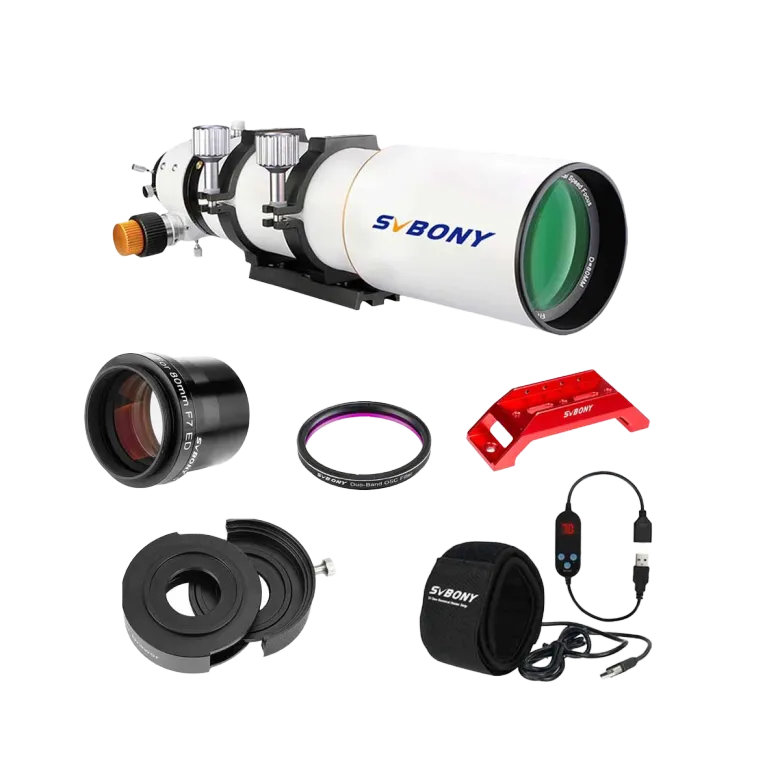
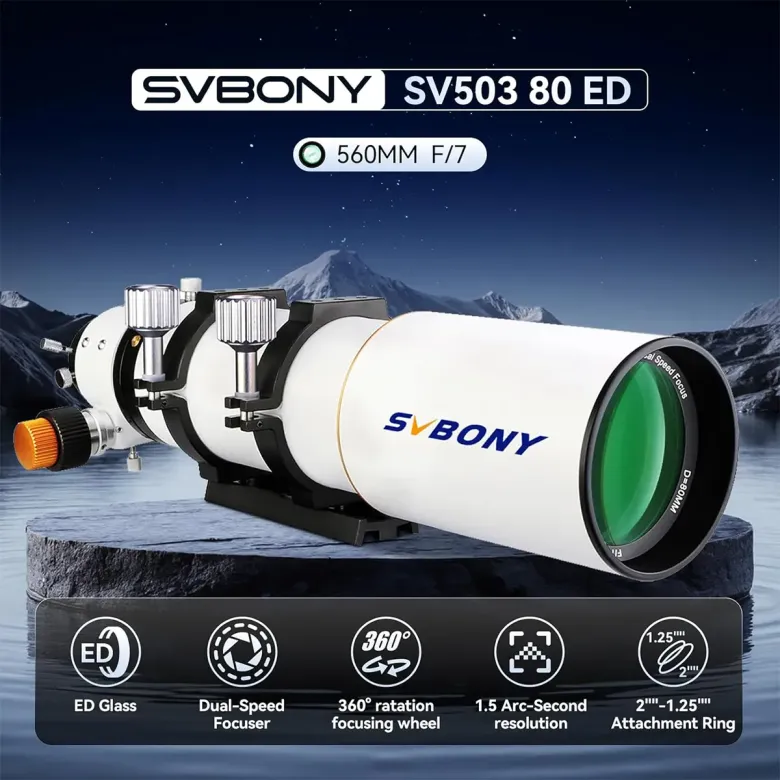
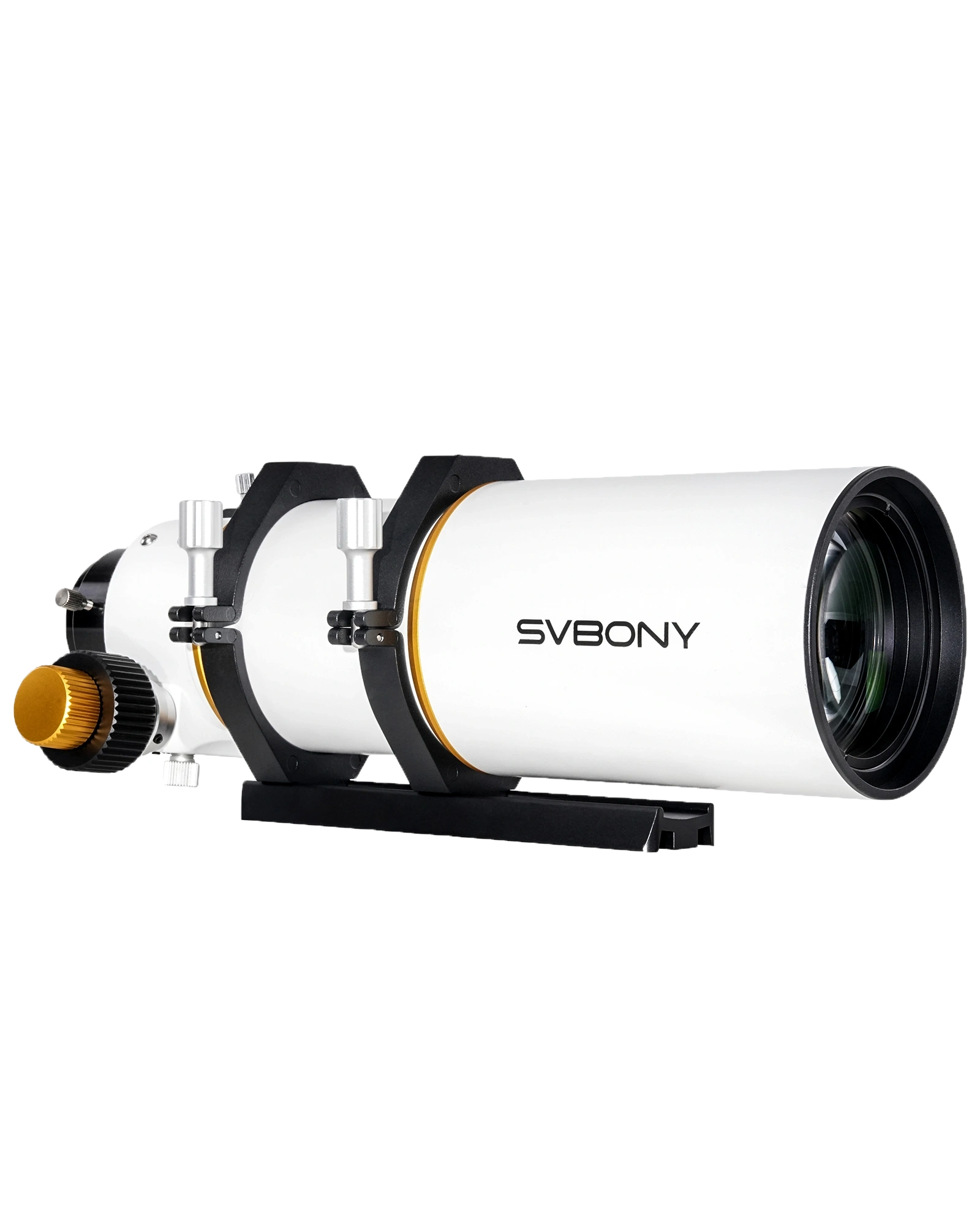
Astro Photography Kit | SVBONY SV503 80
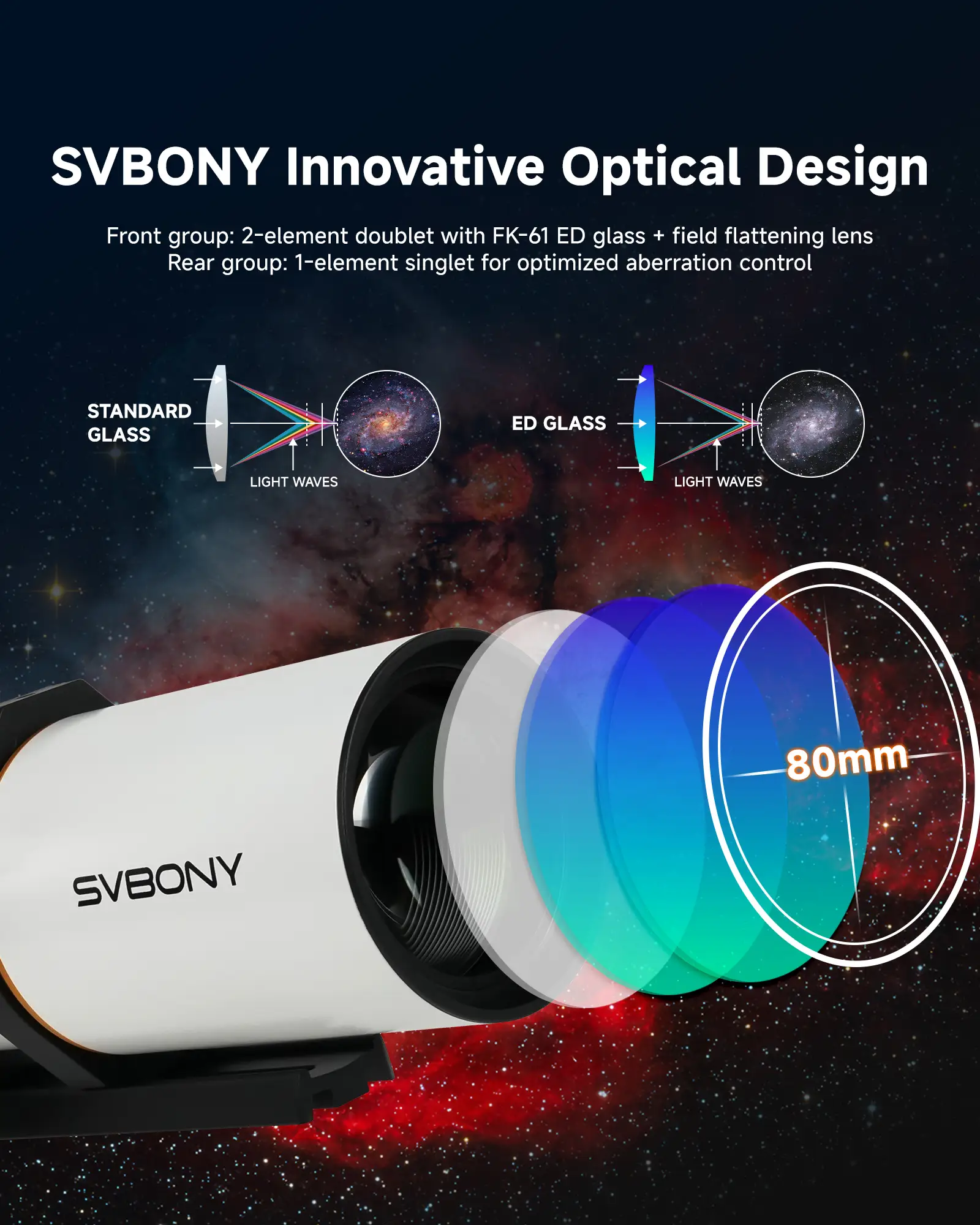
[{"Title":"Extended Warranty One Year - ED Optics","Content":"80 mm F7 ED doublet lens with extra-low dispersion glass delivers crisp views with reduced chromatic aberration."},{"Title":"SV193 Focal Reducer Included","Content":"0.8\u00D7 focal reducer and field flattener shortens focal length and flattens field for wider, sharper astrophotos."},{"Title":"Deep-Sky Imaging Ready","Content":"Optimized for astrophotography with flatter field and improved star pinpoint sharpness across the frame."},{"Title":"Robust Precision Focuser","Content":"Dual-speed 2\u0022 rack-and-pinion focuser enables fine focus control for visual and photographic work."},{"Title":"Stable Aluminum OTA Design","Content":"Durable aluminum tube with dovetail mounting ensures reliable setup and balanced performance."}]
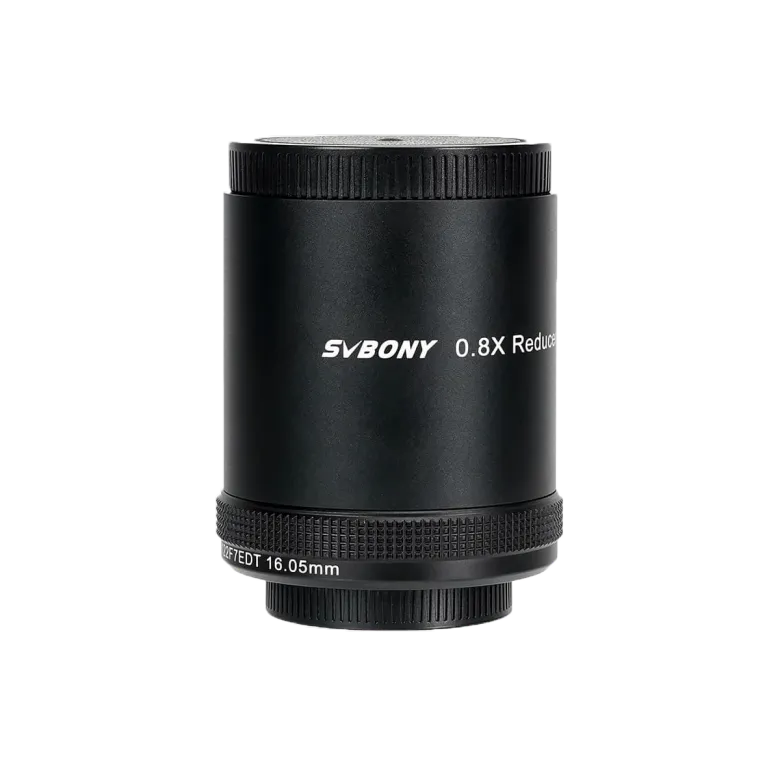
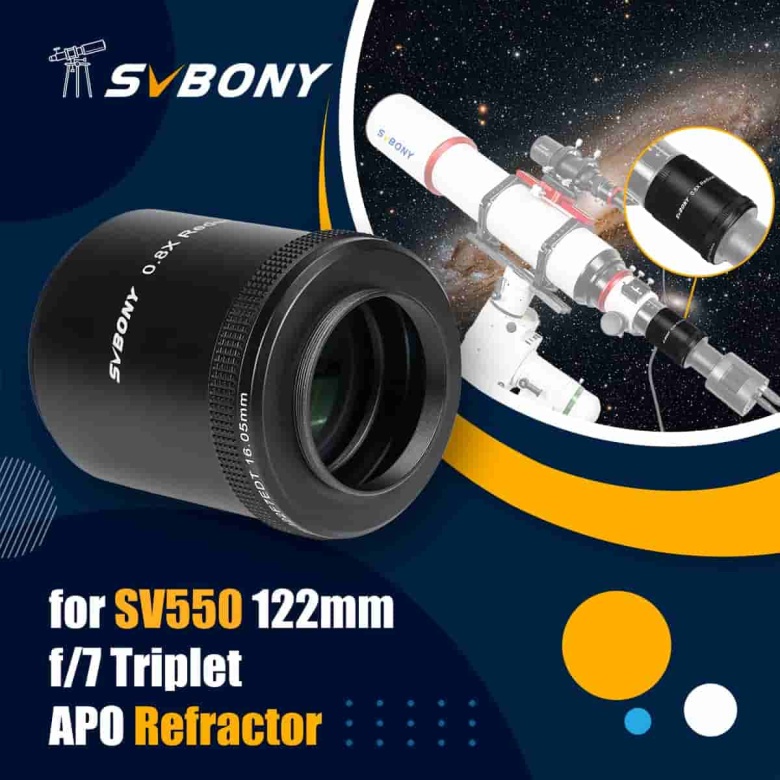
0.8x Reducer/Flattener | SVBONY SV209
[{"Title":"Optimized Focal Reduction","Content":"The 0.8x focal reducer shortens the focal length of your telescope, offering a wider field of view and faster imaging."},{"Title":"Improved Image Brightness","Content":"Increases light-gathering ability, resulting in brighter images, perfect for deep-sky astrophotography."},{"Title":"High-Quality Multi-Coated Optics","Content":"Features fully multi-coated lenses that reduce optical aberrations and provide high-contrast, sharp images."},{"Title":"Designed for SV550 122 APO","Content":"Specifically designed to work seamlessly with the SV550 122 APO telescope, ensuring optimal performance and easy integration."},{"Title":"Simple Installation","Content":"Easy to attach to your telescope setup, allowing quick upgrades for enhanced astrophotography without complicated adjustments."}]
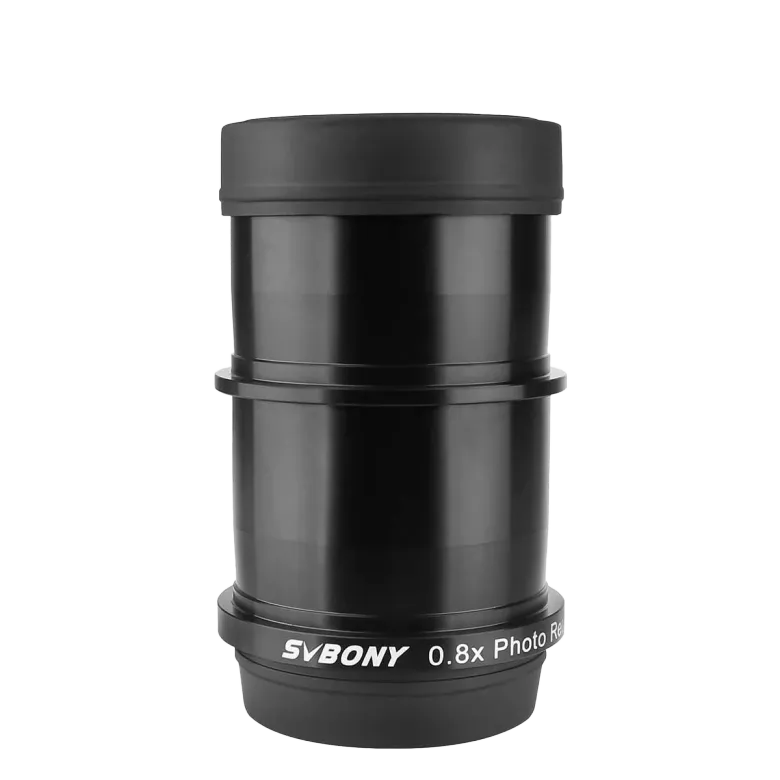
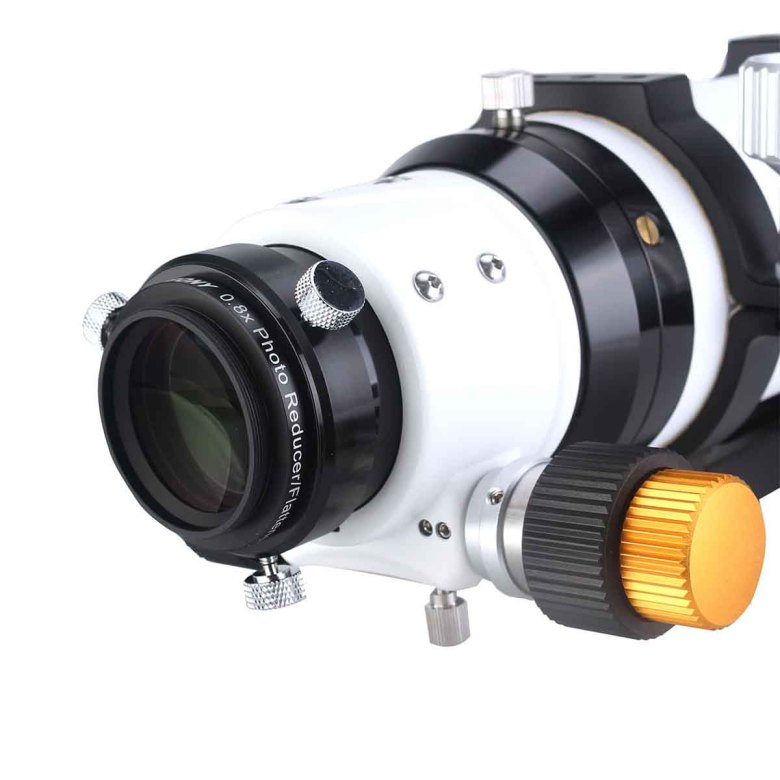
0.8x Reducer/Flattener | SVBONY SV193
[{"Title":"Optimized Focal Reduction","Content":"The 0.8x focal reducer shortens the focal length, enhancing your field of view and allowing for deeper, wider observations."},{"Title":"Field Flattening","Content":"Minimizes image distortion, delivering sharp and crisp views across the entire field, perfect for astrophotography."},{"Title":"Designed for SV503 102ED","Content":"Tailored specifically for the SV503 102ED refractor telescope, ensuring seamless compatibility and optimal performance."},{"Title":"High-Quality Multi-Coated Optics","Content":"Features multi-coated lenses to reduce optical aberrations, ensuring bright, clear, and high-contrast images."},{"Title":"Simple and Convenient Setup","Content":"Easy to attach and integrate into your existing telescope system, making it an ideal upgrade for improved imaging quality."}]
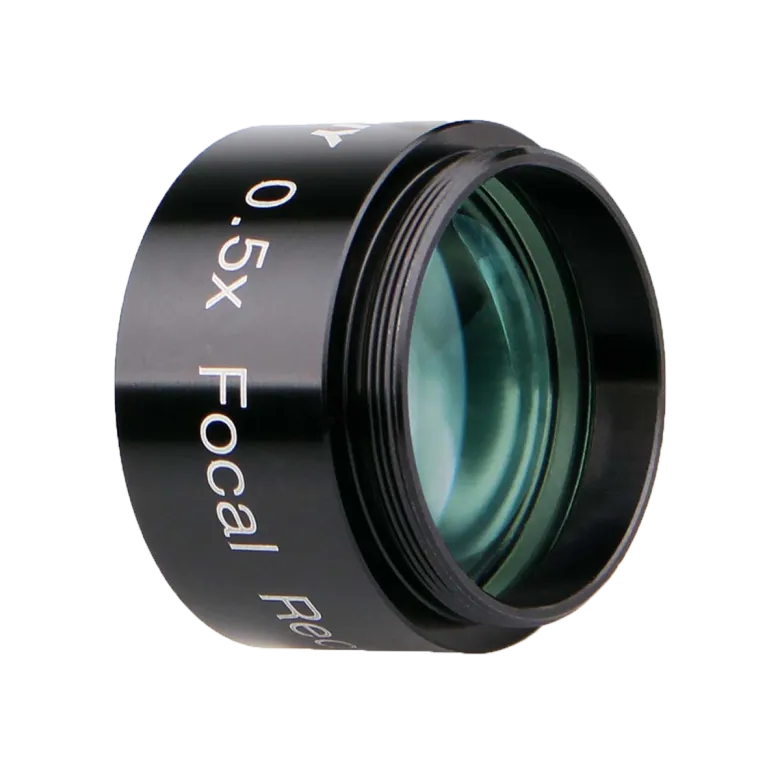
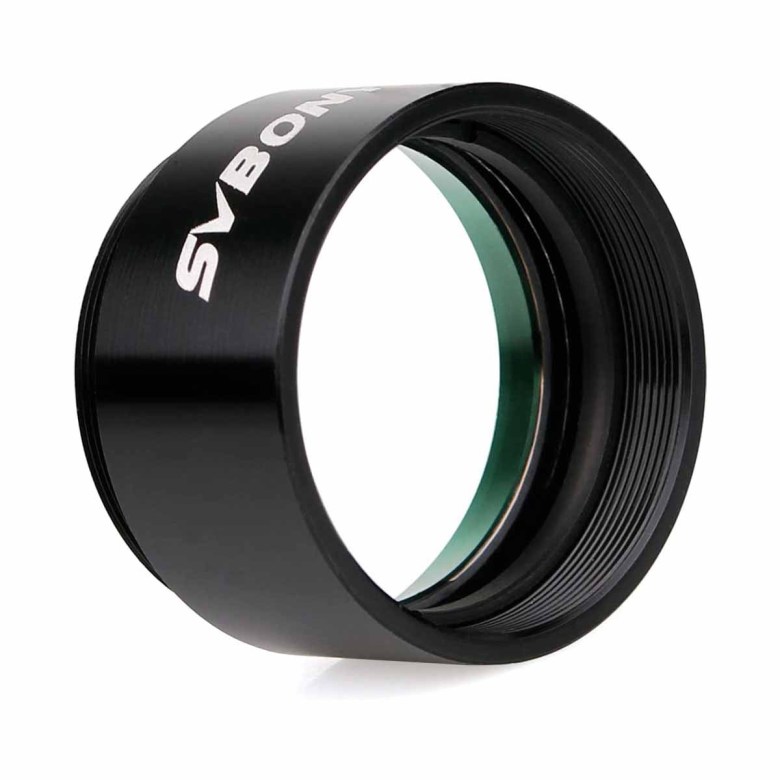
1.25" 0.5x Focal Reducer | SVBONY
[{"Title":"Wider Field of View","Content":"The 0.5X focal reducer effectively cuts the telescope\u0027s focal length by half, providing a wider field of view. It is ideal for observing expansive deep-sky objects and for astrophotography of large celestial phenomena."},{"Title":"Enhanced Contrast with Anti-Reflection Coating","Content":"Featuring fully anti-reflection coatings on all air-glass surfaces, the reducer improves contrast and image clarity, ensuring sharper details even in challenging viewing conditions or for long-exposure astrophotography."},{"Title":"Ideal for Visual and Photography Use","Content":"Whether for visual use to achieve a larger field of view or for CCD imaging, this focal reducer is a must-have tool for astronomers looking to capture clearer, wider views and better image quality."},{"Title":"Durable Metal Construction","Content":"Built with a fully metal structure, this focal reducer offers stability and durability, ensuring long-lasting performance. The 28.5x0.6 thread at both ends provides a secure, precise fit for easy attachment to your telescope or accessories."},{"Title":"Versatile Compatibility and Performance","Content":"Designed for easy connection to the eyepiece, the 0.5X focal reducer offers excellent performance in both visual observation and astrophotography, enhancing your ability to capture wide, high-quality images of celestial bodies."}]
Focal Reducer for Telescope Astrophotography and Observation
The focal reducer, also known as a focal length reducer or focal telescope reducer, is designed to shorten the effective focal length of a telescope while increasing the field of view and improving imaging efficiency. By reducing the focal ratio, a focal reducer allows astronomers to capture wider areas of the night sky, achieve shorter exposure times, and optimize telescope performance for different observation goals.
SVBONY offers carefully designed optical solutions, including the SV193 0.8x Reducer-Flattener for the SV503 102ED refractor and the 0.5x Focal Reducer. These accessories are developed to support both deep-sky astrophotography and visual observation by improving system versatility while maintaining optical quality.
FAQs About Focal Reducer
Telescope focal reducers are optical accessories installed between a telescope and imaging device or eyepiece to decrease the telescope’s effective focal length. By reducing the focal length, they increase the field of view and lower the focal ratio of the optical system.
For example, a refractor telescope with a long focal length may produce a narrower view that is ideal for small planetary targets. Adding a focal reducer can transform the system into a wider-field setup better suited for nebulae, galaxies, and star clusters.
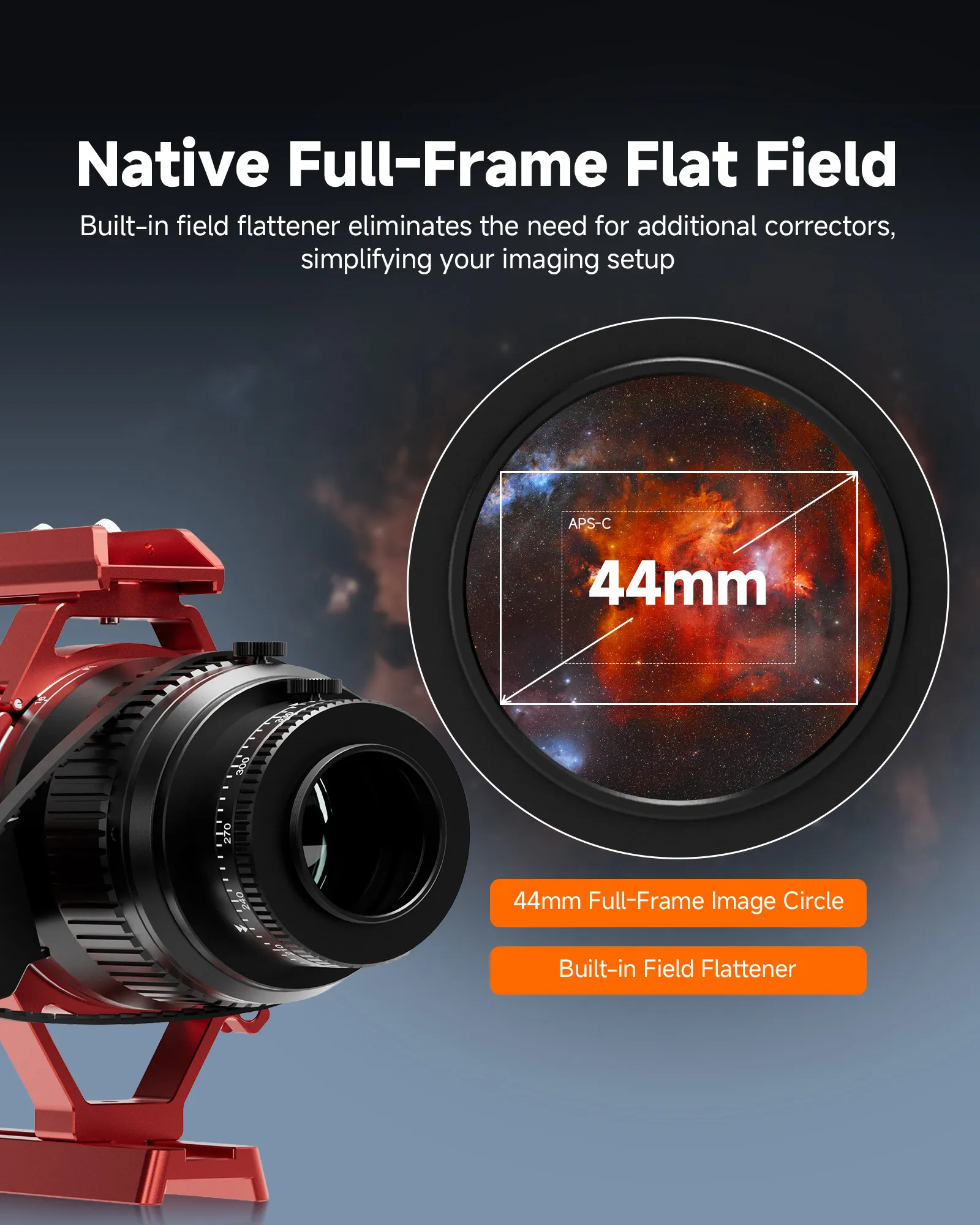
A telescope focal reducer is commonly used in astrophotography because many deep-sky objects cover a large area of the sky. The wider field allows more of the object to fit within the camera frame while improving imaging efficiency. Some advanced reducers also include field flattening elements. These reducer-flatteners help correct edge distortion caused by field curvature, producing more consistent star shapes across the entire image area.
A focal telescope reducer shortens the effective focal length of a telescope optical system. Its primary function is to provide a wider field of view and reduce the focal ratio, allowing astronomers to capture larger sections of the sky or improve imaging efficiency.
For astrophotography, a focal telescope reducer can help match a telescope’s image scale with a camera sensor. This is particularly useful when photographing extended objects that may not fit well at the telescope’s native focal length.
For visual astronomy, a focal reducer can make viewing large objects more comfortable by increasing the visible sky area. Objects such as open clusters, large nebulae, and wide star fields can benefit from this expanded perspective.
The actual effect depends on the reducer ratio. For example, a 0.8x reducer provides a moderate reduction, while a 0.5x reducer creates a more significant change in focal length and field coverage.
Telescope reducers work by using specially designed optical elements that compress the light cone produced by the telescope objective. These lenses are placed behind the main telescope optics and before the eyepiece or camera, changing the effective focal length of the system.
When light passes through a reducer, the image is concentrated onto a smaller area while maintaining the telescope’s aperture. As a result, the telescope operates at a shorter focal length and faster focal ratio.
The performance of a focal reducer depends on optical design, spacing distance, and compatibility with the telescope. Correct back focus distance is especially important for astrophotography because incorrect spacing can affect image sharpness, field correction, and star shapes.
Some advanced reducer designs combine reduction with field flattening to improve image quality across larger camera sensors.
A focal length reducer reduces the effective focal length of a telescope lens system by adding an additional optical element that modifies the path of incoming light. In astronomy, this is typically achieved by installing a focal reducer between the telescope and the camera or eyepiece.
- The amount of reduction is determined by the reducer’s optical ratio. For example:
- A 0.8x focal reducer reduces the effective focal length by approximately 20%.
- A 0.5x focal reducer reduces the effective focal length by approximately half.
To use a focal length reducer correctly, astronomers must consider telescope compatibility, optical spacing, and the intended application. A reducer designed for astrophotography may require precise back focus adjustment, while a reducer used for visual astronomy may have different requirements. By selecting an appropriate focal length reducer, observers can adapt their telescope system for wider fields of view, improved imaging flexibility, and more efficient astronomical observation.
Selecting the appropriate focal reducer requires consideration of your telescope type, camera specifications, and observing objectives.
SV193 0.8x Reducer-Flattener
The SV193 0.8x Reducer-Flattener is designed specifically for the SV503 102ED refractor system. It combines focal reduction with field flattening functionality, helping astrophotographers achieve a wider field of view while improving edge-of-frame star performance. A reducer-flattener is especially useful for refractor astrophotography because refractor systems may naturally exhibit field curvature at the image plane. By correcting this effect while reducing focal length, the accessory helps create a more balanced imaging system.
0.5x Focal Reducer
The 0.5x Focal Reducer is designed to provide significant focal reduction for compatible telescope and imaging setups. A 0.5x focal reducer can effectively shorten the telescope’s focal length, producing a wider field of view that is useful for observing larger celestial targets. When selecting a reducer, users should confirm compatibility with their telescope, camera, eyepiece, and available back focus distance to ensure optimal performance.





 Google
 Amazon