Svbony Best Deals: Seasonal Saving on Astro & Sport Optics | Prime Day


Price Guarantee During the Deal

U.S. Warehouse Fulfillment

Free Shipping
(excl.remote locations)

30-Day Easy Return & Exchange

Warranty: 2+1 Years
(Extended 1 Year)


Master Your View with MK127 Telescope & Kits

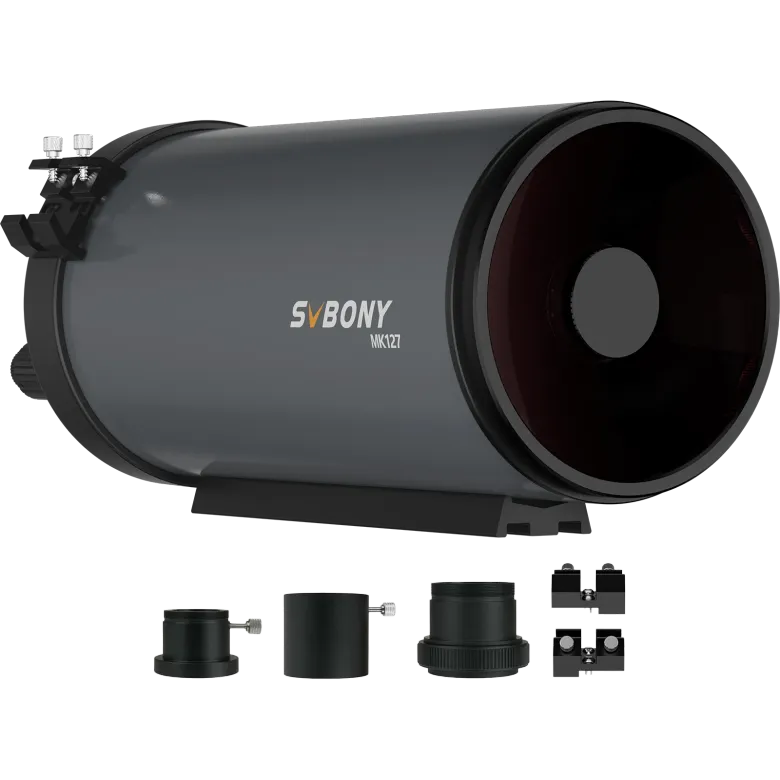
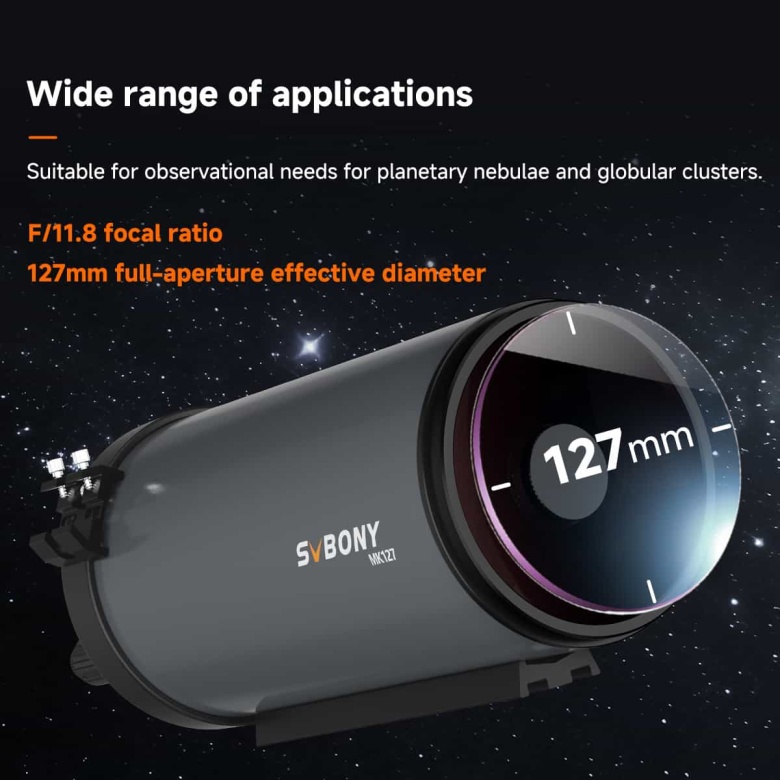
Maksutov-Cassegrain Telescope for Planetary Observation MK127 | Svbony
- High-Performance Optics
- 0.65X Focal Reducer
- 127mm Aperture
- Dual-Speed Focuser Design
- 1.25" and 2" interfaces
Compare the MK Camera Series Lineup

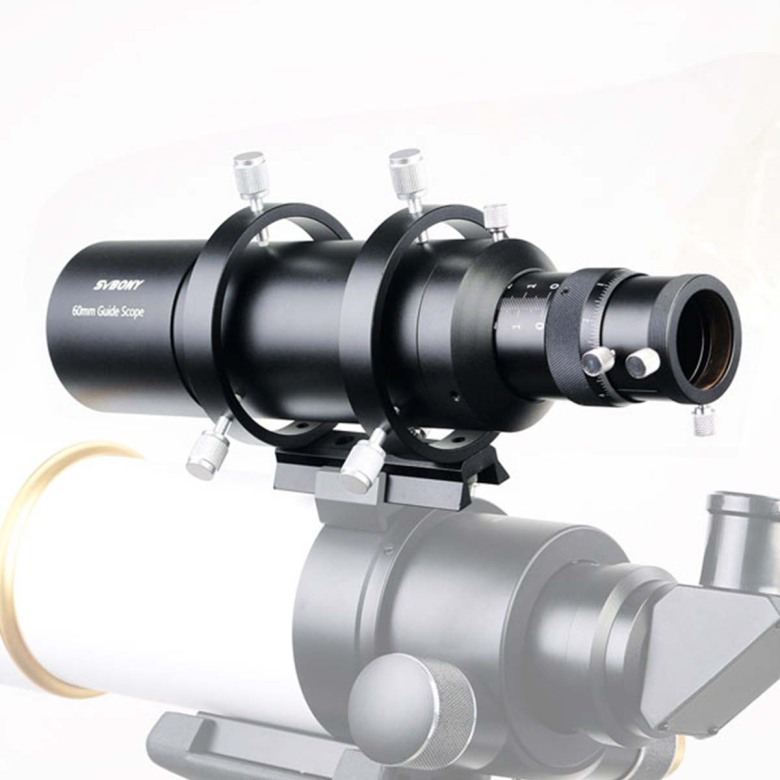
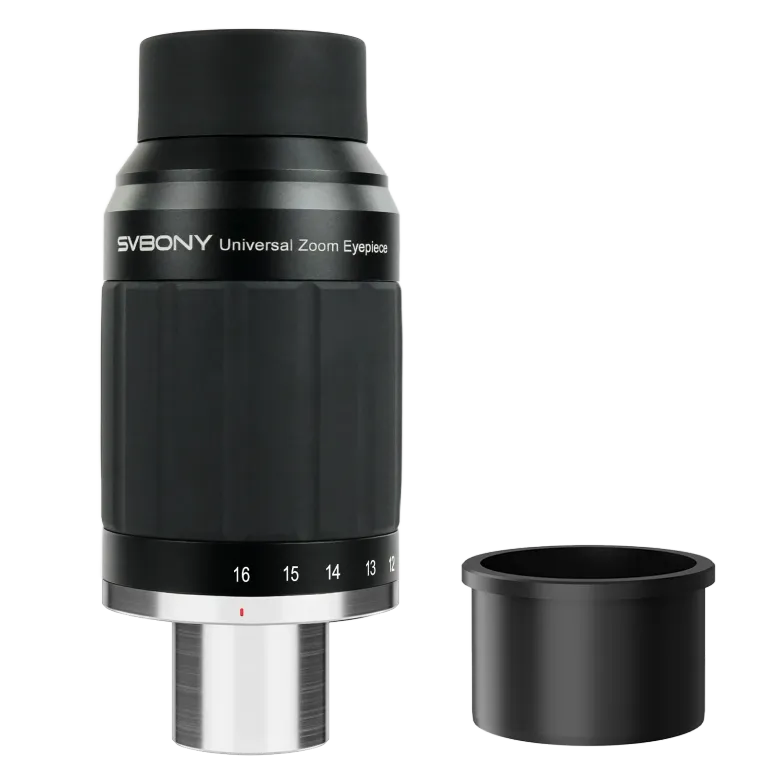
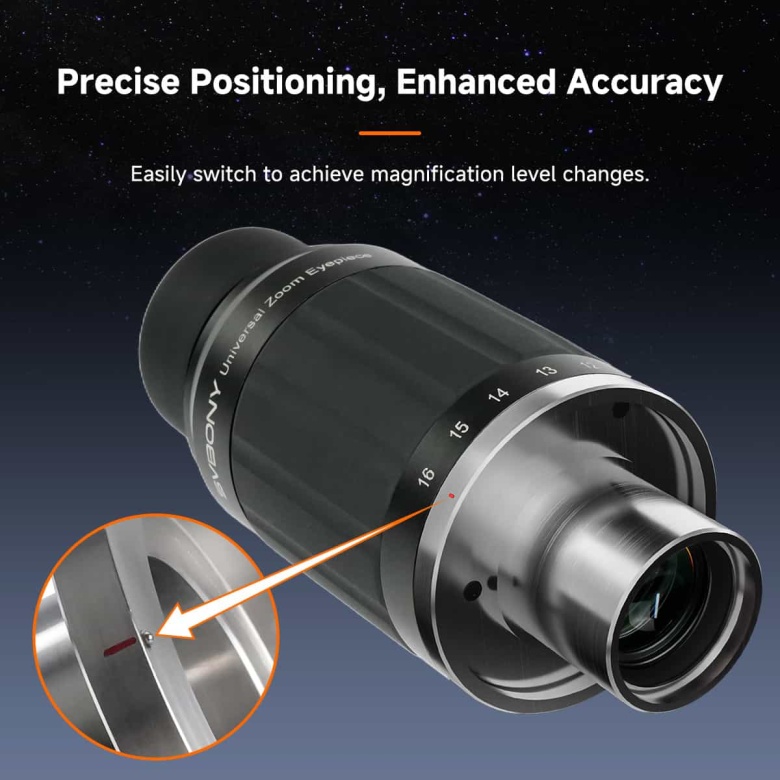
Astro Essential Accessories
From eyepieces to filters, we have you covered.
Don't Just Take Our Word for It
I've been using svbony products for about 4 years. Most recently I acquired the new SC571CC camera and the SV535 lens. While the attached image is certainly not perfectly processed, the result of just a few hours with this pair through, first, the SV240 filter and, later, the UV/IR Cut filter produced an excellent showcase of what this combination can deliver in terms of scale, color and sharpness over an immense patch of sky. I've attached a copy of this Barnard's Loop with Orion's belt and all the nebulosity that region offers.
I’m very pleased with the initial tests of this SC571CC camera. The image quality is on par with other brands using the same sensor, but at a much more affordable price point. This is my second SvBony camera; I’ve owned the SV405CC for over two years with excellent, trouble-free results. I also use an SV305PRO as a guide camera, which I highly recommend—the guiding precision I've achieved is impressive. I’m confident the new SC571CC will live up to my previous experiences. The brand consistently improves its products while maintaining high quality and very attractive pricing. Their filters, guide scopes, and other accessories certainly do not disappoint I also want to mention their sales team, who made the entire process easy and provided great support throughout the purchase
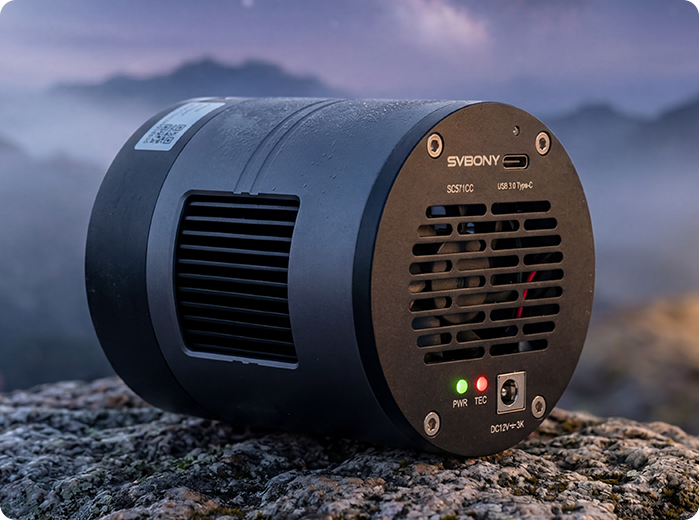
From my point of view, the SC571CC is positioned (at least a priori) at the same level as other cameras using the IMX571 sensor, but with a more competitive price, achieved by reducing certain features such as an integrated USB hub — something many astrophotographers usually value very positively. However, this is actually where the strategy becomes interesting. By offering the camera at a lower price point, users can allocate part of the savings to an external hub, which not only provides additional USB ports but also power outputs. In many real-world setups, this ends up being a more flexible and scalable solution, especially for portable or semi-remote configurations. From this perspective, I think the strategy makes a lot of sense. As a personal example, I currently use a SVBONY SV405 in my observatory paired with a Samyang 135 mm lens, achieving excellent results. This kind of setup clearly shows that SVBONY products can deliver very strong performance in real conditions. All in all, I believe this camera is very good news for the astronomical community, as it lowers the barrier to access serious astrophotography while keeping quality high.
Yes, i am willing to get that SVBony regardless of the features, i mean i can get more or slightly higher standards from other brands, but i don't need those features always, not if i know how to use it as it is, i have 3 571 cameras it doesn't mean all must be the same exactly, i won't use them all together exactly the same maybe, at the end i always can find a way to get around missing things, for example that USB2.0 hub is definitely not necessary for me if the setup is just a backup small or less items used, i won't use a filter wheel, and with a power box i definitely can live without camera hubs, but the main question will be, will SVBony pricing the camera less for real!!!
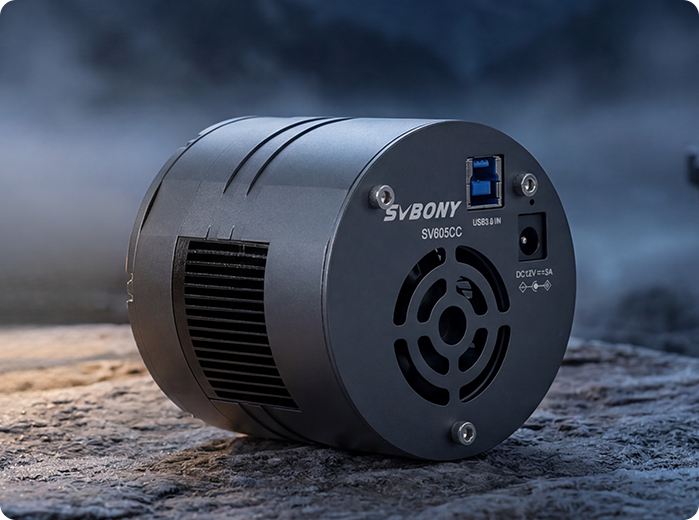
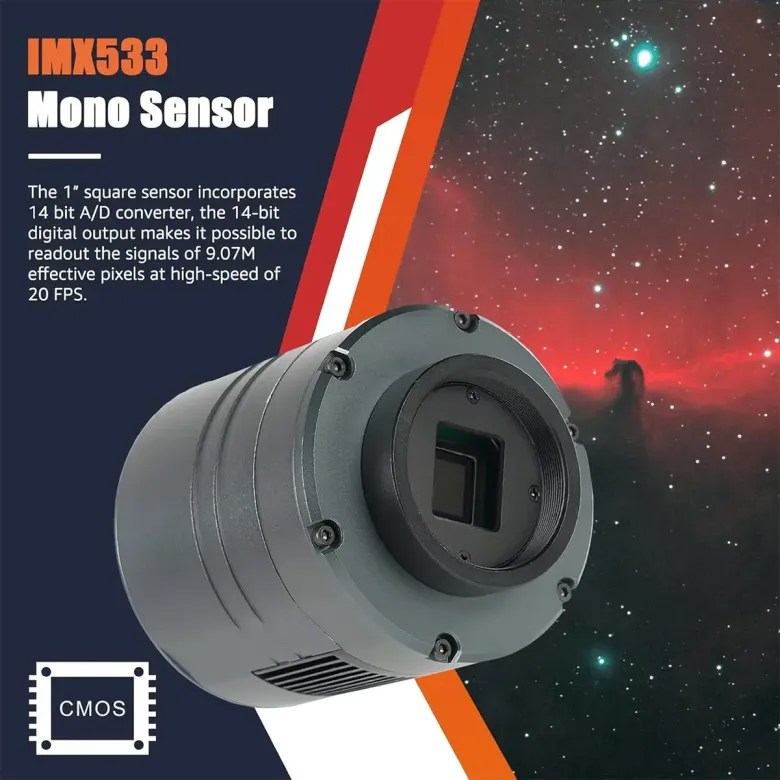
I recently purchased the Svbony SV605CC and I am very satisfied with my choice. - Build quality: the camera feels solid and well-made, with a reliable finish. - IMX533 sensor: having access to this powerful sensor for almost half the price of competitors is a major advantage. - Software compatibility: integration with programs like NINA or SharpCap is smooth and straightforward, making setup easy. In summary, the SV605CC offers an outstanding price-to-performance ratio and fits perfectly into a modern astrophotography workflow. I highly recommend it to anyone looking for a capable camera without breaking the bank.
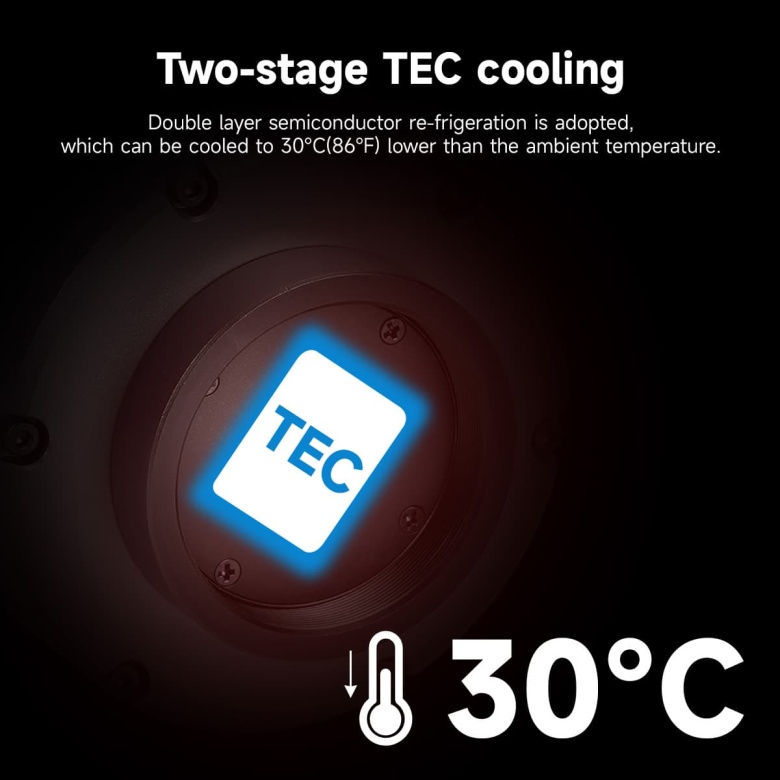
The 605CC OSC camera has a great performace, it can be used on short focal scopes and for longer focal scopes perfoms very well too. It´s IMX533 has zero amp glow making so easy taking the calibrating frames. The cooled device works correctly in a down range of -15º to -20º from the outside temperature, it gets around 50%-60% of its power suply. Very nice symbiosis with NINA and Sharcap, its native driver allows to work properly without any inconvinnence. But the bunch is on its price-value, there isn't any other place where you can find the IMX533 at this price. It´s a hugely commended camera, it will noy dissapoint you.
When you break away from the dslr and are looking for a dedicated astrophotography camera, the SVbony SV605cc is a great choice for those on a budget. It pairs well with NINA and produces some very quality pictures (when you get clear skies :) ). I bought this after having more success with the SV405cc (also a great camera) but I feel like the smaller 1 inch by 1 inch IMX533 sensor is a better choice for me. This camera paired with the SV503 80ED scope have been a game changer for me as a new amateur astrophotographer. I did get some amp glow very rarely with the SV405CC (common for the IMX294 sensor) however the IMX533 in the SV605cc hasn't had any issues.
I've finally got some time to gather light under the winter night skies after receiving this camera as my first cooled astrocamera. It is a change after Canon EOS 600D! I expected better results for near-IR part of the spectrum, but, oh boy, I really saw the difference when I took pictures of the broad-band objects (M45 and M33). It is fantastic how much of a difference cooling can make to the noise when shooting from the city center of Brno (Bortle 7-8). I definitely recommend you to try this camera if you are planning to switch from DSLRs. It is affordable and has a lot of positives: low noise, almost no apm-glow (I see some in the corner, but it is cropped out with dithering margins anyway). I use it with a Sky-Watcher 72ED, so the resolution is about 2.7" per pixel, so I cannot see whether the cooling fan adds some vibration to the picture or not, it should be fine with smaller focal lengths. As a drawback, I can only see the cooling not being powerful enough for the warmer countries, but in Europe it is enough to cool the camera to -5 degrees during autumn/spring and -15 during winter.
The SVBONY MK127 is a 127mm (5") Maksutov-Cassegrain optical tube assembly (OTA) that punches well above its price class. Featuring a Rumak-style optical design with a separate secondary mirror, a 1500mm focal length, and a native f/11.8 focal ratio, this compact telescope is engineered for high-contrast lunar, planetary, and double-star observations. PROS: Advanced Rumak Optical Design: Unlike standard Gregory-Maksutovs with an aluminized spot on the corrector lens, the MK127 uses an independent secondary mirror. Combined with a 99% reflectivity dielectric coating, this corrects for coma and astigmatism, delivering a remarkably flat field and pin-sharp star images. Dual-Speed Internal Focuser: Achieving precise focus at long focal lengths can be challenging. The integrated dual-speed mechanism (coarse and fine adjustments) makes focusing effortless and smooth, even when targeting fine details on Jupiter or Saturn. Included 0.65x Focal Reducer: This is a major selling point. The custom-matched reducer drops the focal ratio to a faster f/7.8, transforming a traditionally slow planetary scope into a capable tool for wide-field deep-sky imaging. Superb Build & Portability: Weighing under 3kg, its robust metal construction features dual finderscope shoes and versatile SCT threads that accept 1.25" and 2" accessories. CONS: Thermal Acclimation Time: Due to the thick front meniscus lens and sealed tube, the MK127 requires significant time to cool down to ambient temperature before delivering optimal, stable views. Narrow Native Field of View: At f/11.8, tracking fast objects or viewing large deep-sky targets (like the Andromeda Galaxy) is difficult without installing the included focal reducer. OTA Only: It is sold strictly as an optical tube, meaning beginners will need to purchase a mount, tripod, diagonals, and eyepieces separately. VERDICT: The SVBONY MK127 redefines the value of a 5-inch Maksutov. With its flat-field optics and included focal reducer, it bridges the gap between planetary observation and deep-sky astrophotography in a highly portable package.
The OTA shipped very fast - given the holiday season - and was well packaged and easy to set up. I've added a 2" diagonal for visual observation, and connected my ASI585MCPro for planetary work; cloudy skies and short (NZ summer!) nights have meant I haven't done a full imaging workout yet, but I've aiming at daytime targets 8km away I'm getting crisp, clean, sharp images that compare well to the 10" Dob given the aperture differences. Very happy customer.
Got a couple of shots last night with first light for the SVBony MK127 Rumac Maksutov. Used ay 1500mm focal length. Camera was ASI2600MC Air. Collimation seemed okay. Of interest is the Supernova in Galaxy 7331. Just to the bottom left of the Galactic core. Got the Bubble Nebula also. Slight issue with tracking for some reason.Maybe because image circle of the Mak is too small to illuminate the Guide sensor in the ASI2600 Air. I will try an external guide setup next time.
Join Our Community and Share Your Work