High-Performance Planetary Cameras
Svbony planetary cameras deliver high frame rates, sensitive CMOS sensors, and excellent resolution for capturing lunar, planetary, and solar features. Models such as the SV705C, SV305C Pro, and SV905C offer reliable guiding support, low noise levels, and compatibility with common guide scopes. These cameras provide stable imaging performance for both planetary recording and precision telescope tracking.

HOT
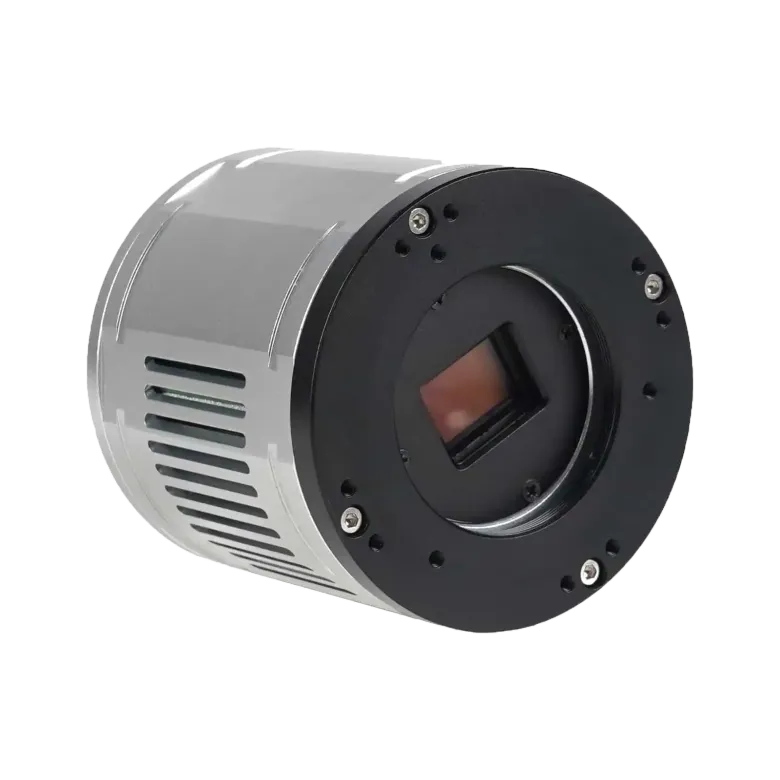
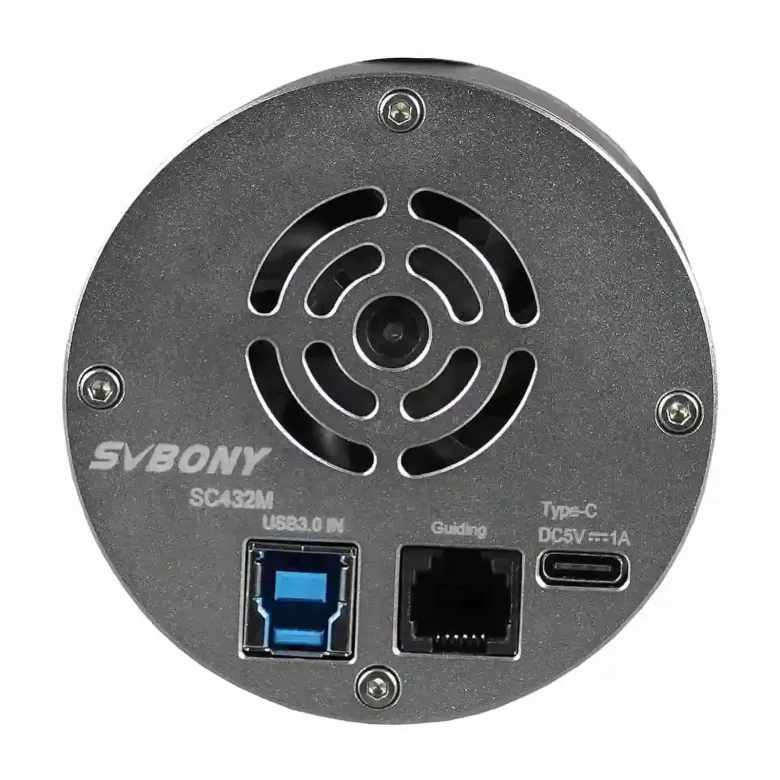
Mono Solar Camera | SVBONY SC432M
[{"Title":"Global Shutter","Content":"High frame rate of 120 frames per second"},{"Title":"Large Pixel","Content":"SC432M pixels are 9\u03BCm x 9\u03BCm for more detailed images"},{"Title":"1.1-inch Frame","Content":"Larger shooting area for less post-processing"},{"Title":"Fan Cooling","Content":"Longer exposures reduce noise for better image quality"},{"Title":"HCG","Content":"Turning on the HCG mode at a gain value of 140 dramatically lowers the readout noise while maintaining high dynamic range, avoiding celestial drag"}]
HOT
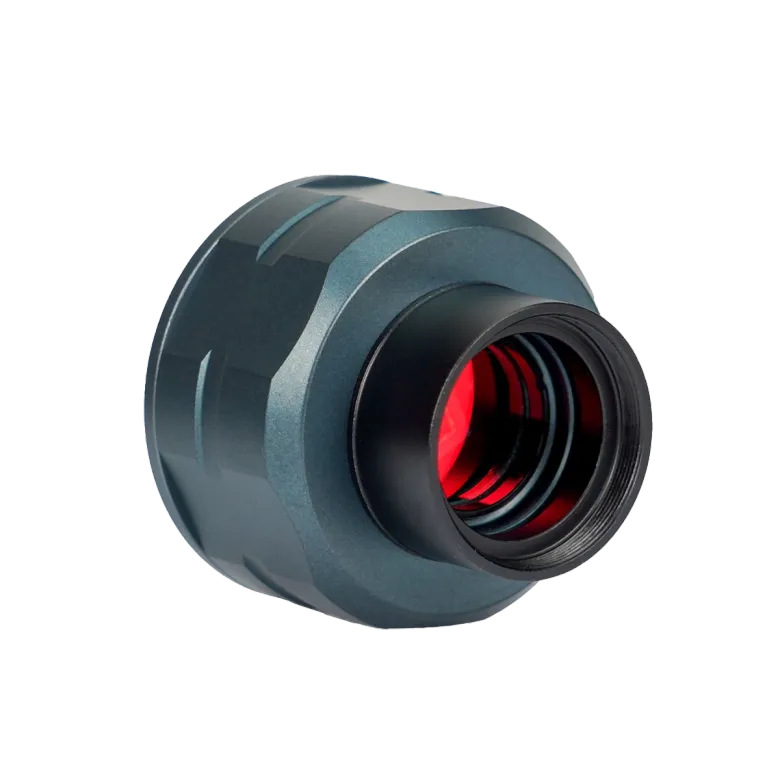
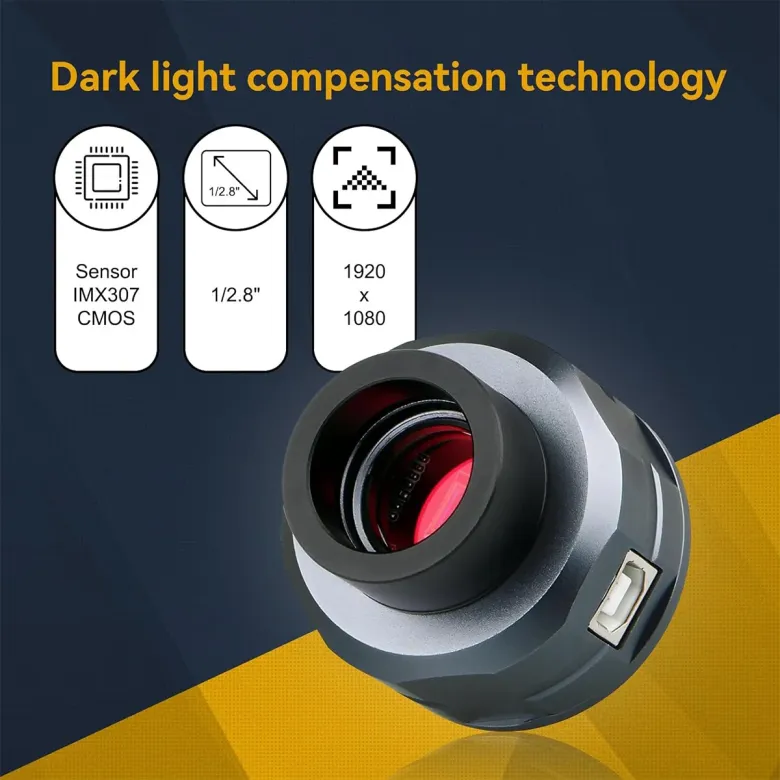
Beginner Planetary Camera | SVBONY SV105
[{"Title":"High-Resolution Imaging","Content":"Features a 1/2.8\u0022 IMX307 sensor, offering up to 30FPS at 1920x1080 resolution and 2K video recording for crisp, high-speed video capture."},{"Title":"Dark Light Compensation","Content":"The camera\u2019s dark light compensation technology significantly enhances clarity in low-light conditions, ensuring high-quality images without pixel vignetting."},{"Title":"Plug-and-Play Functionality","Content":"Enjoy plug-and-play ease, with no drivers required. Compatible with Windows, Linux, and Android for seamless real-time dynamic observation."},{"Title":"Versatile Telescope Compatibility","Content":"Fits standard 1.25\u0022 threaded M28.5x0.6 connections and is compatible with telescope filters for flexible and easy integration into your setup."},{"Title":"Ideal for Beginners","Content":"The SV105 is a beginner-friendly electronic telescope eyepiece, perfect for new astrophotographers looking to capture the Moon, planets, and terrestrial targets."}]
HOT
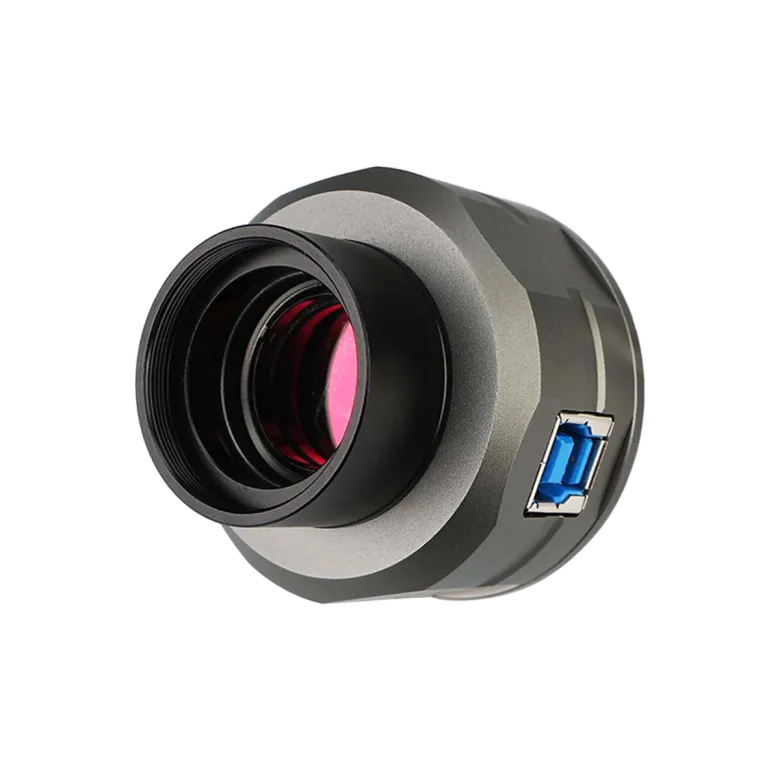
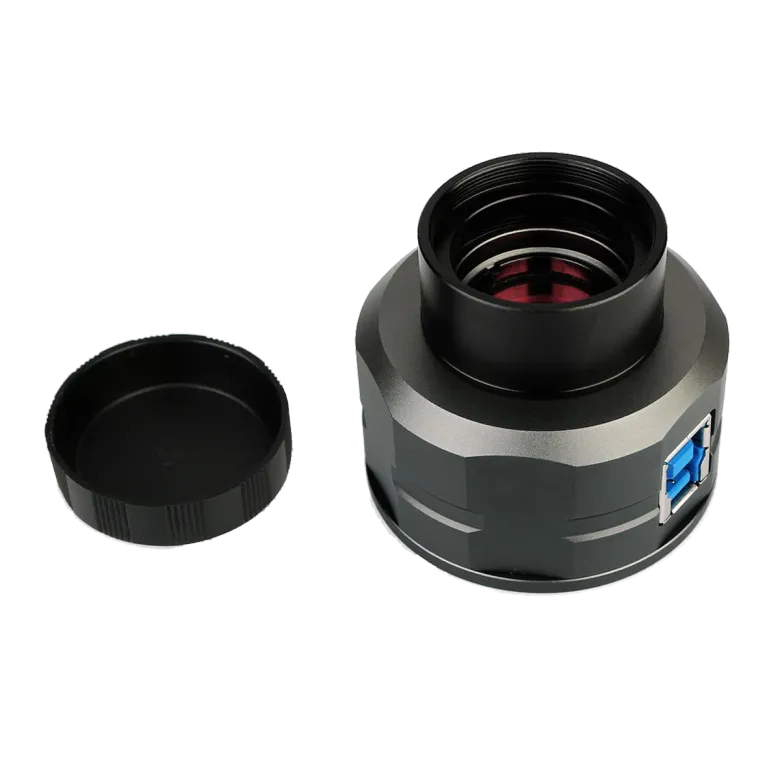
Planetary Camera | SVBONY SV205
[{"Title":"High-Resolution Imaging","Content":"Equipped with a SONY IMX415 CMOS sensor, the SV205 delivers high-quality, clear images, ideal for astronomy photography."},{"Title":"Plug-and-Play","Content":"Supports USB3.0 Type-B, and works without needing drivers, offering easy plug-and-play functionality for beginners."},{"Title":"Dark Light Compensation","Content":"The camera\u0027s dark light compensation technology enhances image clarity, especially in low-light conditions, for better celestial captures."},{"Title":"Smooth Video Capture","Content":"Records in MJPG video format with up to 30FPS at 2K resolution (1920x1080) for clear, smooth real-time video streaming."},{"Title":"Versatile Telescope Compatibility","Content":"Comes with a 1.25\u0022 machined aluminum adapter barrel, allowing for direct connection to almost any telescope for seamless integration."}]
HOT
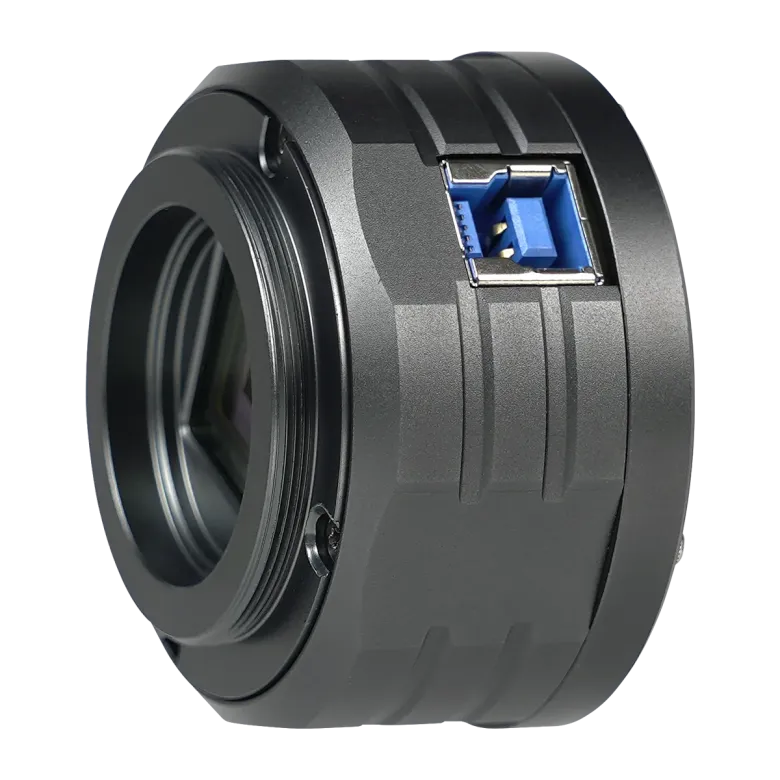
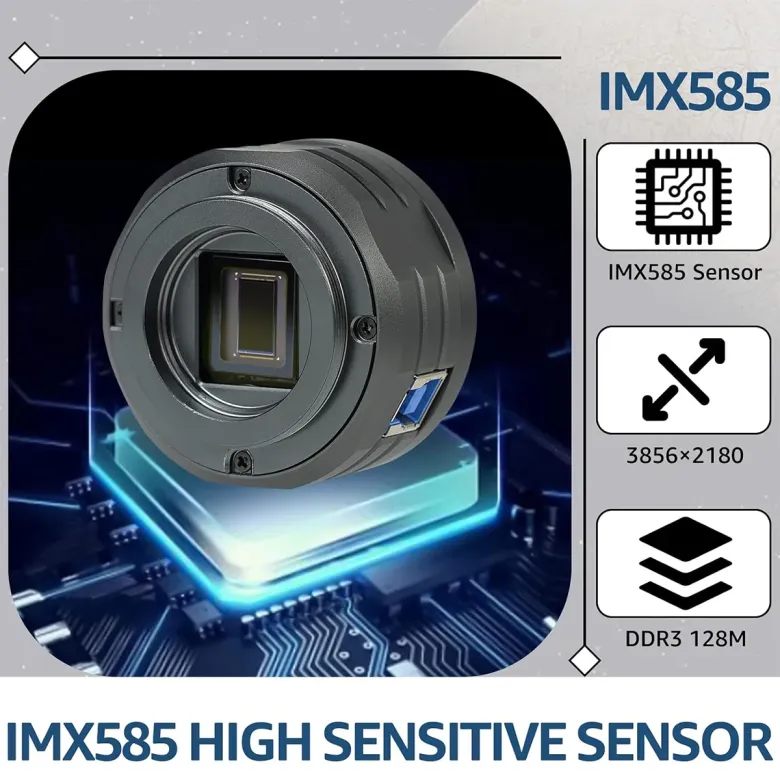
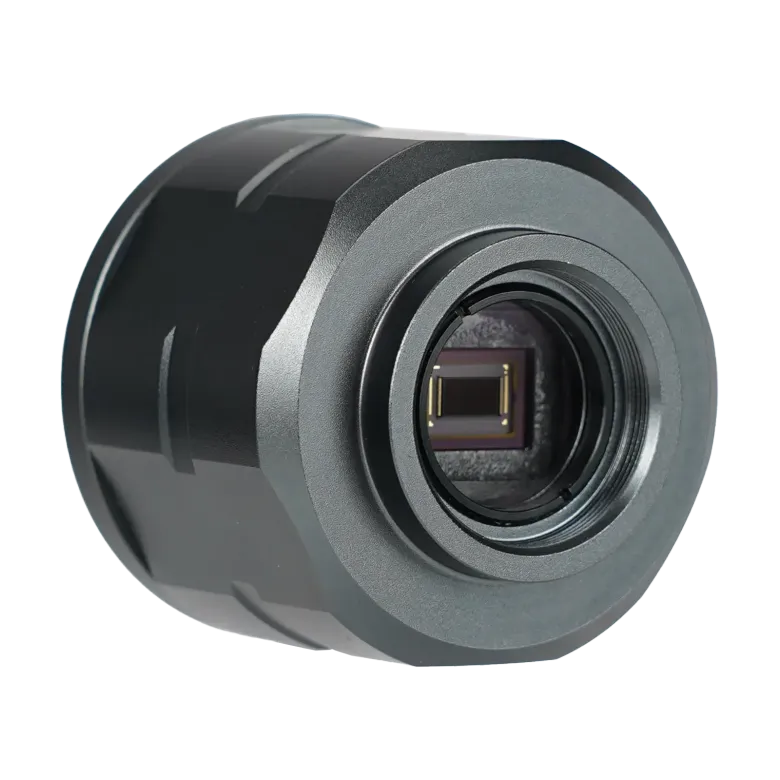
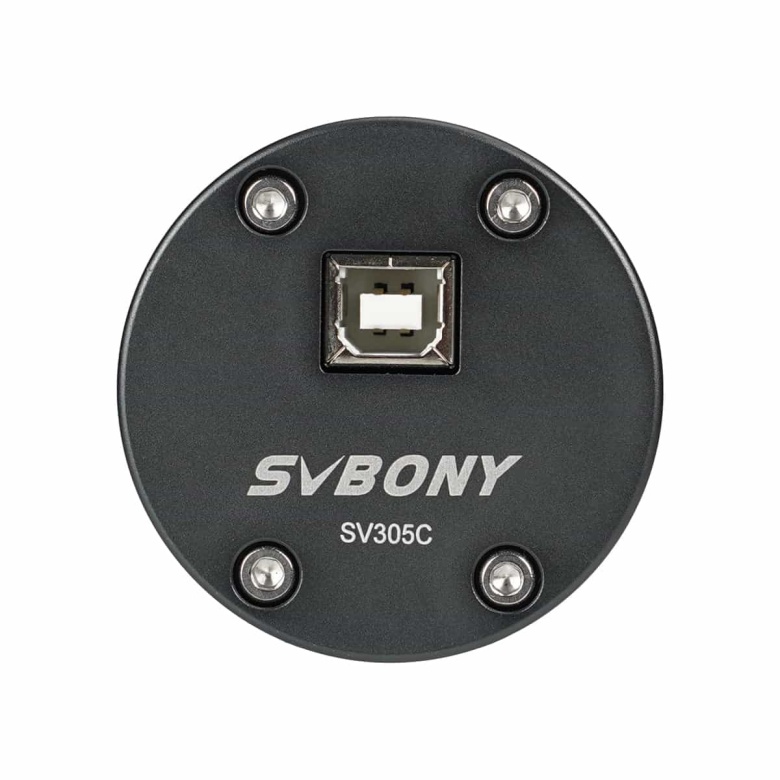
Color Planetary Camera | SVBONY SV705C
[{"Title":"Superior Sensitivity","Content":"With a back-illuminated design and 38ke full well charge, the IMX585 sensor offers increased sensitivity (1.7x more than IMX485), allowing for detailed imaging even in low light conditions."},{"Title":"High-Speed Imaging","Content":"The IMX585 CMOS sensor delivers up to 45 fps with extremely low readout noise, enhancing planetary imaging and EAA with fast, clear captures."},{"Title":"Wide Dynamic Range","Content":"The dual-gain HCG technology allows the camera to retain a high dynamic range at high gain, greatly reducing read noise and improving image quality across various lighting conditions."},{"Title":"Near-Infrared Sensitivity","Content":"The SV705C camera significantly enhances near-infrared sensitivity, capturing more celestial details in the same exposure time, ideal for deep-sky and nebula imaging."},{"Title":"Perfect for Planetary \u0026 Nebula Imaging","Content":"Ideal for planetary imaging, EAA, and nebula imaging, the 1/1.2-inch frame captures rich celestial details with 90% peak quantum efficiency for clear, high-contrast images."}]
HOT
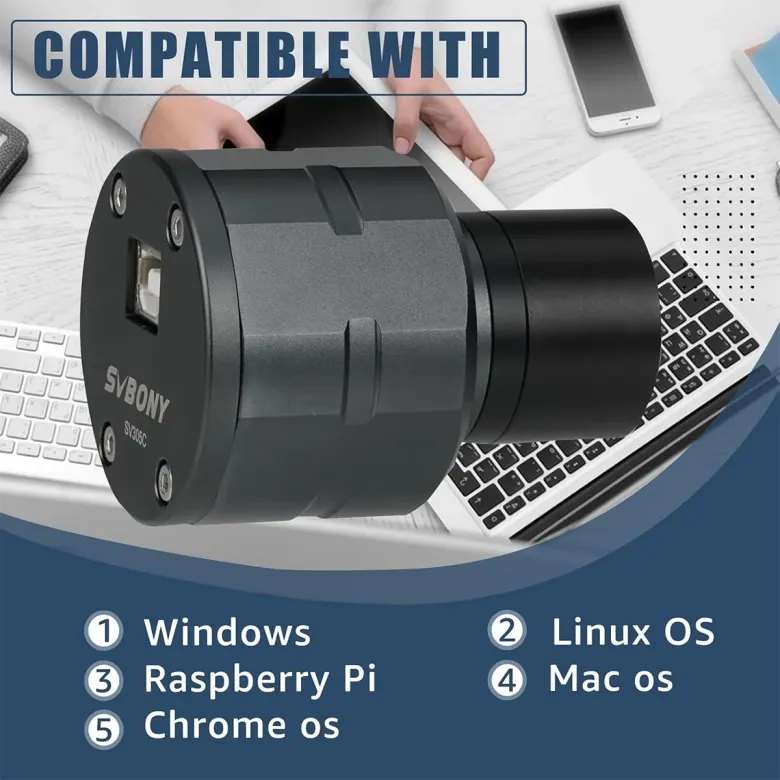
Planetary Camera | SVBONY SV305C
[{"Title":"Advanced IMX662 Sensor","Content":"The SV305C features the latest IMX662 1/2.8\u201D back-illuminated sensor, offering ultra-high sensitivity and ultra-low readout noise for superior planetary and lunar surface imaging."},{"Title":"HCG Noise Reduction Technology","Content":"The HCG noise reduction technology automatically activates at gain 190, reducing readout noise while preserving high dynamic range for both low and high-gain settings."},{"Title":"Ideal for EAA and Planetary Imaging","Content":"Perfect for EAA (Electronically Assisted Astronomy), the SV305C excels in planetary photography and lunar surface imaging, offering enhanced clarity and performance."},{"Title":"One-Key Quick Setting","Content":"With one-key quick settings in SharpCap software, switch between high-speed mode and deep space long exposure mode for easy and efficient astrophotography based on your needs."},{"Title":"UV/IR CUT Glass","Content":"Equipped with UV/IR CUT protective glass, the camera blocks unwanted ultraviolet and infrared light, ensuring clearer images with accurate colors while protecting the sensor from distortion."}]
HOT
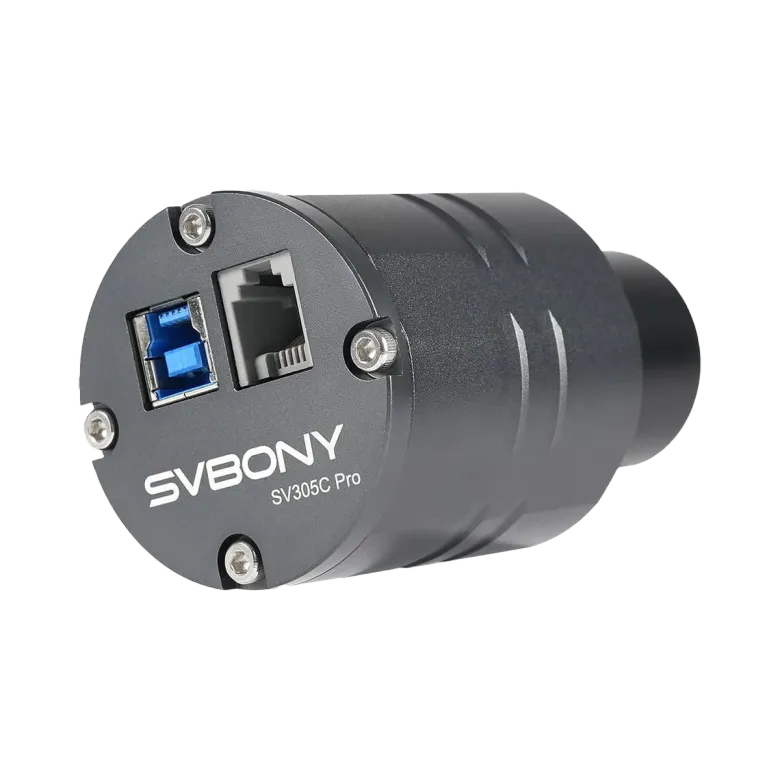
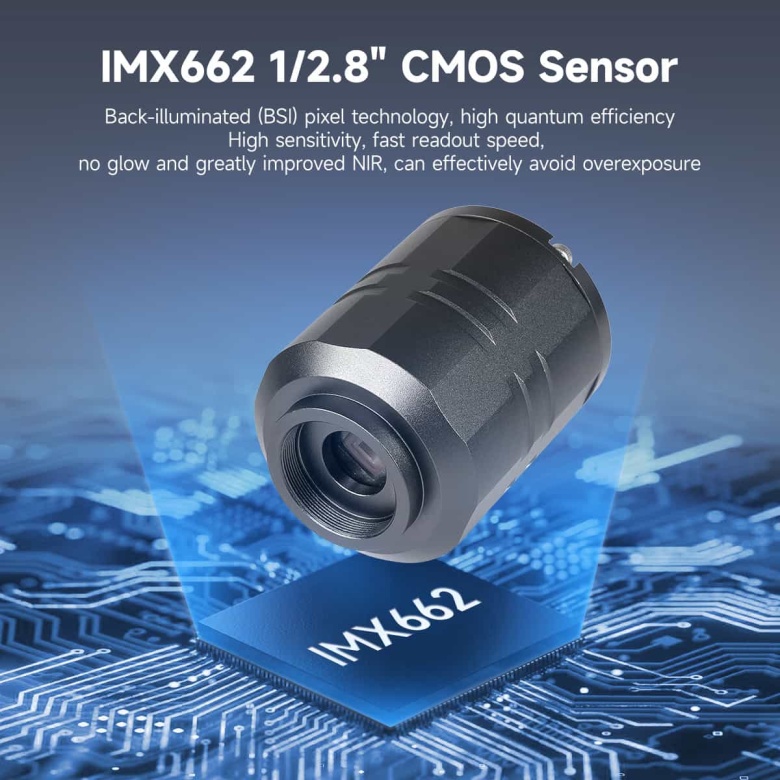
USB3.0 Guiding Camera | SVBONY SV305C Pro
[{"Title":"Low Noise for Clear Details","Content":"With a readout noise of just 0.7e-, this camera ensures cleaner, more detailed images, minimizing interference and enhancing your astrophotography results."},{"Title":"Fast Data Transfer with USB 3.0","Content":"The USB 3.0 interface offers 5Gbps transfer speed, 10x faster than USB 2.0, ensuring efficient workflow and smooth data transmission during long exposure captures."},{"Title":"Versatile Guiding \u0026 Compatibility","Content":"Equipped with an ST4 guiding interface, it\u2019s compatible with PHD2/ASCOM, offering precise celestial tracking. Works seamlessly with various telescopes and guiding equipment."},{"Title":"High Frame Rate for Sharp Imaging","Content":"Capture fast-moving planets like Jupiter and Saturn in 1920\u00D71080 resolution at 99FPS, delivering crisp, high-quality images without motion blur."},{"Title":"Advanced Sensor Technology","Content":"The IMX662 1/2.8\u0022 CMOS sensor features back-illuminated (BSI) pixel technology, offering high sensitivity, improved near-infrared performance, and reduced overexposure for low-light planetary imaging."}]
HOT
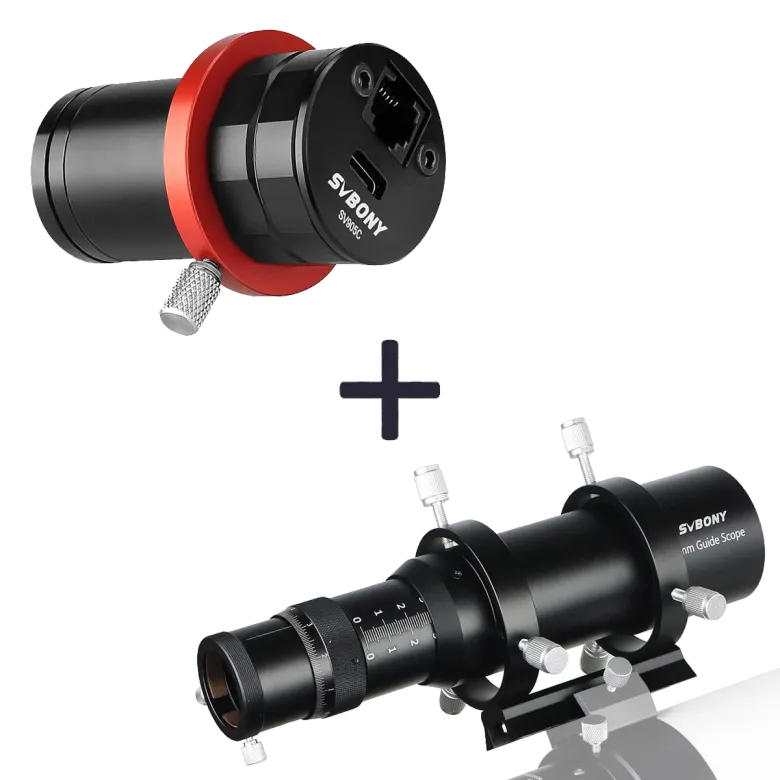
Camera & Guide Scope Set | SVBONY SV305C
[{"Title":"All-in-One Astrophotography Solution","Content":"The SV305C 2MP astronomy camera combined with the SV165 60mm finder scope offers an easy, high-performance setup for capturing stunning astronomical images."},{"Title":"High-Resolution Imaging","Content":"The SV305C features a 2MP sensor for sharp, detailed views, perfect for planetary imaging and deep-sky observation."},{"Title":"Accurate Guiding with SV165","Content":"The SV165 60mm guide scope ensures precise alignment, making it ideal for autoguiding and helping you capture longer, more detailed exposures."},{"Title":"Compact and Portable Setup","Content":"This combination is lightweight and portable, making it a great choice for on-the-go astrophotography and easy setup at home or in the field."},{"Title":"Easy Compatibility","Content":"Both the SV305C camera and SV165 guide scope are compatible with a wide range of telescopes and mounts, providing flexibility for different observation and imaging needs."}]
HOT
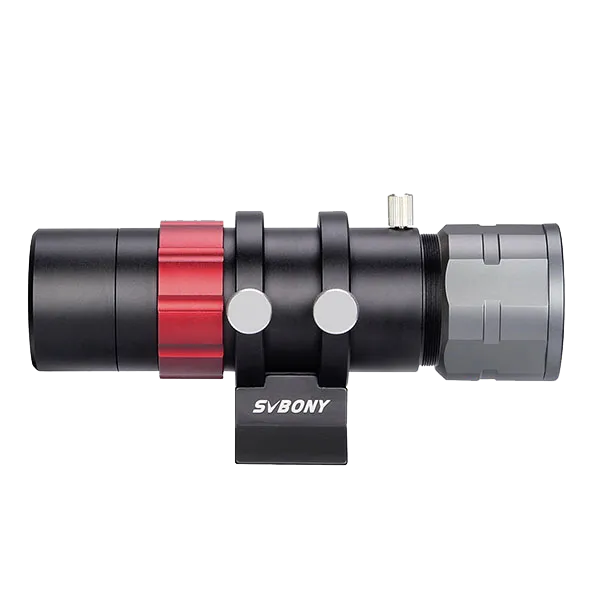
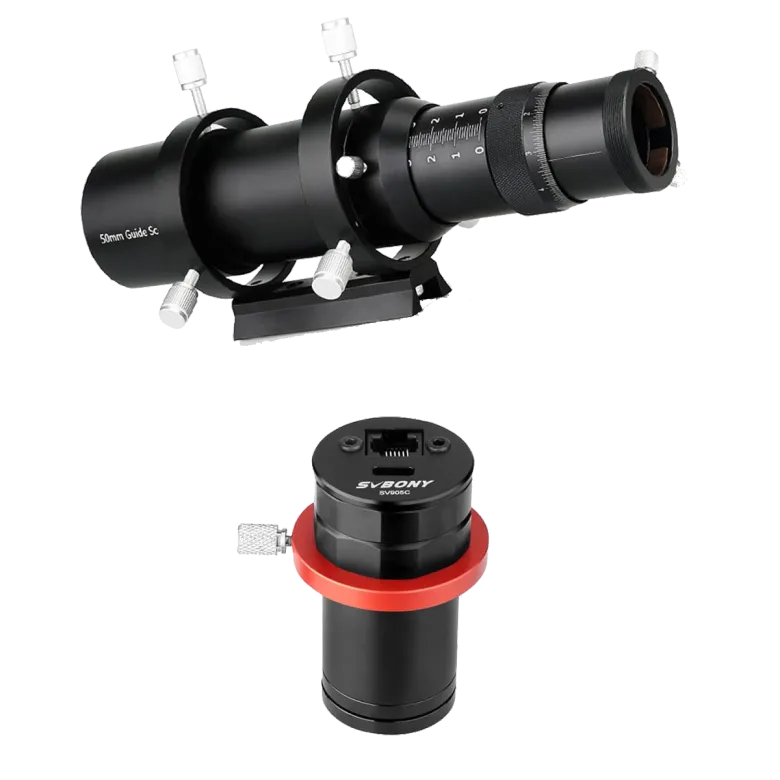
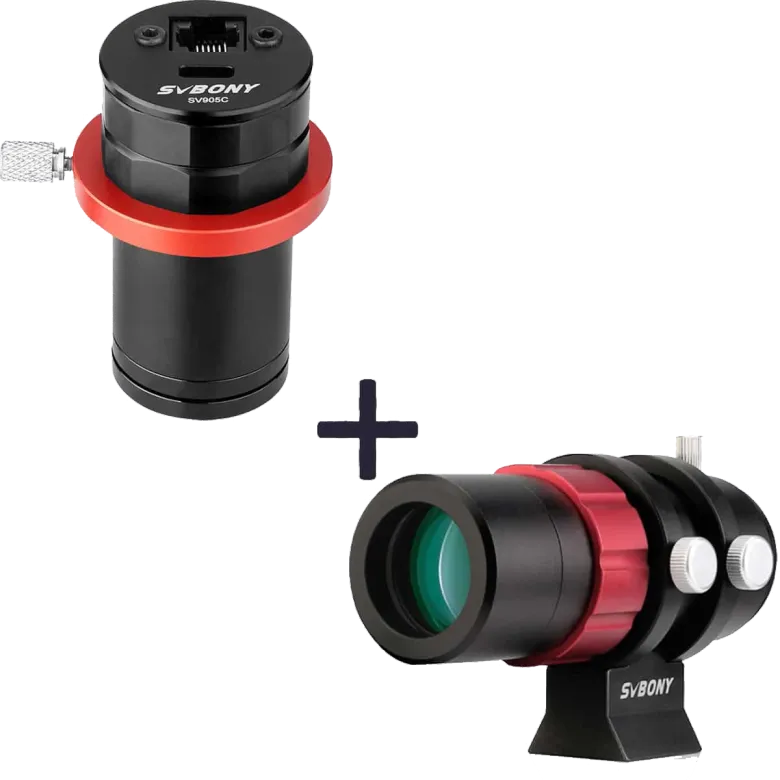
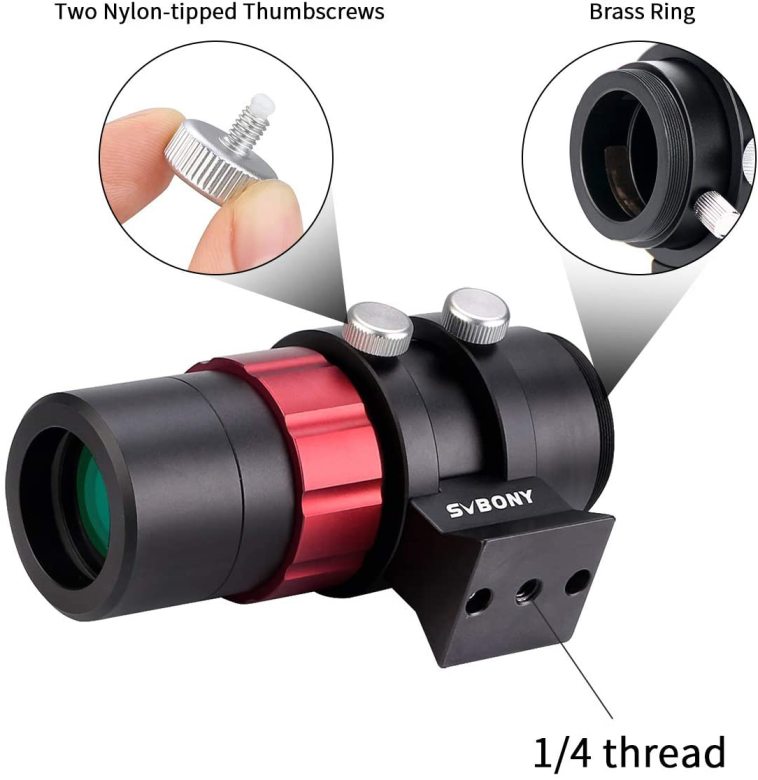
Auto-Guiding System | SV106/SV905C
[{"Title":"Easy Fine Focusing","Content":"Equipped with a machined knurled ring, the guide scope makes fine focus adjustments smooth and easy, allowing precise focus for better results."},{"Title":"Secure Focus Locking","Content":"The guide scope features a thumbscrew that locks the focuser in place, ensuring the focus remains stable during long-exposure imaging sessions."},{"Title":"Sturdy \u0026 Reliable Performance","Content":"Built to last, the SV905C and SV106 provide reliable, high-performance guiding for astrophotographers seeking to capture deep-sky objects with precision"},{"Title":"High-Quality Astrophotography","Content":"The 50mm guide scope ensures precise guiding, helping you capture higher-quality astrophotos with sharper details and more accurate tracking."},{"Title":"Ideal for Deep-Sky Photography","Content":"The SV905C guiding camera paired with the SV106 50mm guide scope forms a popular and sturdy autoguiding system ideal for deep-sky-object astrophotography."}]
HOT
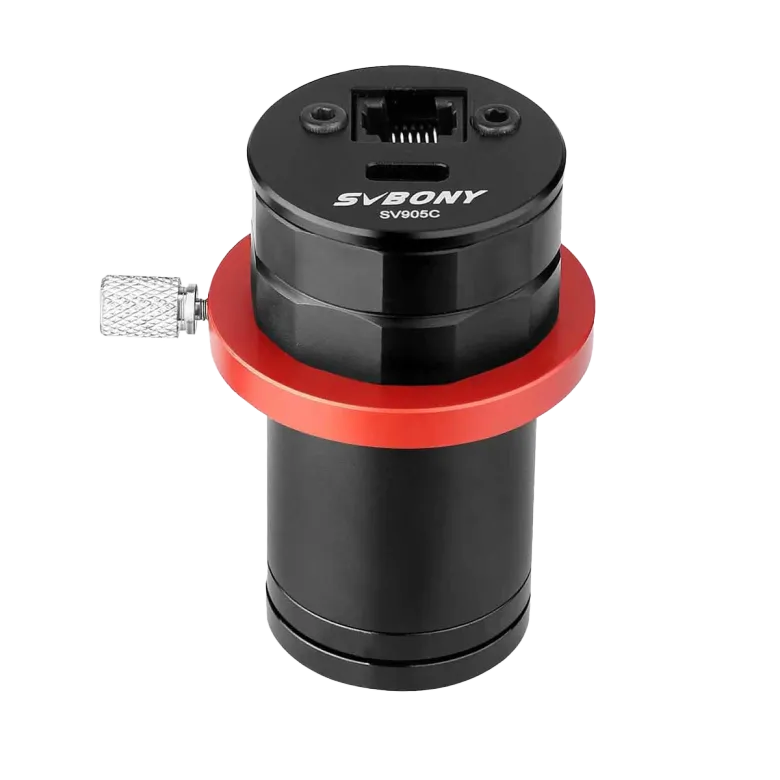
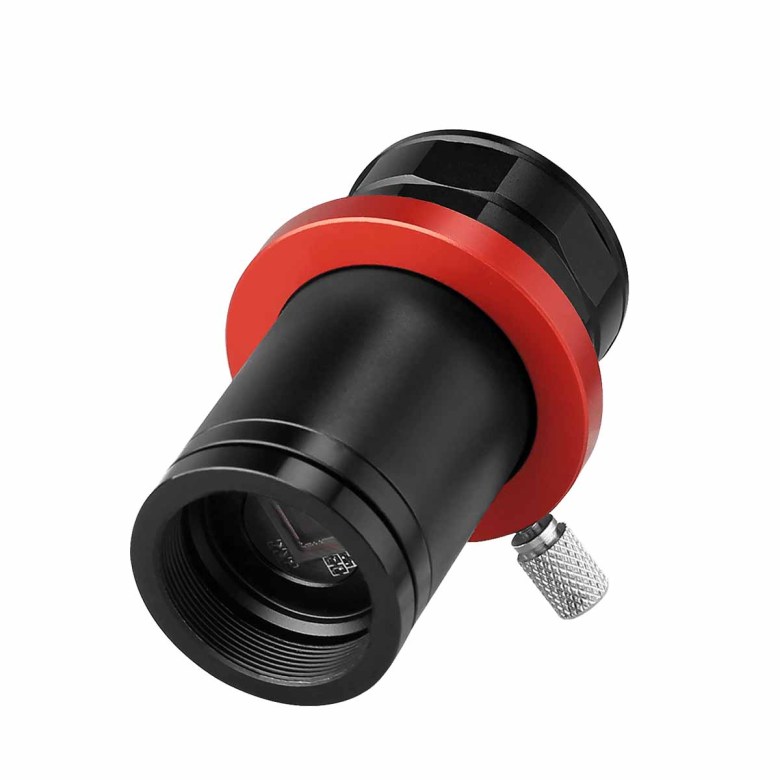
Guide Camera&Scope | SV905C/SV165
[{"Title":"Ultra-High Peak Quantum Efficiency","Content":"With 80% peak quantum efficiency and low read noise, the camera delivers exceptional guide star tracking accuracy, even in challenging conditions"},{"Title":"Achromatic Optics for Sharp Imaging","Content":"The SV165 guide scope uses 30mm achromatic optics and a fully multilayer coated lens, ensuring bright, sharp images without reflections."},{"Title":"High-Sensitivity CMOS Sensor","Content":"The SV905C features a 1.23-megapixel color camera with a 1/3\u201D CMOS sensor (1280x960), providing high sensitivity for tight tracking of faint guide stars."},{"Title":"Compact \u0026 Portable","Content":"The compact 30mm/120mm F4 design of the SV165 guide scope makes this system highly portable, ideal for astrophotographers who need a lightweight guiding solution on the go."},{"Title":"Cost-Effective Guiding System","Content":"The SV905C guiding camera paired with the SV165 mini guide scope offers an affordable, practical solution for precise autoguiding and planetary imaging."}]
HOT
Guide Camera | SVBONY SV905C
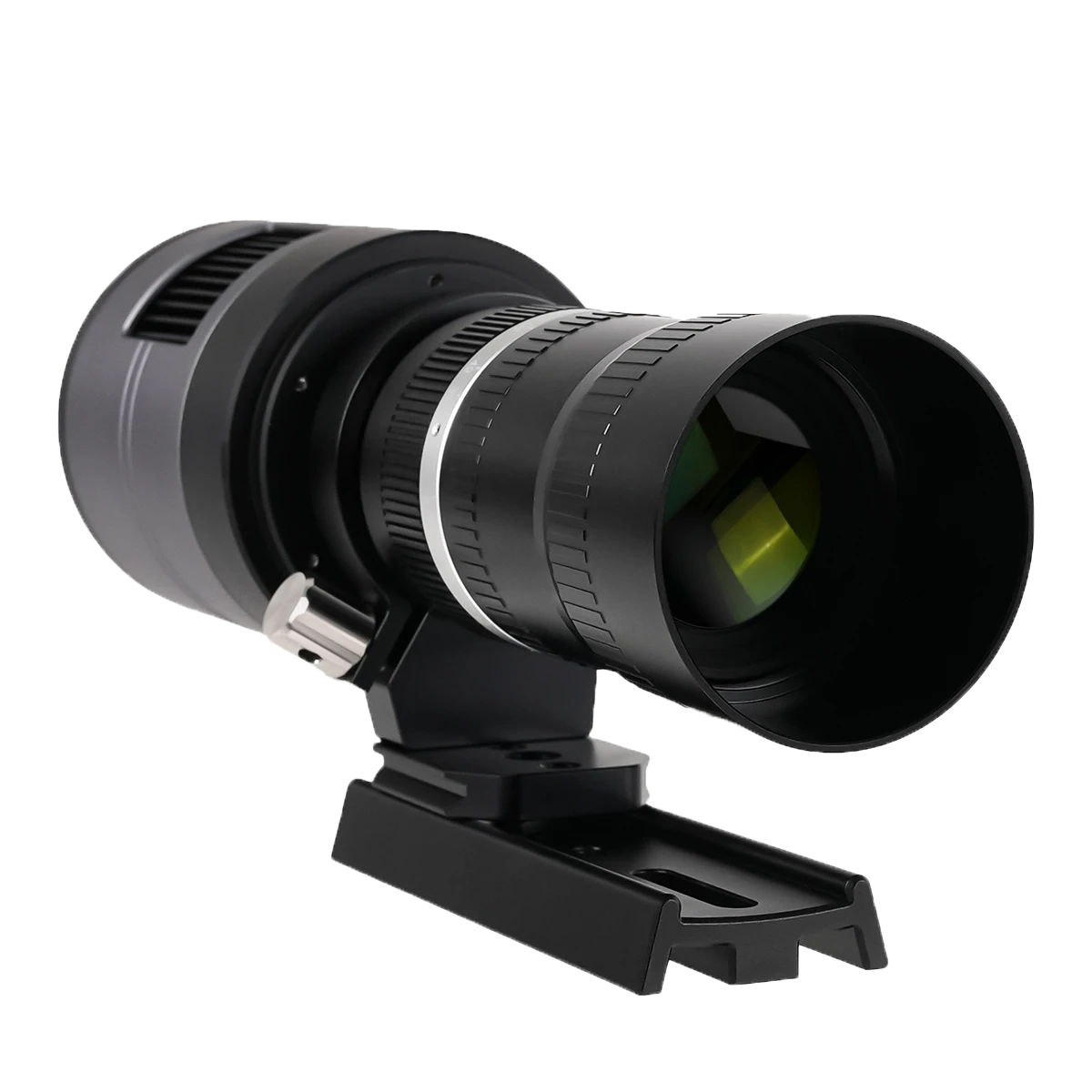
[{"Title":"High-Sensitivity Autoguiding Camera","Content":"Telescope camera; compact and highly sensitive 1.23-megapixel color camera with 1/3\u201D CMOS 1280x960 sensor perfect for autoguiding; small 3.75-micron pixels; high peak QE of 80% and low read noise allows tight tracking of faint guide stars;"},{"Title":"Interface and Software Compatibility","Content":"Astronomy guiding camera has USB 2.0 interface output; ST4 guide star interface; can compatible with PHD2; MDL; NINA; SKY-X and other software guide star;"},{"Title":"CS and C-Mount Lens Compatibility","Content":"The front of the eyepiece camera is equipped with a CS interface and a CS-C adapter ring; which can be matched with a CS lens or a C-mount lens;"},{"Title":"1.25-Inch Diameter Design","Content":"The shape of the guide camera adopts a diameter of 1.25 inches; which can adapt to different focal length guide lenses and OAG guide stars;"},{"Title":"Snap Ring and Scale Mark","Content":"The guide camera is designed with snap ring and scale mark to facilitate the use of the same guide lens for focusing and positioning."}]
NEW HOT
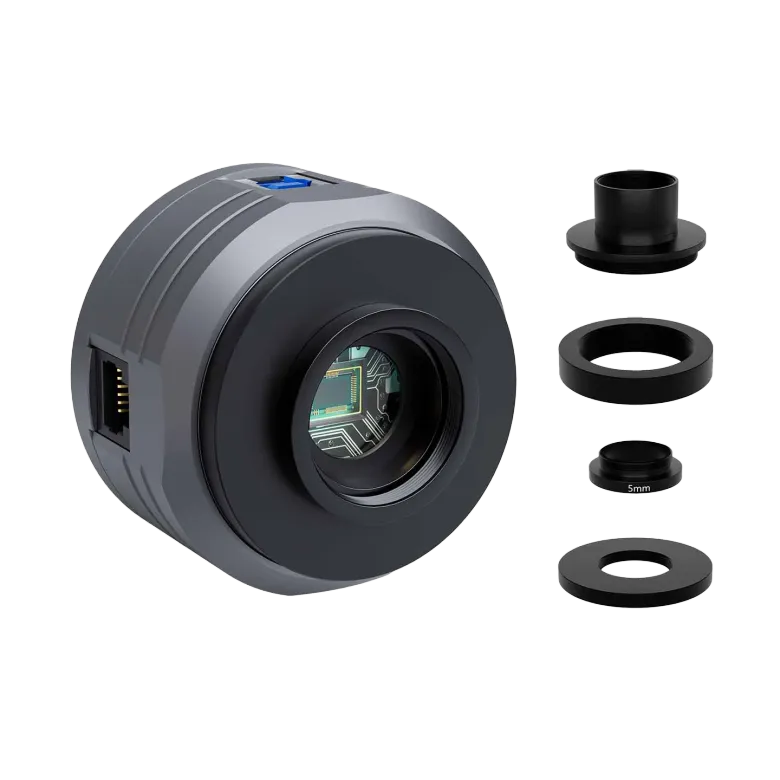
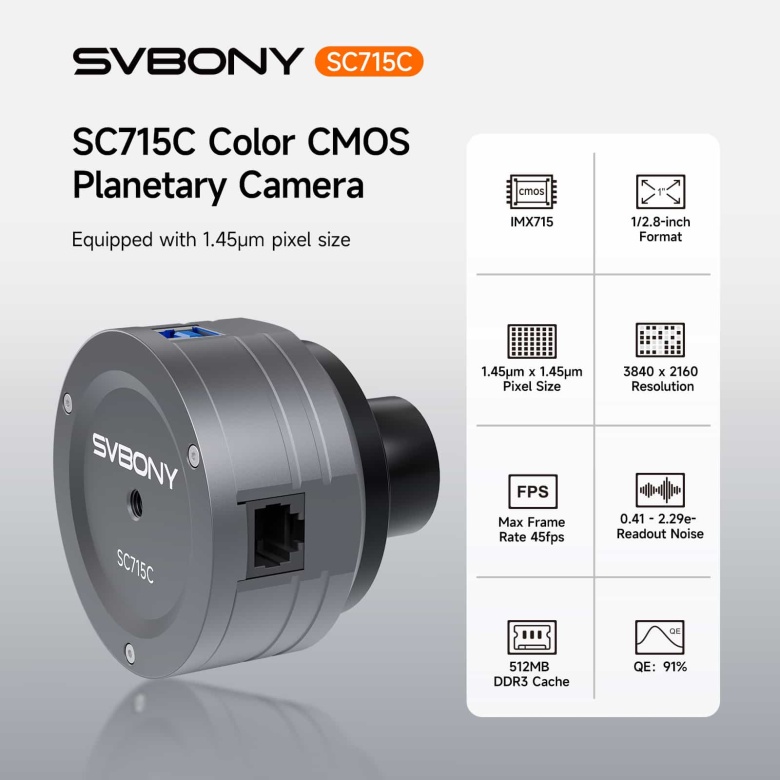
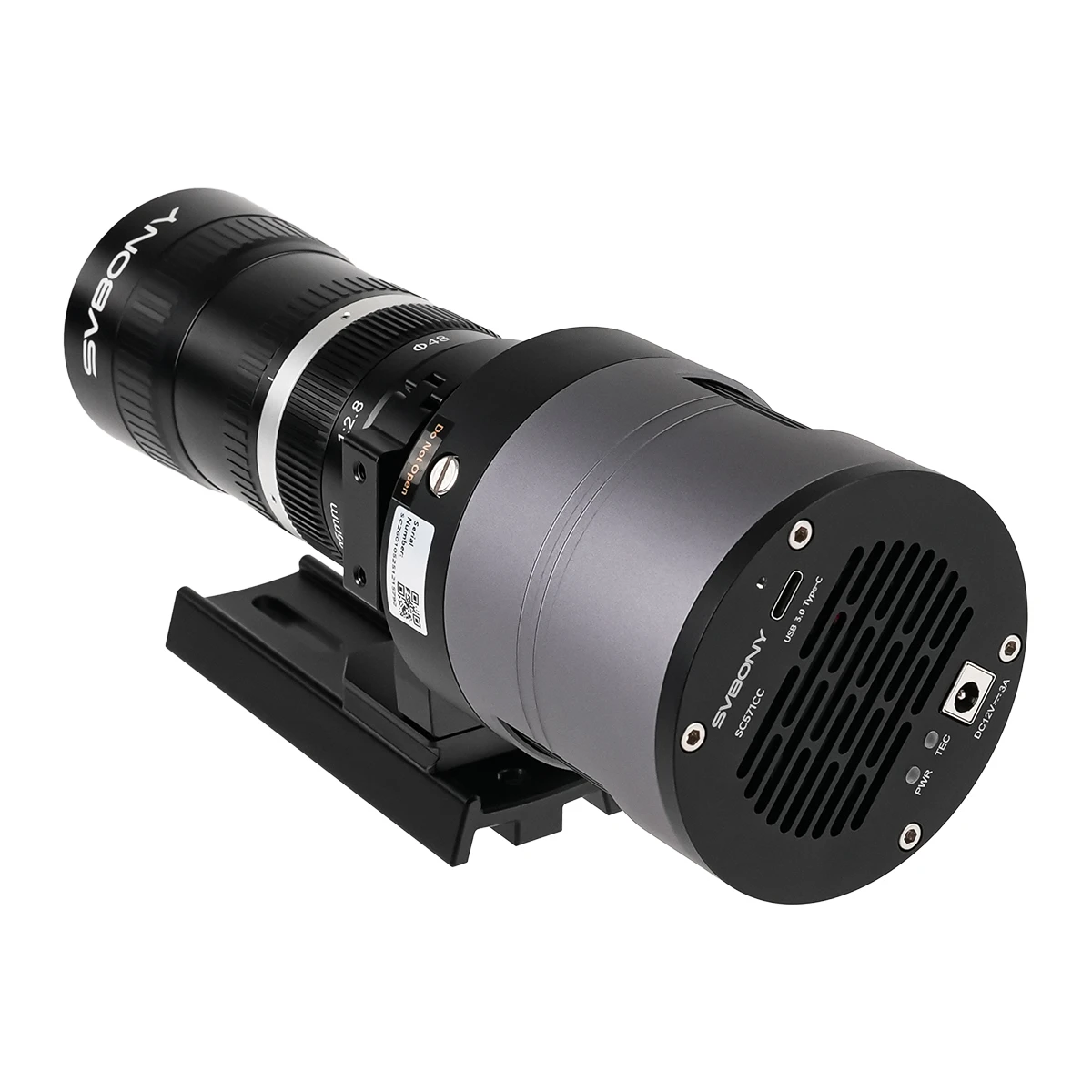
OSC Planetary Camera | SVBONY SC715C
[{"Title":"IMX715 sensor","Content":"1/2.8-inch Format, 1.45\u03BCm x 1.45\u03BCm pxel size, supports up to 8 million pixels, enabling it to capture extremely detailed image information. It offers higher dynamic range and lower noise,\u00A0 ensuring high-quality and detailed images even in low-light conditions, meeting the needs of professional astrophotography; effectively reduces star trailing or blur during long exposures, ensuring that no details are lost"},{"Title":"STARVIS II technology","Content":"the SC715C osc camera employs advanced image processing algorithms, resulting in higher sensitivity and lower noise levels."},{"Title":"USB 3.0 Port \u0026 ST4 Guide","Content":"the SC715C astronomy camera supports data transmission at 45.5 frames per second at full resolution; the cmos camera IMX715 can also connect to an equatorial mount to adjust its position in real-time, preventing shake caused by positional drift and ensuring clear, detailed images."},{"Title":"512MB DDR3 cache","Content":"allowing the osc camera to respond quickly to every command, reducing delay during focusing and zooming. It ensures smooth, seamless shooting, making it easy for you to effortlessly capture every brilliant moment."},{"Title":"C/CS-mount eyepiece solution","Content":"suitable for different installation needs."}]
Planetary Cameras for Astrophotography
SVBONY planetary cameras are designed for capturing detailed views of the Moon, planets, and other bright celestial targets through a telescope. With sensitive CMOS sensors, fast frame rates, and low read noise on selected models, these astronomy cameras support sharp planetary imaging, live viewing, and video capture.
Choose the Right Planetary Camera for Your Telescope
The right planetary camera for telescope use depends on your target, telescope focal length, and imaging workflow. SVBONY offers options for different experience levels and imaging needs.
The SV105 provides an accessible starting point for beginners, while the SV205 features an 8MP CMOS sensor for detailed lunar and planetary imaging. For more advanced imaging, the SV305C uses a Sony IMX662 sensor with HCG noise reduction and supports planetary and selected deep-sky imaging.
For greater imaging flexibility, the SV705C uses a Sony IMX585 sensor with up to 45 fps, making it suitable for planetary imaging, EAA, and selected deep-sky targets. The SC715C features a Sony IMX715 sensor with 1.45 μm pixels and USB 3.0 connectivity, providing another option for high-resolution color imaging.
Planetary Cameras for Lunar and Deep-Sky Imaging
A telescope camera can do more than capture the Moon and planets. High frame rates are useful for planetary imaging because recording many frames allows you to select sharper images during post-processing. Some models also support EAA or longer exposures, making them versatile astrophotography cameras for planetary and selected deep-sky targets.
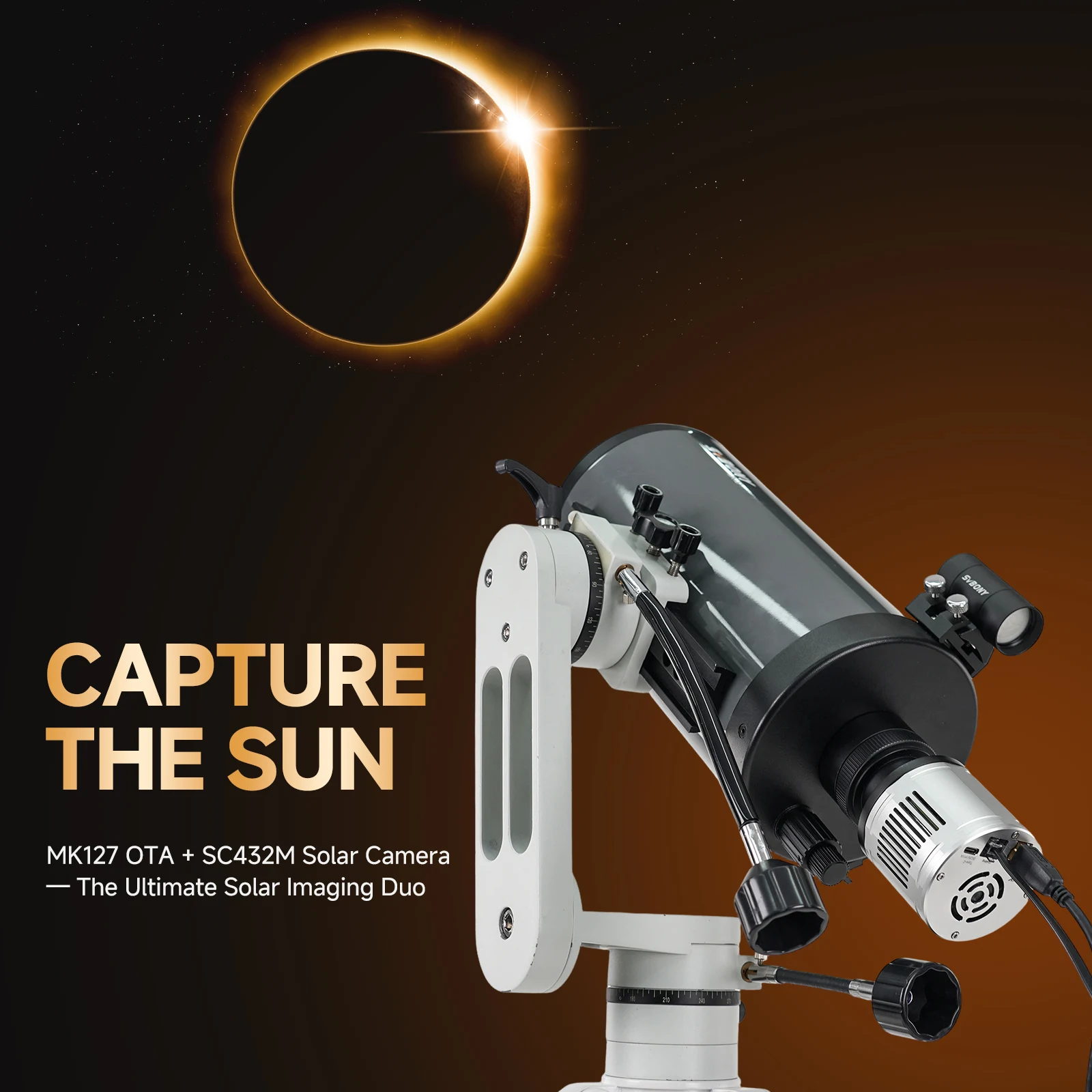
SVBONY also offers monochrome and guiding camera options for specialized astronomy setups. The SC432M is designed for solar and planetary imaging, while models such as the SV305C Pro and SV905C support guiding applications with compatible guide scopes.
Whether you need a beginner-friendly planetary camera, a high-speed astro camera, or a versatile camera for astrophotography, consider sensor size, pixel size, frame rate, sensitivity, and software compatibility when choosing a model for your telescope.
Faqs About Planetary Cameras
To photograph planets, connect a planetary camera to your telescope and use a stable mount for accurate tracking. Cameras designed for planetary imaging can capture high-frame-rate video, allowing you to select and stack the sharpest frames. A high-speed SVBONY planetary camera can be paired with a suitable telescope and Barlow lens to capture detailed views of the Moon and planets.
APT (Astro Photography Tool) can be part of a planetary imaging workflow with compatible astronomy cameras. However, high-frame-rate planetary capture and image stacking may require specialized software. Before starting, check compatibility between your CCD camera, telescope, planetary imaging software, and other equipment.
In planetary imaging, you normally do not move the camera itself. The telescope mount tracks the target while the planetary camera remains attached to the telescope.
If the planet drifts across the field of view, use the mount's tracking or control functions to recenter it. Cameras such as the SVBONY SV305 series can be used with suitable telescope setups for planetary and lunar imaging.
If a planet appears too large in your planetary camera field of view, reduce the effective magnification by changing the optical configuration.
A Barlow lens increases magnification, so removing it or choosing a lower-power Barlow can help fit the planet within the camera's field of view. This can be particularly useful when pairing a high-resolution planetary camera with a long-focal-length telescope.
When choosing a planetary camera for astrophotography, consider the sensor size, pixel size, frame rate, resolution, and sensitivity. The right combination depends on your telescope, focal length, and the planets or lunar features you want to capture.
For example, the SVBONY SV305 series offers high frame rates and is suitable for lunar and planetary imaging with compatible telescopes. A camera with fast capture and low read noise can provide more useful frames for stacking and help reveal fine planetary details.



 Google
 Amazon