Astronomy Telescopes Designed for Stargazing
Whether you’re a beginner to astronomy or upgrading your stargazing equipment, our astronomical telescopes are engineered to deliver clarity, stability, and precision. Each astronomy telescope features high-quality optics, durable construction, and user-friendly controls that make it easier to locate stars, planets, nebulae, and deep-sky objects. Lightweight models are available for those seeking the best travel telescope, while advanced designs provide high-resolution viewing for experienced observers.
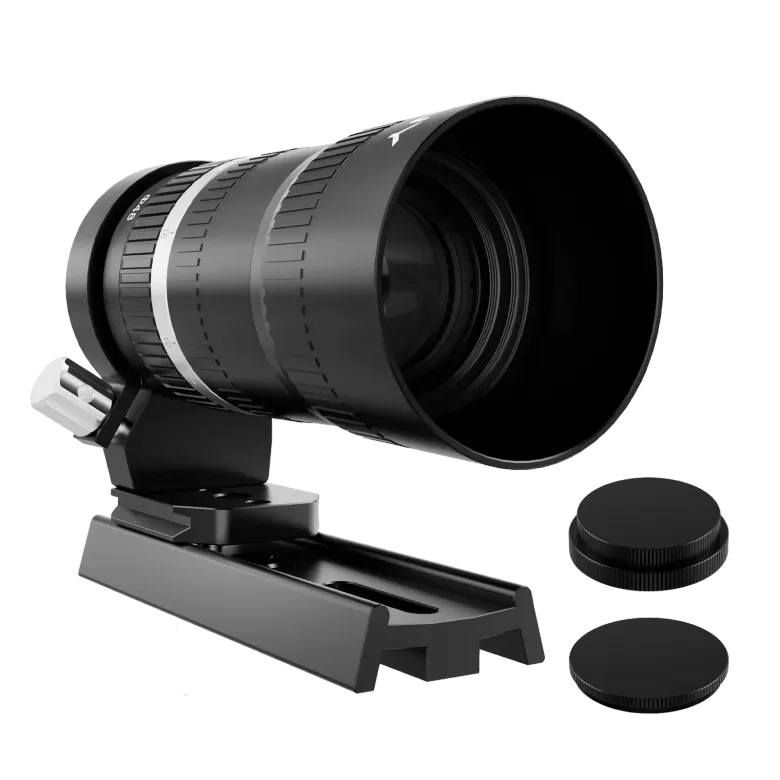
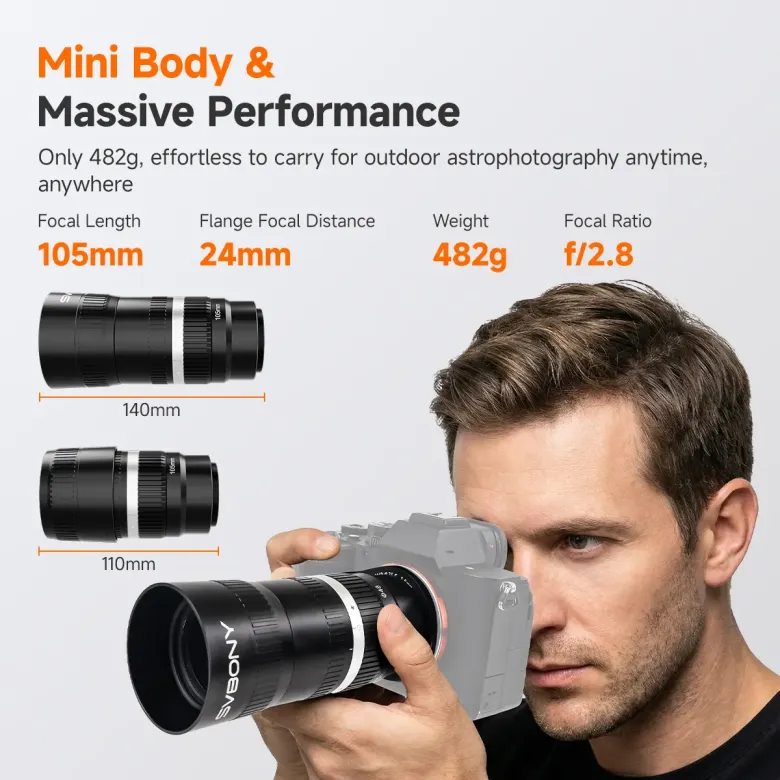
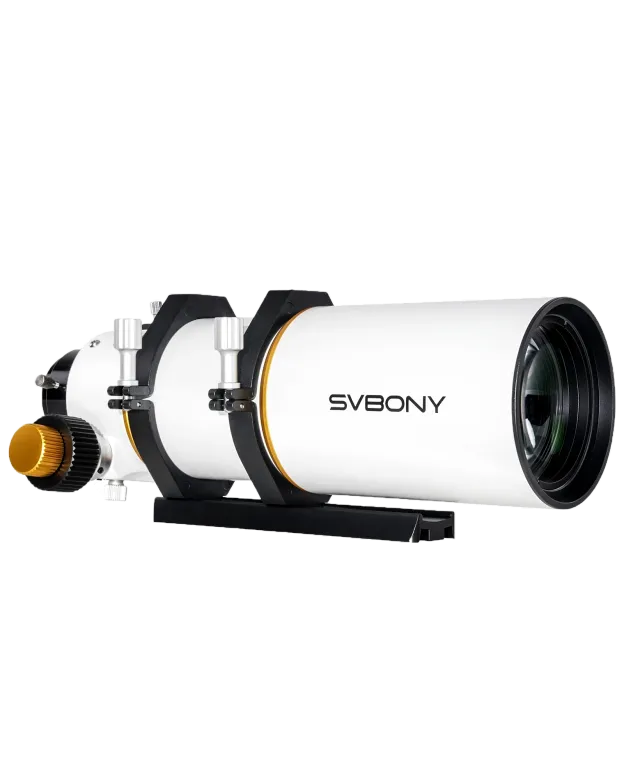
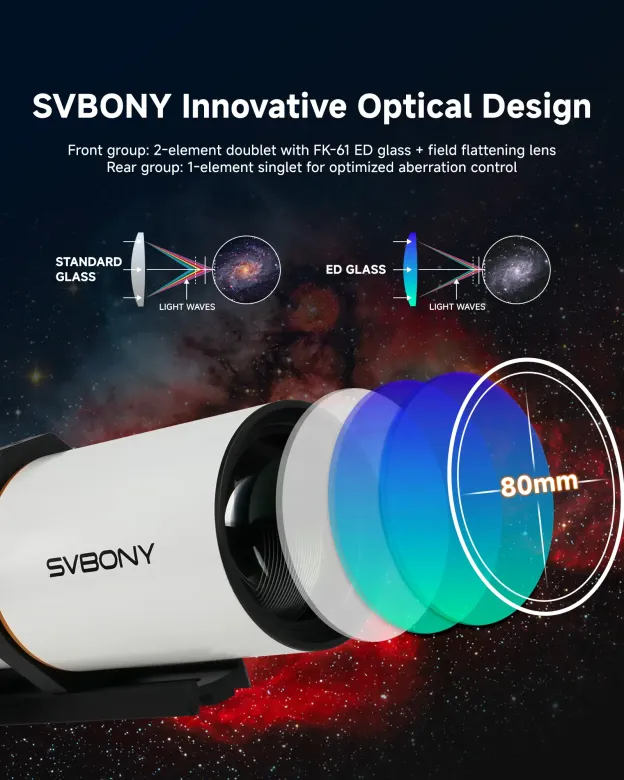
HOT
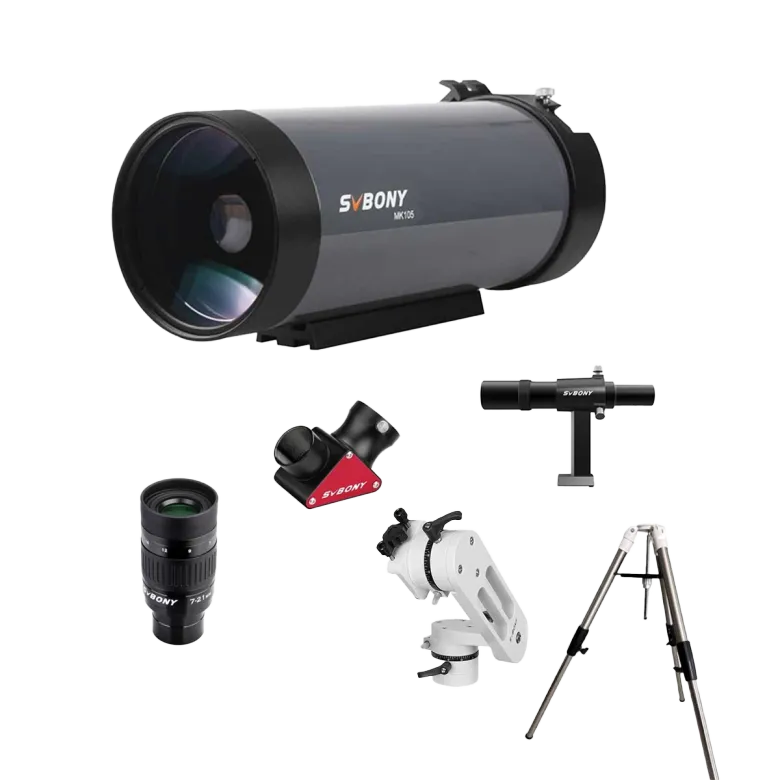
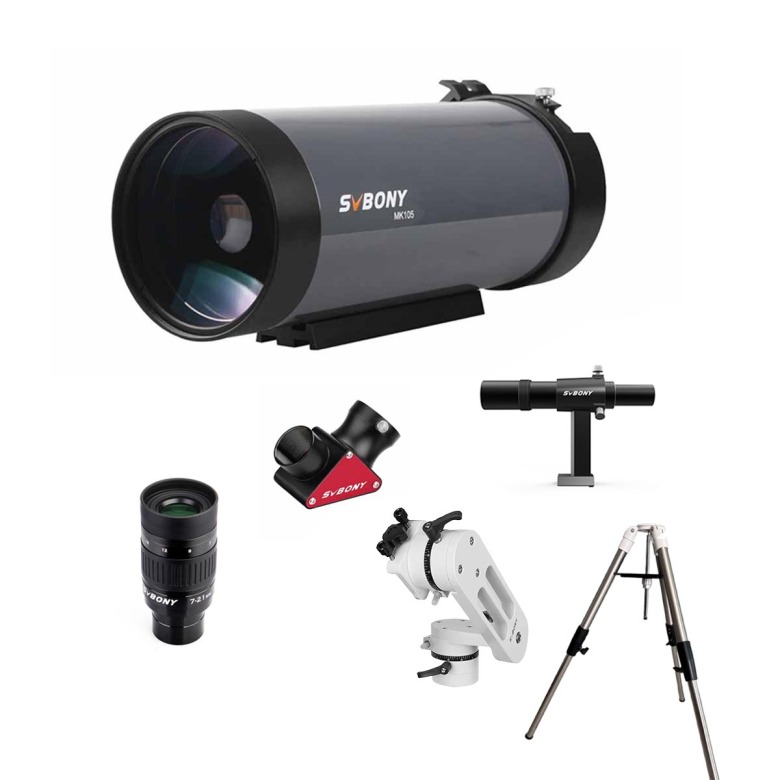
Planetary Telescope Set | SVBONY MK105
[{"Title":"Lightweight Portability","Content":"Eliminates heavy gear constraints, enabling easy transport for on-the-go use."},{"Title":"Compact yet Powerful","Content":"Portable design integrates high magnification without performance loss."},{"Title":"Mobile Observation","Content":"Ideal for travel and camping, ensuring celestial moments are not missed."},{"Title":"SVBONY Durability Assurance","Content":"2-year warranty with rugged construction for outdoor environments."},{"Title":"Official Package Inclusions","Content":"Standard accessories support immediate use out of the box."}]
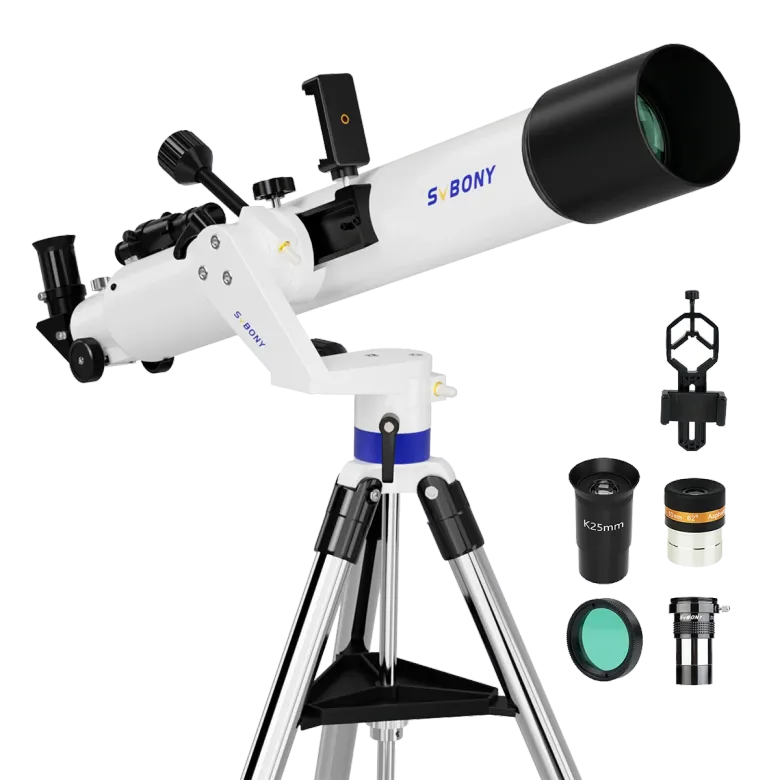
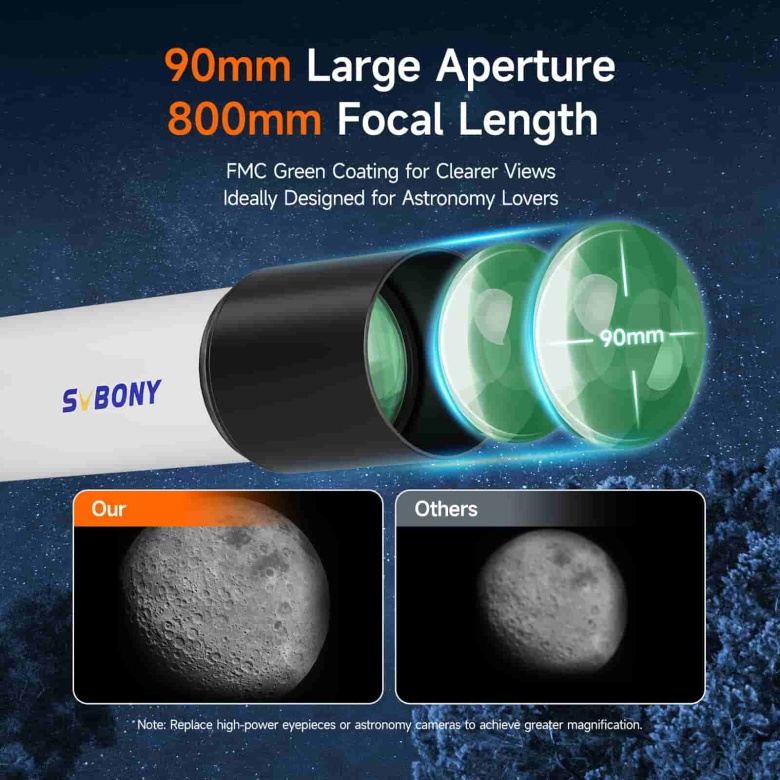
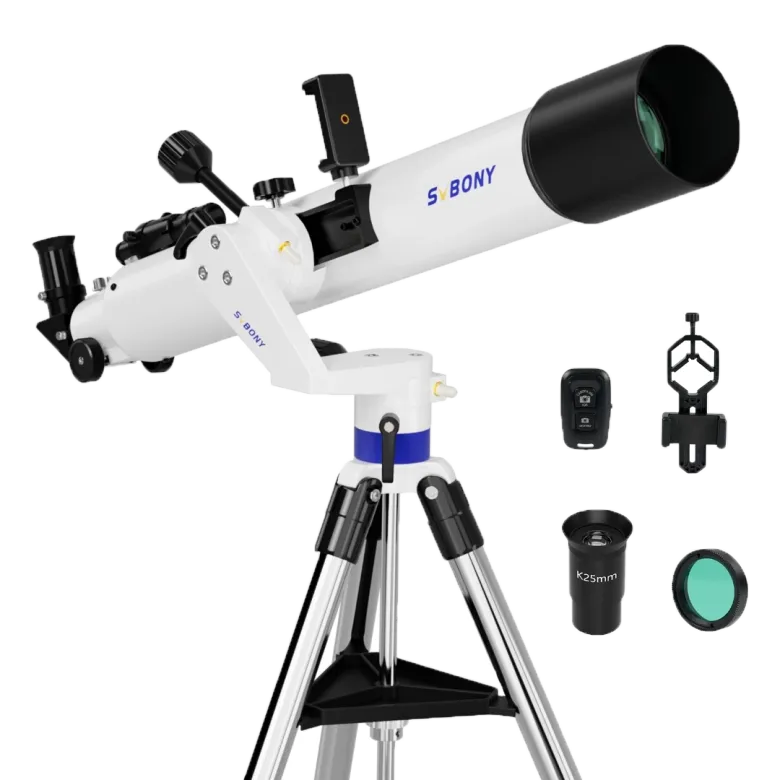
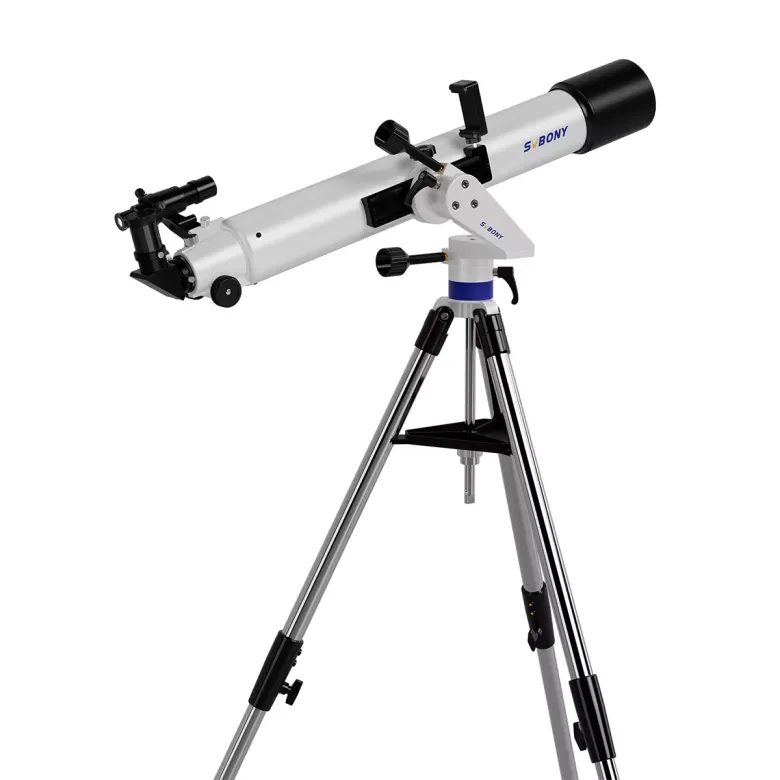
Astronomy Telescope Kit | SVBONY SV520
[{"Title":"Clear Imaging","Content":"90mm large aperture, collecting about 65% more light than other 70mm entry-level models, offering superior light-gathering power and delivering clearer, more detailed images."},{"Title":"Superior Optical Performance","Content":"Fully multi-coated optical glass lenses enhance light transmission, while the internal anti-reflection coating reduces unwanted reflections, ensuring clear imaging and protecting your eyes."},{"Title":"5x24 Finderscope","Content":"5x magnification offers a wide field of view for quick and easy target acquisition. The 24mm aperture delivers brighter images, very suitable for beginners."},{"Title":"360\u00B0 \u002B 90\u00B0 Adjustment","Content":"The altitude-azimuth mount features a worm gear drive system, ensuring smooth and precise movement. With 360\u00B0 horizontal and 90\u00B0 vertical adjustment, it maximizes your ability to meet all observational needs."},{"Title":"Precise Focusing","Content":"The helical gear manual focusing system ensures smoother transmission and finer adjustments, helping you see clear, detailed views of celestial objects."}]
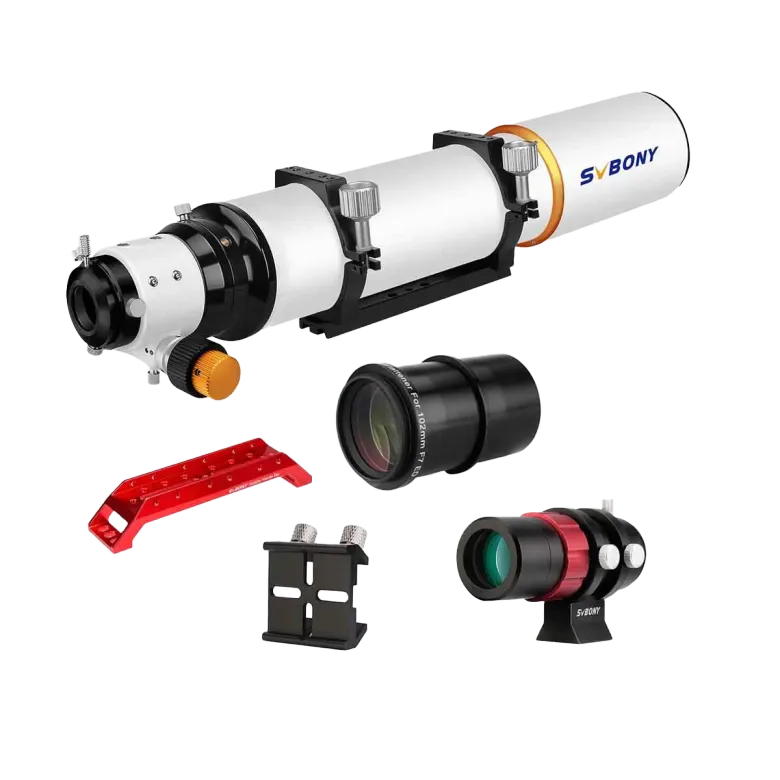
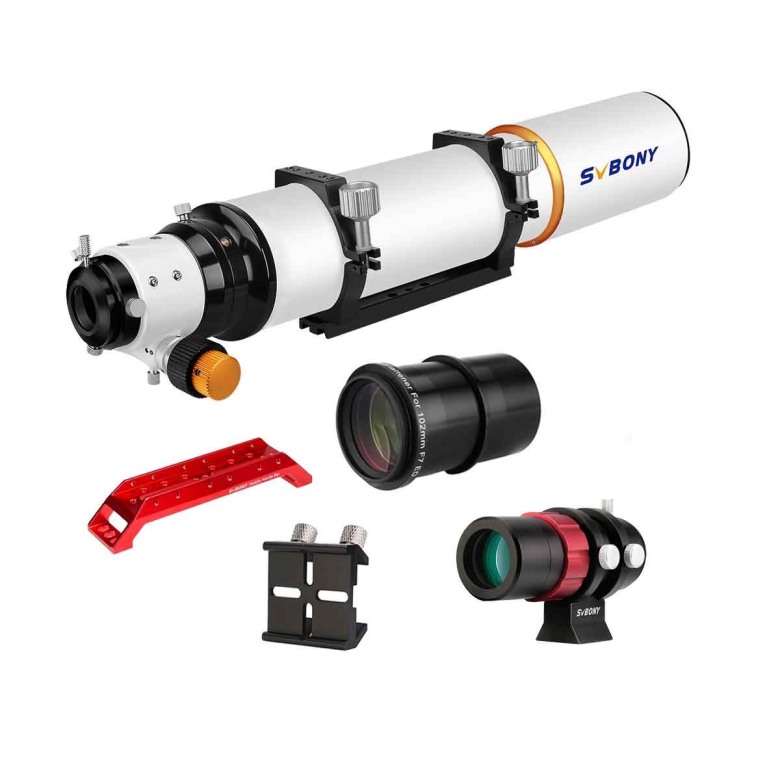
Deep-Sky Kit | SVBONY SV503 102
[{"Title":"Optimized for Deep\u2011Sky Imaging","Content":"Includes SV503 102ED OTA plus accessories tailored for deep space astrophotography."},{"Title":"Field Flattener \u0026 Reducer","Content":"SV193 0.8\u00D7 focal reducer/flattener widens field and improves edge sharpness."},{"Title":"Guide Scope \u0026 Camera Included","Content":"SV165 30\u202Fmm guide scope and SV905C CMOS guide camera support accurate tracking."},{"Title":"High Quality ED Optics","Content":"102\u202Fmm S\u2011FPL51 ED doublet lens reduces chromatic aberration for clearer images."},{"Title":"Complete Astrophotography Bundle","Content":"Comes with heater strip, handle bar, and dovetail slots for full imaging setup."}]
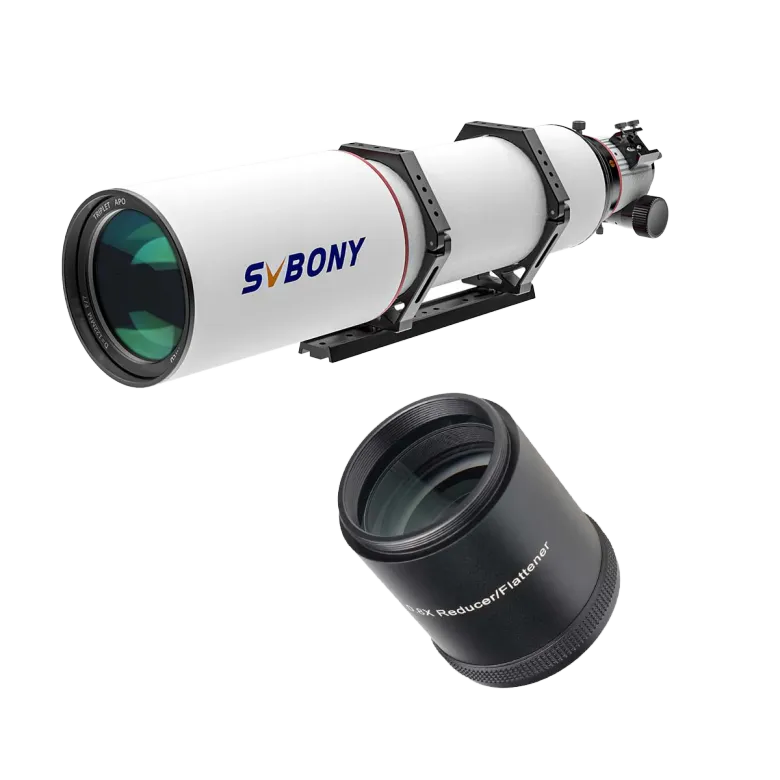
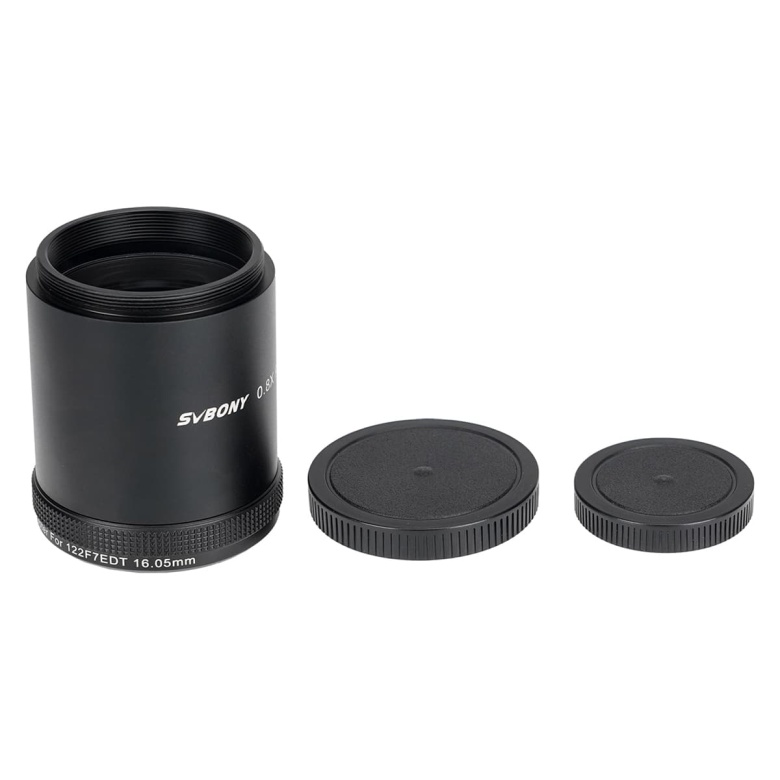
APO Telescope & Flattener | SVBONY SV550 122
[{"Title":"High-Quality APO Refractor","Content":"The SV550 APO telescope provides superior color correction and sharp, high-contrast images for detailed astronomical observations."},{"Title":"Perfect for Astrophotography","Content":"Paired with the SV209 field flattener, this set ensures flatter images across the entire frame, ideal for wide-field astrophotography."},{"Title":"Improved Image Clarity","Content":"The combination of the APO refractor and field flattener eliminates optical distortions, providing crisp, clear views of celestial objects."},{"Title":"Precision Focus for Stunning Detail","Content":"Designed for both visual and photographic use, the SV550 APO telescope offers exceptional focusing capabilities for detailed lunar, planetary, and deep-sky observations."},{"Title":"Durable and Easy to Use","Content":"Built with high-quality materials, this telescope and field flattener set is lightweight, portable, and easy to set up for both beginners and advanced astronomers."}]
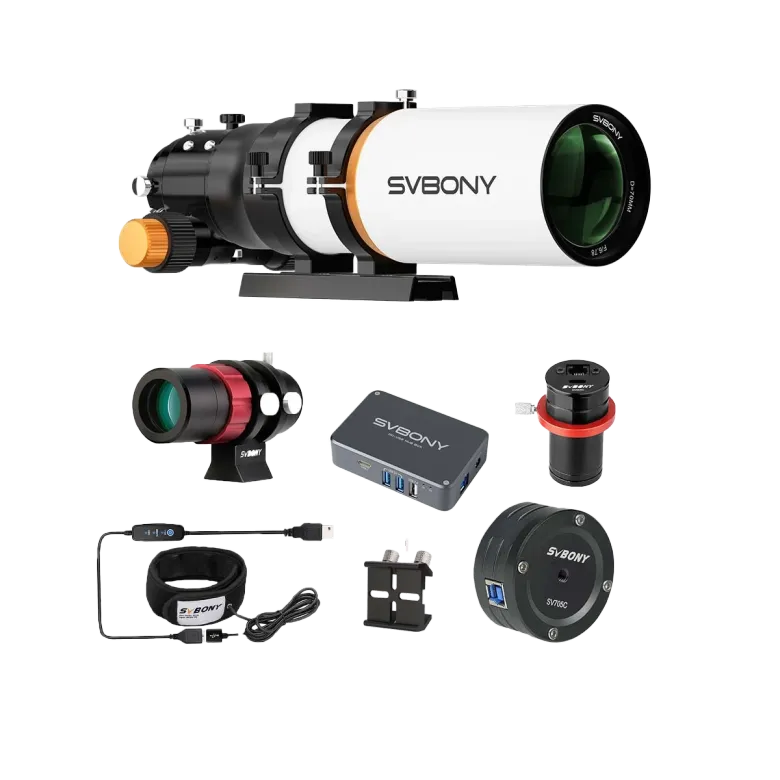
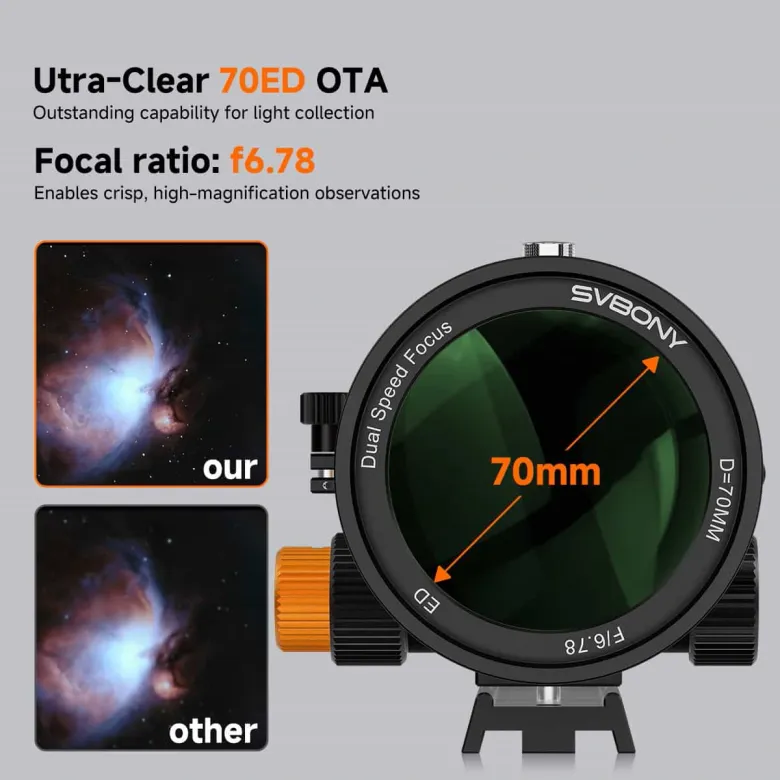
Planetary Photography Kit | SVBONY SV503
[{"Title":"Complete Planetary Imaging Kit","Content":"Includes SV503 70ED OTA, SV705C planetary camera, guide scope, guide camera, PowerBox, and dew heater for all\u2011in\u2011one astrophotography."},{"Title":"High\u2011Quality 70\u202Fmm ED Optics","Content":"70\u202Fmm aperture with FPL51 and lanthanum glass minimizes chromatic aberration for crisp, detailed images."},{"Title":"Fast f/6.78 Wide Field Design","Content":"Bright f/6.78 focal ratio delivers wider field views and shorter exposure times for deep sky targets."},{"Title":"Sensitive Planetary Camera","Content":"SV705C\u2019s IMX585 sensor with high QE and 45\u202Ffps boosts planetary, lunar, and solar imaging performance."},{"Title":"Stable Guiding System Included","Content":"SV165 guide scope and SV905C guide camera improve mount tracking precision for long exposures."}]
HOT
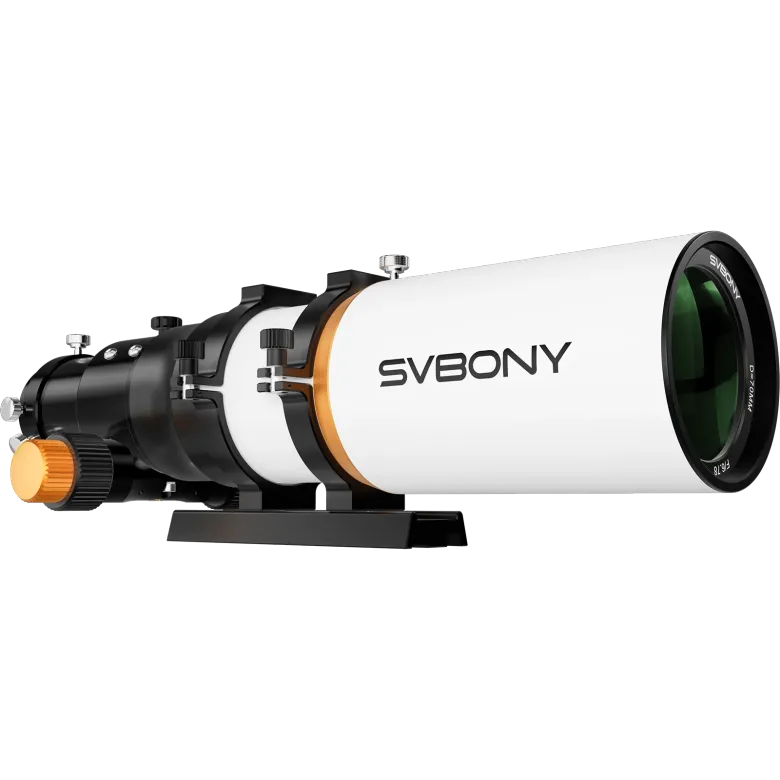
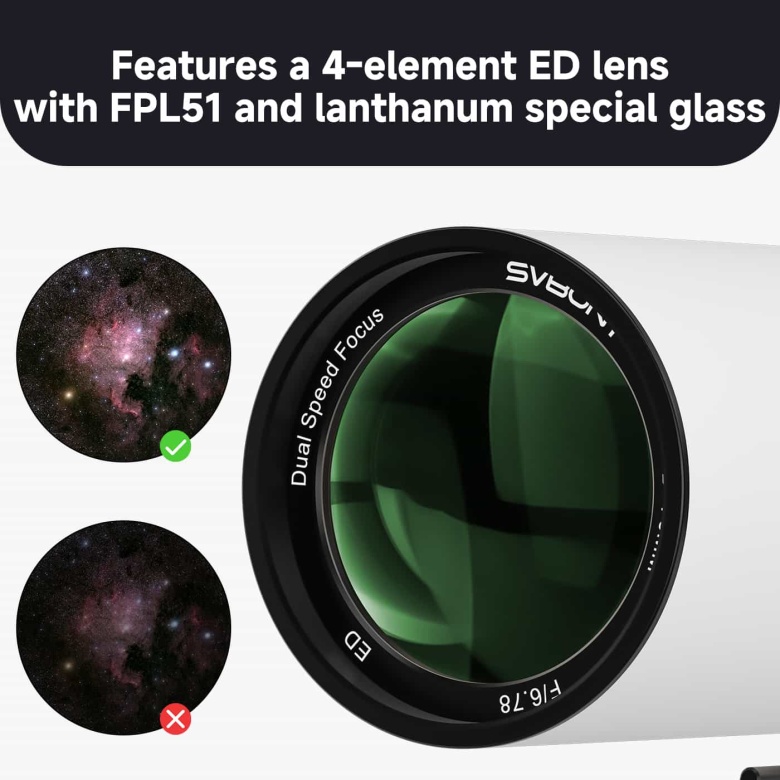
Flatfield Refractor Telescope | SVBONY SV503 70
[{"Title":"Integrated Flat\u2011Field Optics","Content":"Built\u2011in flat\u2011field design delivers edge\u2011to\u2011edge sharpness and reduced field curvature for astrophotography."},{"Title":"ED Glass Lens","Content":"70\u202Fmm aperture with ED FPL51 and lanthanum glass reduces chromatic dispersion and improves contrast."},{"Title":"Dual\u2011Speed Focuser","Content":"1:10 dual\u2011speed focus knobs allow precise fine focusing for both visual and imaging."},{"Title":"Fast f/6.78 Design","Content":"f/6.78 focal ratio supports bright wide\u2011field views of nebulae, galaxies, and star clusters."},{"Title":"Retractable Lens Hood","Content":"Adjustable hood blocks stray light and enhances contrast for clearer night sky observation."}]
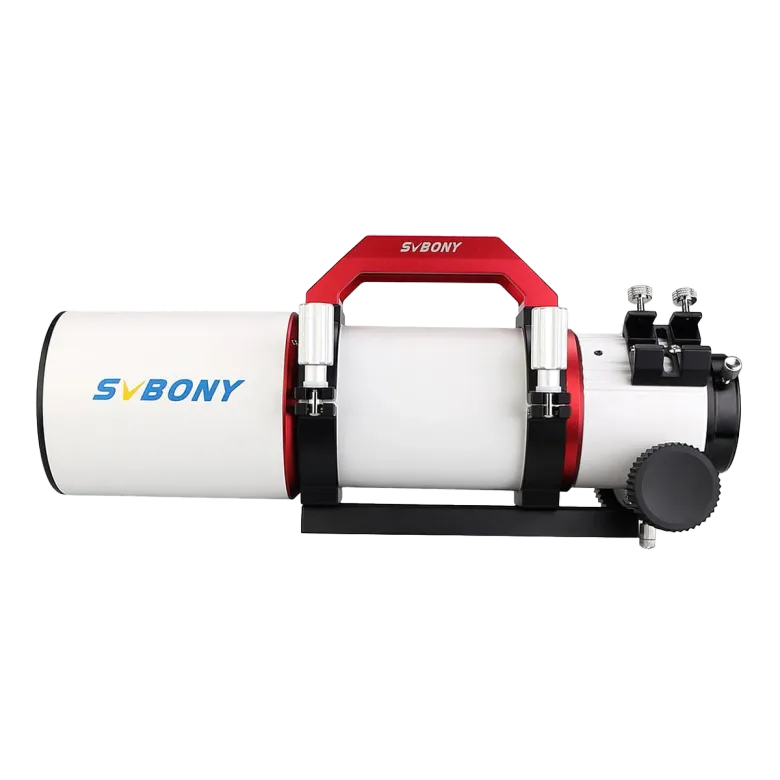
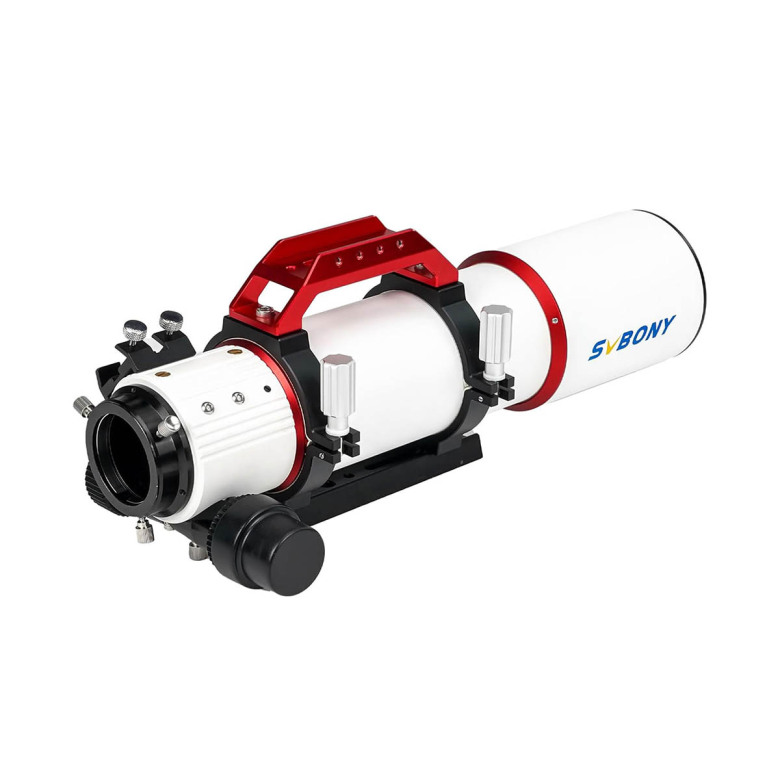
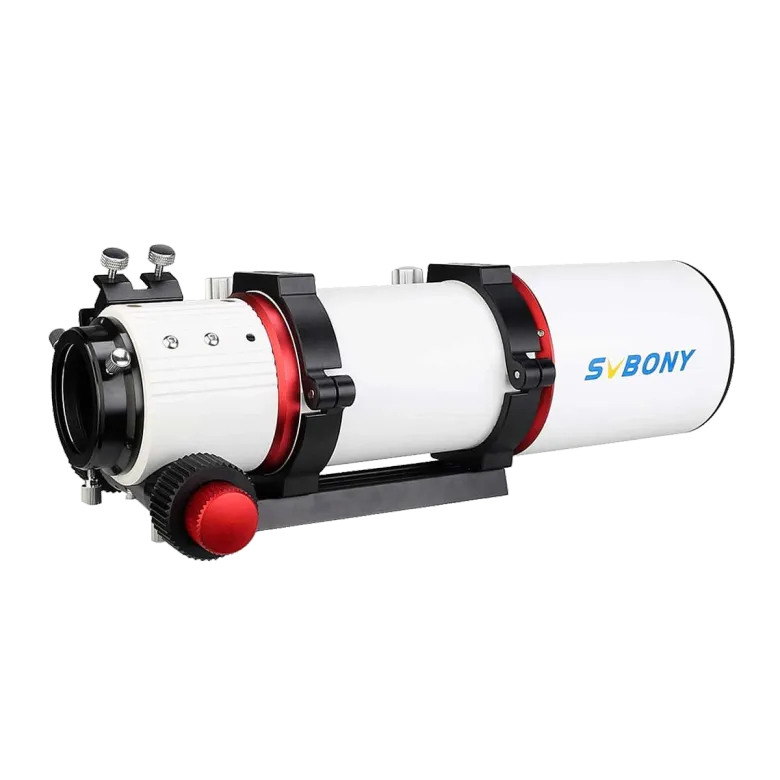
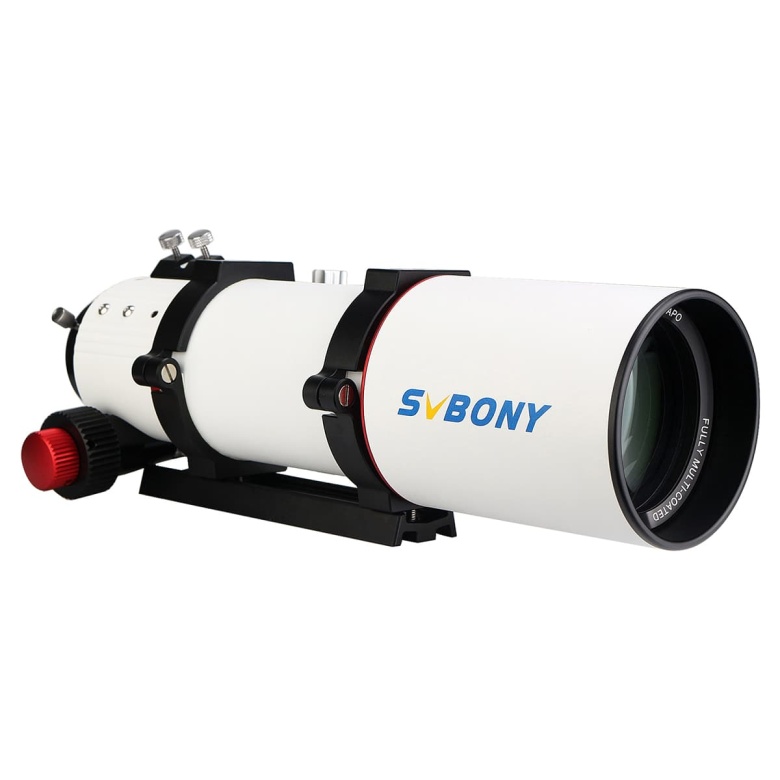
APO Triplet Refractor| SVBONY SV550 80
[{"Title":"Triplet APO Optical Design","Content":"Apochromatic triplet with FPL51 ED center element delivers sharp, high\u2011contrast views with minimal chromatic aberration"},{"Title":"Fast f/6 Focal Ratio","Content":"80\u202Fmm aperture and 480\u202Fmm focal length balance wide\u2011field deep\u2011sky imaging and pleasing visual observation."},{"Title":"Dual\u2011Speed 2.5\u2033 Focuser","Content":"10:1 ratio dual\u2011speed rack\u2011and\u2011pinion focuser enables precise fine\u2011tuning for astrophotography and eyepiece use."},{"Title":"Stray Light Suppression","Content":"Blackened interior and knife\u2011edge baffles reduce stray light for improved image contrast."},{"Title":"Travel\u2011Ready OTA","Content":"Retractable dew shield and 180\u202Fmm Vixen\u2011style dovetail with split tube rings make mounting simple and portable."}]
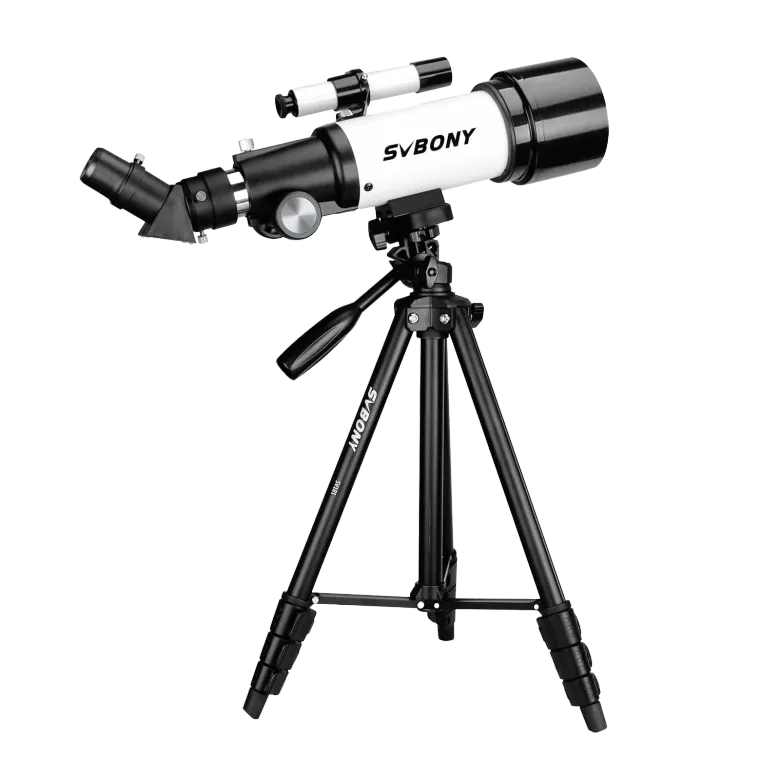
Portable Refractor Telescope | SVBONY SV501P
[{"Title":"70/400mm Portable Refractor","Content":"Provides a compact 400mm focal length for clear lunar, planetary, and solar observation."},{"Title":"Complete All-Accessory Kit","Content":"Includes backpack, tripod, finderscope, diagonal, and eyepieces for immediate use."},{"Title":"Multi-Coated Optics \u0026 Stray Light Control","Content":"Ensures sharp, high-contrast views with minimized internal reflections and glare."},{"Title":"45\u00B0 Erect Image Diagonal","Content":"Offers comfortable viewing with a correct, upright image for both astronomy and terrestrial use."},{"Title":"Lightweight Aluminum Tripod \u0026 Backpack","Content":"Combines portability with stable support, making it ideal for travel and quick setup anywhere."}]
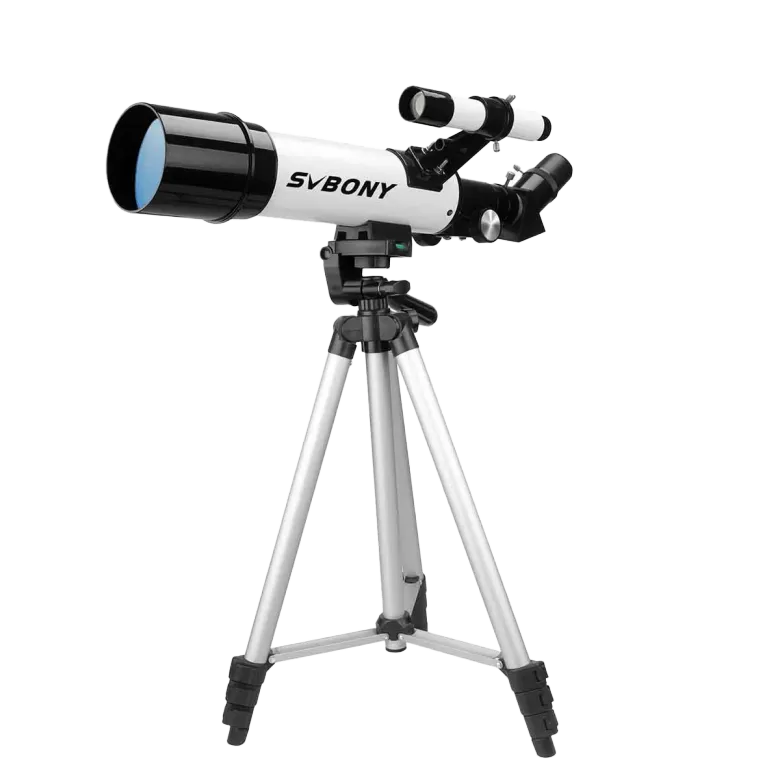
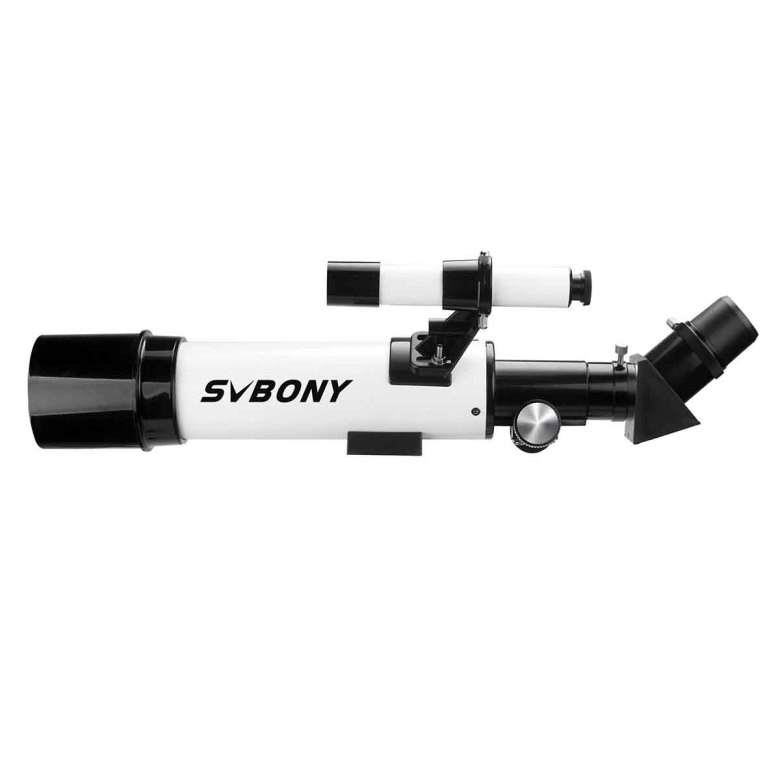
Beginner Refractor Telescope | SVBONY SV501P
[{"Title":"60mm Aperture Refractor","Content":"Offers a generous aperture for bright, clear views of the Moon, planets, and terrestrial scenes."},{"Title":"Complete Beginner\u0027s Kit","Content":"Includes all essential accessories for immediate, hassle-free astronomical and terrestrial observation."},{"Title":"Metal Focuser with Brass Ring","Content":"Ensures smooth, precise focusing without scratching eyepieces or accessories."},{"Title":"45\u00B0 Correct-Image Prism","Content":"Provides an upright, correctly oriented view ideal for both astronomy and daytime use."},{"Title":"Ideal Educational Gift","Content":"A perfect first telescope to inspire curiosity and create memorable stargazing experiences."}]
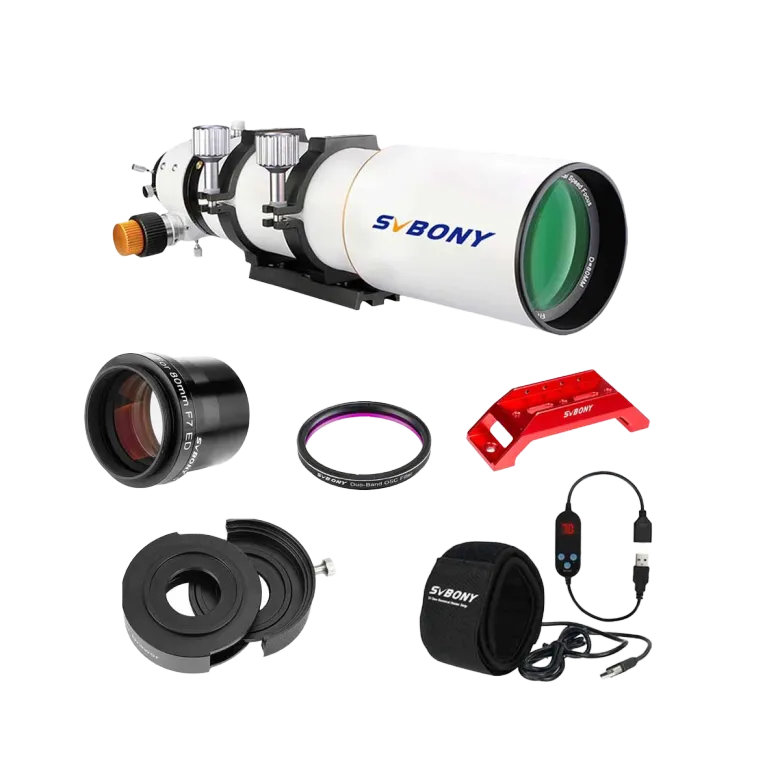
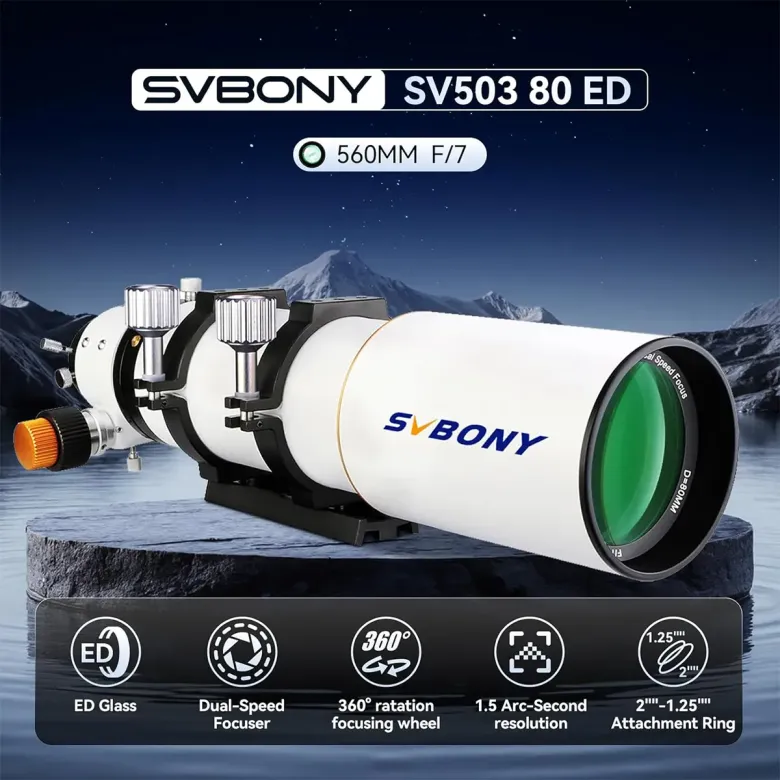
Astro Photography Kit | SVBONY SV503 80
[{"Title":"Extended Warranty One Year - ED Optics","Content":"80 mm F7 ED doublet lens with extra-low dispersion glass delivers crisp views with reduced chromatic aberration."},{"Title":"SV193 Focal Reducer Included","Content":"0.8\u00D7 focal reducer and field flattener shortens focal length and flattens field for wider, sharper astrophotos."},{"Title":"Deep-Sky Imaging Ready","Content":"Optimized for astrophotography with flatter field and improved star pinpoint sharpness across the frame."},{"Title":"Robust Precision Focuser","Content":"Dual-speed 2\u0022 rack-and-pinion focuser enables fine focus control for visual and photographic work."},{"Title":"Stable Aluminum OTA Design","Content":"Durable aluminum tube with dovetail mounting ensures reliable setup and balanced performance."}]
HOT
APO Triplet Refractor | SVBONY SV550 80
[{"Title":"Triplet APO Optics","Content":"Apochromatic 3\u2011element design with FPL51 ED glass delivers sharp, high\u2011contrast views with minimal chromatic aberration."},{"Title":"Fast f/6 Focal Ratio","Content":"80\u202Fmm aperture and 480\u202Fmm focal length provide bright images ideal for deep\u2011sky targets and wide\u2011field astrophotography."},{"Title":"Dual\u2011Speed Focuser","Content":"2.5\u2033 rack\u2011and\u2011pinion focuser with 10:1 fine focus control improves precision for imaging and visual use"},{"Title":"Stray Light Suppression","Content":"Internal light baffles and blackened surfaces reduce stray light for improved contrast in celestial views"},{"Title":"Stable, Portable OTA","Content":"Lightweight aluminum tube with retractable dew shield and dovetail plate fits most mounts for travel and field use."}]
Choose an Astronomy Telescope by Observing Goal
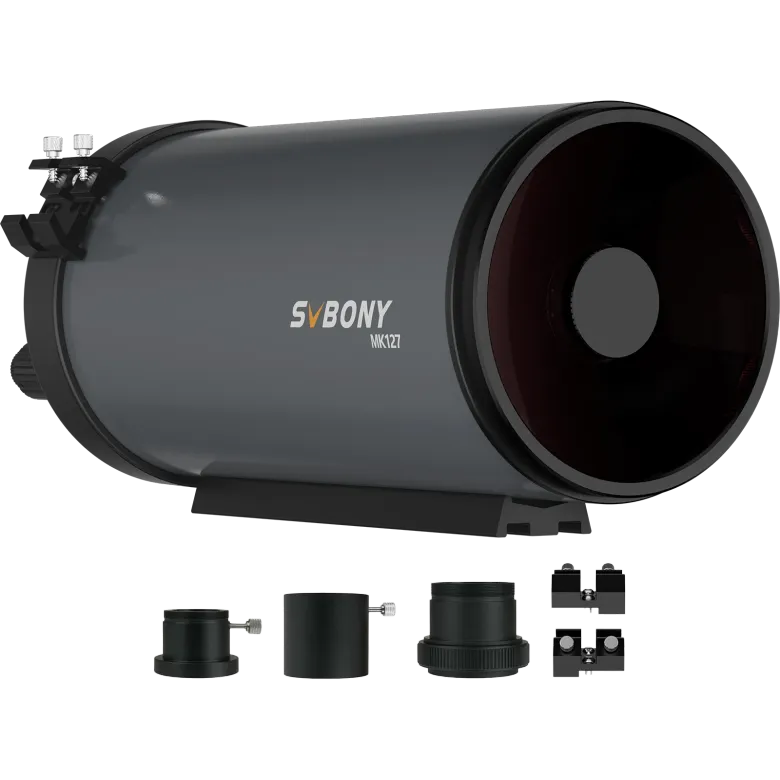
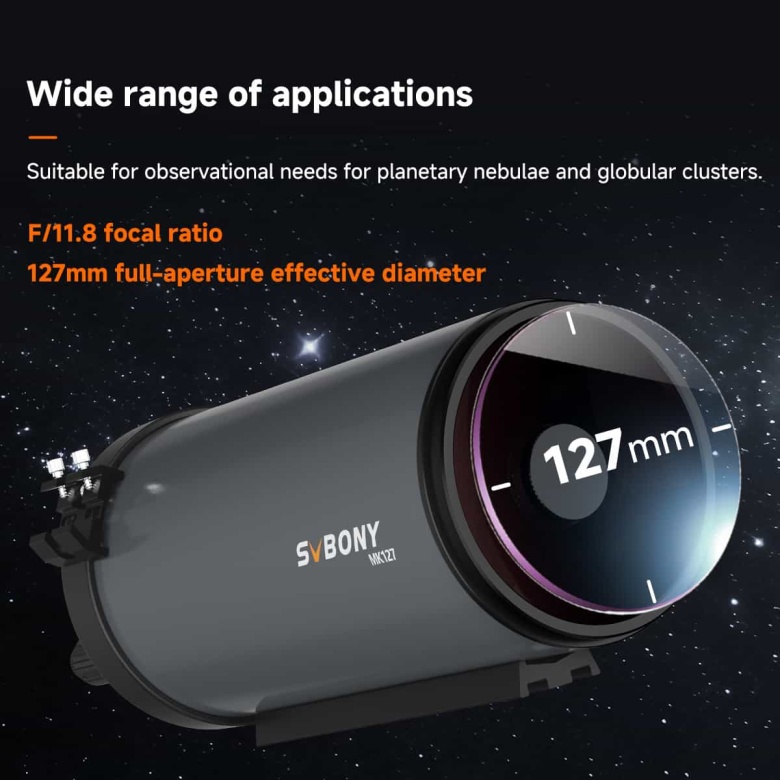
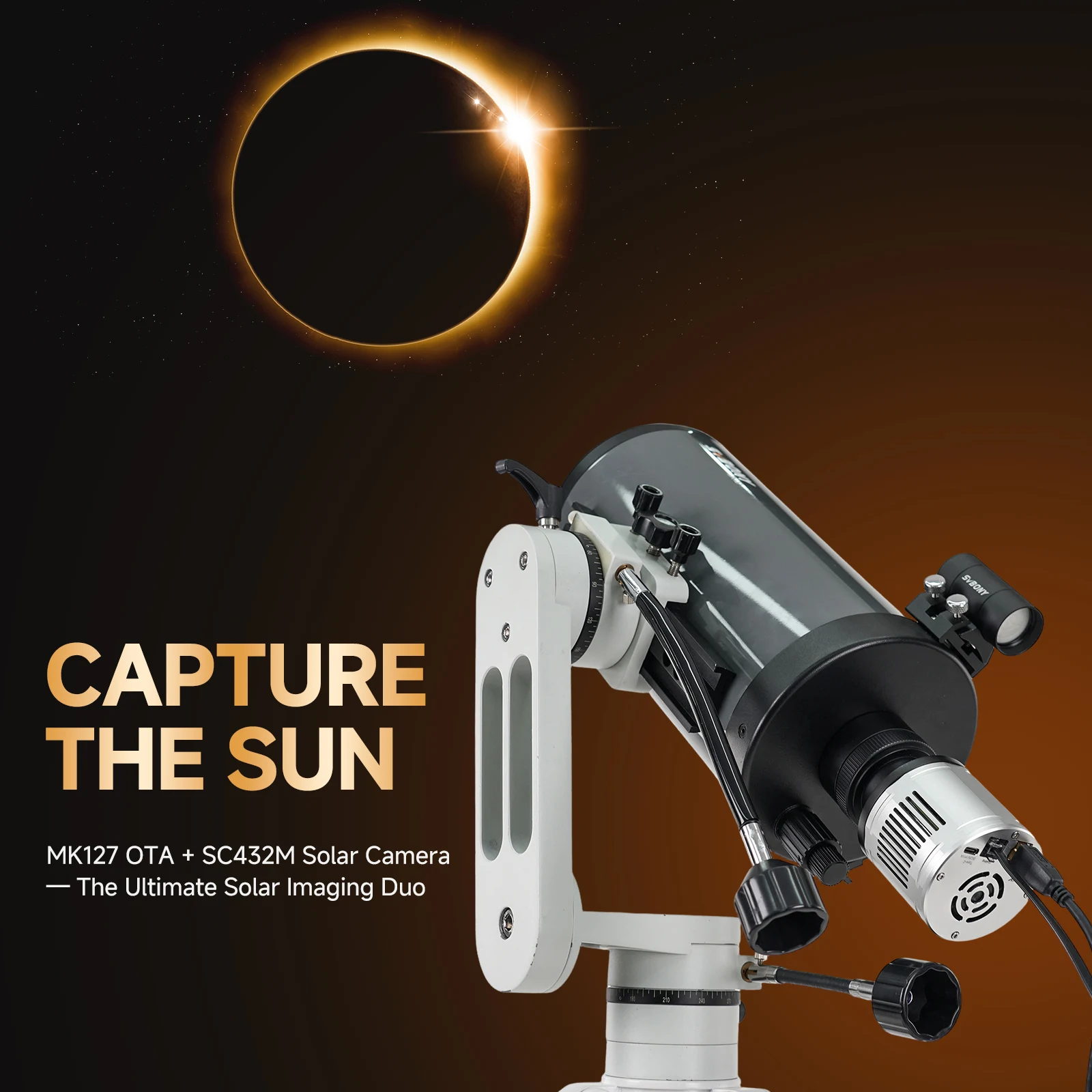
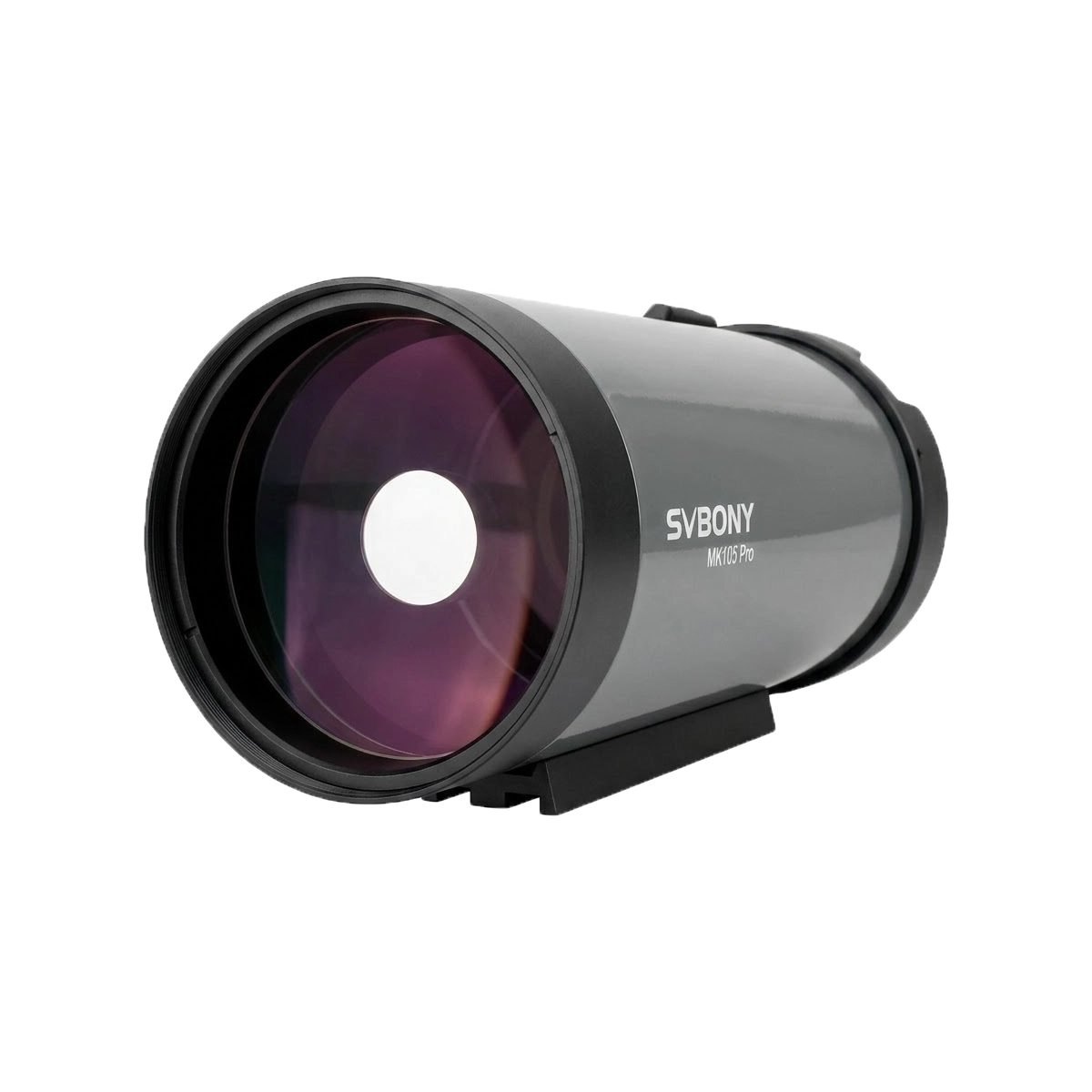
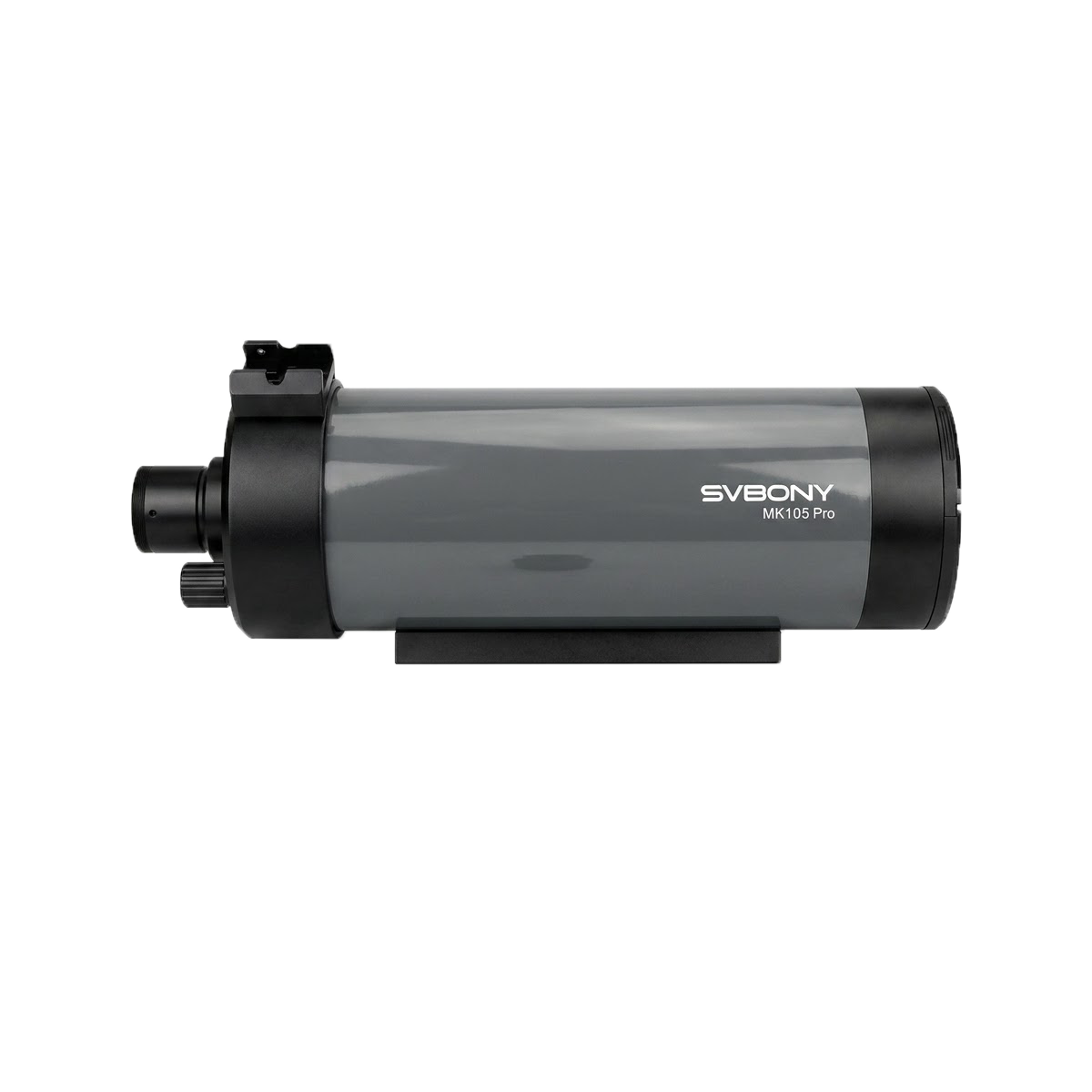
For lunar and planetary observation, a telescope with strong resolution and a longer focal length can help reveal lunar craters, planetary features, and other bright targets in greater detail. Maksutov-Cassegrain telescopes, such as the MK90, MK105, and MK127, offer compact optical designs well suited to observing the Moon and planets.
Refractor telescopes also provide a versatile option for clear views of bright celestial objects and everyday stargazing.
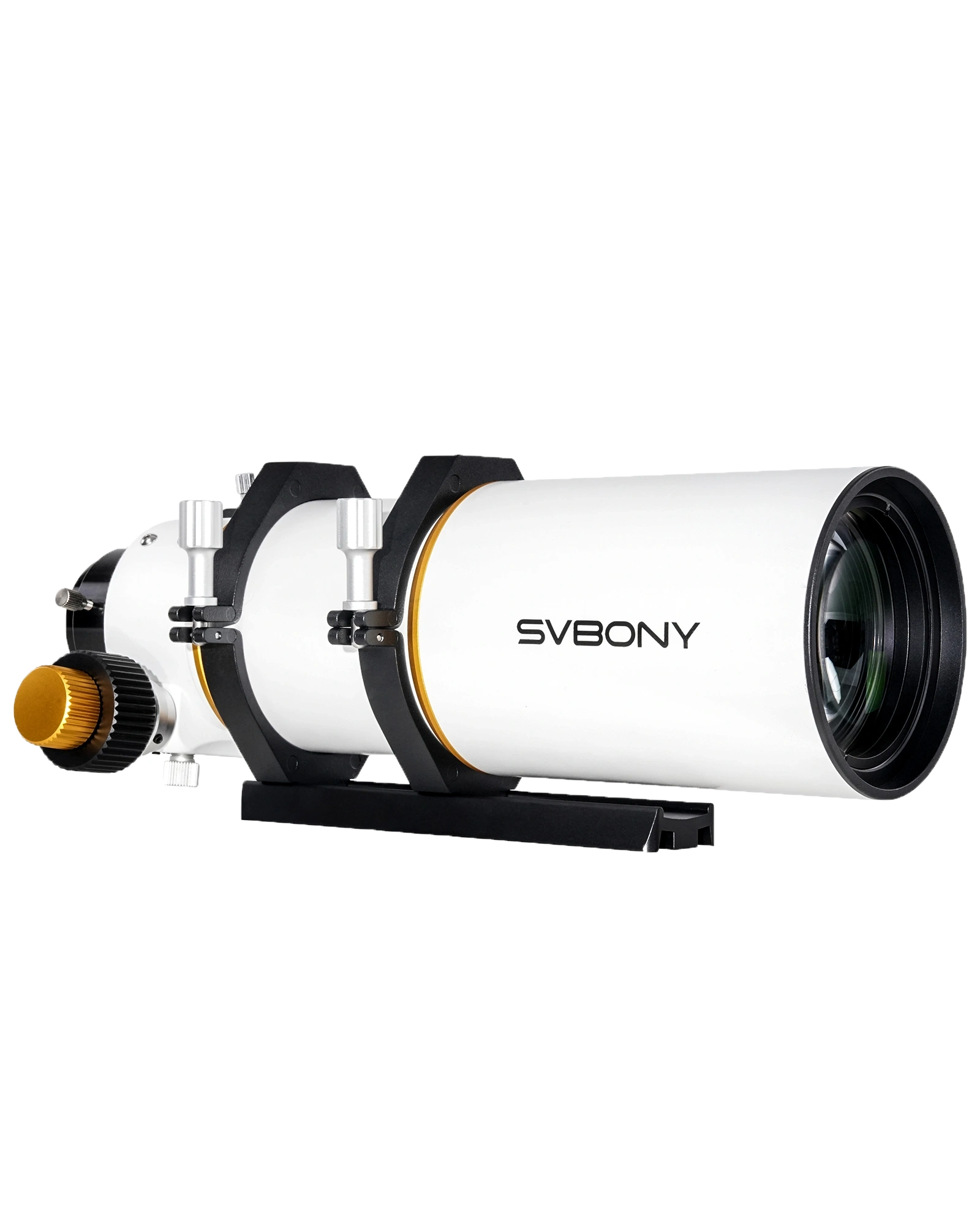
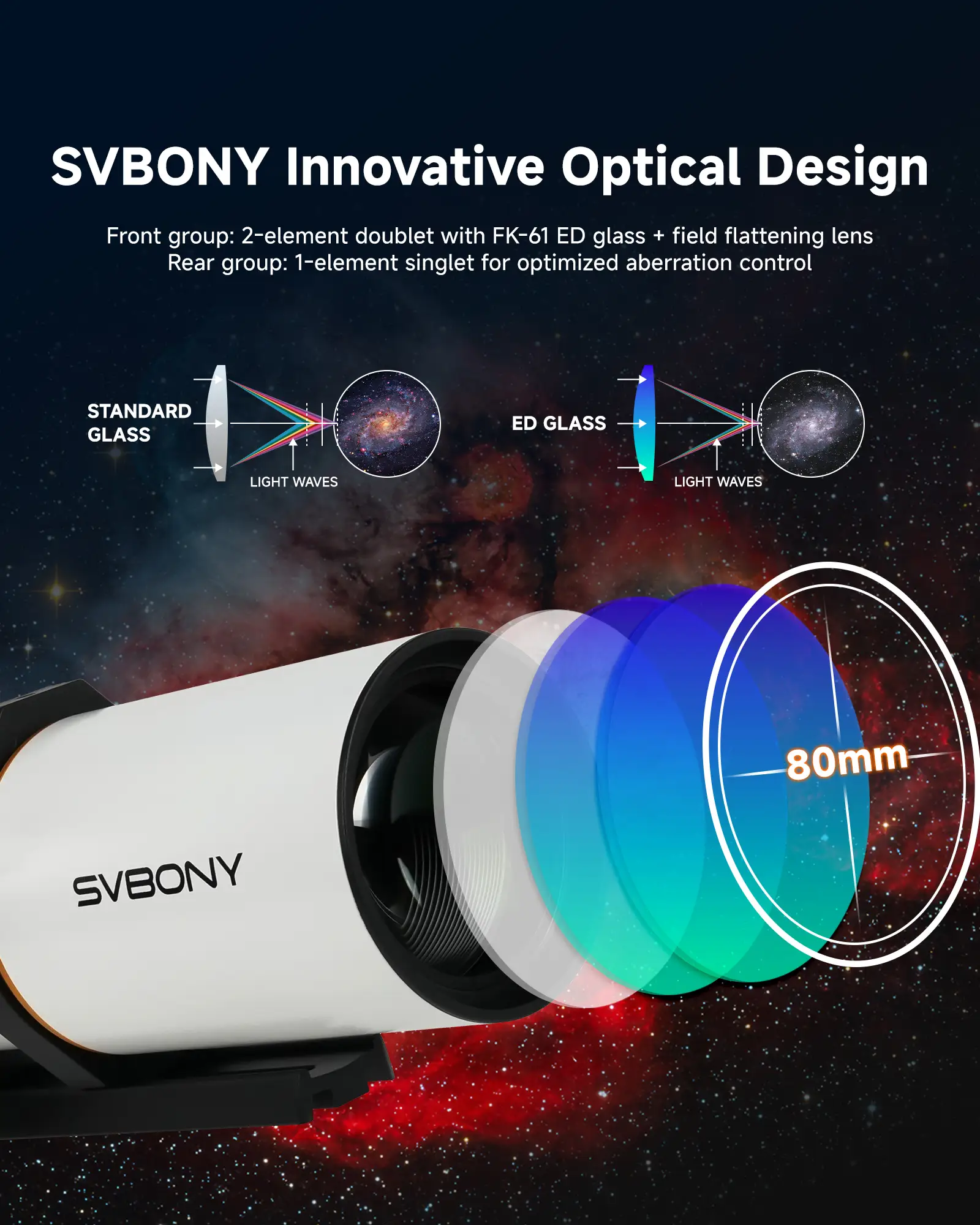
For deep-sky observation and astrophotography, wider-field optical designs can help capture star fields, nebulae, galaxies, and star clusters. ED and APO refractors, including the SV530 80mm ED refractor, SV503 flat-field refractors, and SV550 APO refractors, provide options for detailed observation and imaging. <
Their optical designs make them suitable for users who want to move beyond basic stargazing and explore more demanding deep-sky targets.
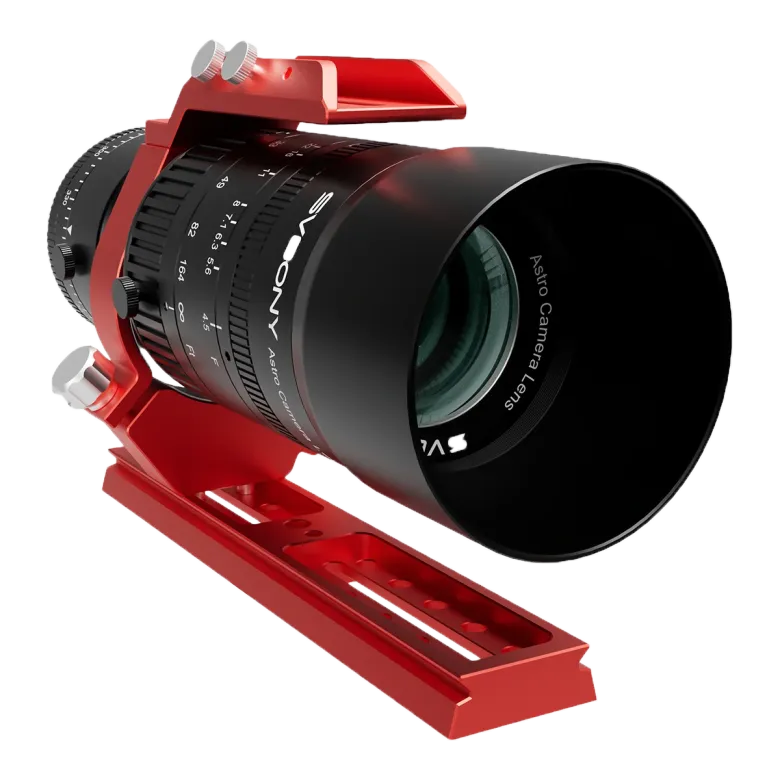
For advanced astrophotography, specialized astrographs are designed around the needs of imaging rather than visual observation alone. The SV580 80mm f/4.5 Petzval APO astrograph combines a fast optical design with a wide field for deep-sky imaging, while compact models such as the SV555 and SV535 offer flexible options for astro imaging and wide-field photography.
Whether you are observing planets, exploring deep-sky objects, or building a dedicated imaging setup, SVBONY offers astronomy telescopes for different observing and imaging needs.
Faqs About Astronomy Telescope
A good astronomy telescope depends on your observing goals. Aperture, focal length, optical design, mount, portability, and budget can all affect the viewing experience.
Refractor telescopes are versatile for general stargazing and lunar observation, while Maksutov-Cassegrain telescopes are commonly used for lunar and planetary observation.
For planetary observation, aperture, focal length, and optical resolution are important factors. The MK90, MK105, and MK127 Maksutov-Cassegrain telescopes are designed for lunar and planetary observation.
The MK105 features a 105mm aperture and 1365mm focal length, while the MK127 has a 127mm aperture and 1500mm focal length. A stable mount can also help when observing at higher magnifications.
For deep-sky astrophotography, a wider field of view and well-corrected optics are important. The SV530 80mm ED refractor features an 80mm aperture and 480mm focal length.
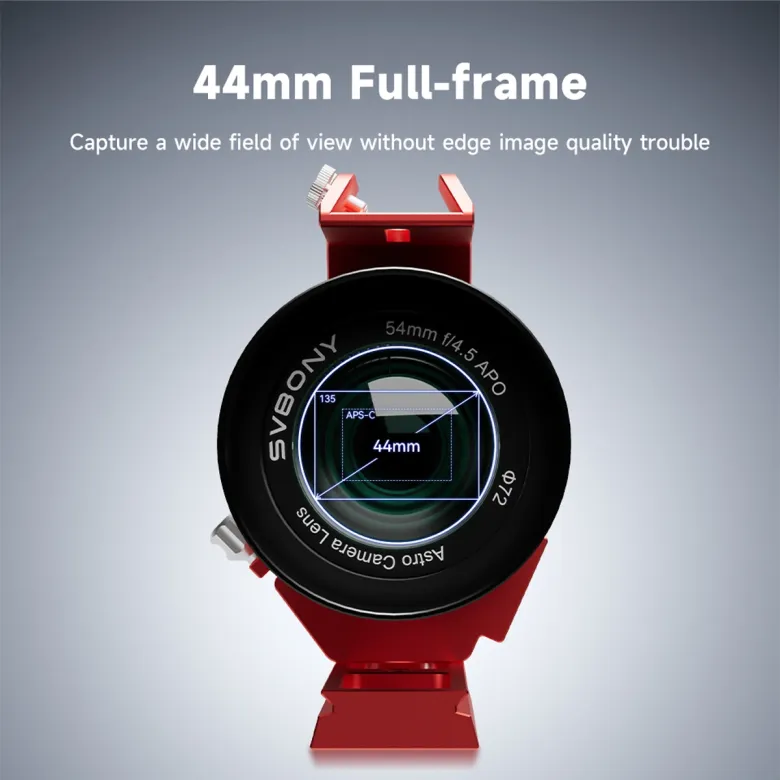
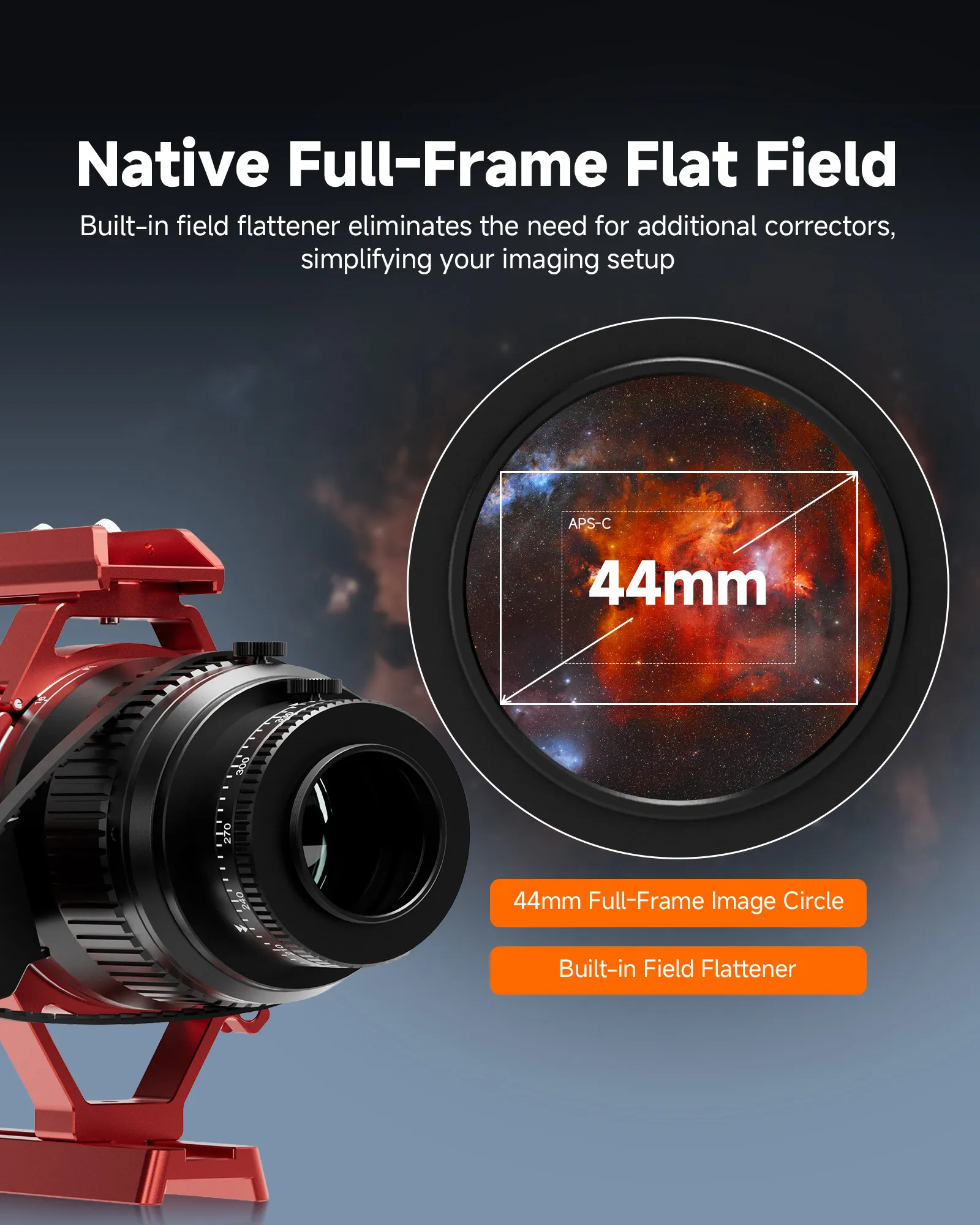
For wider-field imaging, the SV580 80mm f/4.5 Petzval APO astrograph combines an 80mm aperture with a 360mm focal length and built-in field flattener for full-frame imaging. A tracking mount is important for keeping targets centered during longer exposures.
Not necessarily. For deep-sky astrophotography, aperture is only one factor to consider. Focal ratio, optical correction, field of view, and the mount can also affect imaging performance. .
Many 80mm ED and APO refractors are used for astrophotography because they offer a practical balance of aperture, focal length, and portability. For long exposures, mount performance is also an important consideration alongside aperture.
There is no single best telescope size for stargazing. Smaller apertures around 70–90mm are generally easier to transport, while larger apertures can collect more light for fainter targets but may require a heavier setup. The right size depends on the objects you want to observe, where you observe, and whether the telescope will also be used for astrophotography.



 Google
 Amazon