HOT
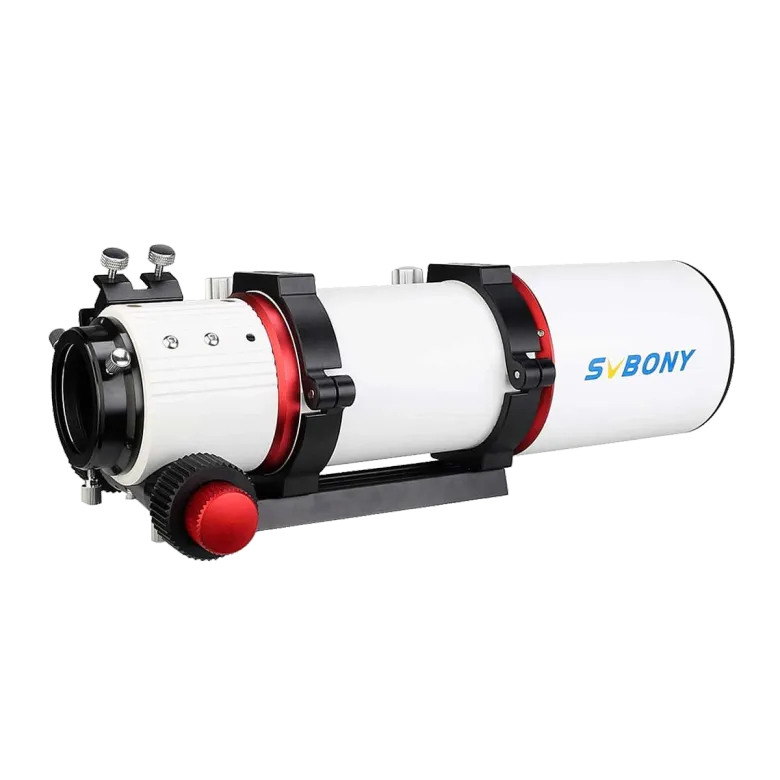
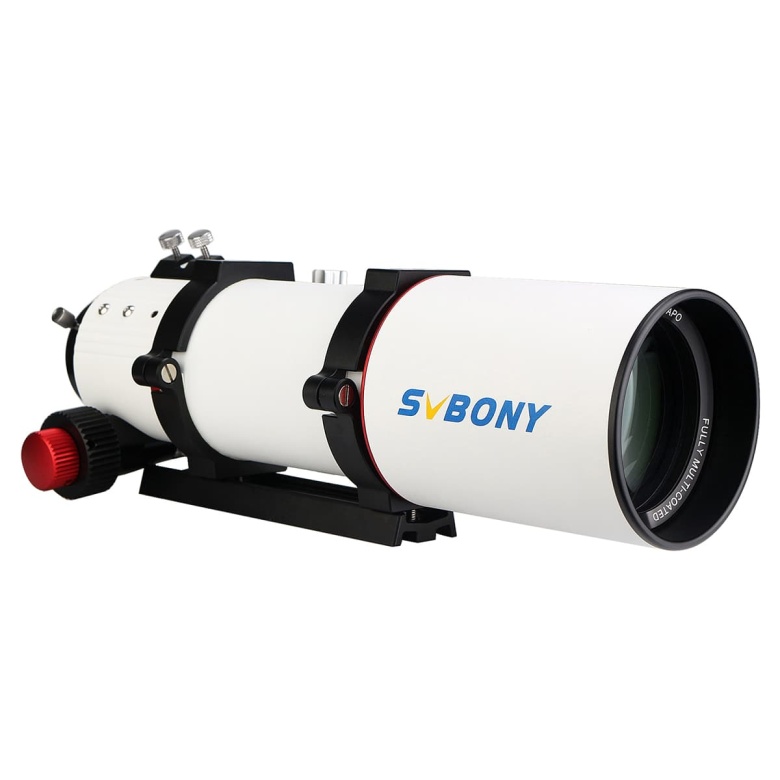
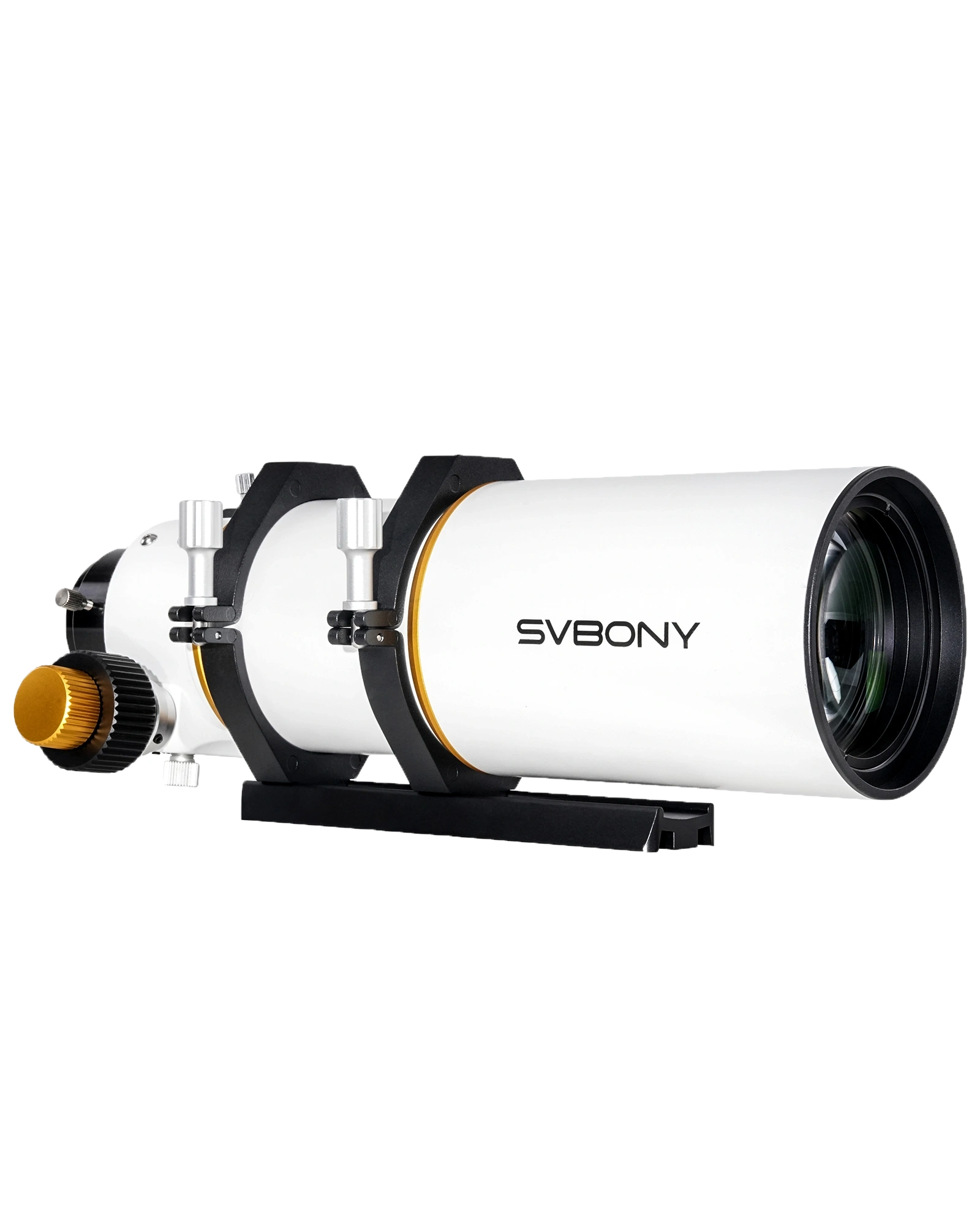
APO Triplet Refractor | SVBONY SV550 80
[{"Title":"Triplet APO Optics","Content":"Apochromatic 3\u2011element design with FPL51 ED glass delivers sharp, high\u2011contrast views with minimal chromatic aberration."},{"Title":"Fast f/6 Focal Ratio","Content":"80\u202Fmm aperture and 480\u202Fmm focal length provide bright images ideal for deep\u2011sky targets and wide\u2011field astrophotography."},{"Title":"Dual\u2011Speed Focuser","Content":"2.5\u2033 rack\u2011and\u2011pinion focuser with 10:1 fine focus control improves precision for imaging and visual use"},{"Title":"Stray Light Suppression","Content":"Internal light baffles and blackened surfaces reduce stray light for improved contrast in celestial views"},{"Title":"Stable, Portable OTA","Content":"Lightweight aluminum tube with retractable dew shield and dovetail plate fits most mounts for travel and field use."}]
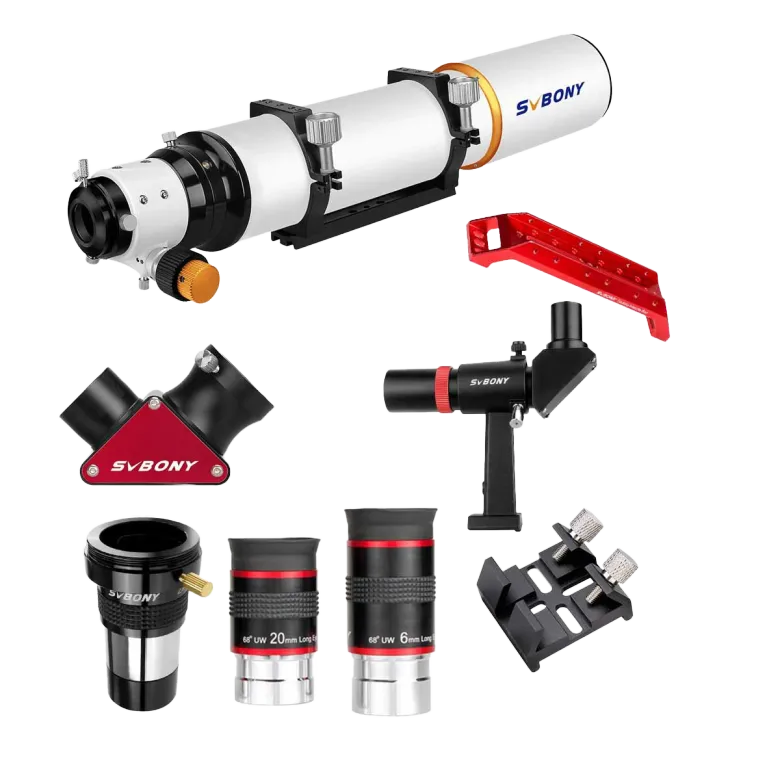
Refractor Visual Set | SVBONY SV503 102
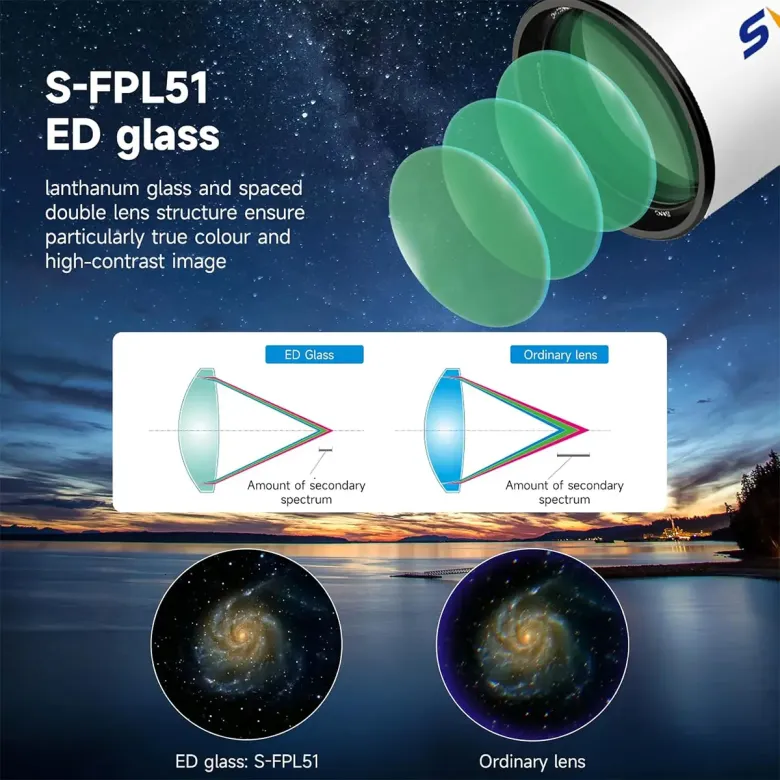
[{"Title":"Premium 102\u202Fmm ED Optics","Content":"S\u2011FPL51 extra\u2011low dispersion glass delivers crisp, high\u2011contrast visual views with reduced chromatic aberration."},{"Title":"Complete Visual Set","Content":"Includes diagonal, eyepieces, finder, handle bar and dovetail base for ready\u2011to\u2011use astronomical observation."},{"Title":"Dual\u2011Speed Precision Focuser","Content":"Rack \u0026 pinion focuser with 1:10 fine control enables accurate focusing for detailed planetary and lunar views."},{"Title":"Wide Field Eyepiece Options","Content":"Multiple eyepiece and barlow combinations provide versatile magnification for various celestial targets."},{"Title":"Robust Visual Performance","Content":"Strong 102\u202Fmm aperture and f/7 focal ratio yield bright, detailed views of deep\u2011sky and planetary objects."}]
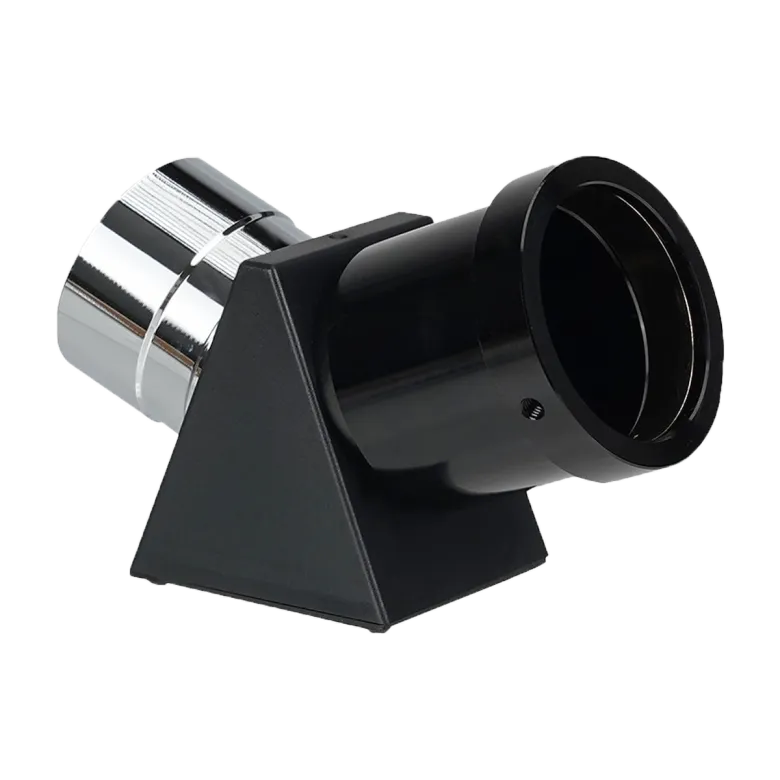
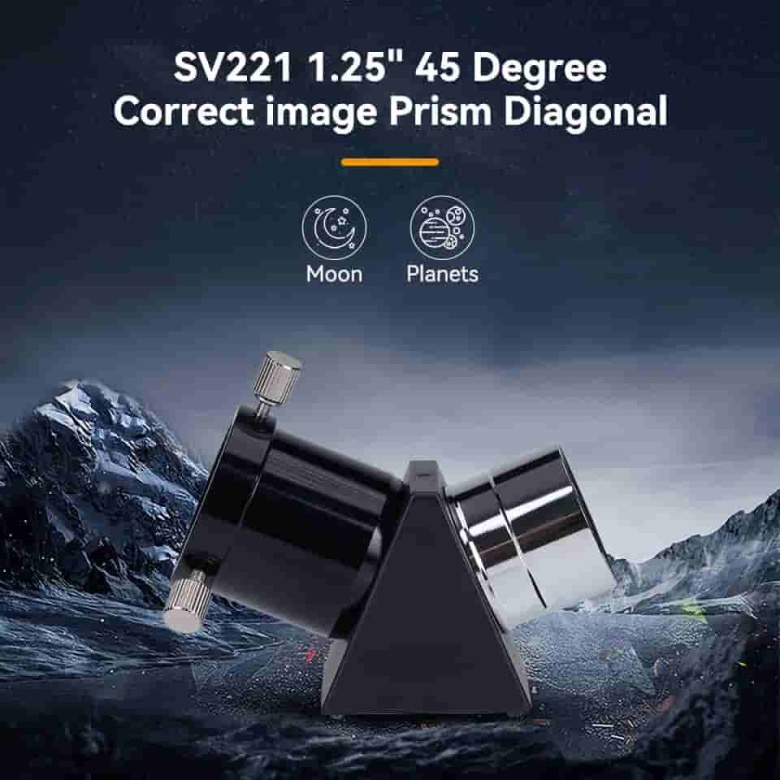
45° Prism Diagonal | SVBONY SV221
[{"Title":"Accurate Erect Image","Content":"Correct\u2011image prism delivers right\u2011side\u2011up, non\u2011reversed views for natural observation."},{"Title":"Comfortable Viewing Angle","Content":"45\u00B0 deflection provides a relaxed viewing posture without bending over."},{"Title":"Premium Light Transmission","Content":"Enhanced aluminum die\u2011coated prism improves light throughput and clarity."},{"Title":"Secure Brass Locking Ring","Content":"Brass pressure ring prevents eyepiece surface damage and ensures firm attachment."},{"Title":"Filter Compatibility","Content":"Supports 1.25\u2033 filters with internal extinction treatment for versatile use."}]
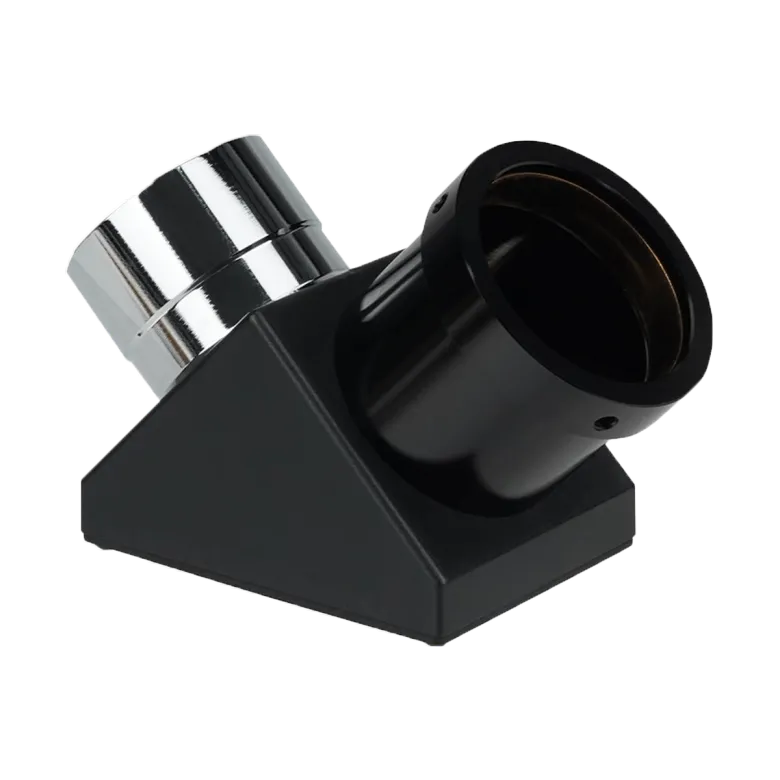
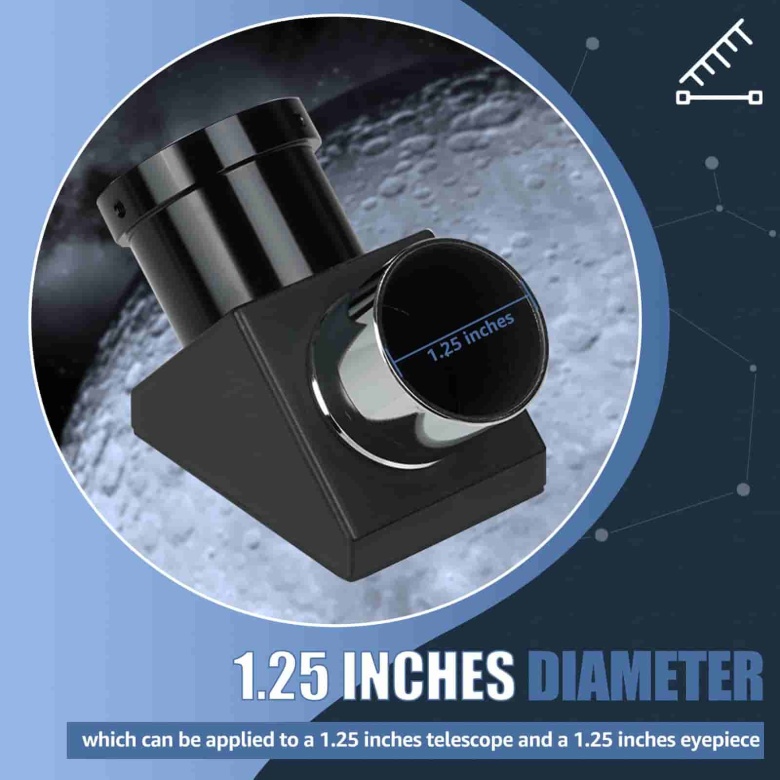
90° Mirror Diagonal | SVBONY SV221
[{"Title":"90\u00B0 Comfortable Viewing","Content":"Right\u2011angle design relieves neck strain for relaxed terrestrial and astronomical observation."},{"Title":"High Reflectivity Mirror","Content":"Aluminum\u2011coated mirror delivers bright, clear images with reflectivity above 92%."},{"Title":"Brass Compression Protection","Content":"Integrated brass pressure ring prevents eyepiece scratches and ensures secure holding."},{"Title":"Filter Thread Support","Content":"Built\u2011in M28.5\u00D70.6mm thread supports 1.25\u2033 filters for added optical versatility."},{"Title":"Sturdy Metal \u0026 ABS Build","Content":"Precision molded ABS with aluminum barrels delivers light weight and reliable durability."}]
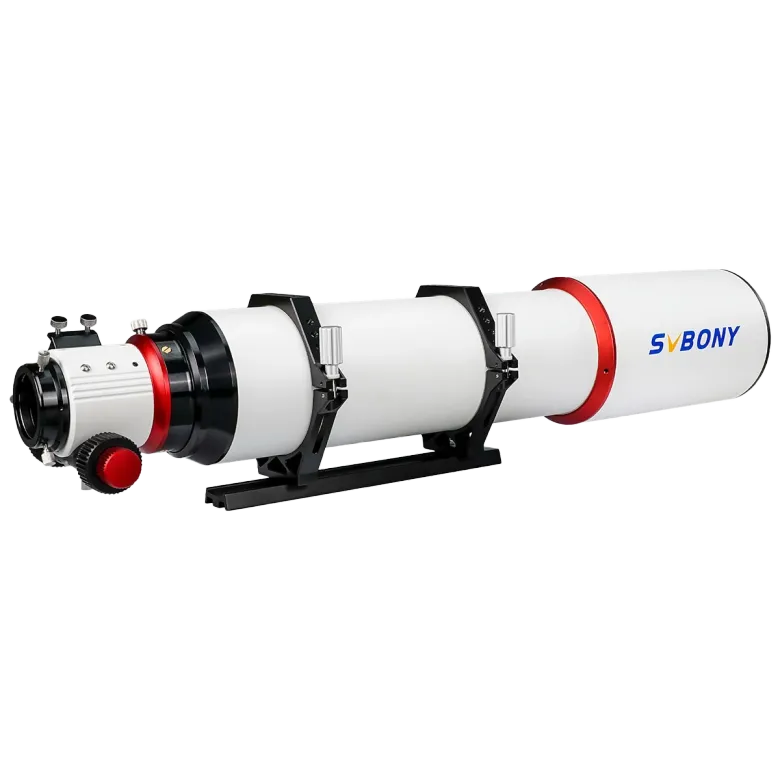
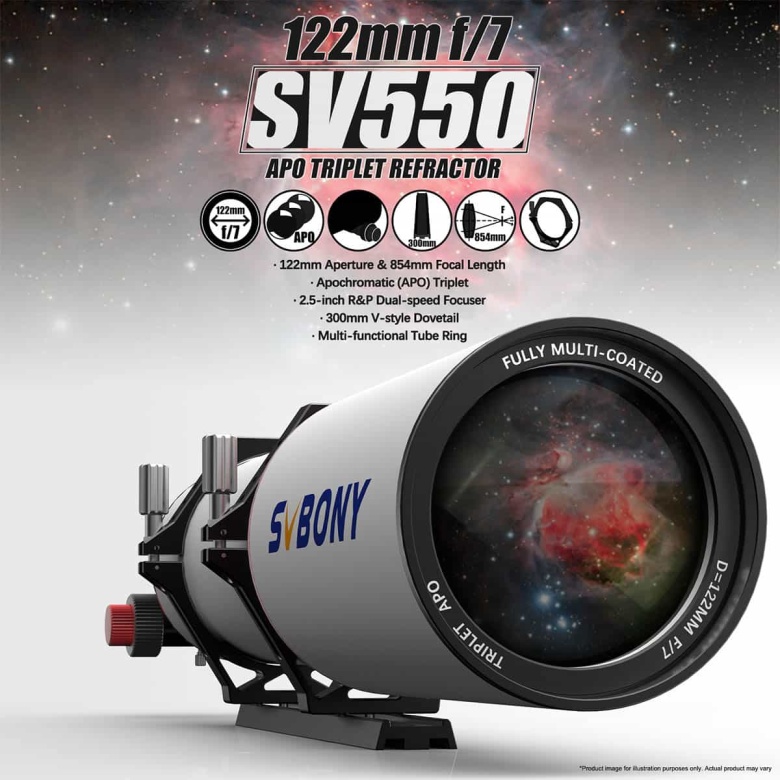
APO Refractor Telescope | SVBONY SV550 122
[{"Title":"Large 122mm aperture","Content":"f/7 focal ratio and 854mm focal length; a great travel telescope for astrophotography and observation; and even some fainter deep sky objects due to the higher limiting magnitude"},{"Title":"FPL-51 triplet apochromatic lens structure","Content":"the astro refractor telescope contains one piece of ED glass, for better correction of aberration, greatly reduce chromatic aberration and enhance the clarity \u0026 sharpness"},{"Title":"Dual speed 2.5-inch toothed focuser with 1: 10 gear ratio","Content":"easy to achieve accurate focus; the dual speed focuser can provide two focusing speeds by using a set of co-axial knobs; for fast focusing and fine focusing"},{"Title":"300mm dovetail length","Content":"it can maintain the balance to the greatest extent; and more convenient in the adjustment process"},{"Title":"Carrycase included","Content":"this telescope bag has a removable shoulder strap and hand-carry strap"}]
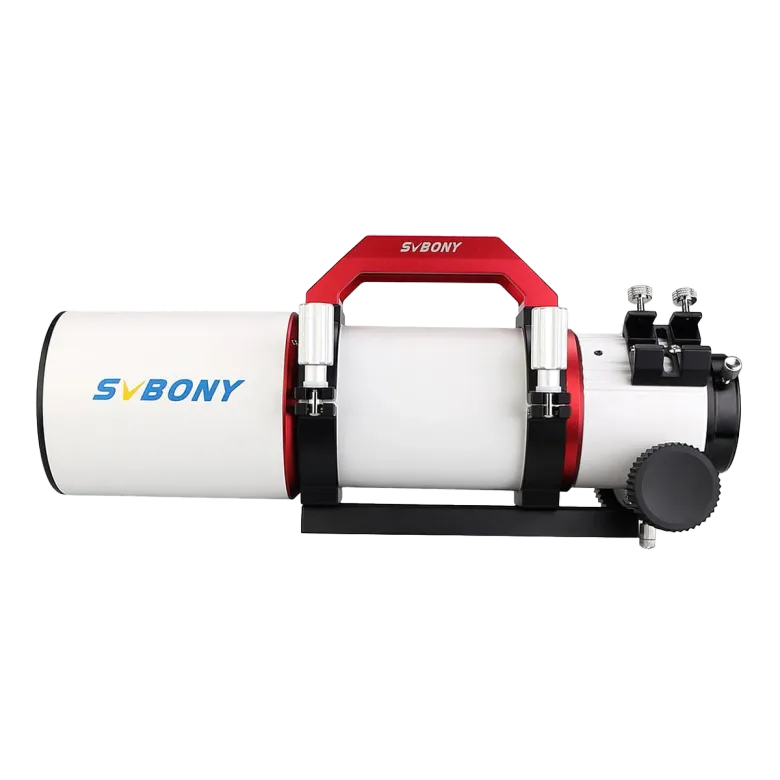
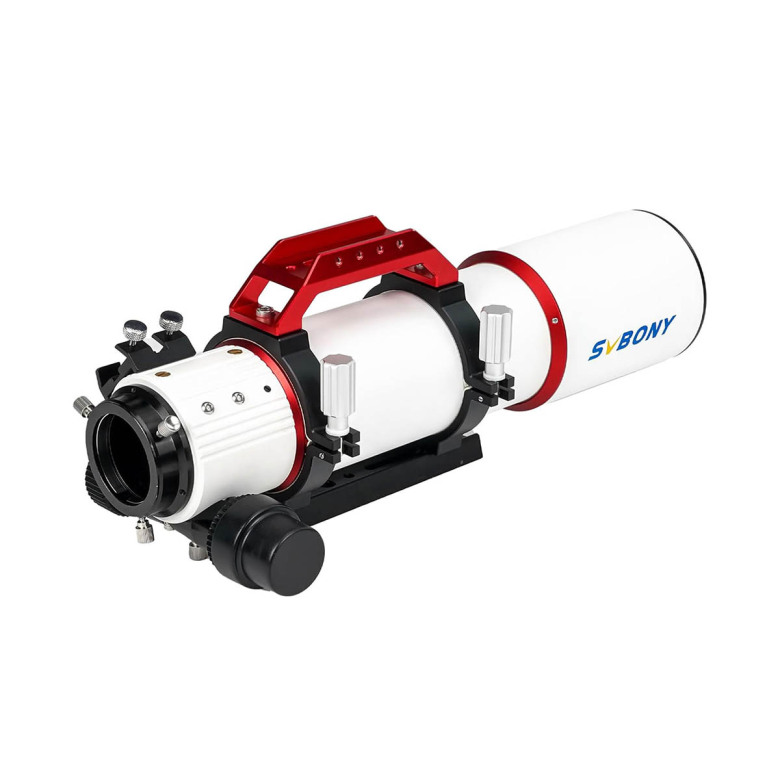
APO Triplet Refractor| SVBONY SV550 80
[{"Title":"Triplet APO Optical Design","Content":"Apochromatic triplet with FPL51 ED center element delivers sharp, high\u2011contrast views with minimal chromatic aberration"},{"Title":"Fast f/6 Focal Ratio","Content":"80\u202Fmm aperture and 480\u202Fmm focal length balance wide\u2011field deep\u2011sky imaging and pleasing visual observation."},{"Title":"Dual\u2011Speed 2.5\u2033 Focuser","Content":"10:1 ratio dual\u2011speed rack\u2011and\u2011pinion focuser enables precise fine\u2011tuning for astrophotography and eyepiece use."},{"Title":"Stray Light Suppression","Content":"Blackened interior and knife\u2011edge baffles reduce stray light for improved image contrast."},{"Title":"Travel\u2011Ready OTA","Content":"Retractable dew shield and 180\u202Fmm Vixen\u2011style dovetail with split tube rings make mounting simple and portable."}]
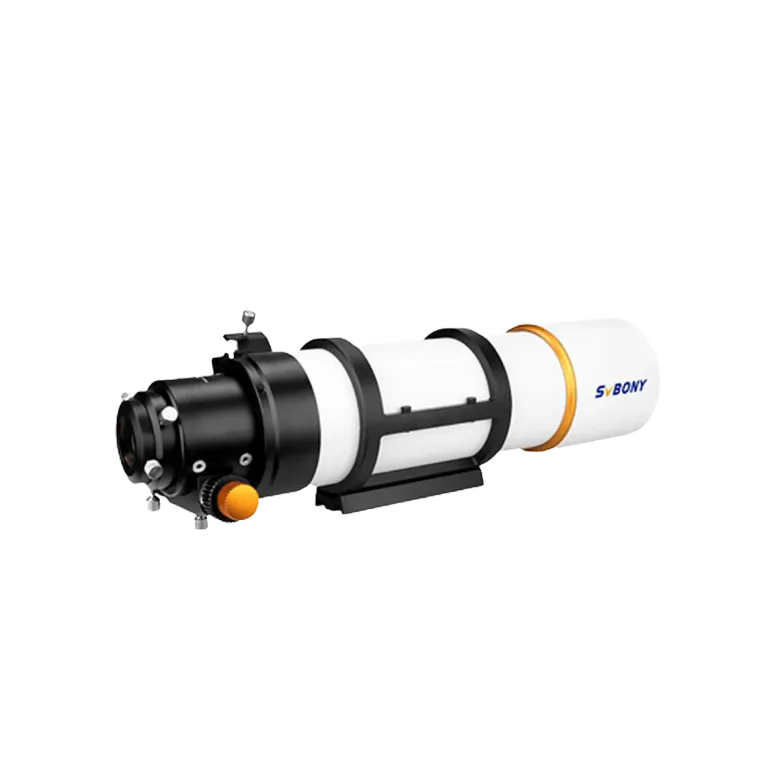
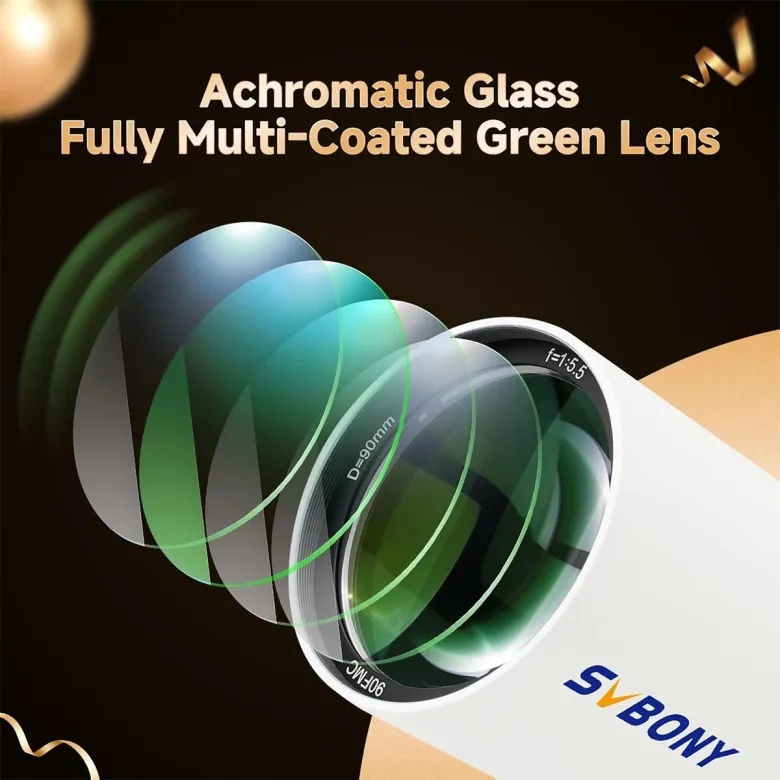
Achromatic Refractor | SVBONY SV48P 90
[{"Title":"90mm f/5.5 Achromatic Refractor","Content":"Delivers a wide field of view and bright images ideal for deep-sky astrophotography."},{"Title":"1:10 Dual-Speed Focuser","Content":"Provides precise, smooth focusing for both visual observation and camera imaging."},{"Title":"Multi-Green Coated Optics","Content":"Maximizes light transmission and reduces false color for clear, sharp astronomical views."},{"Title":"360\u00B0 Rotatable Focuser","Content":"Enables flexible framing and composition for both visual use and photography."},{"Title":"Includes Dovetail Plate","Content":"Simplifies mounting on various tripods and equatorial mounts for quick setup."}]
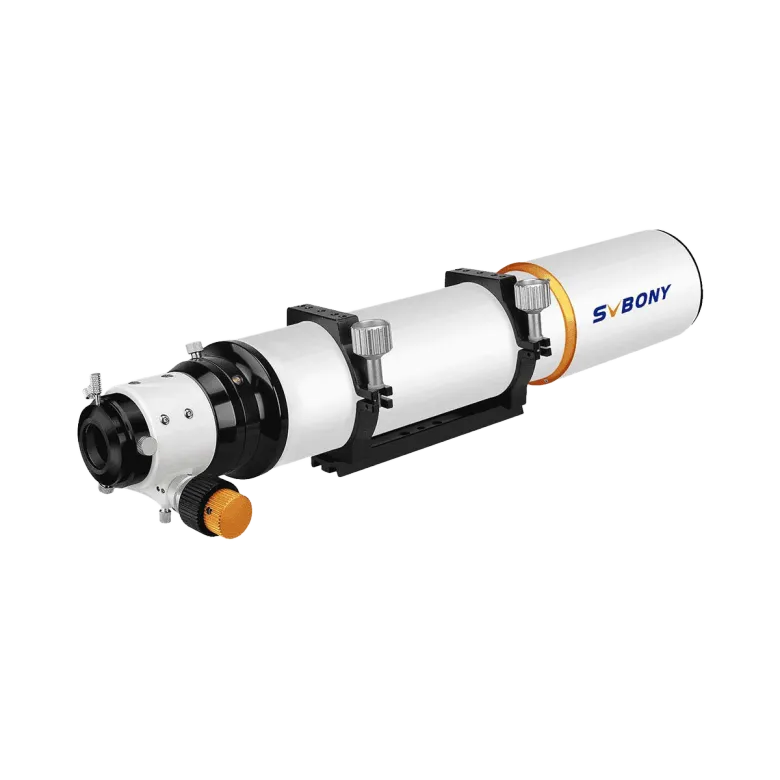
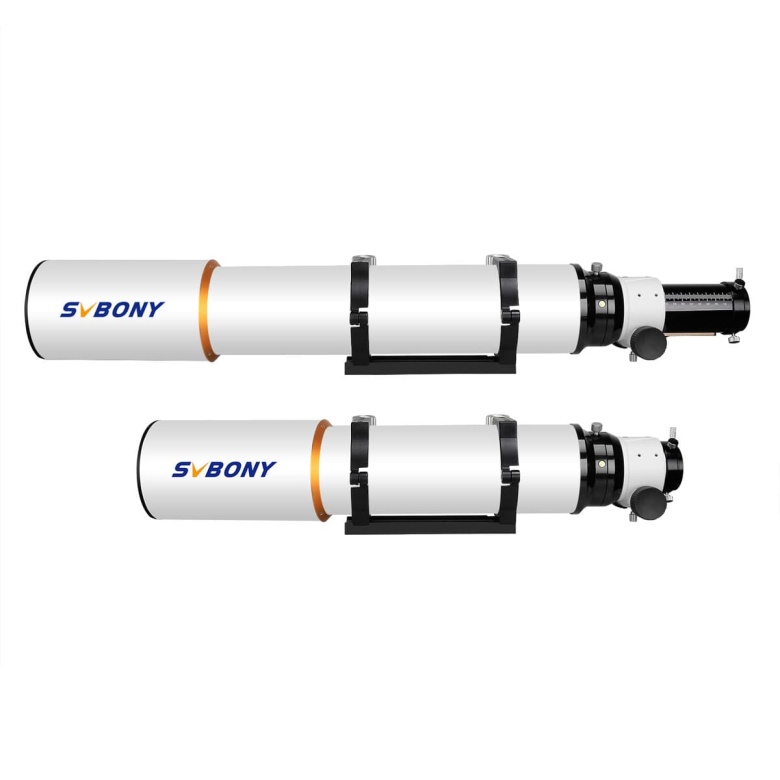
ED Doublet Refractor | SV503 102
[{"Title":"Premium ED Doublet Optics","Content":"102 mm S-FPL51 ED lens minimizes chromatic aberration for crisp, accurate celestial views."},{"Title":"Bright, Wide-Field Imaging","Content":"Large aperture and f/7 focal ratio deliver bright, detailed images of stars, planets, and DSOs."},{"Title":"Dual-Speed Precision Focuser","Content":"Rack \u0026 pinion focuser with 1:10 fine control enables precise focus for visual and astrophotography."},{"Title":"Durable Aluminum OTA","Content":"Robust CNC-machined tube with dovetail mounting ensures stability and easy setup."},{"Title":"Wide Accessory Compatibility","Content":"Includes 2\u0022 to 1.25\u0022 adapter and dovetail plate for use with cameras and eyepieces."}]
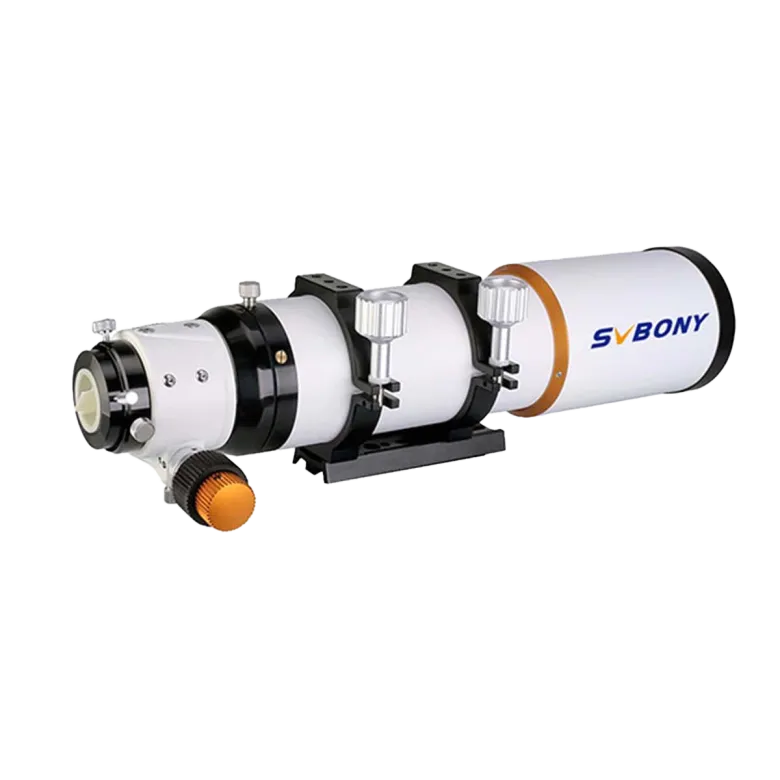
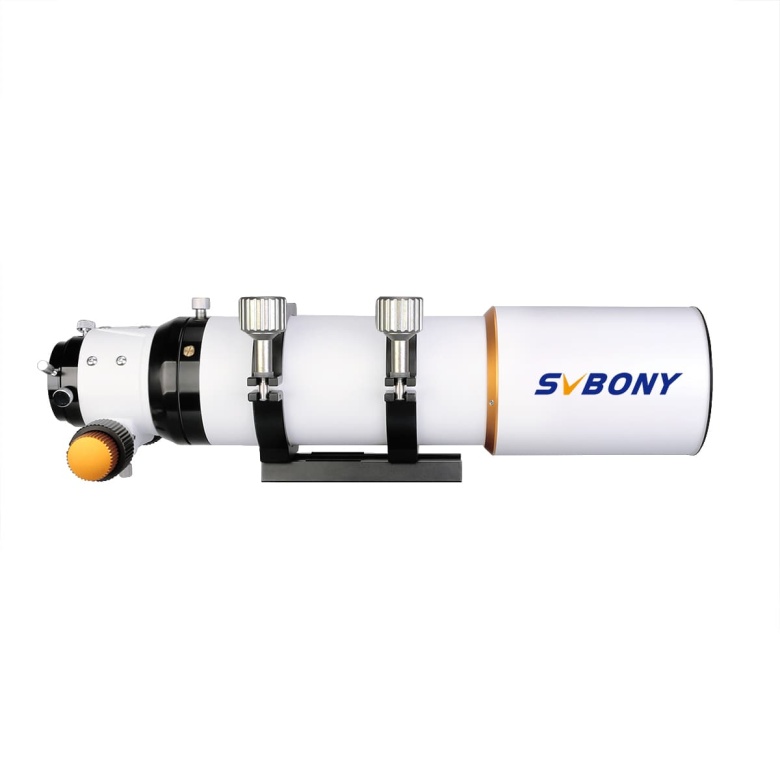
80mm Refractor Telescope | SVBONY SV503
[{"Title":"Extra-Low Dispersion Glass","Content":"Delivers high-contrast, sharp, and color-accurate images."},{"Title":"Fully Multi-Coated Optics","Content":"The entire optical lens utilizes ultra-wideband multi-layer coating technology, providing exceptional performance."},{"Title":"Dual-Speed Focuser","Content":"It is equipped with a 1:10 dual-speed rack-and-pinion focuser, which ensures smooth and precise focusing adjustments."},{"Title":"CNC Craftsmanship","Content":"Precision\u2011machined from high\u2011grade materials, with a finely textured painted exterior."},{"Title":"360\u00B0 Rotating","Content":"Features a rotatable focuser for flexible framing."}]
Refractor Telescopes for Stargazing & Astrophotography
A refractor telescope is a classic choice for stargazing and astrophotography,using a front objective lens to gather and focus light for sharp, high-contrast views of the Moon, planets, star clusters, and deep-sky objects. With a sealed optical tube and no mirror alignment required, refractors are easy to maintain and suitable for beginners and experienced observers alike.
Choosing the best refractor telescope depends on your observing goals, portability needs, and desired optical performance. Achromatic models offer a practical option for general observation, while an ED refractor telescope provides enhanced color correction.
An APO refractor telescope offers even stronger color correction and is particularly well suited to detailed visual observation and astrophotography. For imaging, a refractor telescope for astrophotography can be paired with astronomy cameras and accessories such as field flatteners and focal reducers.
Explore SVBONY refractor telescopes in a range of apertures and focal lengths for different astronomy setups.
Faqs About Refractor Telescope
A refractor telescope uses an objective lens at the front of the optical tube to gather and refract incoming light. The lens focuses the light, and an eyepiece then magnifies the image for observation.
A key specification is aperture, which determines how much light the telescope can gather and influences resolution and image detail. Unlike reflector telescopes, refractors have an enclosed optical tube and typically require less maintenance because there is no primary mirror to collimate.
Yes. A well-designed refractor telescope can provide sharp, high-contrast views of the Moon and planets. Depending on the telescope and observing conditions.
you can observe lunar craters, the phases of Venus, Jupiter's atmospheric bands, Saturn's rings, and some visible features on Mars. Aperture, focal length, optical quality, atmospheric conditions, and magnification all affect the level of detail you can see.
Yes. A refractor telescope for beginners can be a practical choice because the design is straightforward, easy to maintain, and suitable for a wide range of observing targets.
When choosing one, consider aperture, focal length, portability, and whether you plan to use it for visual observation or astrophotography. Achromatic refractors can be a straightforward starting point, while ED models offer improved color correction.
A refractor telescope for astrophotography is popular for its sharp star images, good contrast, and relatively simple optical design. ED and APO refractors can provide improved color correction for cleaner star profiles and more accurate color.
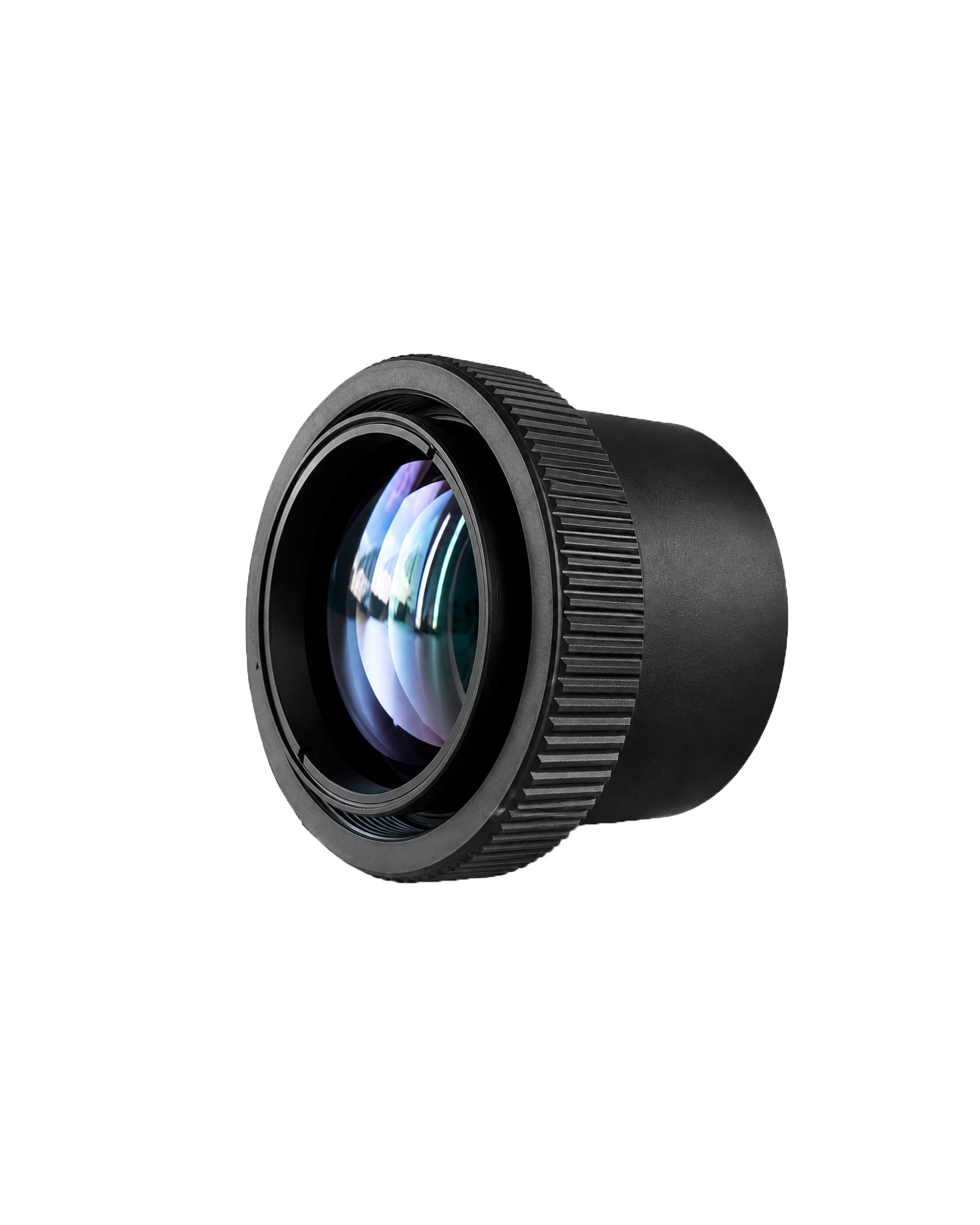
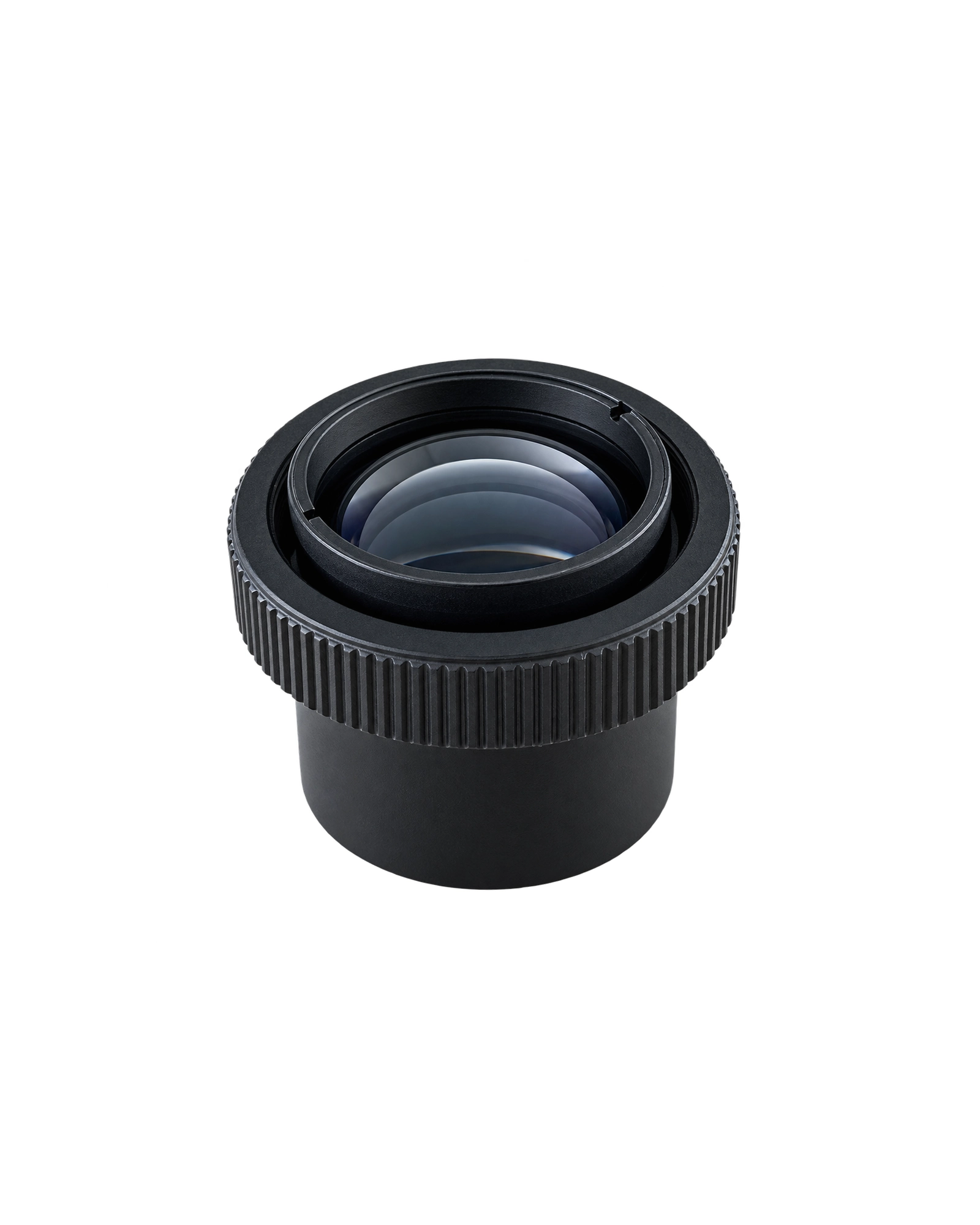
Depending on the setup, a field flattener can improve edge sharpness, while a focal reducer can provide a wider field of view and faster effective focal ratio.
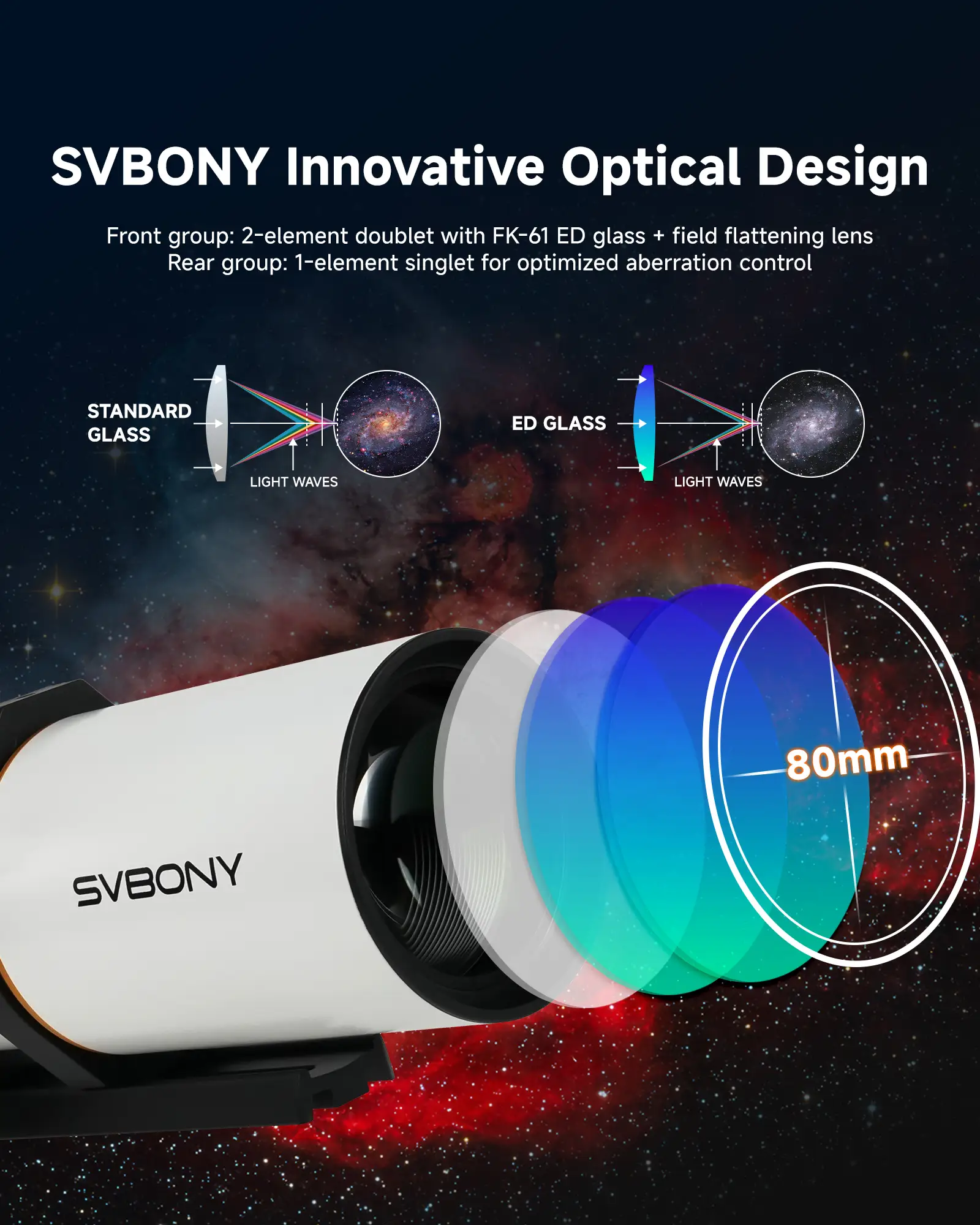
ED stands for extra-low dispersion and refers to optical glass used to help reduce chromatic aberration. APO describes the overall level of color correction achieved by the optical system.
Many APO refractors use ED glass, but an ED refractor is not automatically an APO. Actual performance depends on the lens design, glass types, manufacturing quality, and overall telescope system.





 Google
 Amazon